
The counter-mine galleries
About 400 metres open to visitors, cut from a fourteen-kilometre network running six and fourteen metres beneath the city.
Andrea Gastaldi — Public domain · Bicocchi — Public domain · Fabri18 [Fabrizio Diciotti] — CC BY-SA 4.0 · Ivan Ruggiero — CC BY-SA 4.0
On the night of 29-30 August 1706, in a tunnel running directly beneath this building, a miner from the Biella hills lit a powder charge at arm's length and brought a stairway down on himself to stop French grenadiers reaching the citadel above. Turin held, the siege broke nine days later, and Pietro Micca became Piedmont's national martyr. The small civic museum that carries his name was built on top of the gallery where it happened. Above ground there is not a great deal: two rooms of models, maps, prints and old weapons, and a clear account of a four-month siege. The museum's substance is under your feet. A staircase drops from the exhibition floor into roughly 400 metres of counter-mine galleries, part of a fourteen-kilometre lattice the Savoy engineers cut at six and fourteen metres down so that defenders could listen for French digging and blow the enemy tunnels first. Walking it is the rare case of a battlefield you enter rather than look at through glass. The descent is guided only, at fixed times, usually 10:30, 14:30 and 16:30, with an extra 15:30 slot on Sundays, and booking by phone or email is compulsory; turn up without a slot and you may see nothing but the two upstairs rooms. The passages are narrow, low, damp and cold year-round, the lighting is deliberately minimal, and the only way in and out is a long flight of steps. If confined spaces trouble you or your knees are an issue, be honest about it before you book, because the two rooms on their own do not justify a special trip. Allow about ninety minutes for the full visit. Turin is a second stop for most travellers arriving through Milan, and nothing here alone justifies rerouting a trip. But if you are giving the city a couple of days, this is the best five euros in it: a wholly separate ticket from the Musei Reali and the Museo Egizio, a visit that stands on its own, and one that lodges in the memory far longer than its size suggests. It sits a few minutes' walk from Porta Susa station and the old citadel keep, so it slots neatly into a morning before the grander museums downtown.
About 400 metres open to visitors, cut from a fourteen-kilometre network running six and fourteen metres beneath the city.
The most charged stretch of the route is the passage tied to the blast that stopped the French advance on the citadel.
Two upstairs rooms of siege models and maps, and a five-euro ticket that undercuts every grand museum in the city.
Via Francesco Guicciardini 7/A, 10121 Turin
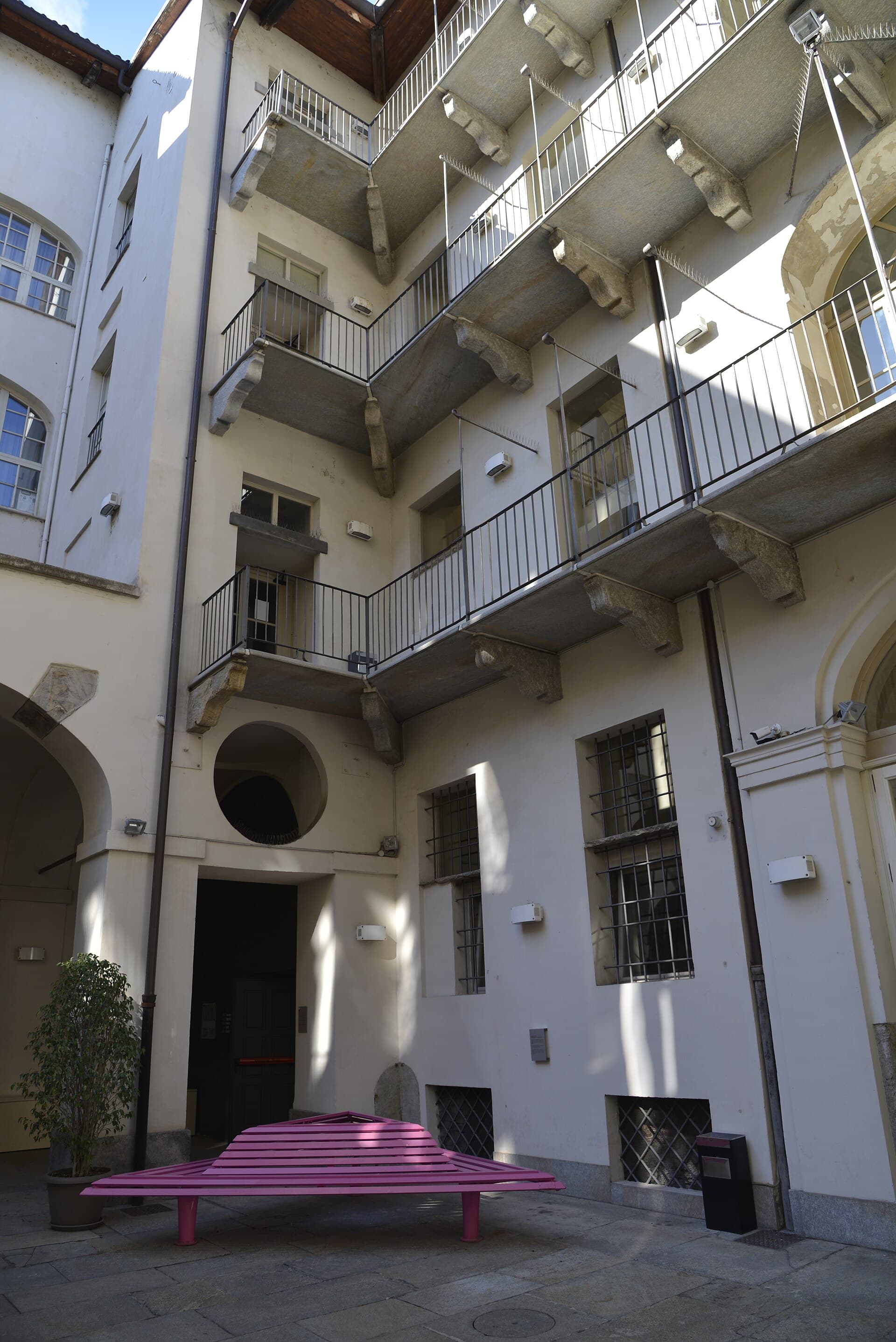 Museo Diffuso della Resistenza (Museum of the Resistance, Deportation, War, Rights and Freedom)Twelve metres beneath the museum floor lies an air-raid shelter originally dug f8 minutes walk4.6
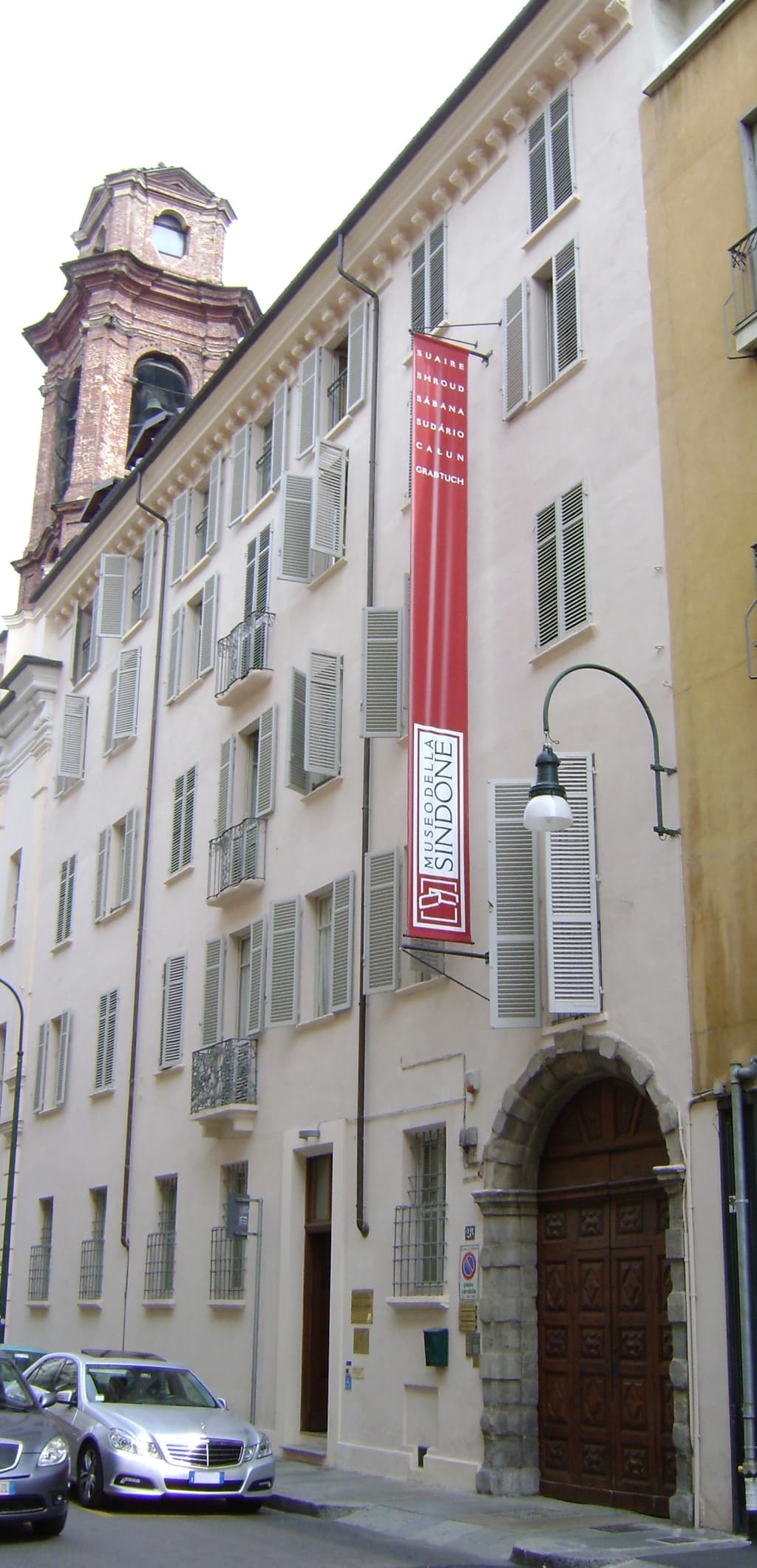 Museum of the Holy ShroudOne night in May 1898, a lawyer from Asti and amateur photographer named Secondo10 minutes walk4.3
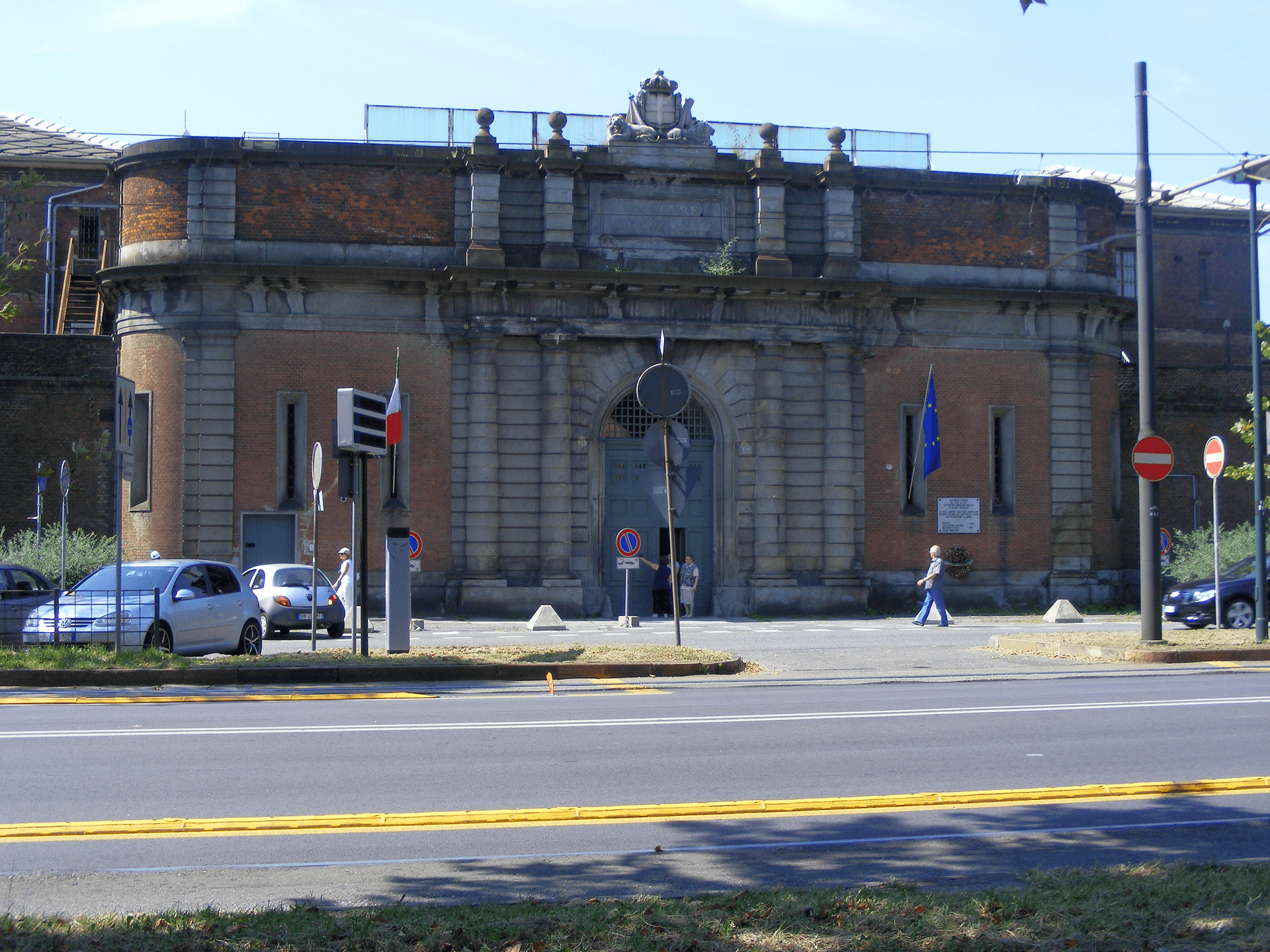 Le Nuove Prison MuseumIn most prisons turned museum you stand behind glass looking at a tidied-up cell10 minutes walk4.6
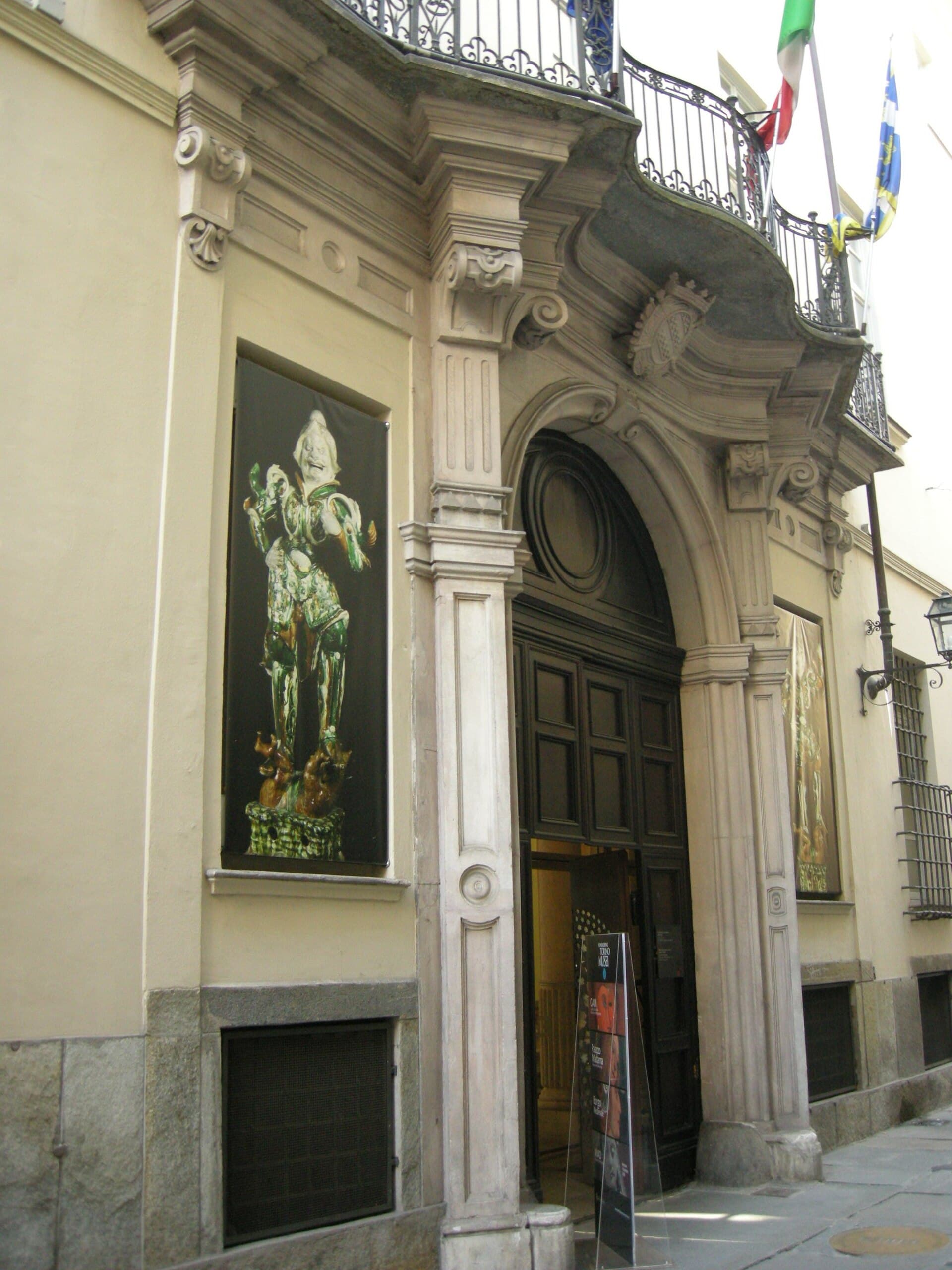 MAO – Museum of Oriental ArtIn a Baroque palace that housed a textile works for the best part of a century a11 minutes walk4.4
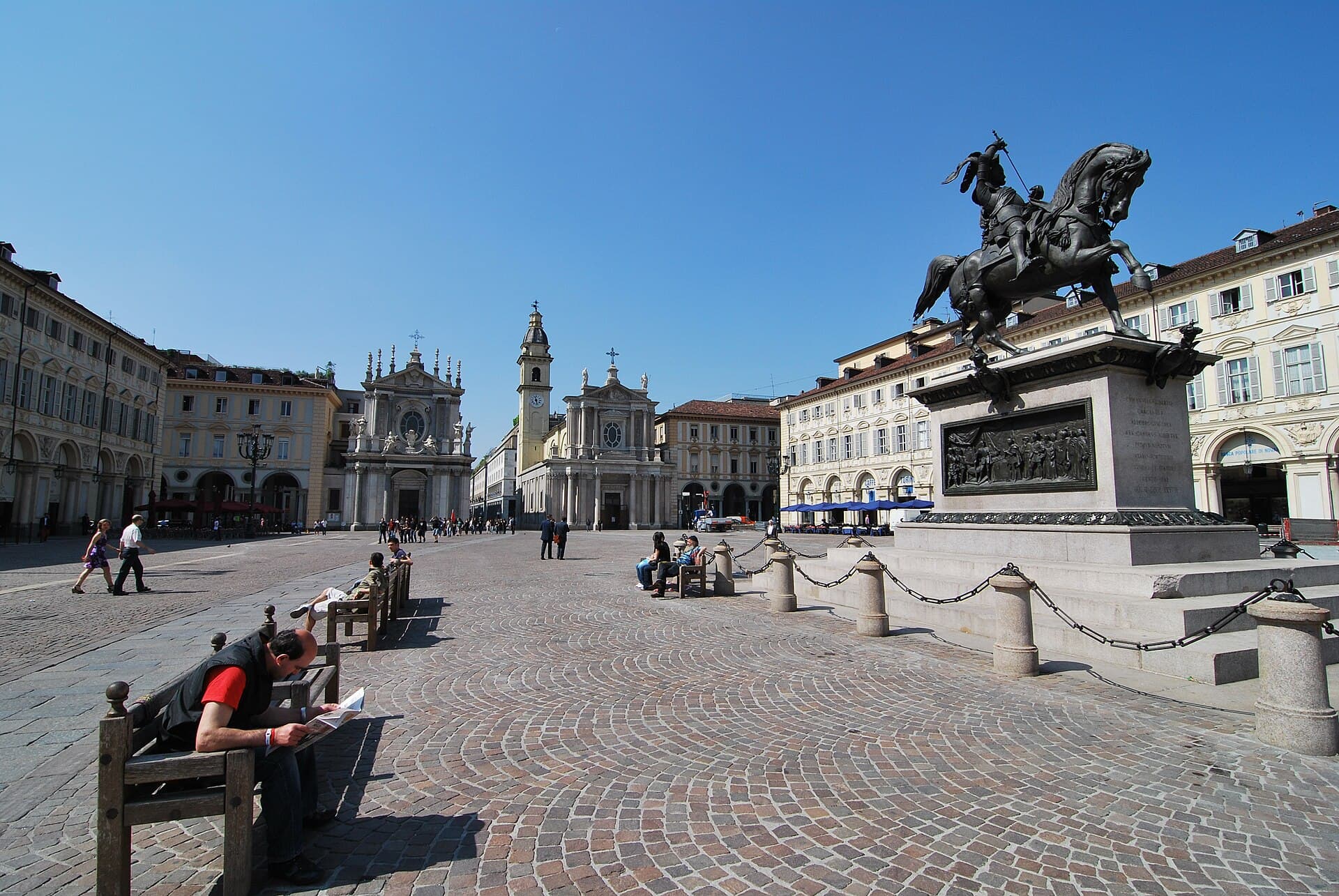 Piazza San CarloSan Carlo is Turin's drawing room: a Baroque rectangle of perfect proportion, it15 minutes walk4.6
No. The underground tours run at set times with a guide, and booking by phone or email beforehand is mandatory. Walk in without a slot and you may be limited to the two upstairs rooms, which are not worth the trip on their own, so call a day or two ahead, especially at weekends and in summer.
Children of roughly eight and up usually love the idea of a real tunnel under the city, but the passages are narrow, low and cold, and the only access is by stairs. If confined spaces frighten you or stairs are out of the question, skip the museum altogether rather than settle for the ground floor, which does not stand in for the descent.