
Coin collection
Latin America's largest.
Carlos Luis M C da Cruz — Public domain · Halley Pacheco de Oliveira — CC BY-SA 3.0 · Rodrigo Soldon from Rio de Janeiro, Brazil — CC BY 2.0 · Joalpe — CC BY-SA 4.0 · Adam Jones from Kelowna, BC, Canada — CC BY-SA 2.0 · Boaventuravinicius — CC BY-SA 4.0 · Joalpe — CC BY-SA 4.0
Brazil's National Historical Museum was created in 1922 by decree of President Epitácio Pessoa and holds over 287,000 items, including the largest numismatic collection in Latin America. It was the first Brazilian museum to run an official museology course, becoming a starting point for many other museums. It occupies an architectural complex on the Calabouço point in central Rio whose oldest part was built in 1603 as the Fort of Santiago, with earlier structures on the site dating to 1567 by order of King Sebastian I of Portugal. A slave prison was added in 1693, the Casa do Trem as a weapons and ammunition depot in 1762, then the War Arsenal in 1764 and the barracks in 1835. Today the complex covers 20,000 square metres, with over 25 permanent and temporary exhibitions and a library of more than 57,000 titles. It reopened after works in November 2025 with free entry at that time; check opening times.
Latin America's largest.
Old military buildings.
Permanent and temporary.
Praça Marechal Âncora, central Rio de Janeiro
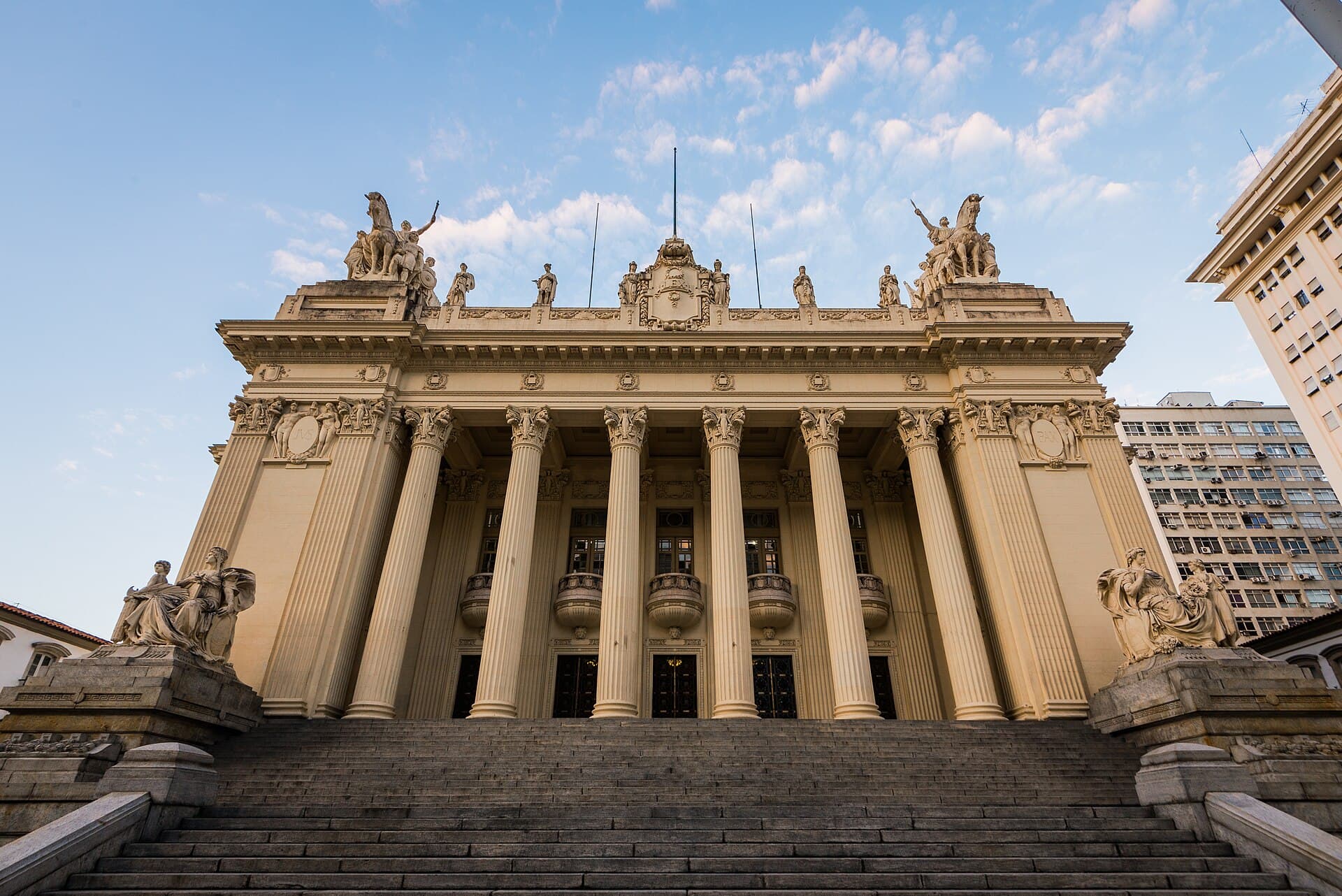 Palácio TiradentesThe Palácio Tiradentes opened on 6 May 1926 on the site of the Casa de Câmara e 6 minutes walk4.7
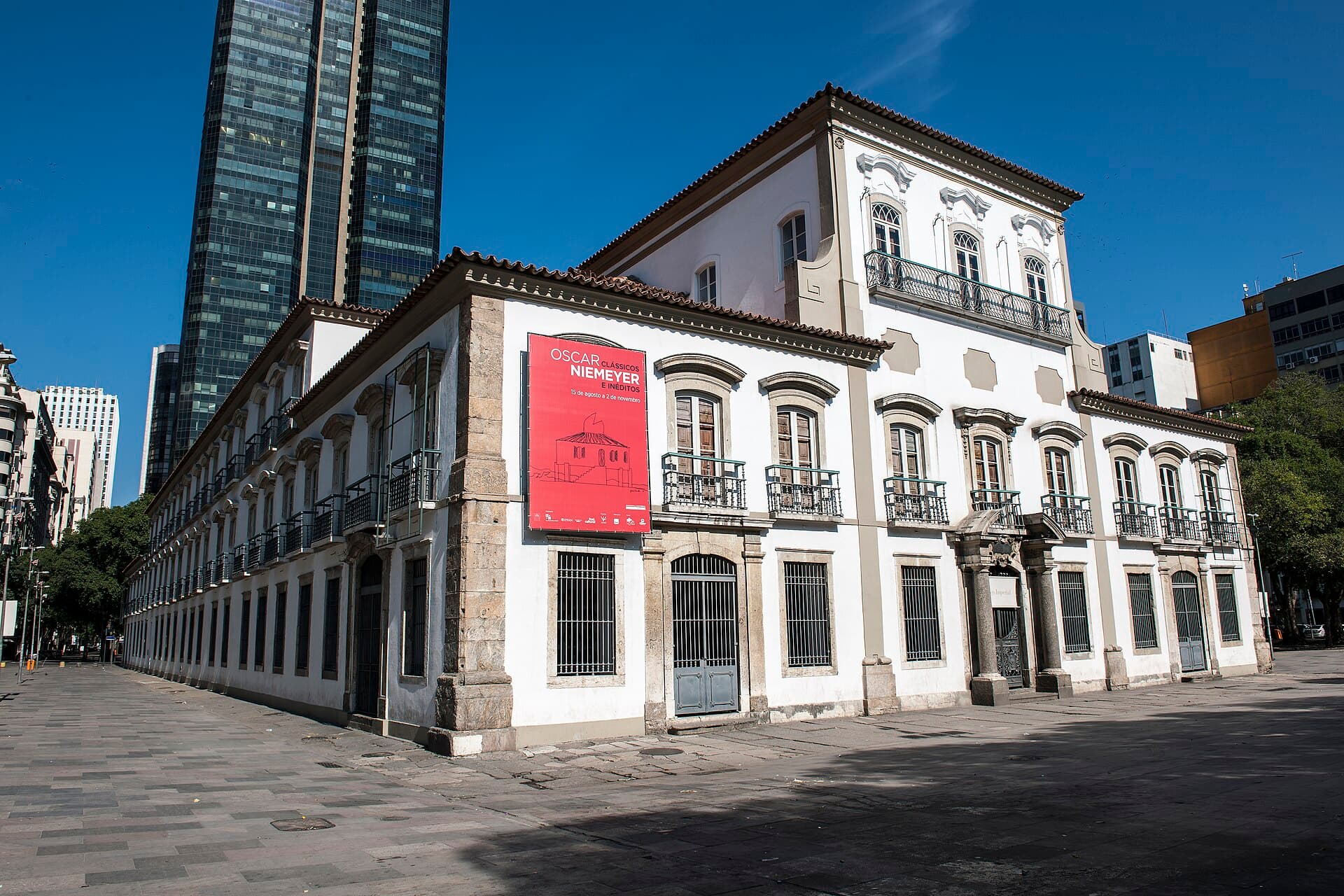 Paço ImperialThe Imperial Palace is one of Brazil's most important historic buildings and was7 minutes walk4.6
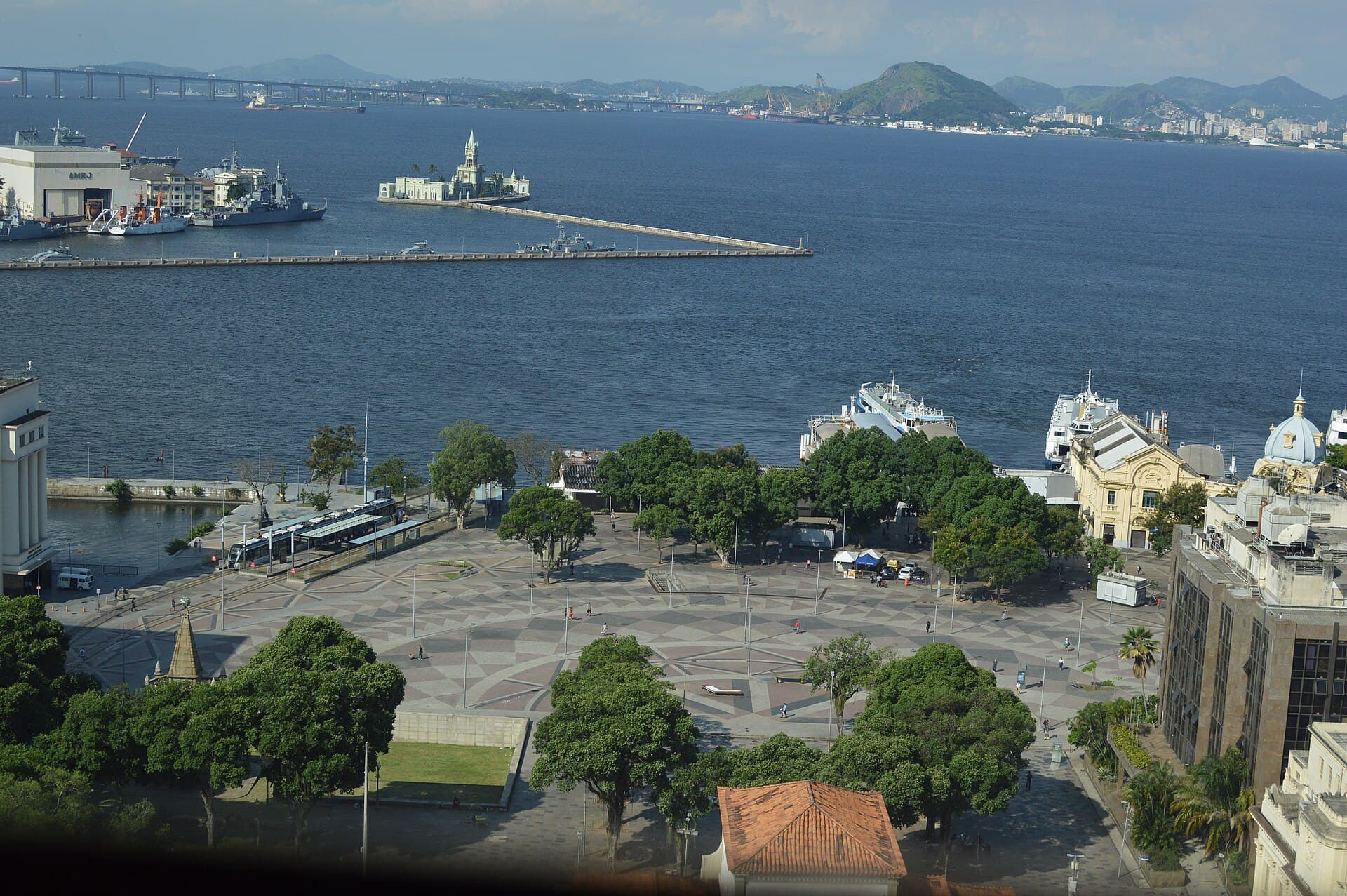 Praça XV de NovembroPraça XV, «15 November Square», is one of Rio's oldest squares, here since the 17 minutes walk4.7
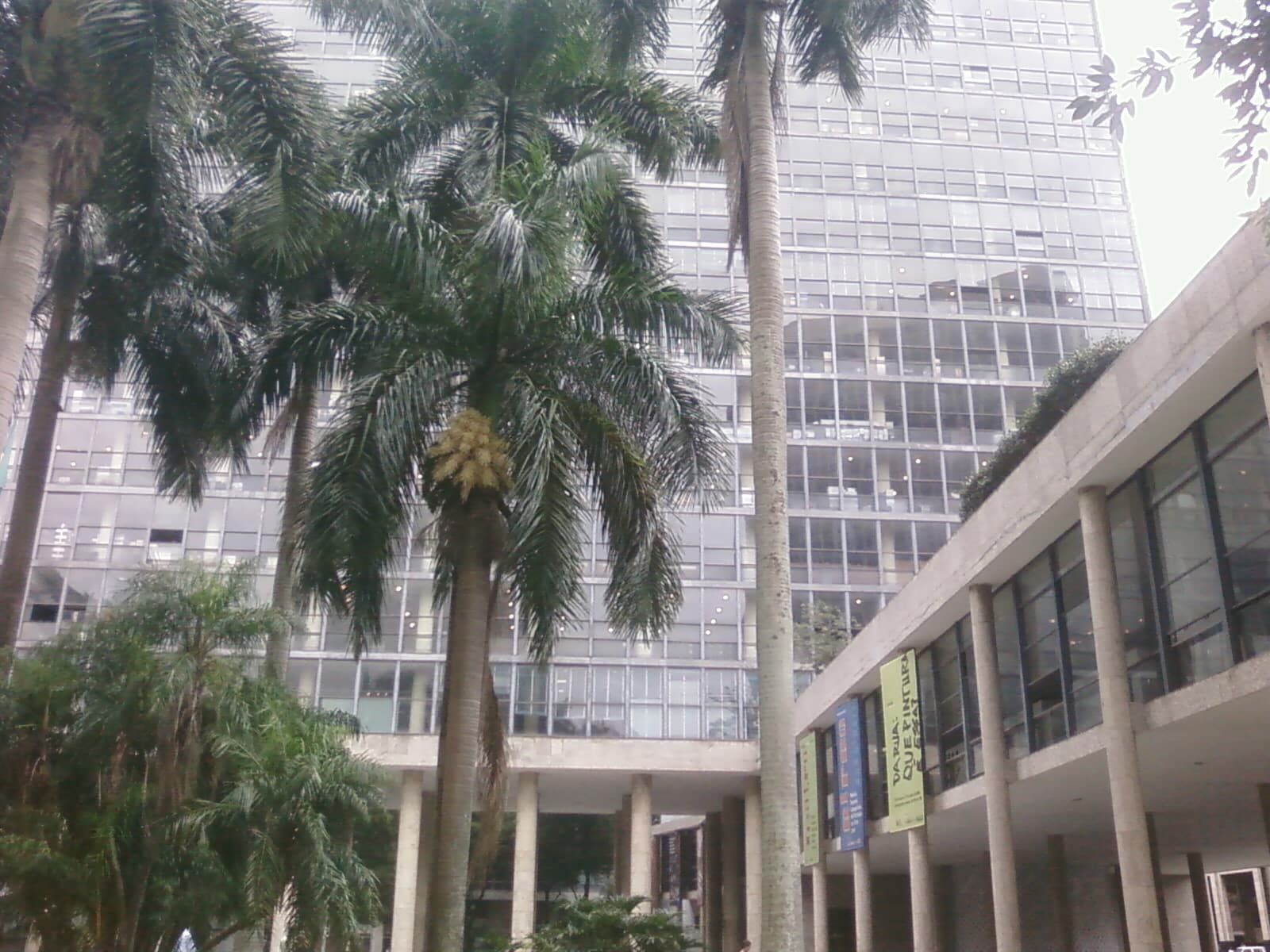 Gustavo Capanema PalaceThe Gustavo Capanema Palace, known to architects as the Ministry of Education an7 minutes walk4.4
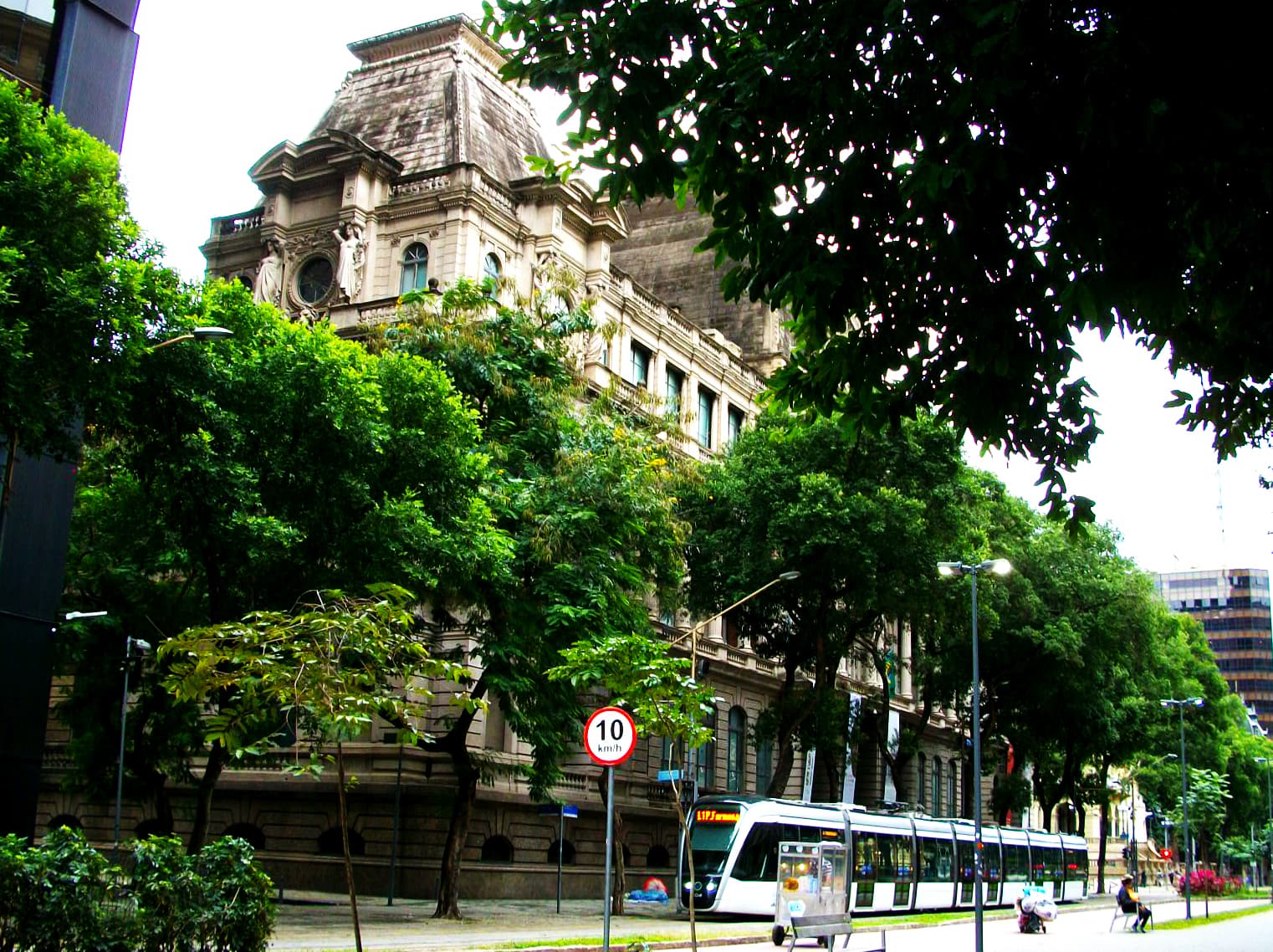 Museu Nacional de Belas ArtesThe National Museum of Fine Arts fills an eclectic-style building on Avenida Rio9 minutes walk4.8
Latin America's largest coin collection, among more than 287,000 items.