
Marble portal
Portuguese Baroque.
Oscar liberal — CC BY-SA 4.0 · Fulviusbsas — Public domain · Donatas Dabravolskas — CC BY-SA 4.0 · Estela Neto — CC BY-SA 4.0 · Donatas Dabravolskas — CC BY-SA 4.0
The Imperial Palace is one of Brazil's most important historic buildings and was for some 150 years, from 1743 to 1889, one of the country's main seats of power. The Portuguese military engineer José Fernandes Pinto Alpoim built it for the governor Gomes Freire de Andrade, finishing it in 1743 as a governors' house in a plain Baroque style, with a Portuguese marble portal, inner courtyards and a stairway to the upper floors. From 1808 it was the seat of King John VI, after the Portuguese court moved to Rio to escape Napoleon's armies, and Emperors Pedro I and Pedro II later used it as a workplace rather than a home. It witnessed decisive events, above all Princess Isabel's signing of the «Golden Law» abolishing slavery in Brazil on 13 May 1888. Today it is a cultural centre run by the national heritage body, with changing exhibitions all year and free entry. Exhibitions usually open Tuesday to Sunday from midday into the early evening. It stands on Praça XV near the ferry terminal for Niterói, a few minutes from the Tiradentes Palace.
Portuguese Baroque.
Inside the palace.
Old Rio's heart.
Praça XV de Novembro 48, central Rio de Janeiro
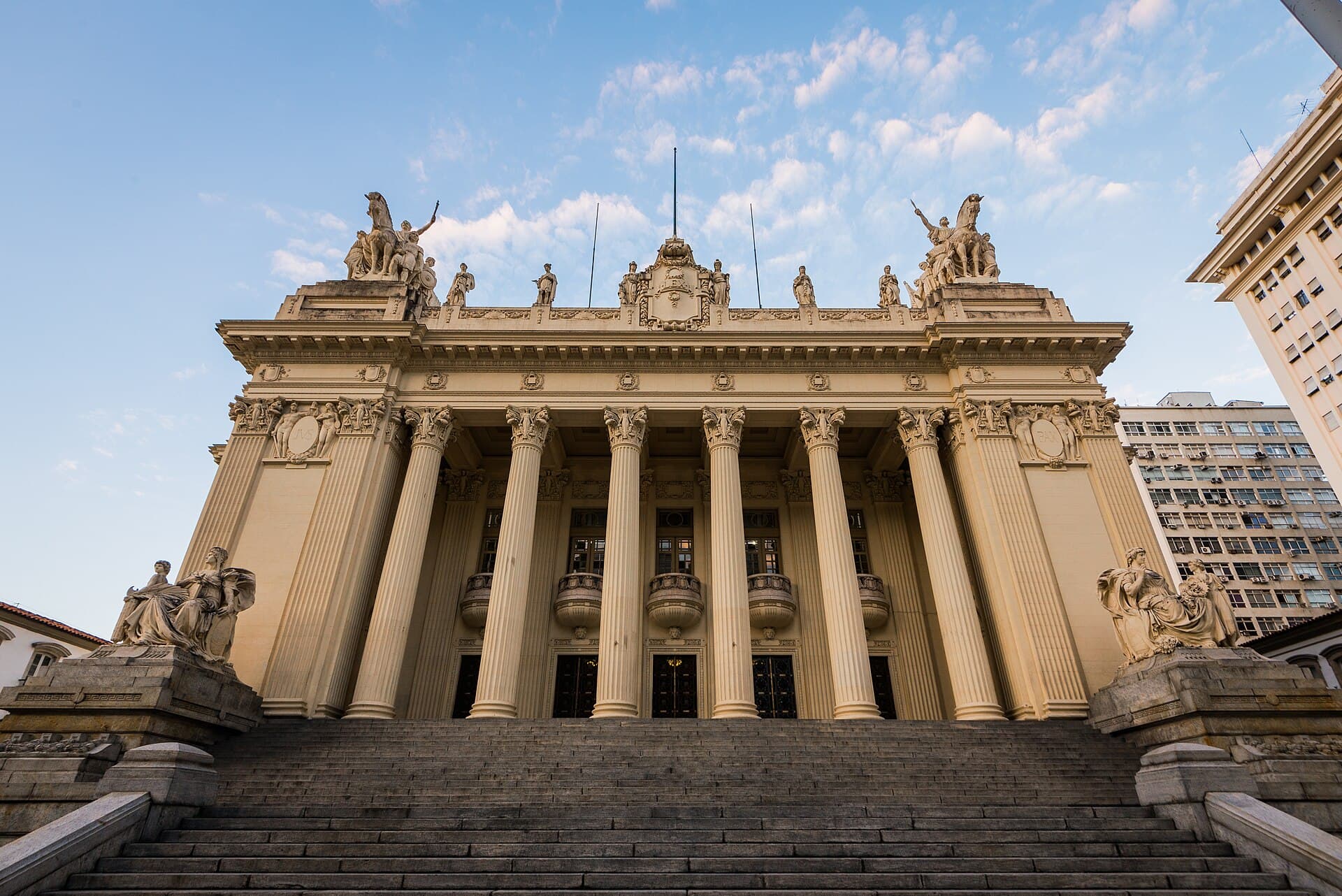 Palácio TiradentesThe Palácio Tiradentes opened on 6 May 1926 on the site of the Casa de Câmara e 1 minute walk4.7
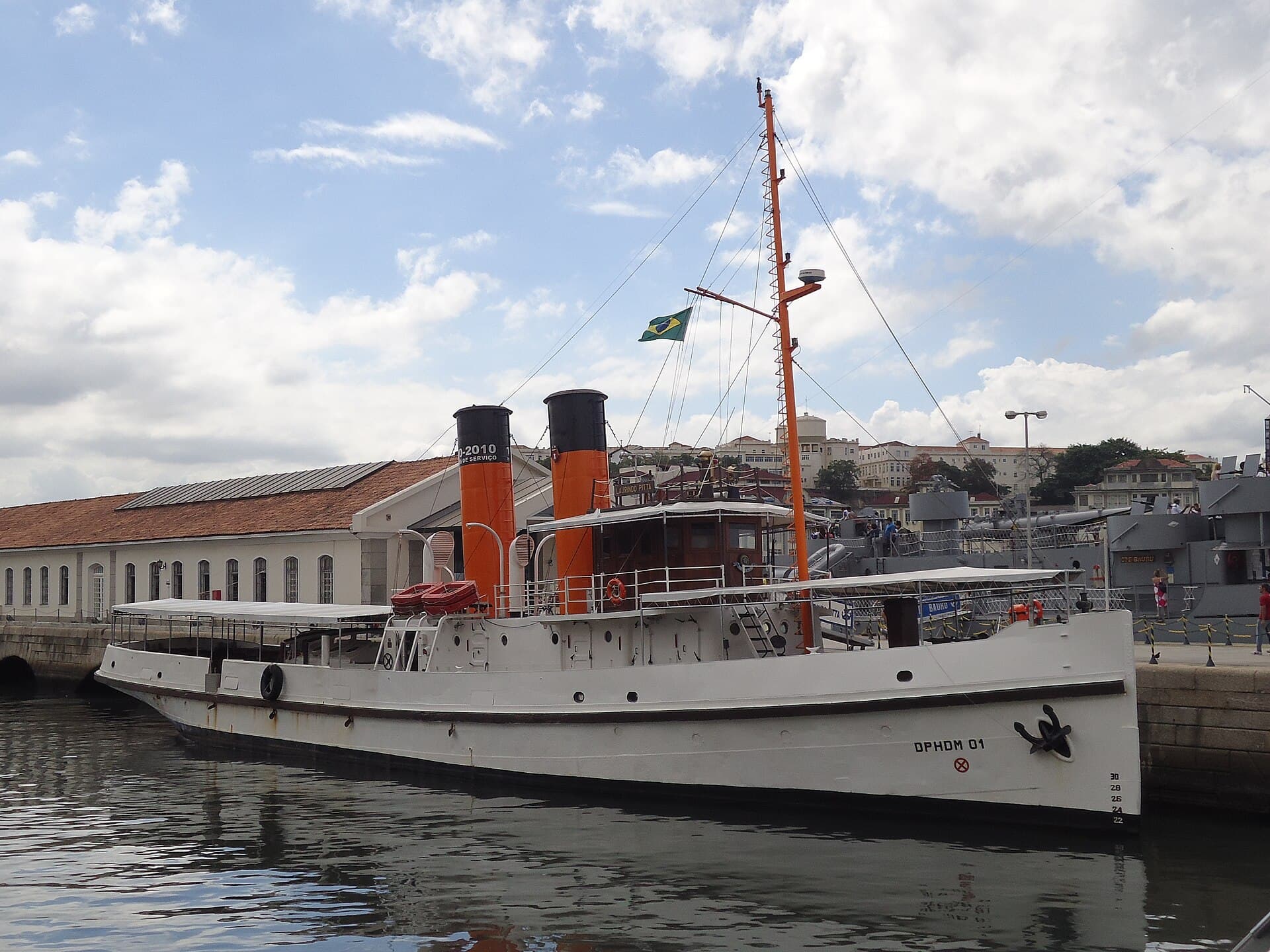 Espaço Cultural da MarinhaThe Brazilian Navy's cultural centre stands on the old customs docks in central 4 minutes walk4.9
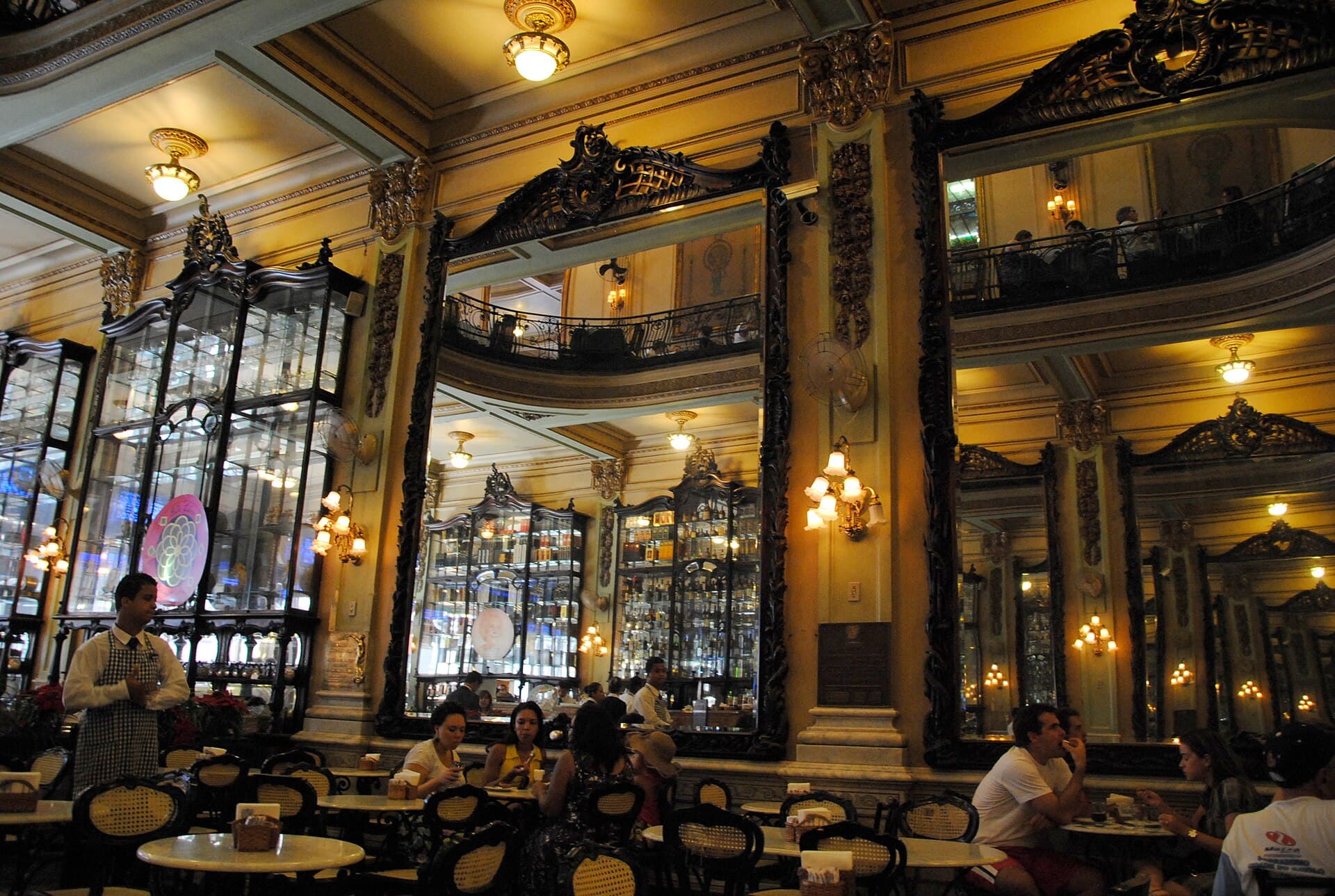 Confeitaria ColomboConfeitaria Colombo is a historic café and pastry shop in central Rio, founded b6 minutes walk4.3
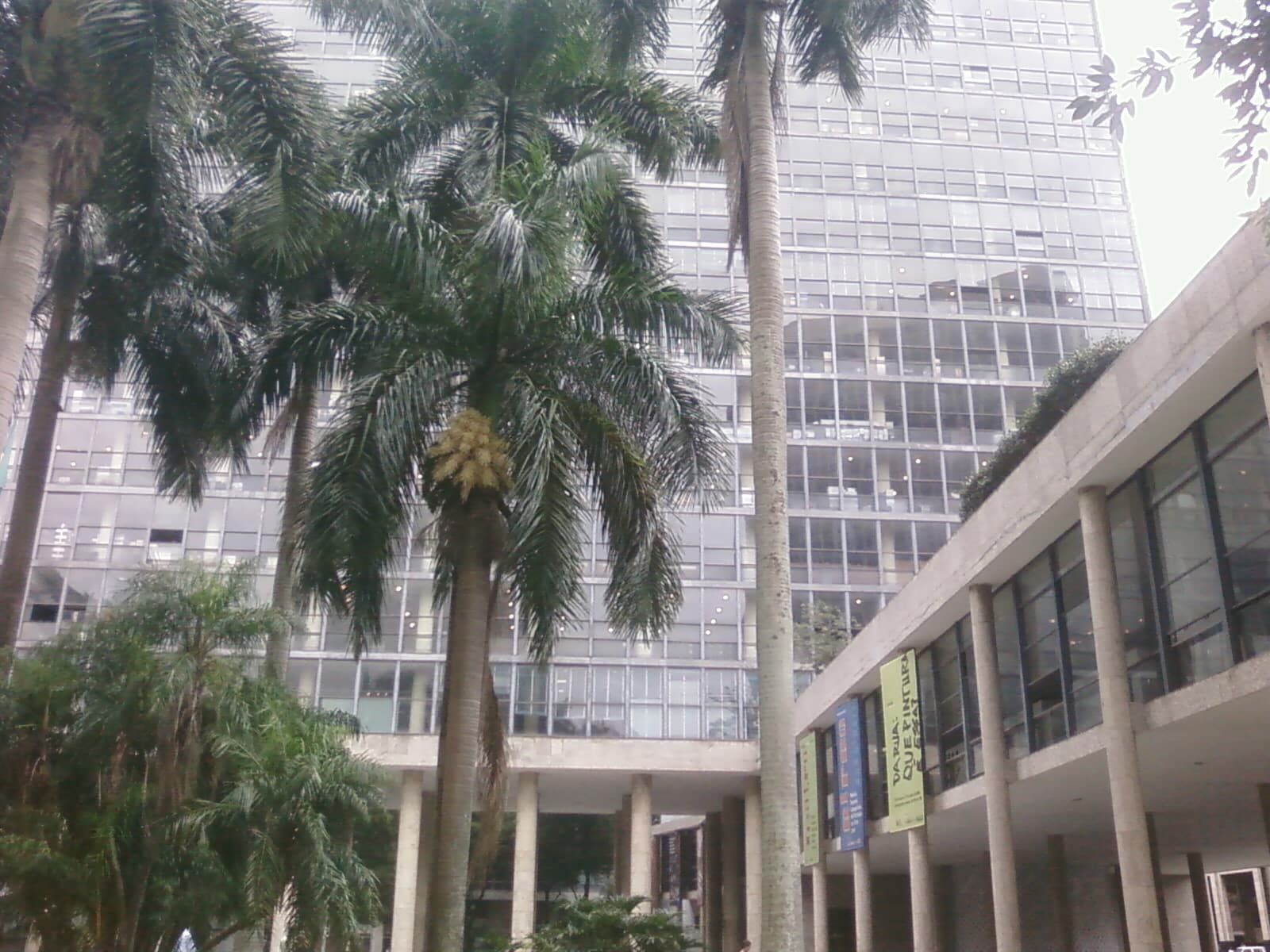 Gustavo Capanema PalaceThe Gustavo Capanema Palace, known to architects as the Ministry of Education an7 minutes walk4.4
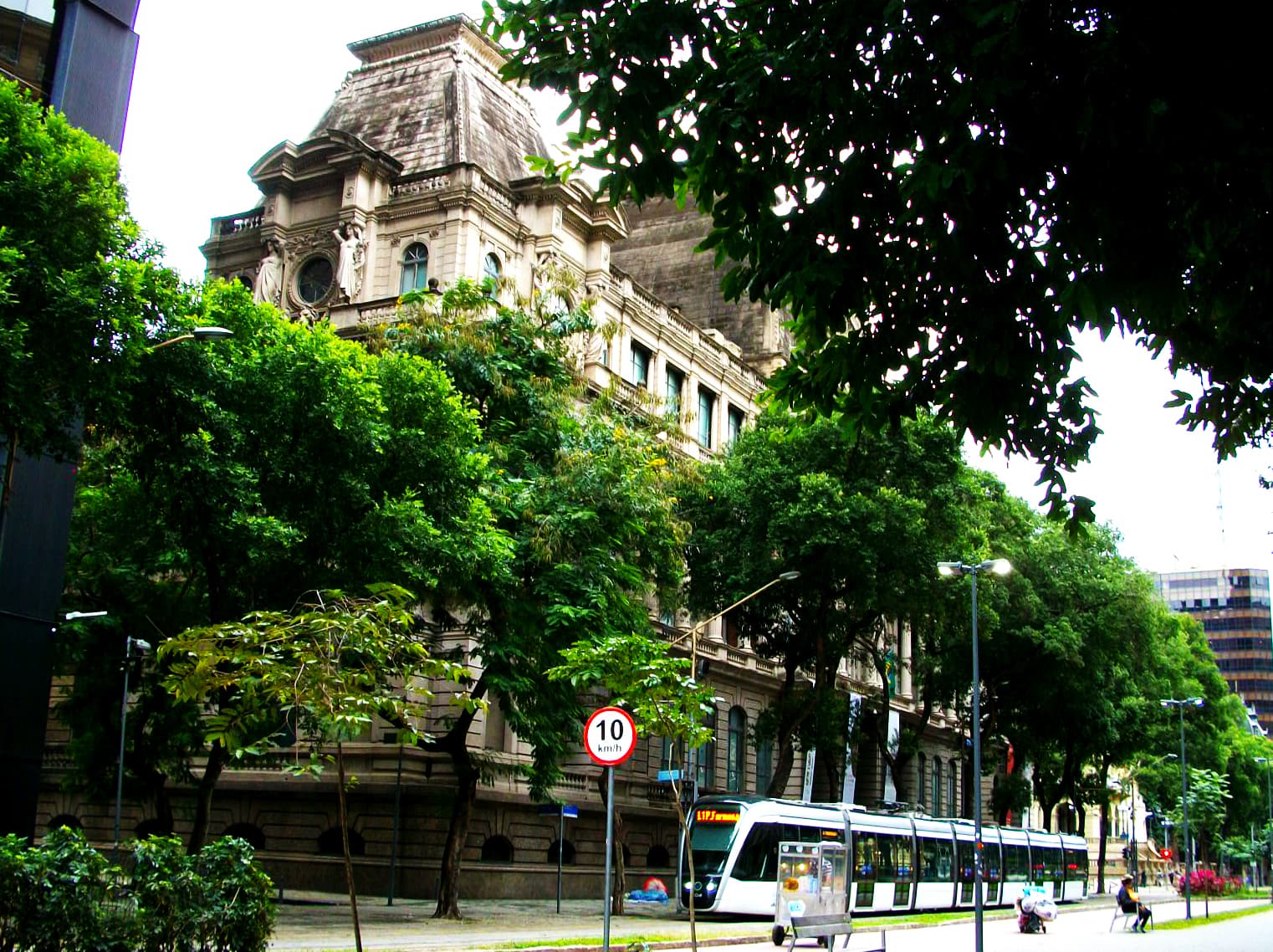 Museu Nacional de Belas ArtesThe National Museum of Fine Arts fills an eclectic-style building on Avenida Rio8 minutes walk4.8
Princess Isabel signed the «Golden Law» there on 13 May 1888, abolishing slavery in Brazil.