
The tomb frescoes
The city's graves moved wall-whole.
Knop92 — Public domain · მარიამ ლაბაძე — CC BY-SA 4.0 · მარიამ ლაბაძე — CC BY-SA 4.0 · მარიამ ლაბაძე — CC BY-SA 4.0
The Museum of Byzantine Culture is Greece's completest Byzantine narrative — and Europe's Museum Prize winner (2005) on merit: a modern brick building of founding architecture (Kyriakos Krokos), its eleven halls stepping from early Christianity to the fall and after, on a method of life, not objects: how Byzantines prayed, ate, buried, adorned. Its treasures come from the city's own graves: whole transplanted tomb frescoes, goldwork, centuries of icons, textile and coin — and the From Icon to Secularisation hall is a closing thought rare in museums. It is the explanation before the churches or after: two hours here turn Rotunda, Demetrius and Sophia from stones to a read book — and the Archaeological Museum across the street completes the before-Byzantium: the museum pair in one earnest morning.
The city's graves moved wall-whole.
Byzantine prayer, bread and adornment.
Leoforos Stratou 2, 54640 Thessaloniki
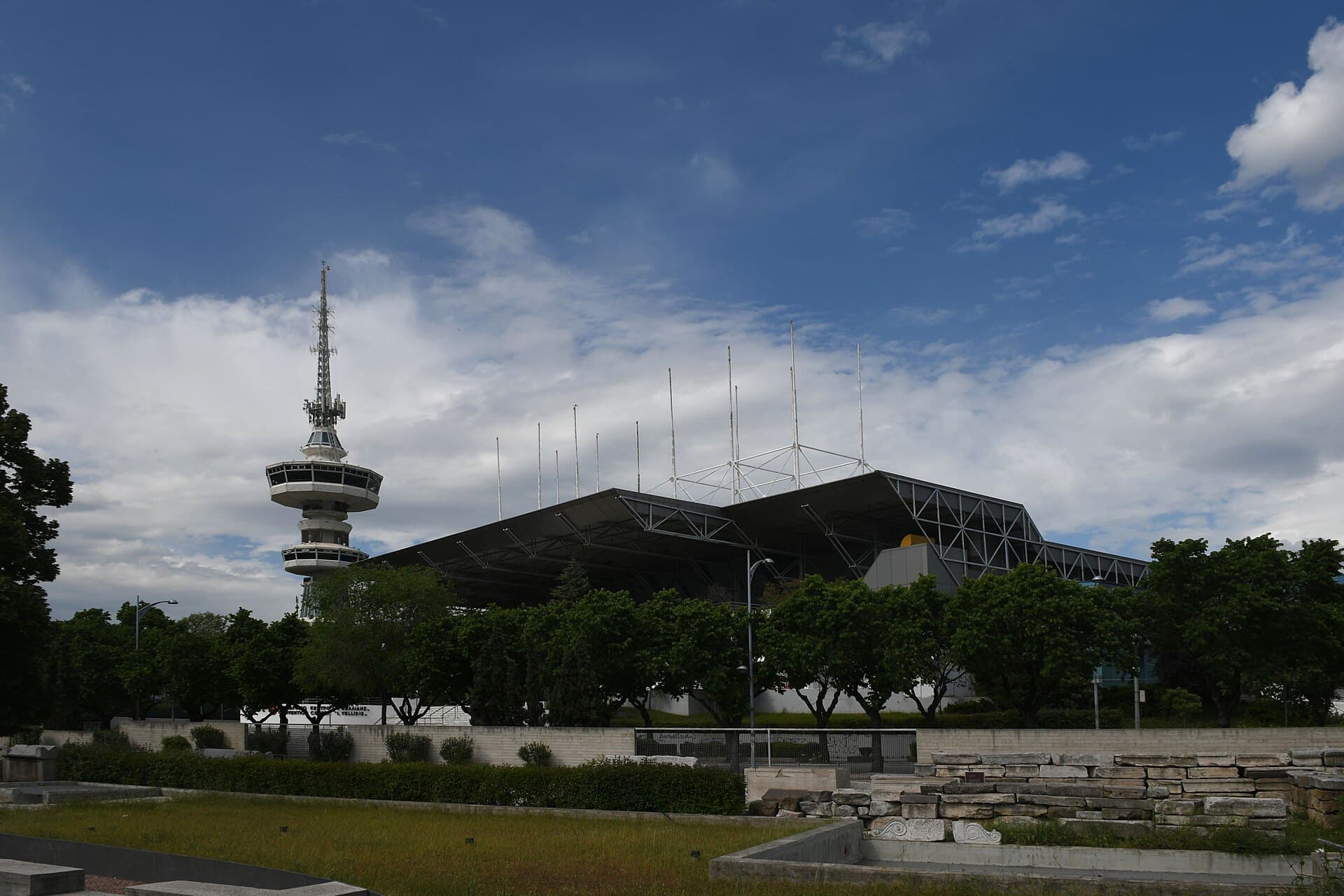 The Archaeological Museum of ThessalonikiThe Archaeological Museum is old Macedonia's vault: the kingdom of Philip and Al3 minutes walk4.8
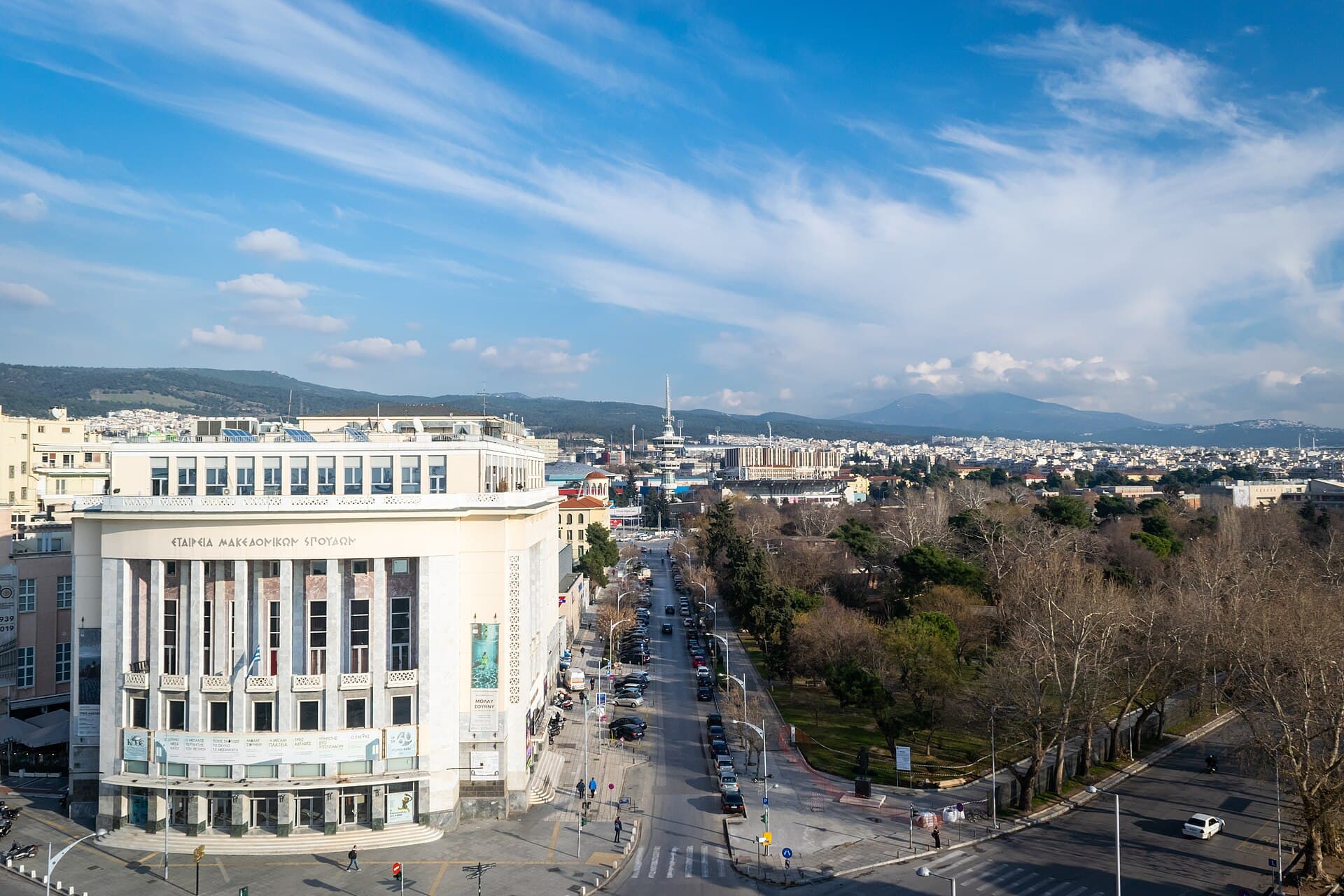 OTE TowerA slender concrete tower rising about **seventy-seven metres** inside the Thessa3 minutes walk4.8
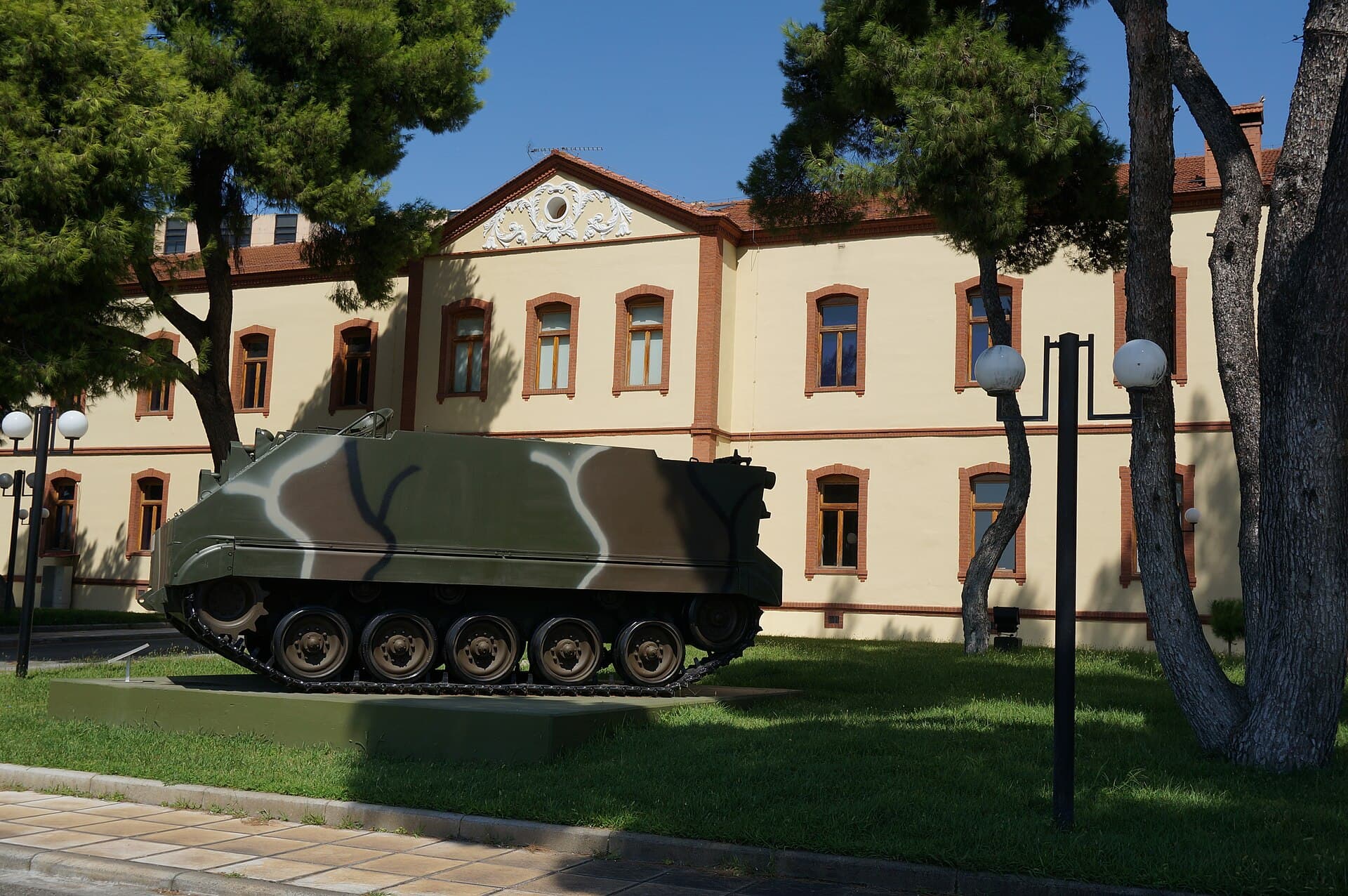 The War Museum of ThessalonikiThe Thessaloniki branch of the Greek War Museum, occupying a late nineteenth-cen5 minutes walk4.8
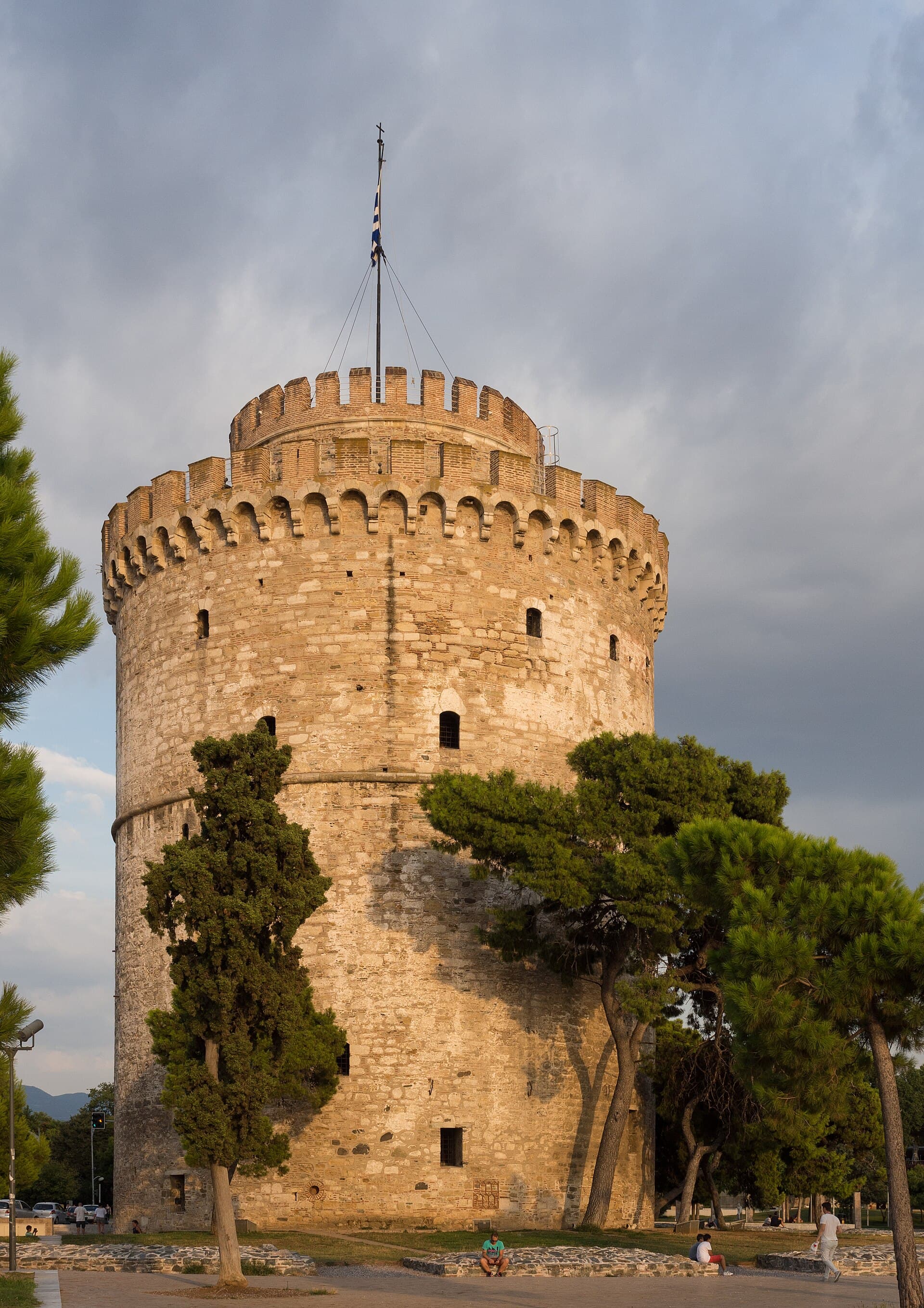 The White TowerThe White Tower is Thessaloniki abbreviated into a symbol: an Ottoman drum (15th8 minutes walk4.6
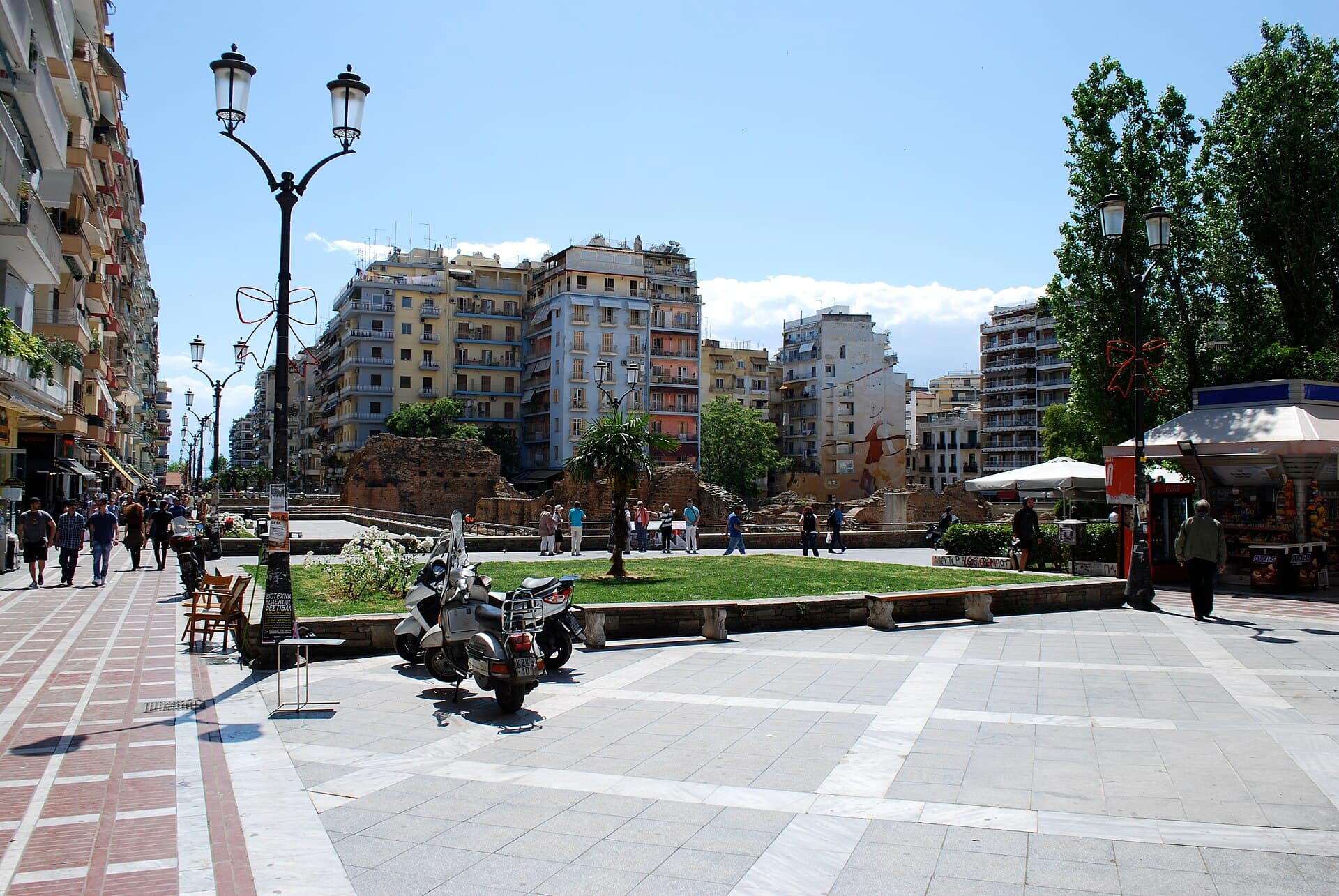 Navarino SquareA square in central Thessaloniki where the remains of the palace of the emperor 12 minutes walk4.4
The two-eras question: the Archaeological for Macedonia's gold and Derveni (pre-Byzantium), the Byzantine for the soul of the city you actually walk — Byzantine Thessaloniki's visitor profits more here; the old-gold seeker there. Truly: they adjoin, and the combo deletes the question in one morning.