
The roof terrace
Gulf, city and the gods' mountain in full round.
Hermann Hammer — CC BY-SA 4.0 · Holger Uwe Schmitt — CC BY-SA 4.0 · Holger Uwe Schmitt — CC BY-SA 4.0 · Holger Uwe Schmitt — CC BY-SA 4.0
The White Tower is Thessaloniki abbreviated into a symbol: an Ottoman drum (15th century on a Byzantine wall's stump) that guarded the port, imprisoned and executed until it earned the name Tower of Blood — so when Greece retook the city (1912) it was whitewashed in symbolic cleansing; the new name stayed and the whiteness went. Today it is the city's vertical museum: six round floors climbed in a spiral, each a chapter of Thessaloniki's story (Rome, Byzantium, the Ottomans, the Great Fire of 1917, the modern city) in screens and objects — and the summit is the roof terrace: the whole Thermaic gulf, the city climbing its hills, and Olympus, mountain of the gods, opposite on clear days. It is point zero of every walk: from it the old promenade runs west to the port, the new east to the Umbrellas — and evening's base: the tower lit, the cafés around it the city's liveliest corner.
Gulf, city and the gods' mountain in full round.
The city's story spiralling Rome to modernity.
Seafront, 54621 Thessaloniki
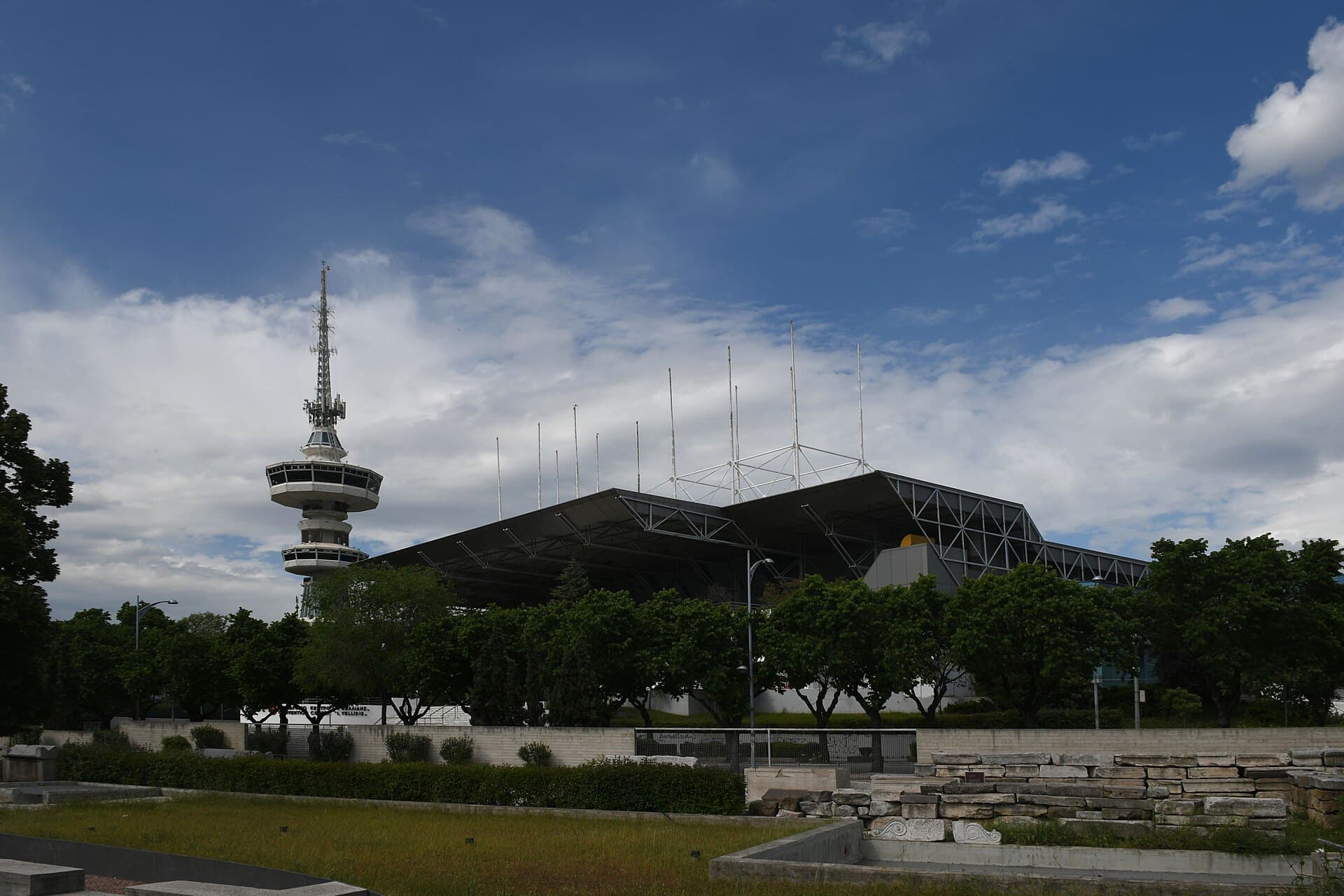 The Archaeological Museum of ThessalonikiThe Archaeological Museum is old Macedonia's vault: the kingdom of Philip and Al6 minutes walk4.8
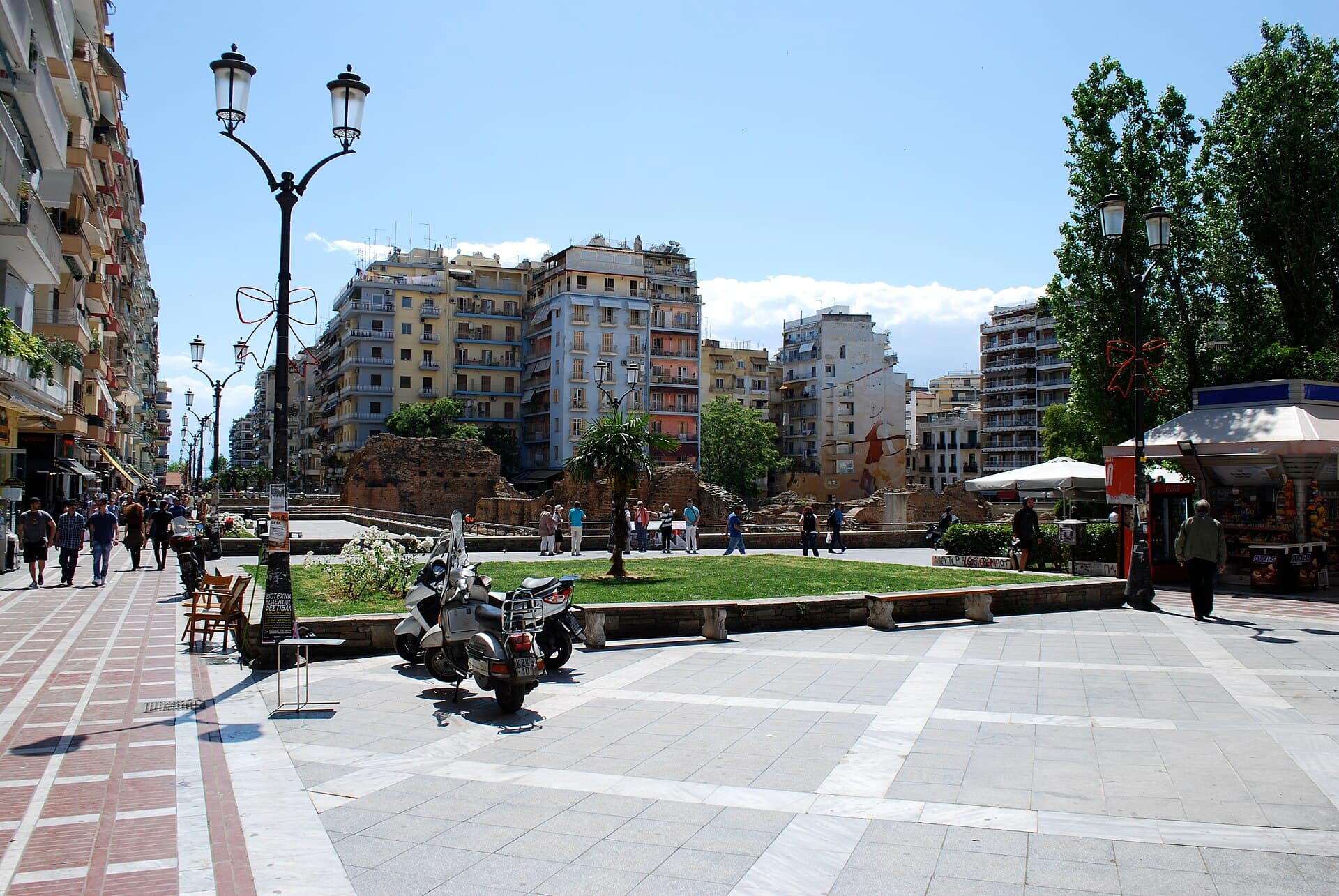 Navarino SquareA square in central Thessaloniki where the remains of the palace of the emperor 6 minutes walk4.4
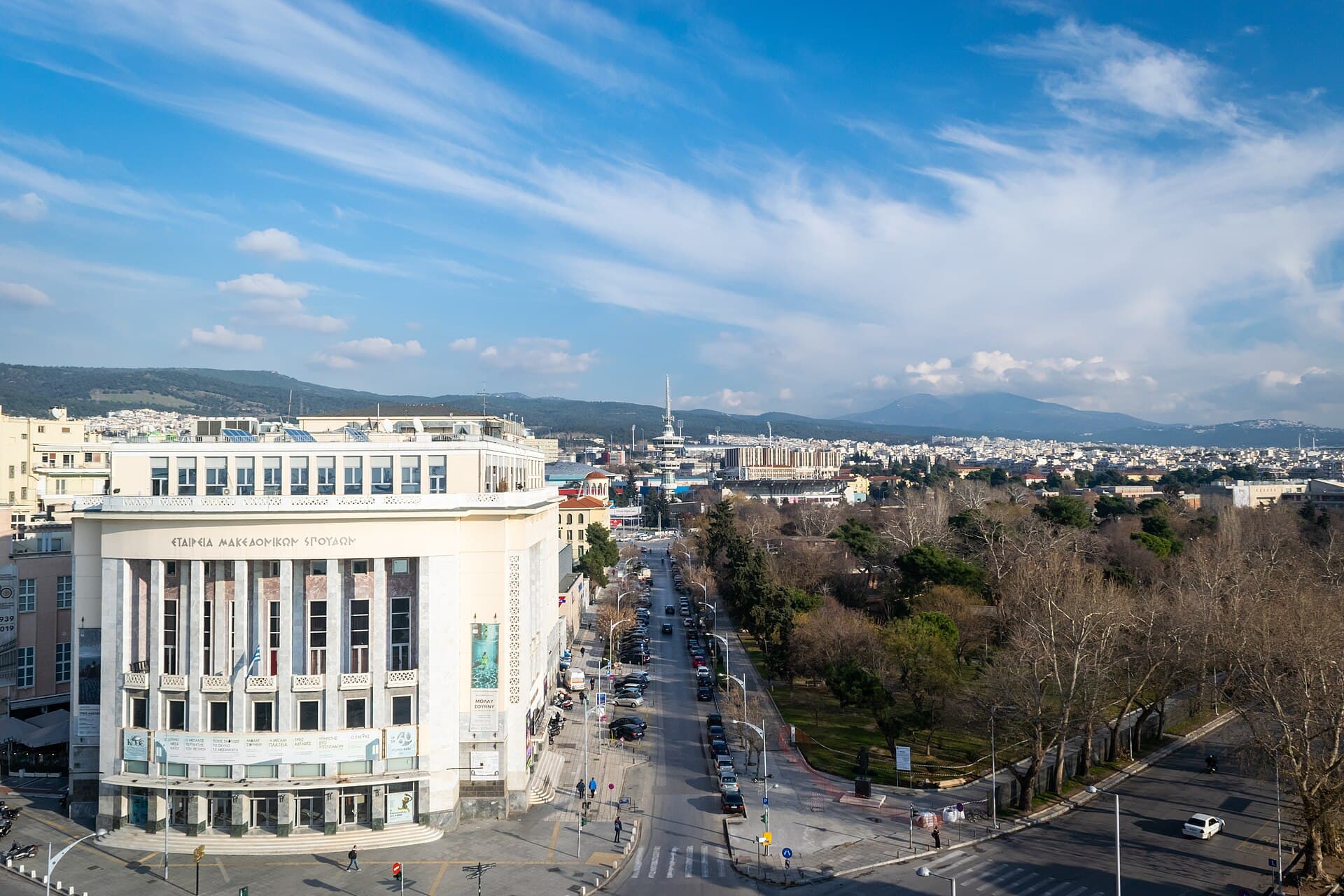 OTE TowerA slender concrete tower rising about **seventy-seven metres** inside the Thessa7 minutes walk4.8
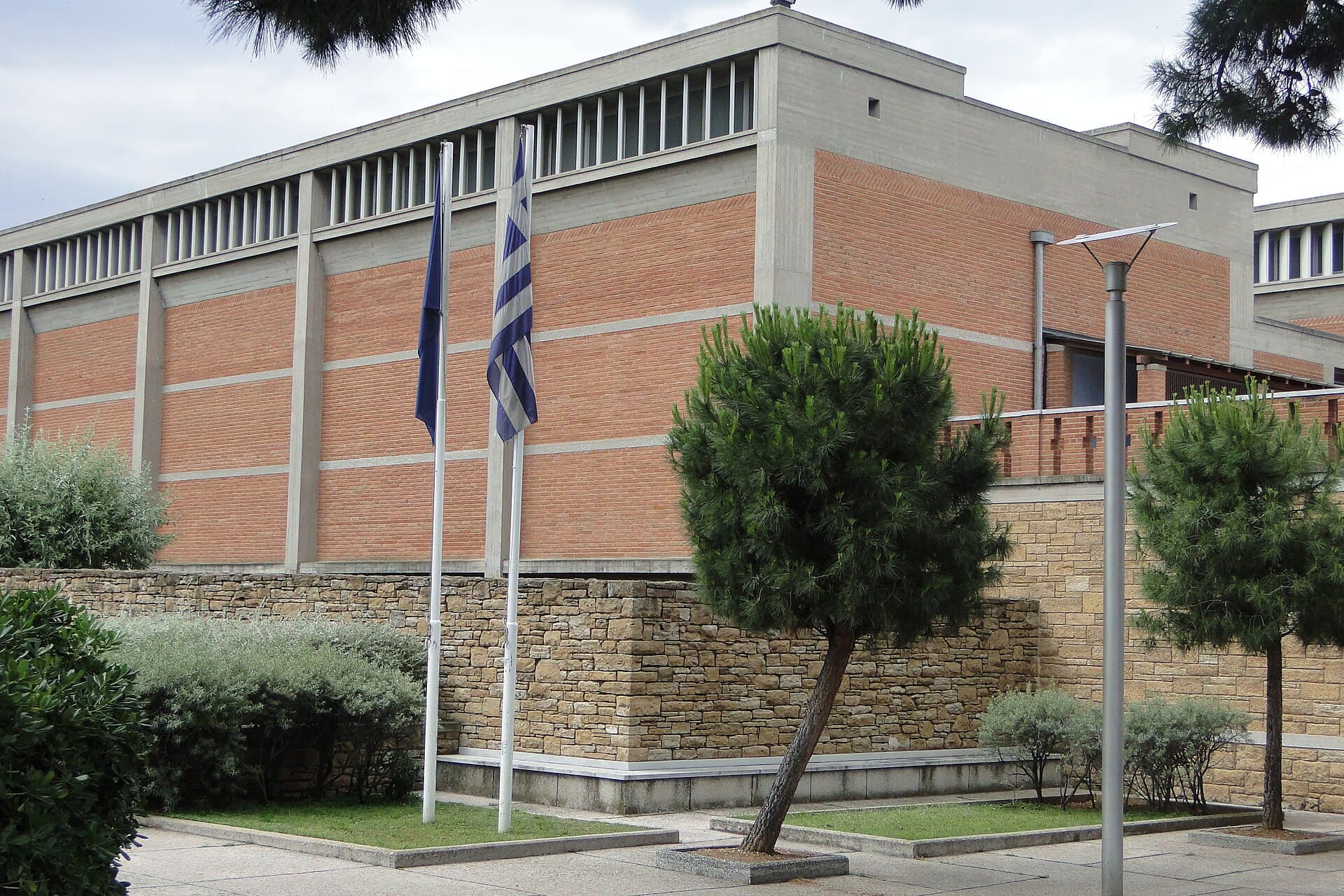 The Museum of Byzantine CultureThe Museum of Byzantine Culture is Greece's completest Byzantine narrative — and8 minutes walk4.5
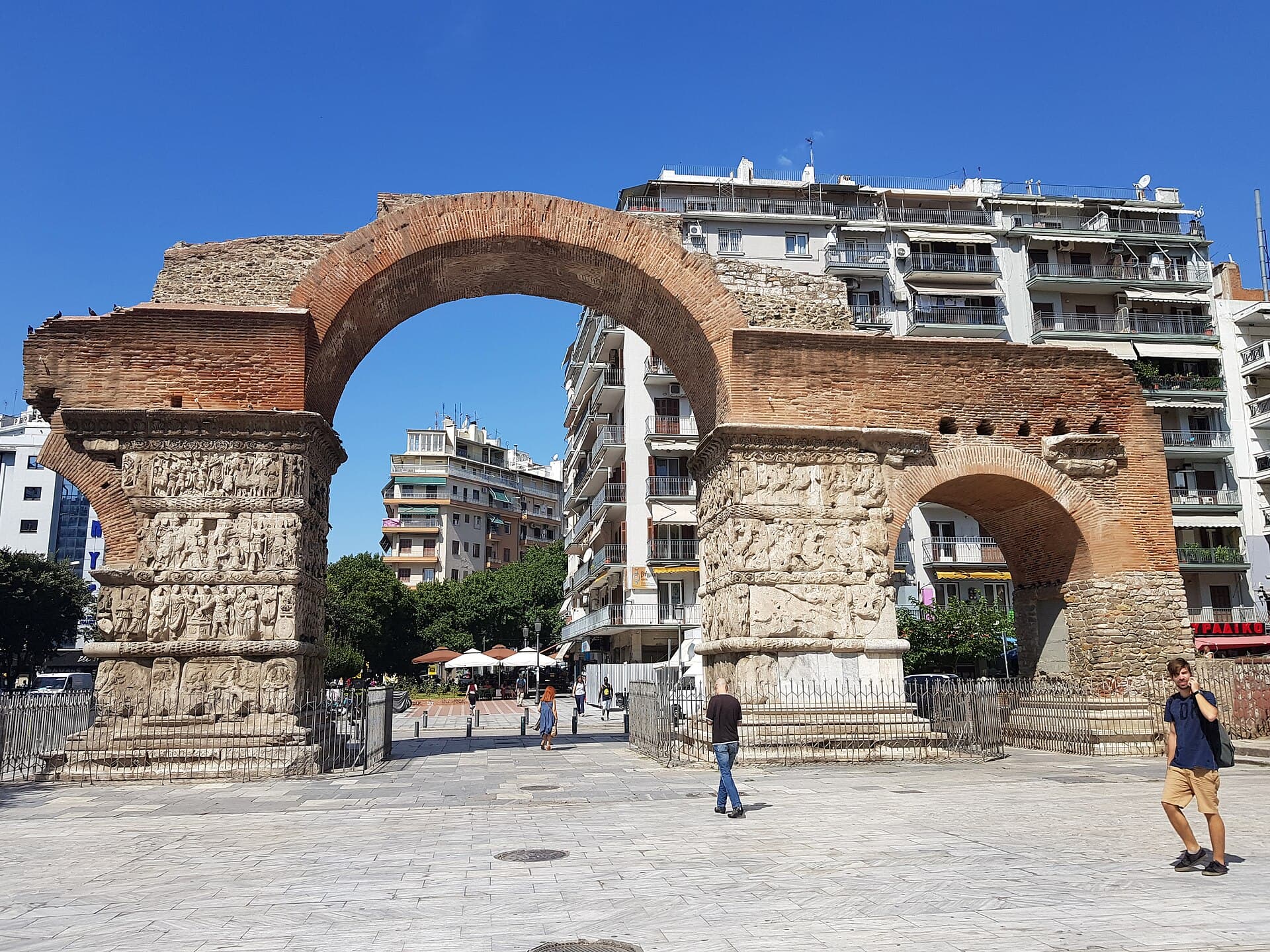 The Arch of Galerius & RotundaArch and Rotunda are the remains of a whole imperial quarter: Emperor Galerius m9 minutes walk4.6
The second capital with the opposite temperament: more Byzantine-Ottoman than classical, Greece's most famous food, a promenade-and-café rhythm without Athens' tourist density — and its closeness to Meteora, Olympus and Halkidiki's beaches makes it the complete northern base. For Greece's second-time visitor: the surprise.