
The Salonika front
Three years of Balkan fighting that few people know about.
G.Garitan — CC BY-SA 4.0 · Vivestia — CC BY-SA 4.0 · Joyofmuseums — CC BY-SA 4.0 · Joyofmuseums — CC BY-SA 4.0
The Thessaloniki branch of the Greek War Museum, occupying a late nineteenth-century Ottoman barracks east of the city centre. The museum concentrates on what belongs to northern Greece specifically: the Macedonian Struggle of the early twentieth century, the Balkan Wars, the Salonika front in the First World War, and the resistance to occupation in the Second. The Salonika front is the least known and the most interesting. In 1915 the Allies landed troops at Thessaloniki and opened a Balkan front that lasted three years, gathering French, British, Serbian, Russian and Italian soldiers along with colonial troops. The city lived for years as a huge international camp, and the fire of 1917 broke out during it. The display holds weapons, uniforms, documents, photographs and vehicles in the outer yard, labelled in Greek and English. Specialised but well arranged and cheap to enter.
Three years of Balkan fighting that few people know about.
The city lived for years with soldiers from Europe and the colonies.
The display concerns Macedonia and northern Greece, not war in general.
A former army barracks, east of the centre
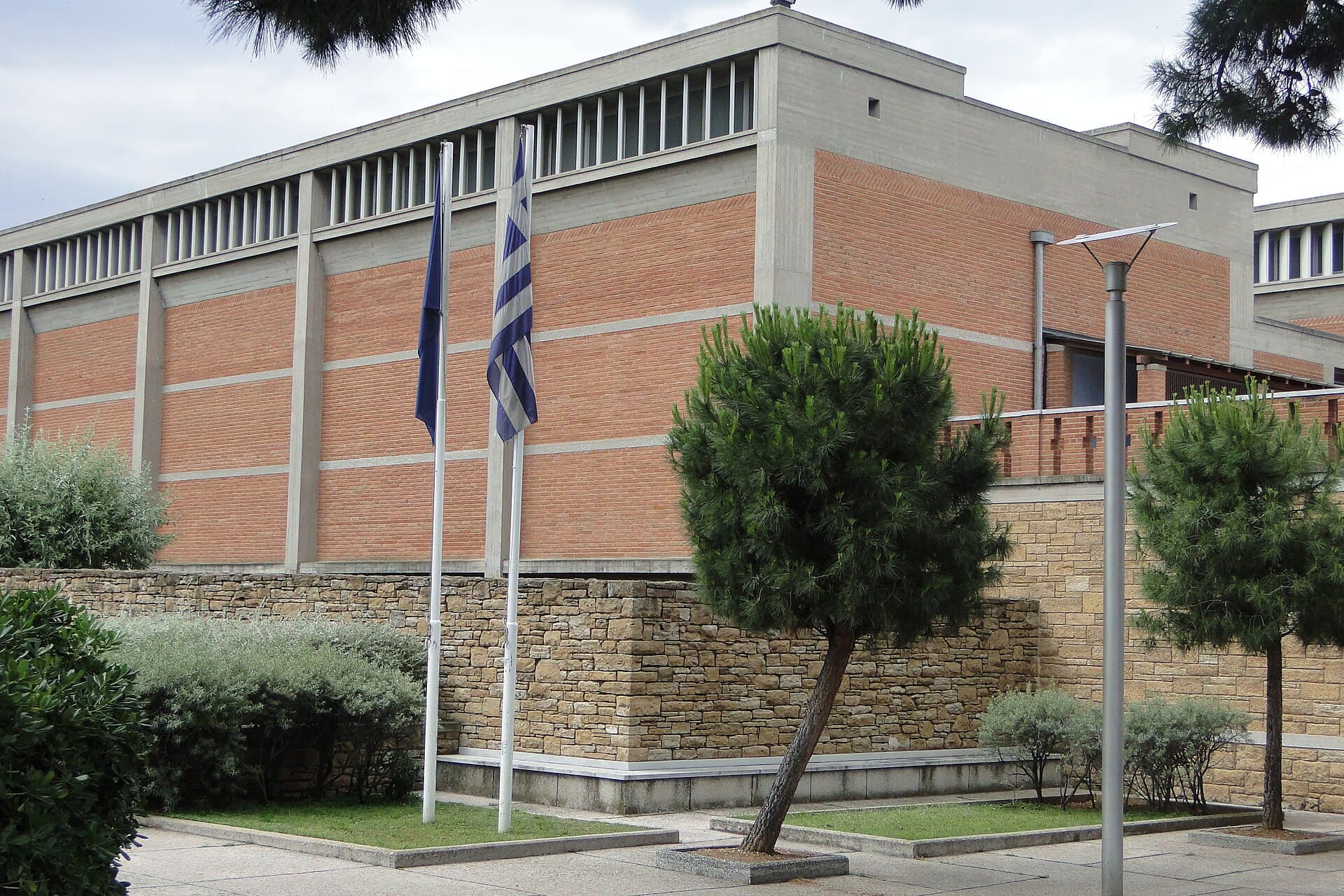 The Museum of Byzantine CultureThe Museum of Byzantine Culture is Greece's completest Byzantine narrative — and5 minutes walk4.5
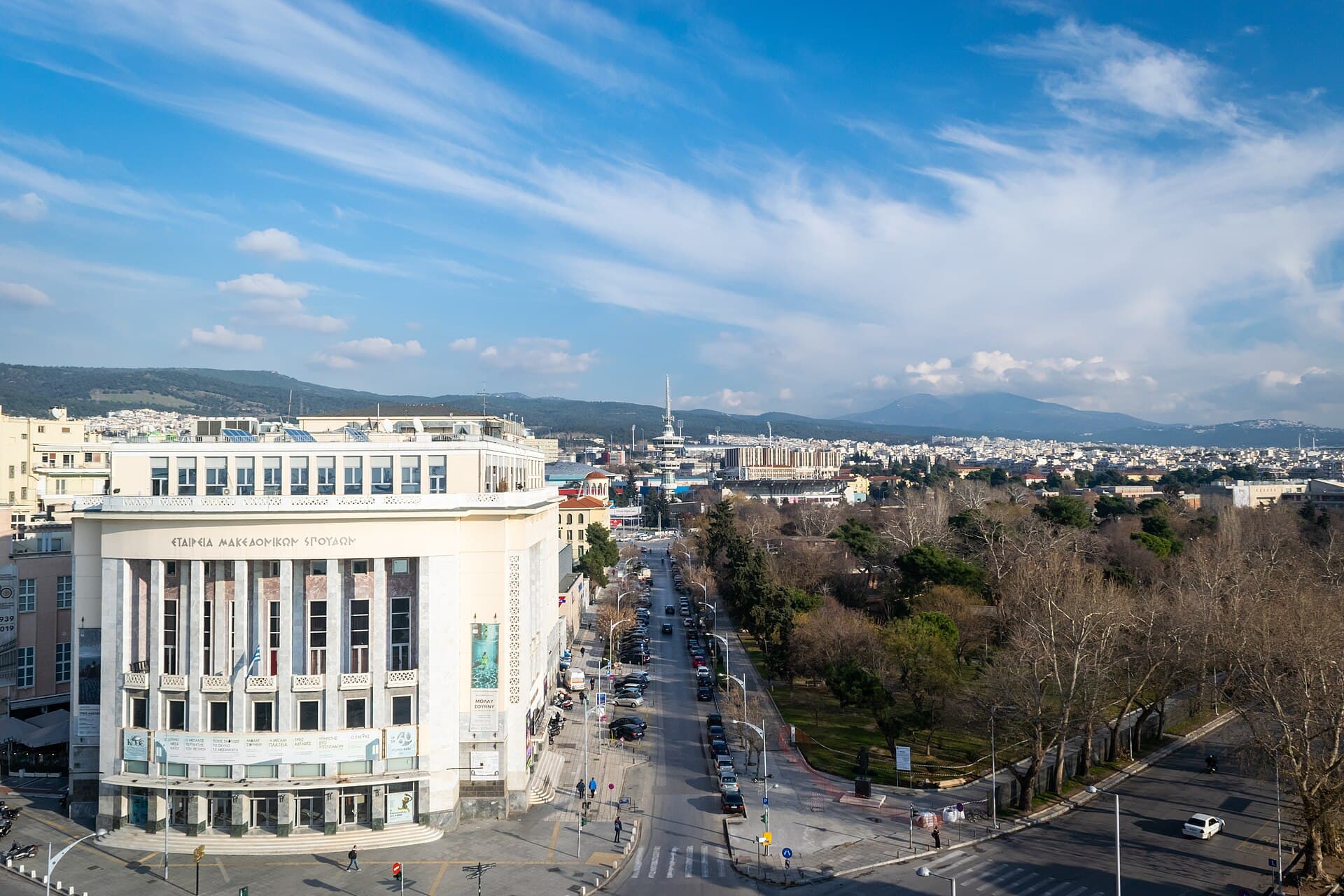 OTE TowerA slender concrete tower rising about **seventy-seven metres** inside the Thessa6 minutes walk4.8
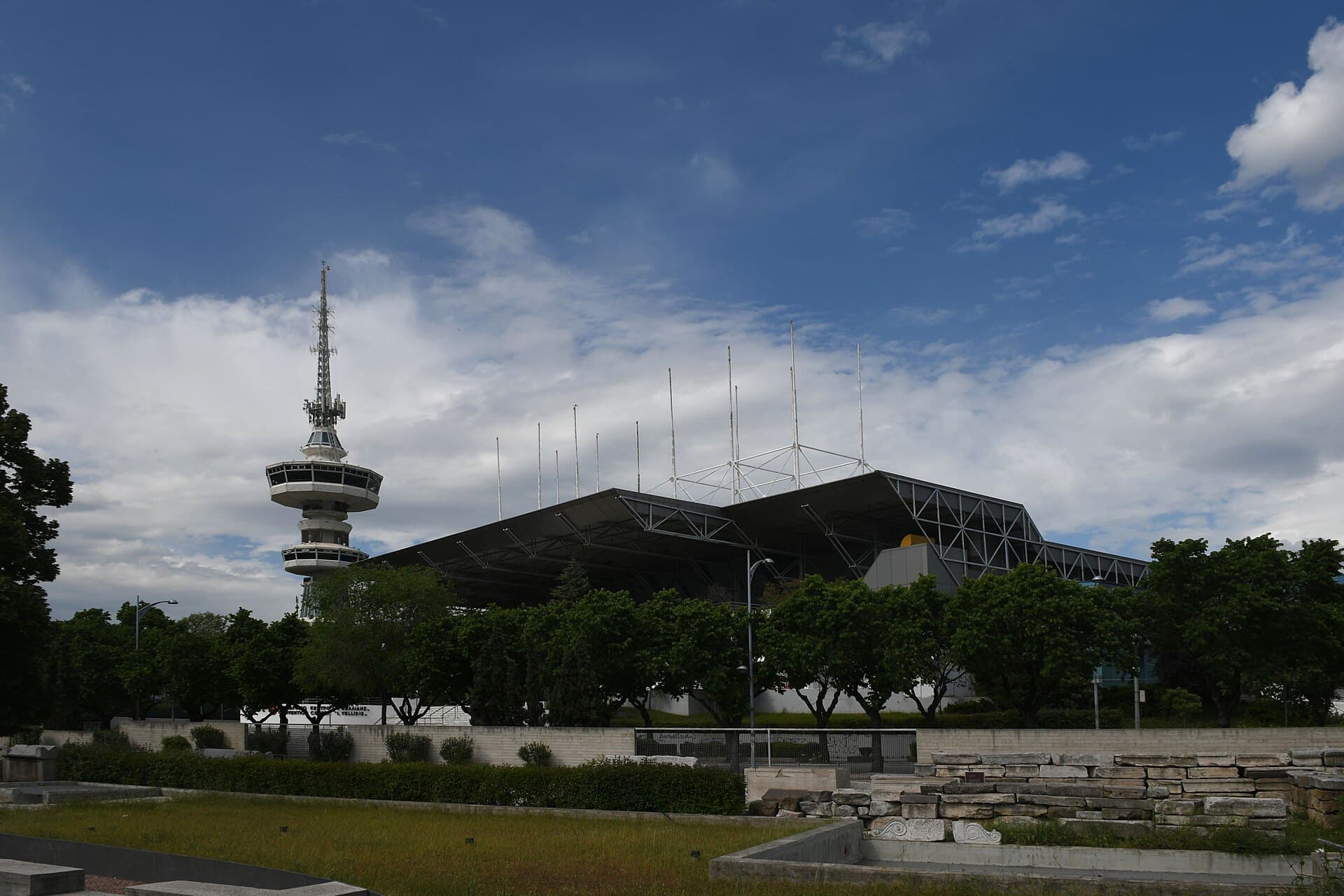 The Archaeological Museum of ThessalonikiThe Archaeological Museum is old Macedonia's vault: the kingdom of Philip and Al6 minutes walk4.8
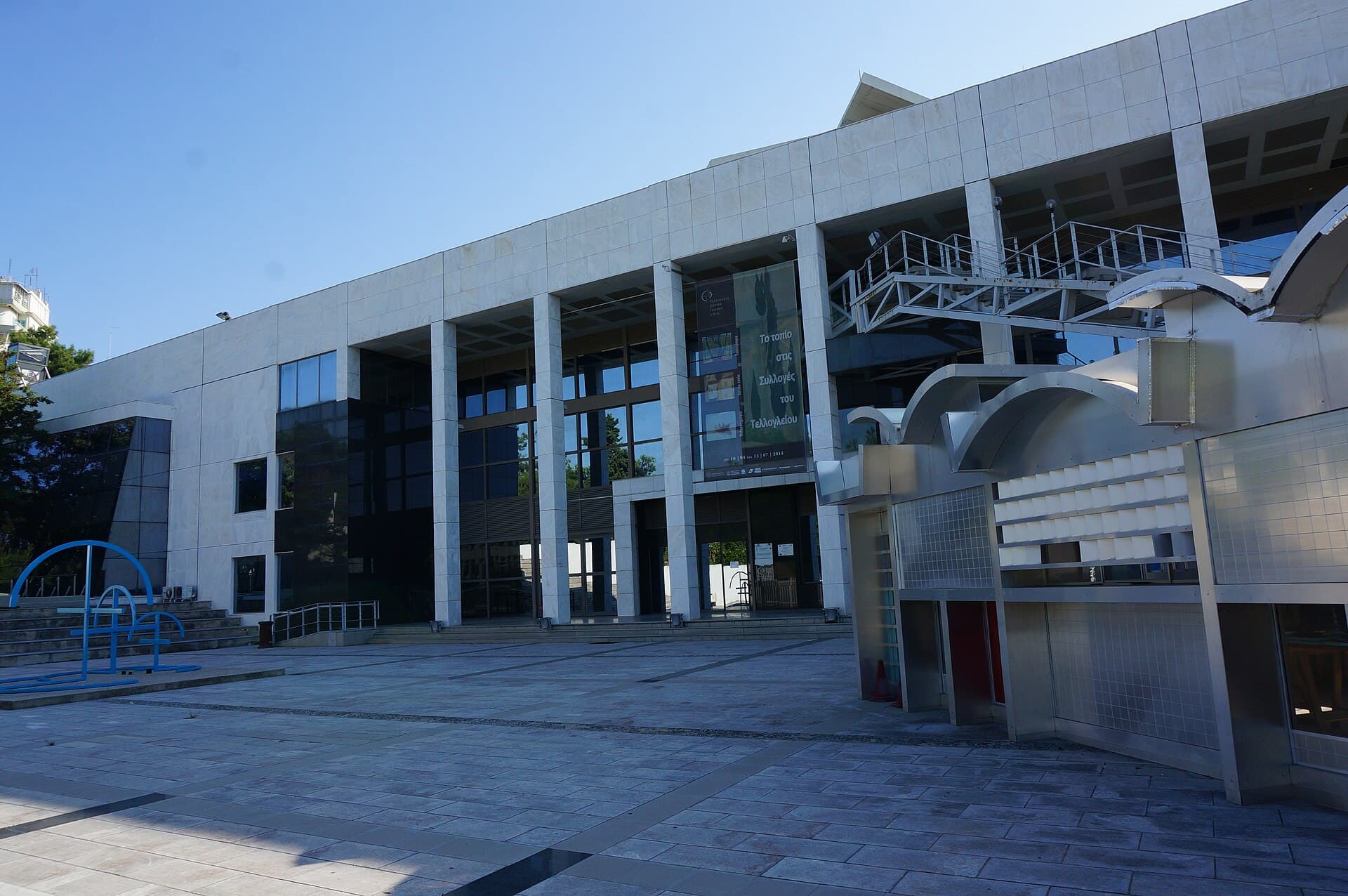 The Teloglion Foundation of ArtA museum and arts centre on the Aristotle University campus in Thessaloniki, est11 minutes walk4.7
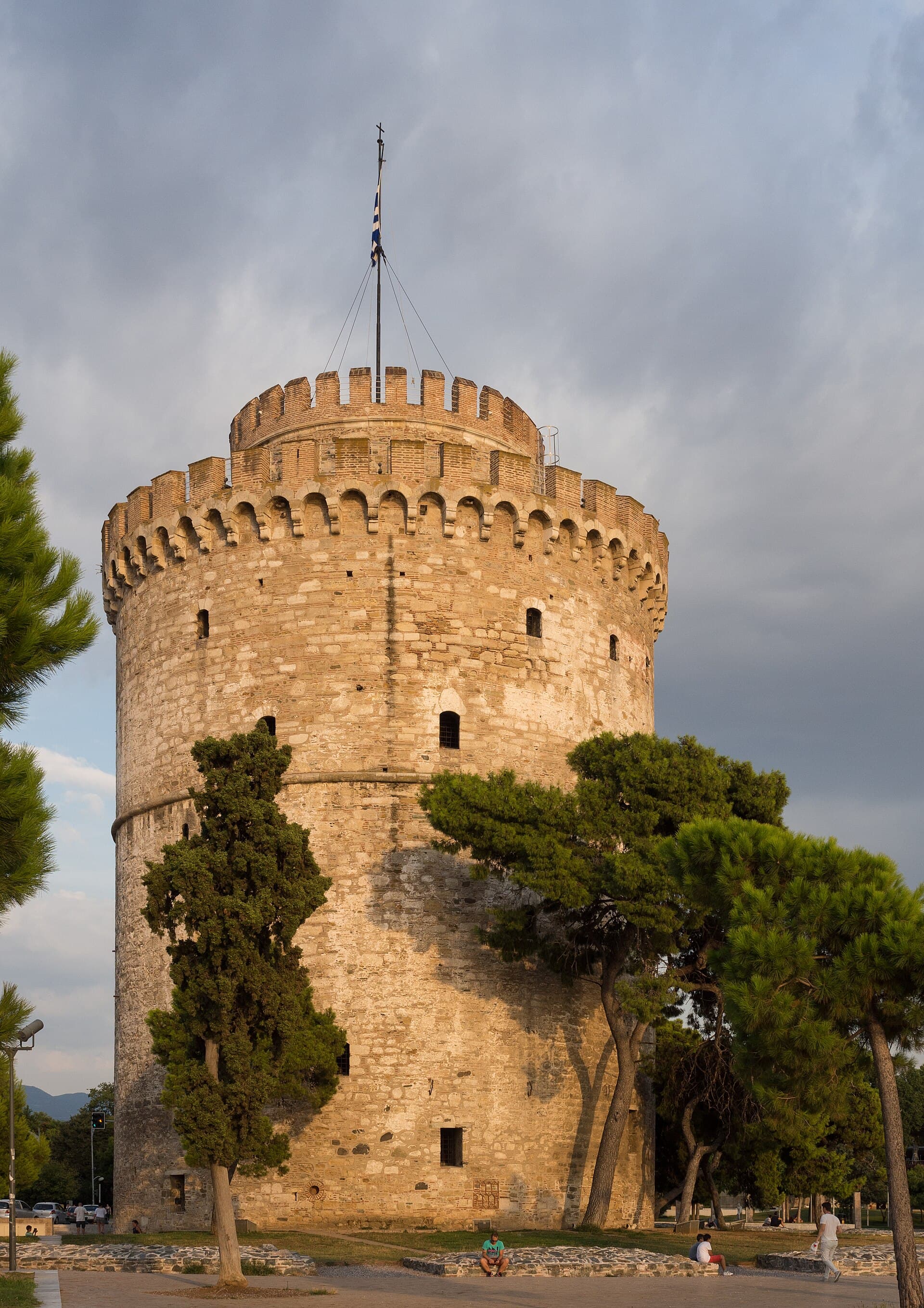 The White TowerThe White Tower is Thessaloniki abbreviated into a symbol: an Ottoman drum (15th12 minutes walk4.6
A front opened by the Allies in the Balkans in 1915 by landing troops at Thessaloniki, intended to support Serbia and cut the lines of the Ottoman Empire and its allies. It froze for years in hard mountain trench warfare, its soldiers mockingly nicknamed the Gardeners of Salonika. From it in 1918 came a large offensive that knocked Bulgaria out of the war and contributed to the collapse of the Central Powers. Thousands of soldiers are buried in war cemeteries that still stand around the city.
Yes. The Allied war cemeteries around Thessaloniki are still maintained, the largest being the British cemetery at Zeitenlik, which also holds French, Serbian, Italian and Russian sections — a quiet and affecting place worth visiting. And many of the surviving photographs of the old city were taken by military photographers in those years, forming the most important visual record of Thessaloniki before the 1917 fire.