
Clandestine publications
Opposition printing under censorship, from the nineteenth century to the 1980s.
Qkiel — CC BY-SA 4.0 · Qkiel — CC BY-SA 4.0 · Qkiel — CC BY-SA 4.0 · Qkiel — CC BY-SA 4.0
A museum of the Polish struggle for independence, in the baroque Przebendowski Palace of the eighteenth century in central Warsaw. The building has a story of its own: built in 1728, it survived the war's destruction, then in the communist period served as the Museum of the History of the Polish Revolutionary Movement — an official version of history that served the regime. After 1989 the museum was entirely changed and redefined around independence, and the distance between the two versions is itself part of the story. The collection covers the nineteenth and twentieth centuries: the uprisings against Russia, the exiles to Siberia, the political movements, independence in 1918, then resistance under occupation, then opposition under communist rule and Solidarity. Among its most important holdings are posters, clandestine publications, decorations and documents. The museum has branches, among them the Pawiak Prison Museum — check which branch you mean to visit.
Opposition printing under censorship, from the nineteenth century to the 1980s.
The communist version then what followed — the gap is part of the story.
The Pawiak Nazi prison museum belongs to it, and is an entirely separate site.
The Przebendowski Palace, Solidarności Avenue, central Warsaw
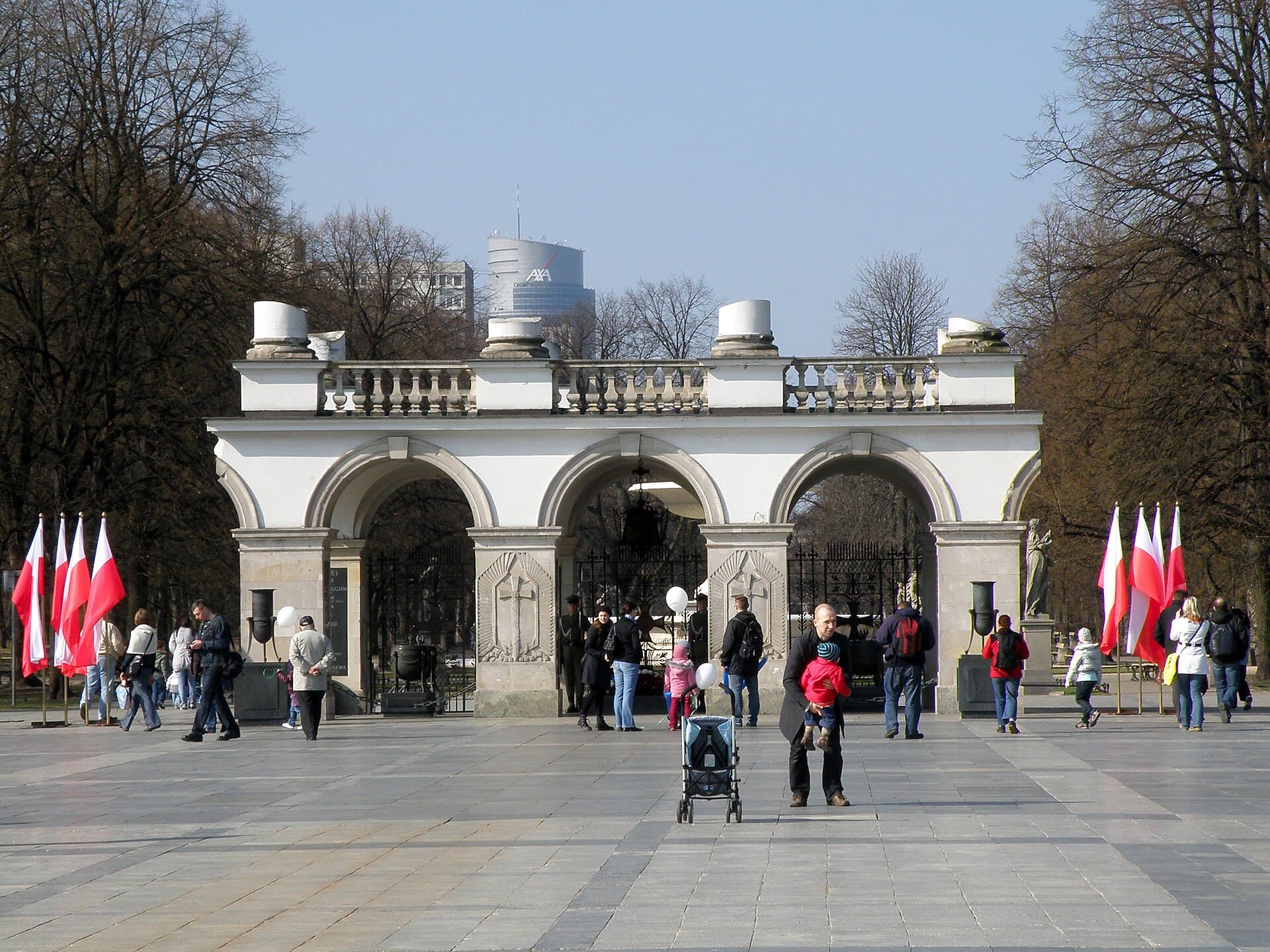 The Tomb of the Unknown Soldier & Saxon GardenThe Tomb of the Unknown Soldier is Warsaw's deliberately kept wound: three arcad9 minutes walk4.7
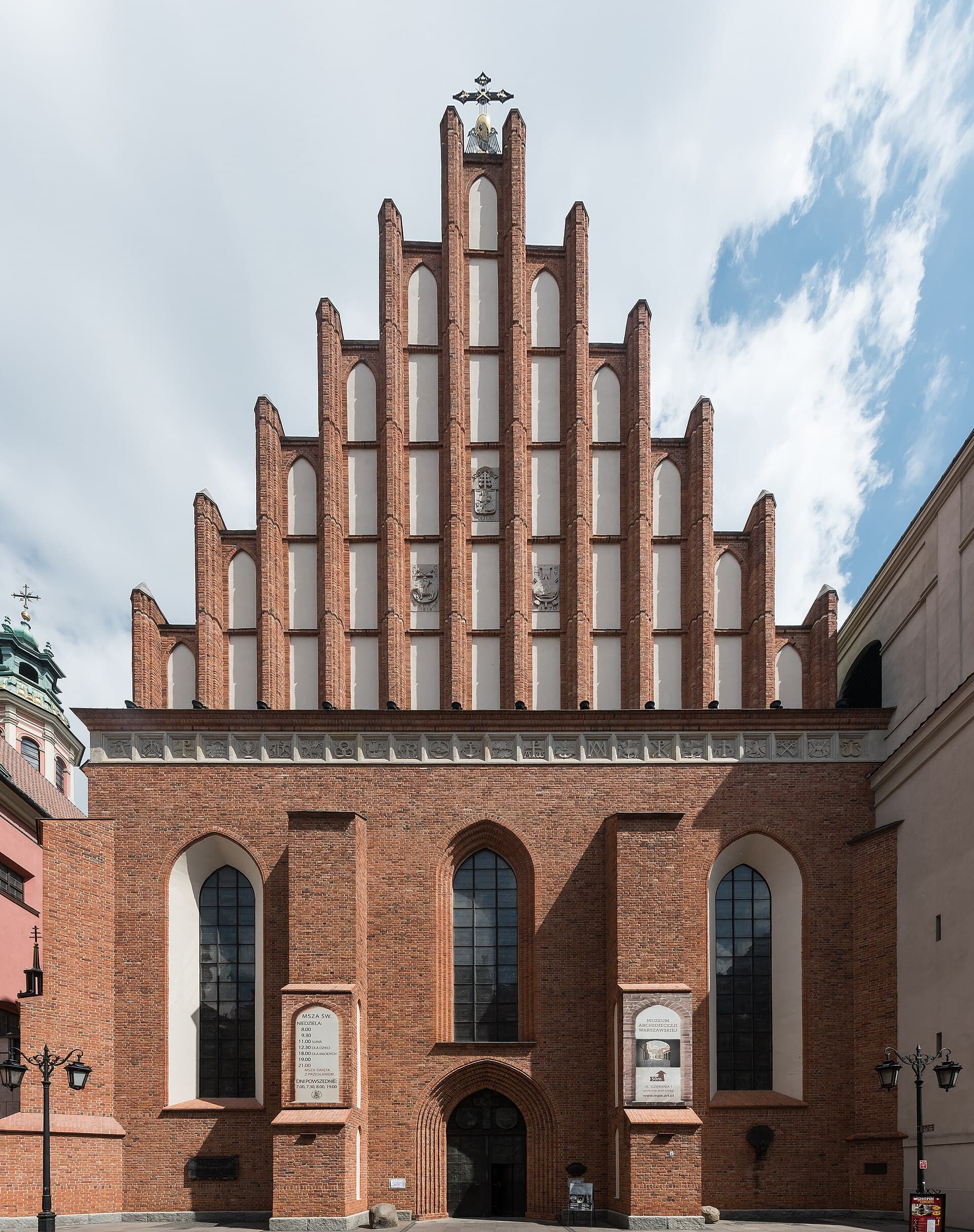 St John's ArchcathedralThe oldest church in Warsaw, dating from the fourteenth century, the city's prin9 minutes walk4.6
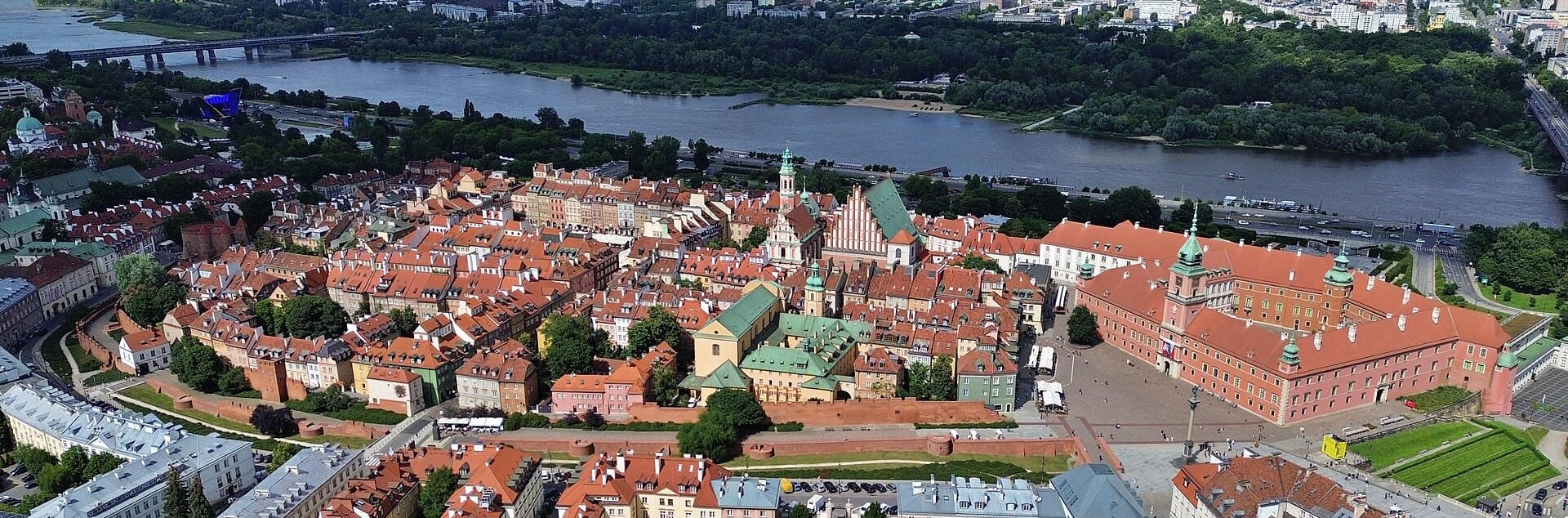 Warsaw Old TownWarsaw's Old Town is history's greatest urban resurrection: the Nazis demolished9 minutes walk
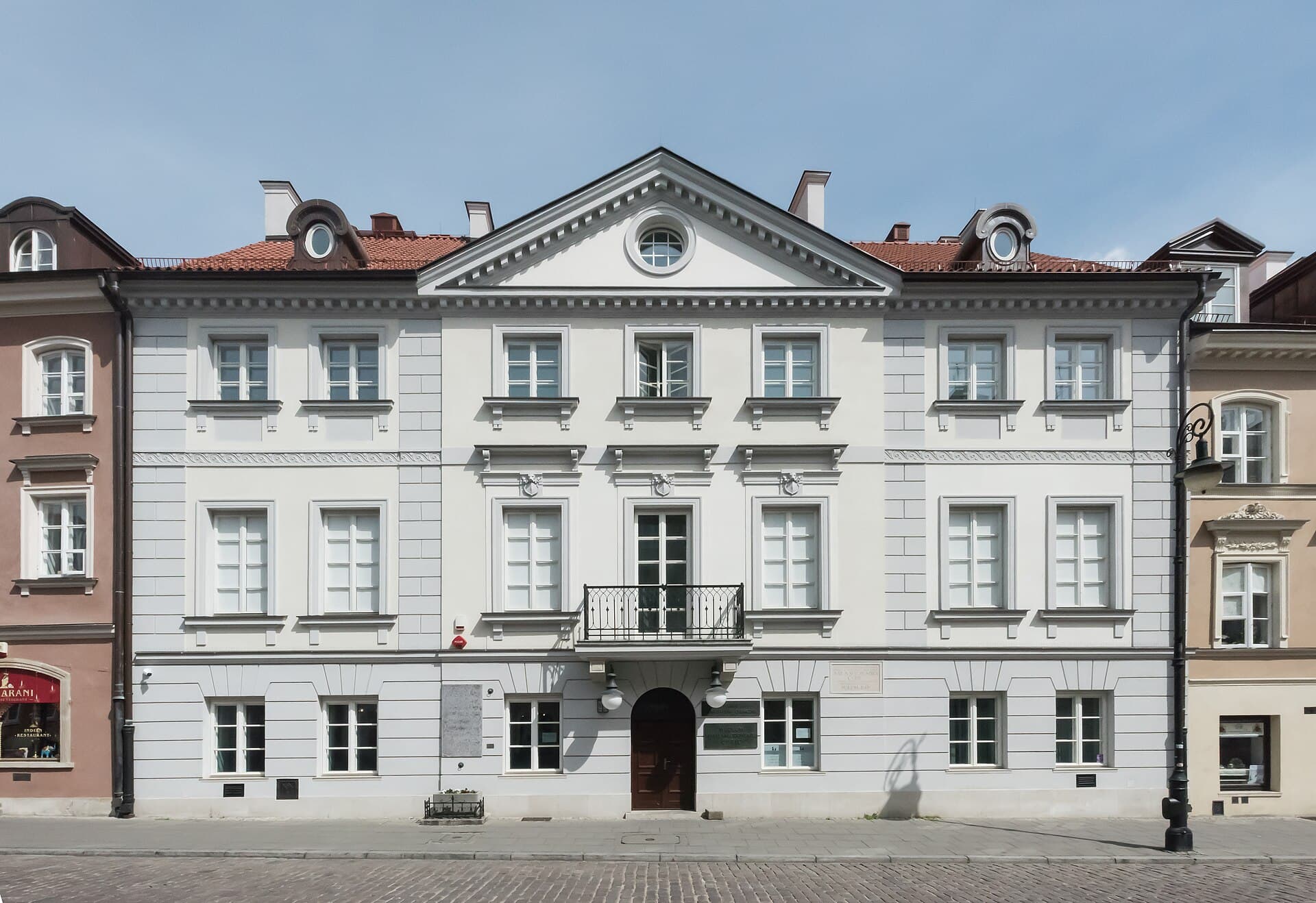 Maria Skłodowska-Curie MuseumA house in the New Town where Maria Skłodowska was born in 1867, known worldwide9 minutes walk4.4
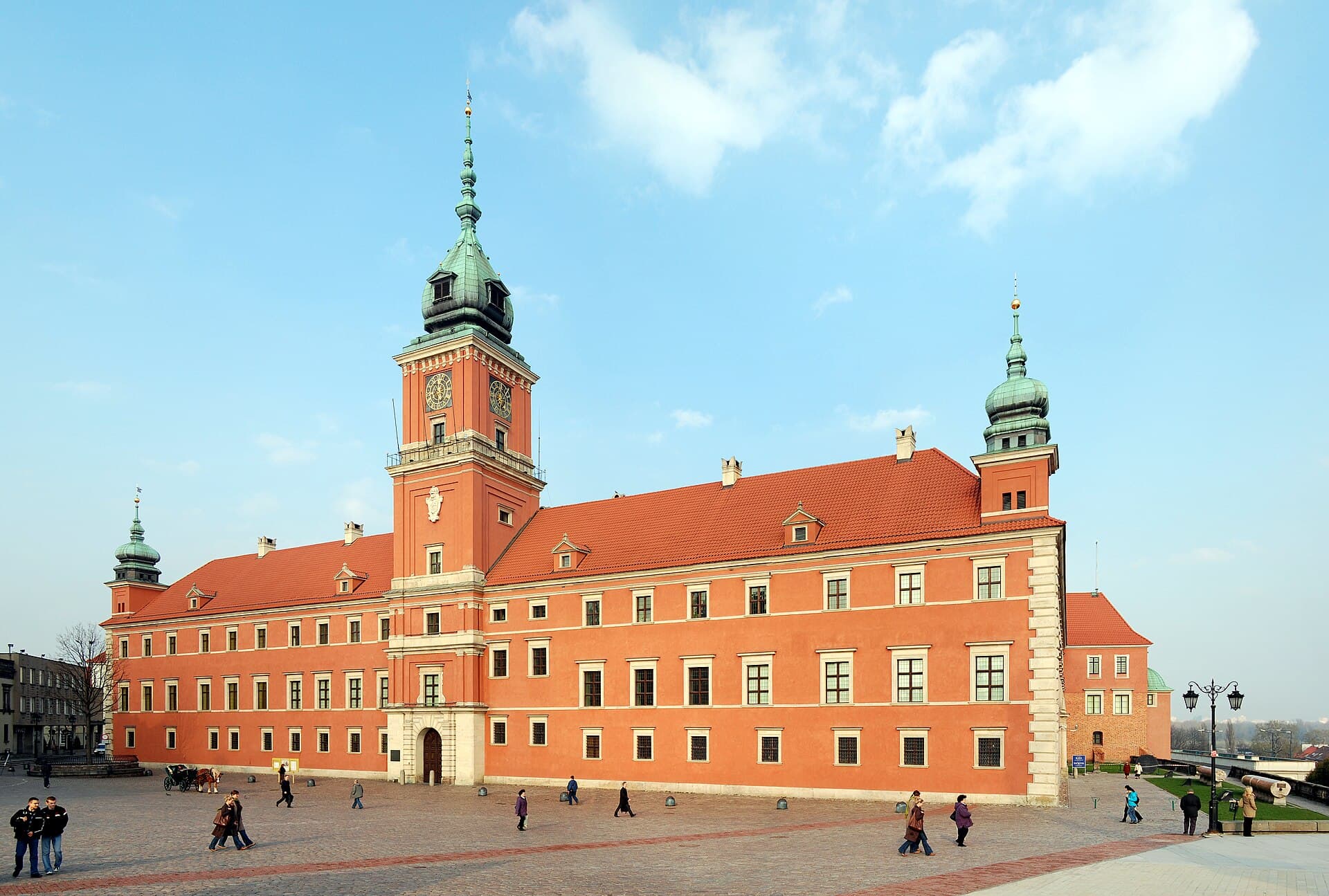 The Royal Castle in WarsawThe Royal Castle is Poland's recovered throne: seat of kings and parliament (her10 minutes walk4.8
A tsarist-era prison that under Nazi occupation became the largest political prison in occupied Poland. Around a hundred thousand people passed through it between 1939 and 1944, of whom tens of thousands were killed or deported to camps. The Germans blew it up in 1944, leaving its gate and an elm tree in front that became a memorial. The site today is a small and harsh museum, a branch of the Museum of Independence.
Not as a priority. On a first visit to Warsaw the Uprising Museum, POLIN and the Polish History Museum come first. This is for those staying longer, or specifically interested in resistance posters and documents.