
Track on the wall
A section of the German explosive vehicle is still fixed there as a deliberate witness.
Adrian Grycuk — CC BY-SA 3.0 pl · Diego Delso — CC BY-SA 4.0 · Scotch Mist — CC BY-SA 4.0 · Tadeusz Rudzki — CC BY 3.0
The oldest church in Warsaw, dating from the fourteenth century, the city's principal cathedral and the place where Polish kings were crowned and buried. What stands today is a reconstruction. During the Warsaw Uprising of 1944 the cathedral saw room-to-room fighting between Polish insurgents and German forces, and an explosive-laden vehicle was driven in and detonated, destroying part of the building. After the uprising was crushed the Germans deliberately blew up what remained, as part of the systematic destruction of the city. About a fifth of the cathedral survived. It was rebuilt between 1948 and 1956 in the Polish Gothic presumed to be its original form, rather than the baroque form in which it was destroyed. That decision was deliberate: a return to what preceded the centuries of partition. On the outer wall a section of track from the German explosive vehicle is still fixed in place, kept as a deliberate witness. In the crypts lie presidents, writers and kings. Entry to the church is free; the crypts carry a small ticket. It is a working place of worship.
A section of the German explosive vehicle is still fixed there as a deliberate witness.
A deliberate choice to return to its form before the centuries of partition.
Presidents, writers and kings, among them Poland's last monarch.
Świętojańska street, the Old Town
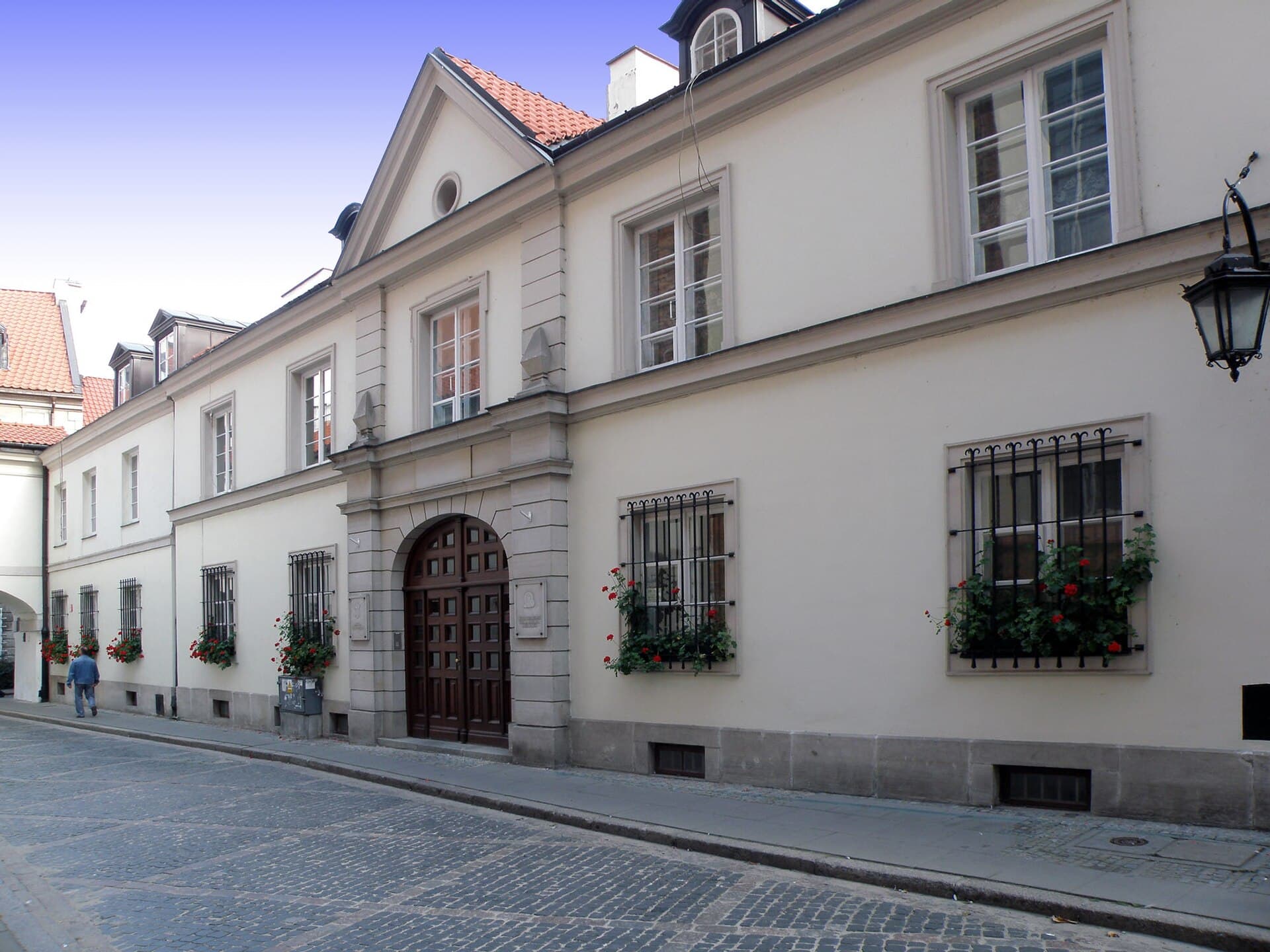 The Museum of the Warsaw ArchdioceseA museum of religious art in Warsaw's Old Town, holding the archdiocese's collec1 minute walk4.5
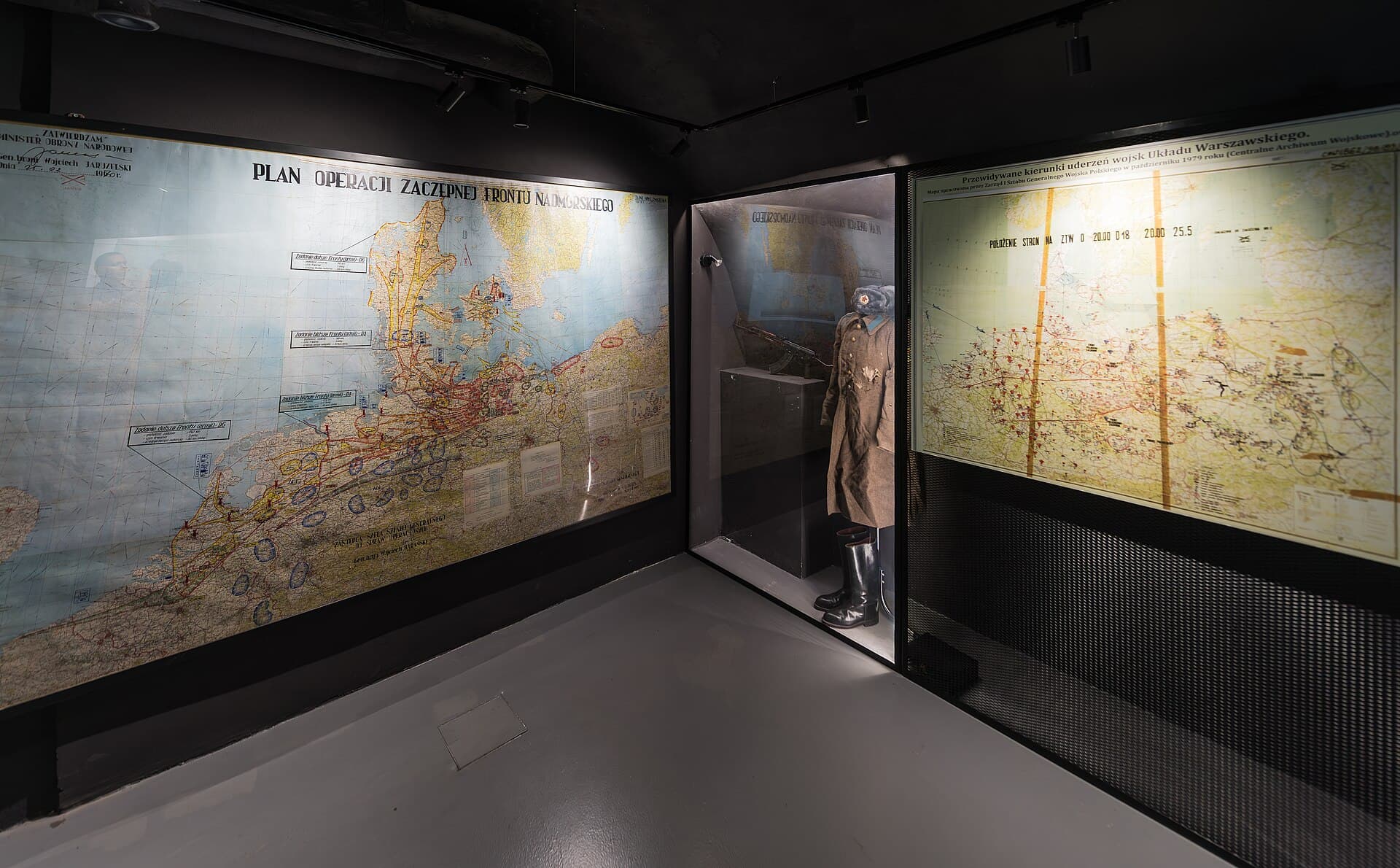 The Cold War MuseumA museum in Warsaw devoted to the Cold War, named after Colonel Ryszard Kuklińsk1 minute walk4.5
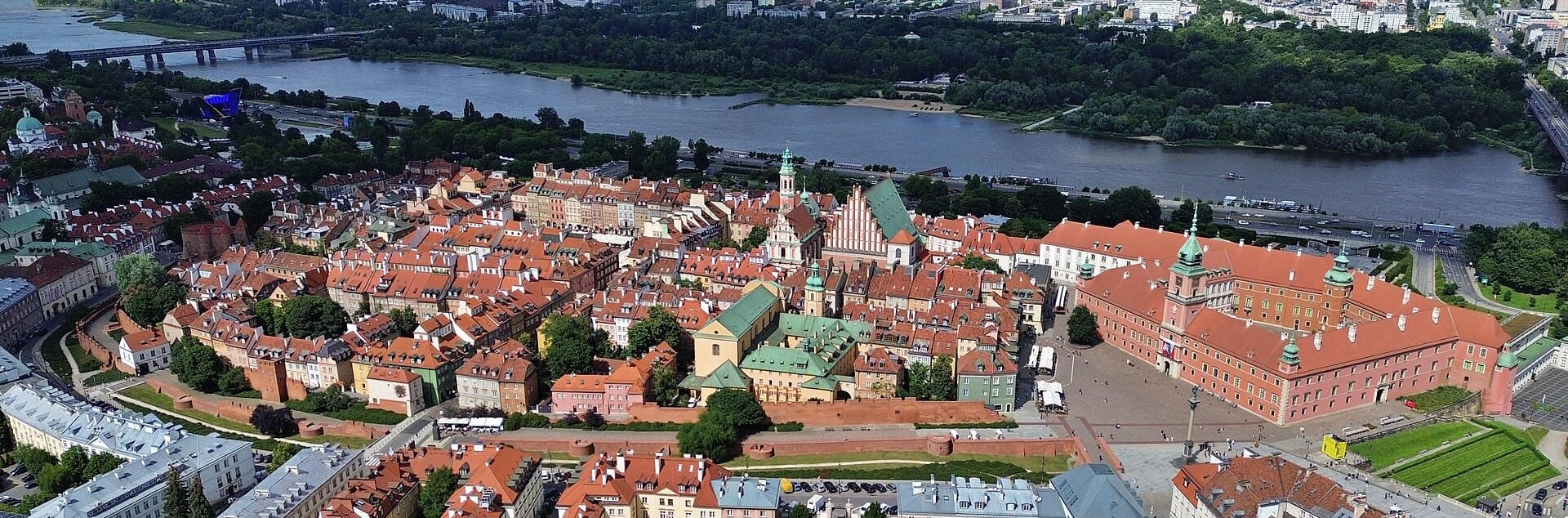 Warsaw Old TownWarsaw's Old Town is history's greatest urban resurrection: the Nazis demolished2 minutes walk
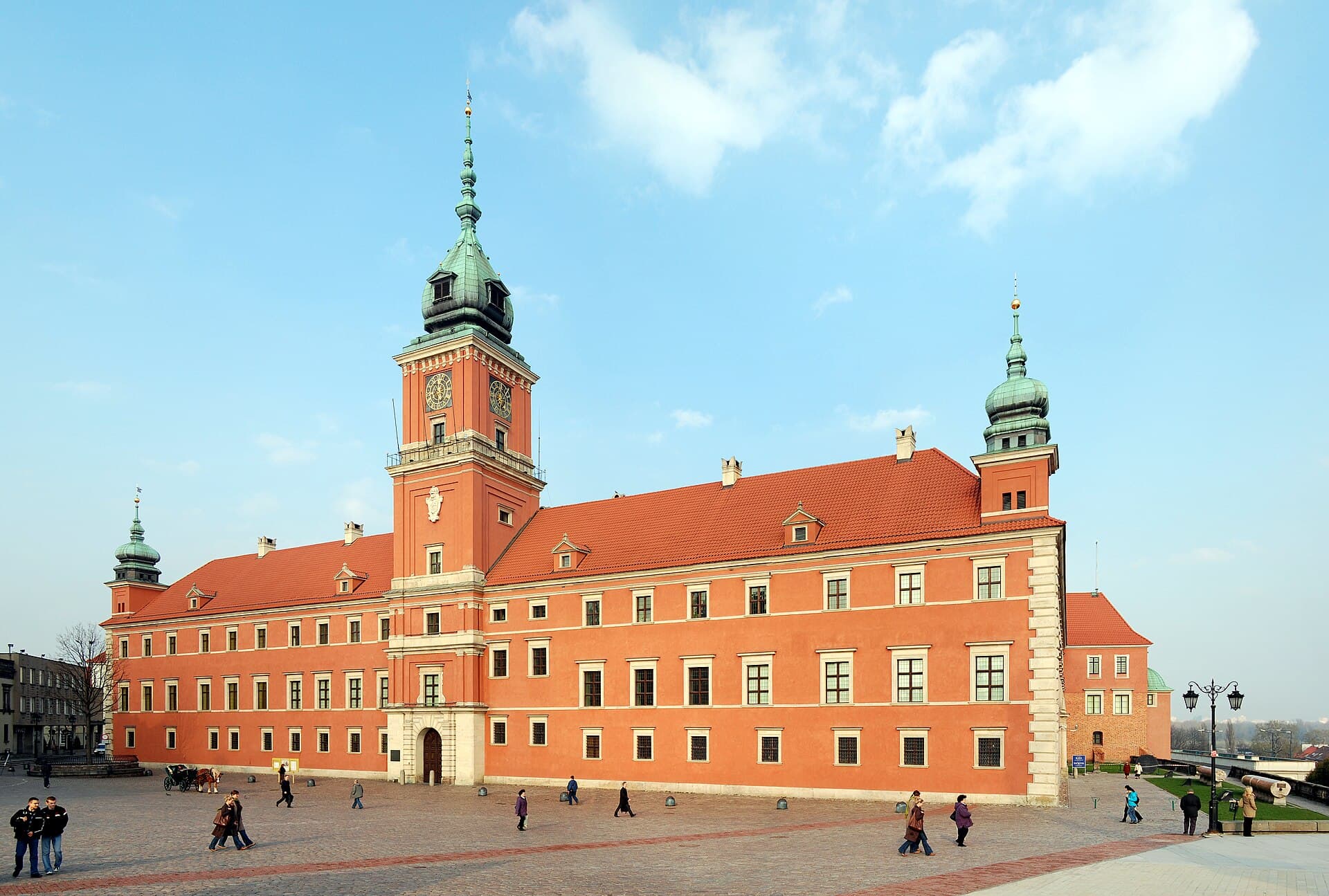 The Royal Castle in WarsawThe Royal Castle is Poland's recovered throne: seat of kings and parliament (her2 minutes walk4.8
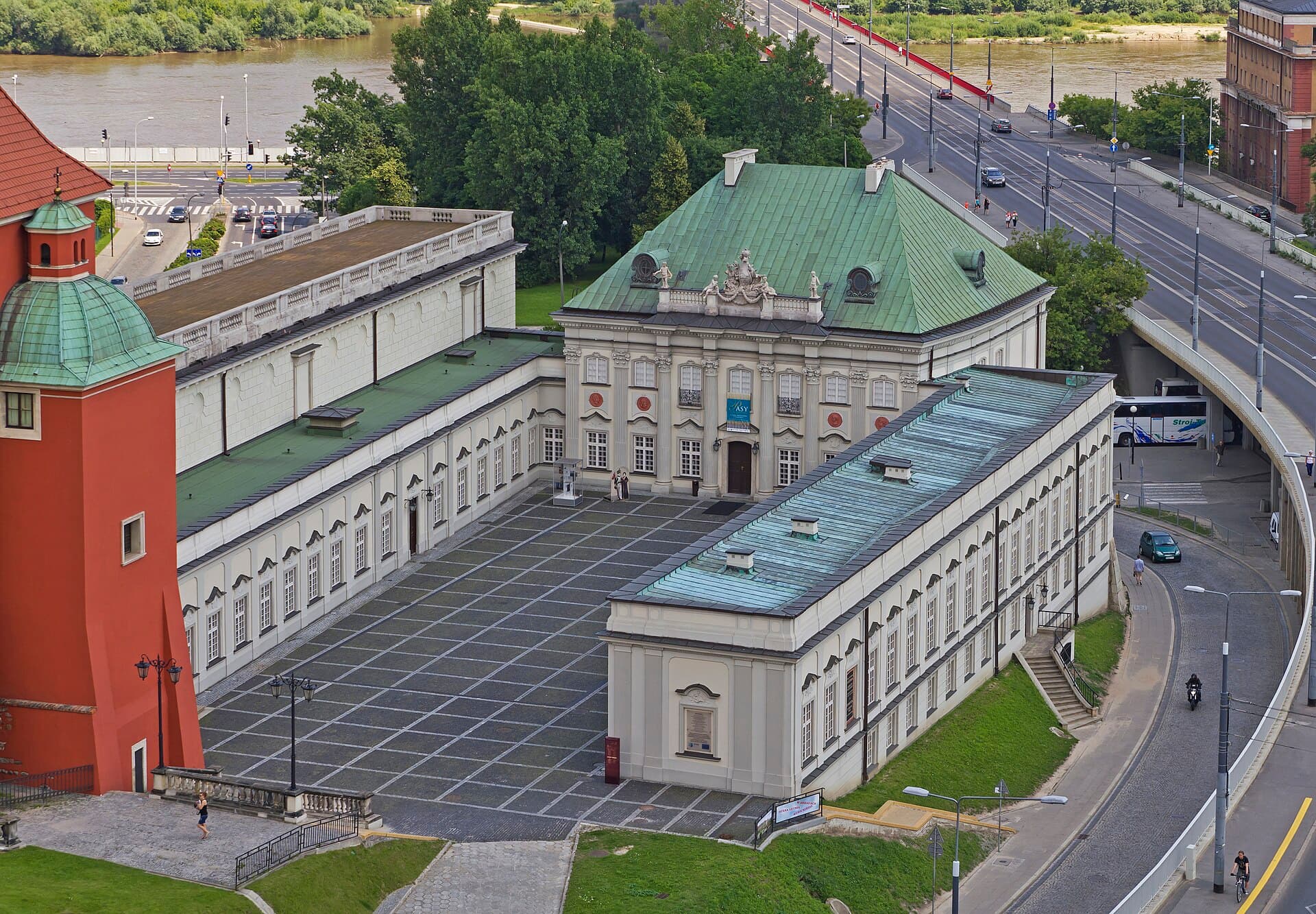 The Tin-Roofed PalaceA palace adjoining Warsaw's Royal Castle, older than it in parts, and run today 3 minutes walk4.6
An armed rising by the Polish Home Army in August 1944 to free the city from Nazi occupation before the Red Army arrived. It held for sixty-three days and was then crushed. Around two hundred thousand civilians were killed, and afterwards Hitler ordered the city's systematic destruction: some eighty-five per cent of Warsaw was demolished district by district. It should not be confused with the Warsaw Ghetto Uprising of 1943, a different event carried out by the ghetto's Jews.
No, it was rebuilt after the war almost from nothing, using paintings, drawings, photographs and surviving measurements. It was inscribed on the UNESCO World Heritage list in 1980 not for its age but because the reconstruction itself was an exceptional act of preserving identity — a rare case on the list.