
The Bellotto Room
Warsaw 1770 at photographic truth.
Marcin Białek — CC BY-SA 3.0 · Andrew Milligan sumo — CC BY 2.0 · Andrew Milligan sumo — CC BY 2.0 · Andrew Milligan sumo — CC BY 2.0
The Royal Castle is Poland's recovered throne: seat of kings and parliament (here the Constitution of 3 May 1791 — Europe's first — was passed), dynamited whole by the Nazis (1944) — and rebuilt by public donation (1971-84) around its original furniture, smuggled and saved: what you see inside is original in objects, rebuilt in walls. Its halls are the Polish Enlightenment's summit: the Marble Room of royal portraits, the Knights' Hall, the Throne Room with its silver eagles re-embroidered thread by thread — and its crown the Bellotto Room: the younger Canaletto's twenty-three views of 18th-century Warsaw in photographic precision — the very paintings that rebuilt the city: standing before the reference after walking the result is an unforgettable close. It holds two true Rembrandts (the Lanckorońska collection) — and Castle Square with Sigismund's Column is the old town's southern gate: the castle begins the Royal Route by verdict.
Warsaw 1770 at photographic truth.
Silver embroidery returned thread by thread.
Plac Zamkowy 4, 00-277 Warsaw
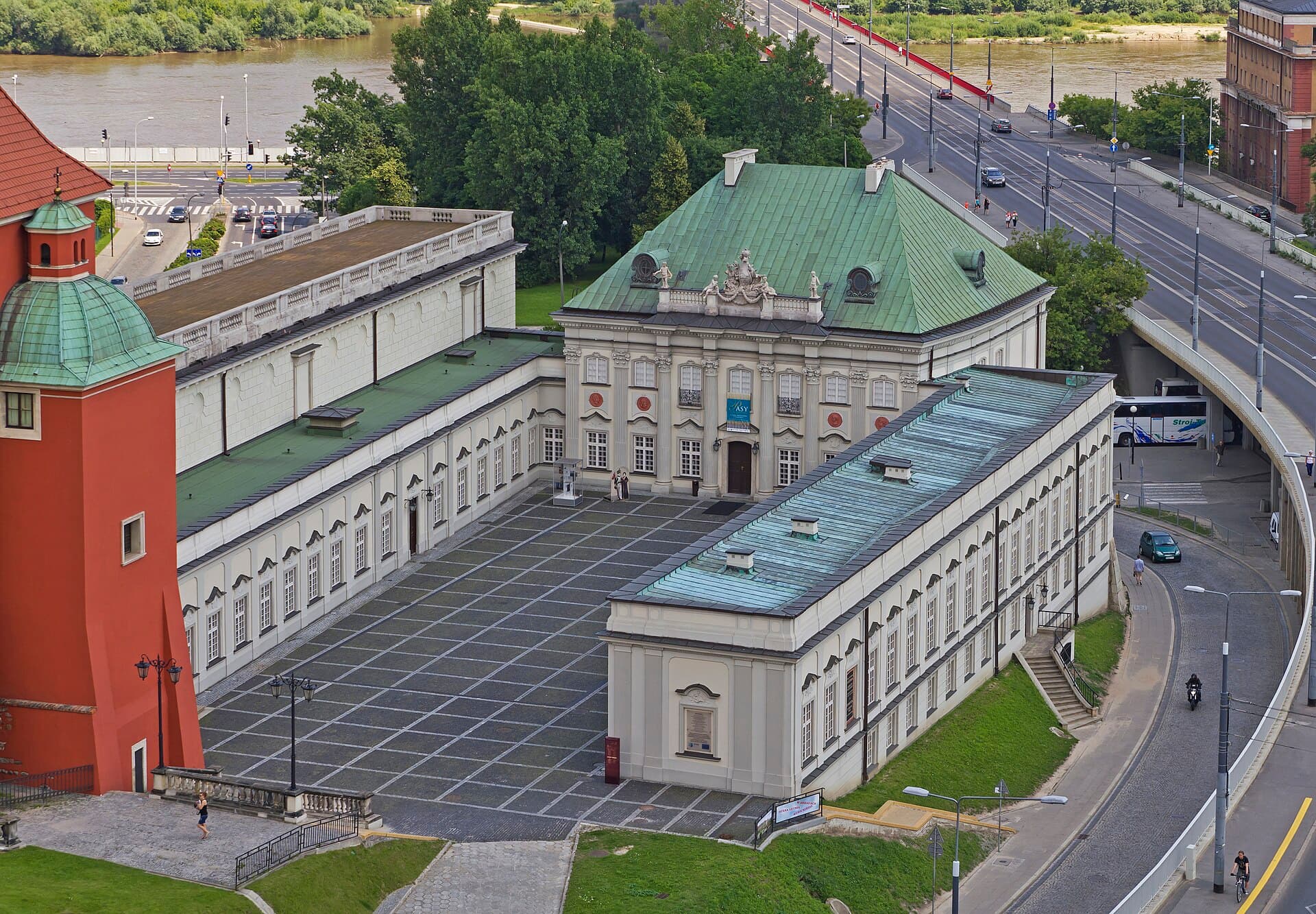 The Tin-Roofed PalaceA palace adjoining Warsaw's Royal Castle, older than it in parts, and run today 2 minutes walk4.6
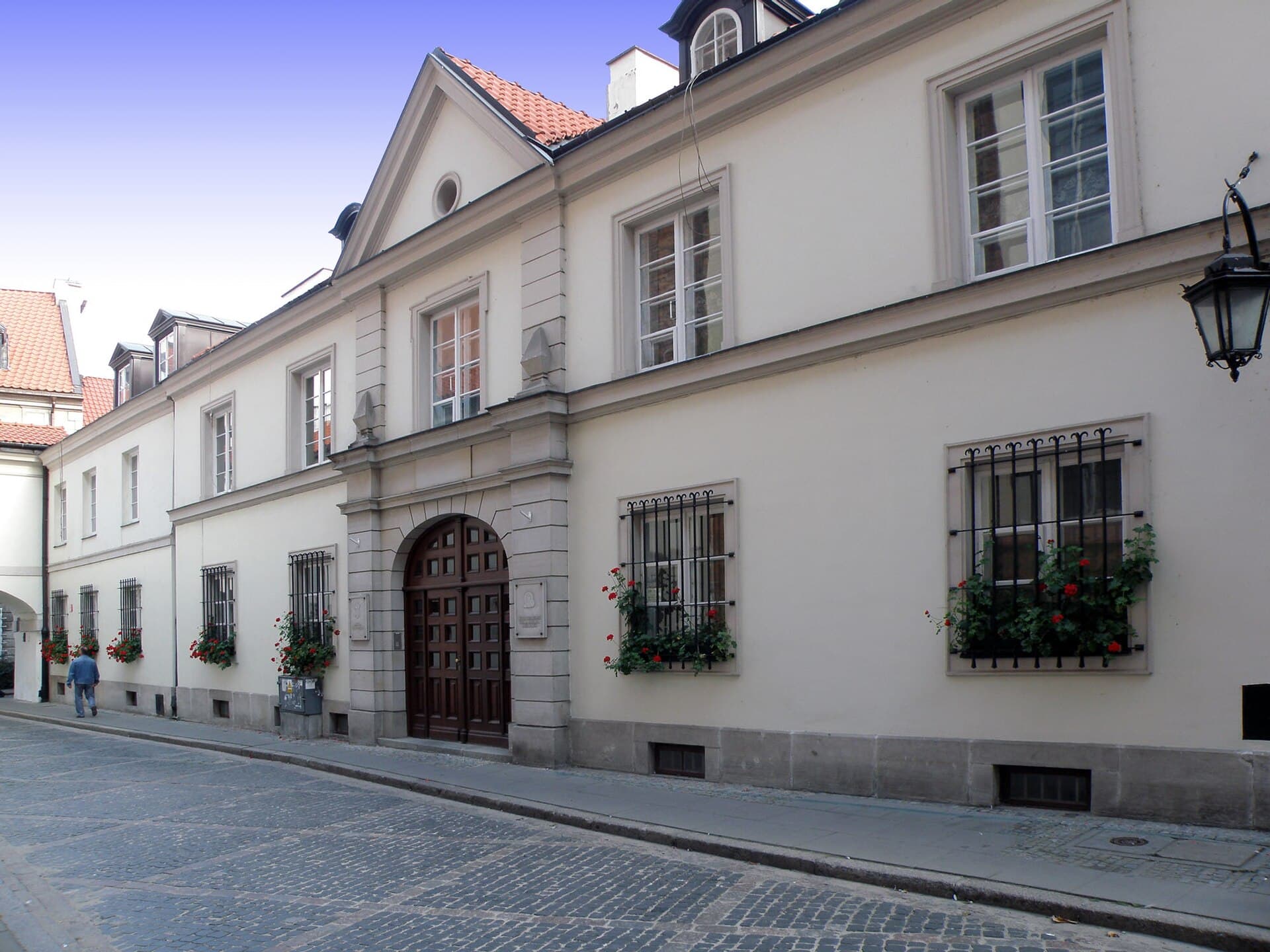 The Museum of the Warsaw ArchdioceseA museum of religious art in Warsaw's Old Town, holding the archdiocese's collec2 minutes walk4.5
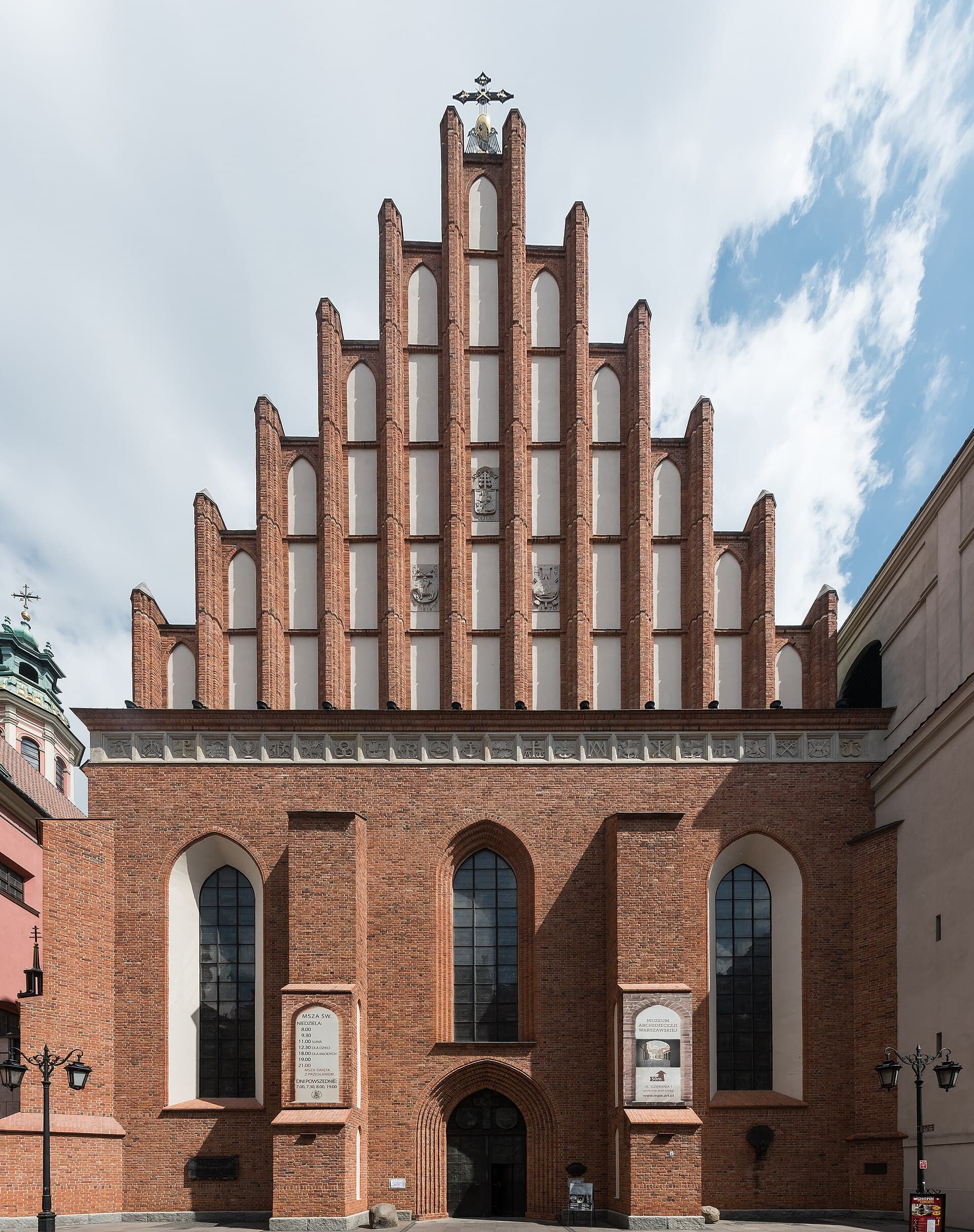 St John's ArchcathedralThe oldest church in Warsaw, dating from the fourteenth century, the city's prin2 minutes walk4.6
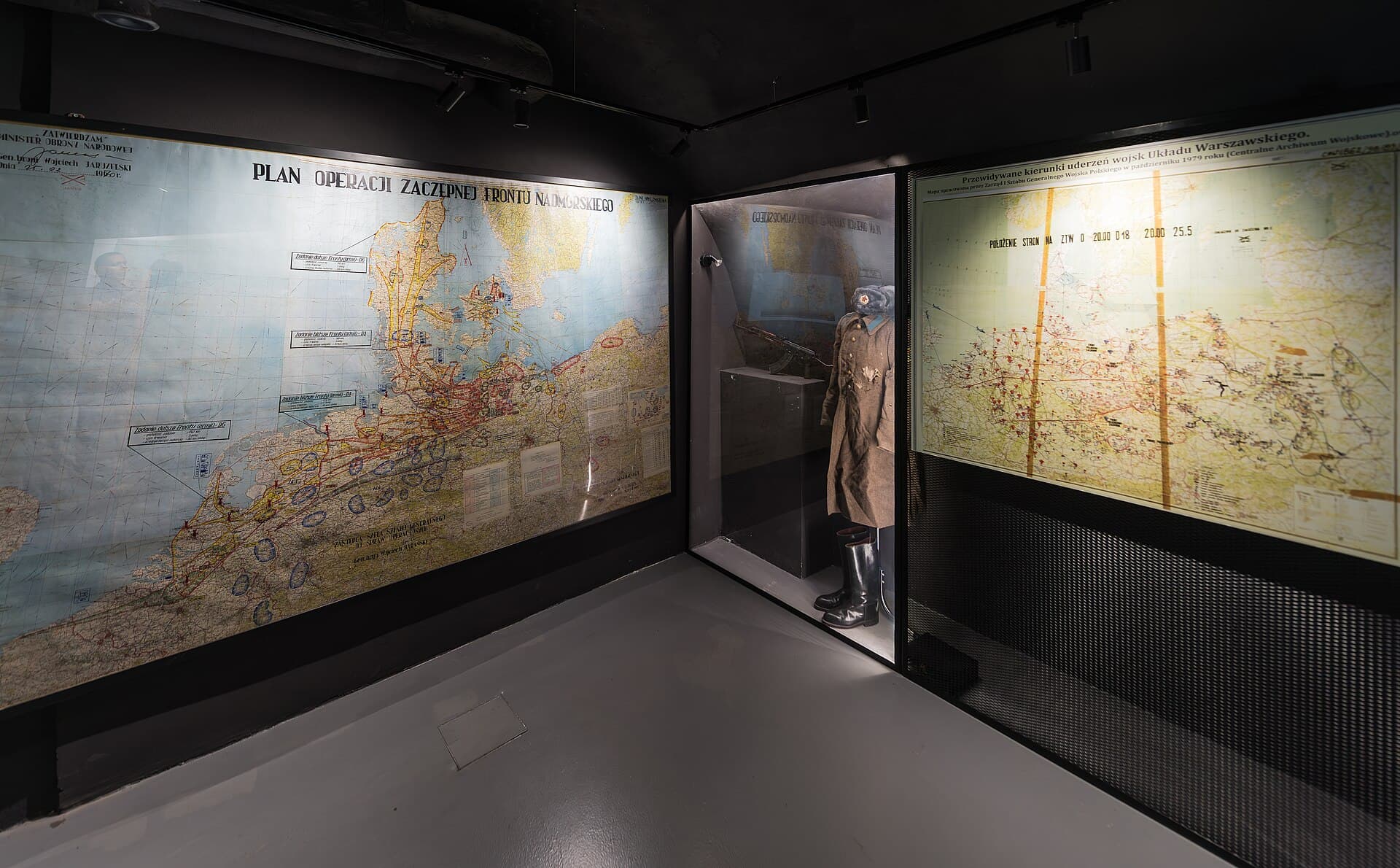 The Cold War MuseumA museum in Warsaw devoted to the Cold War, named after Colonel Ryszard Kuklińsk2 minutes walk4.5
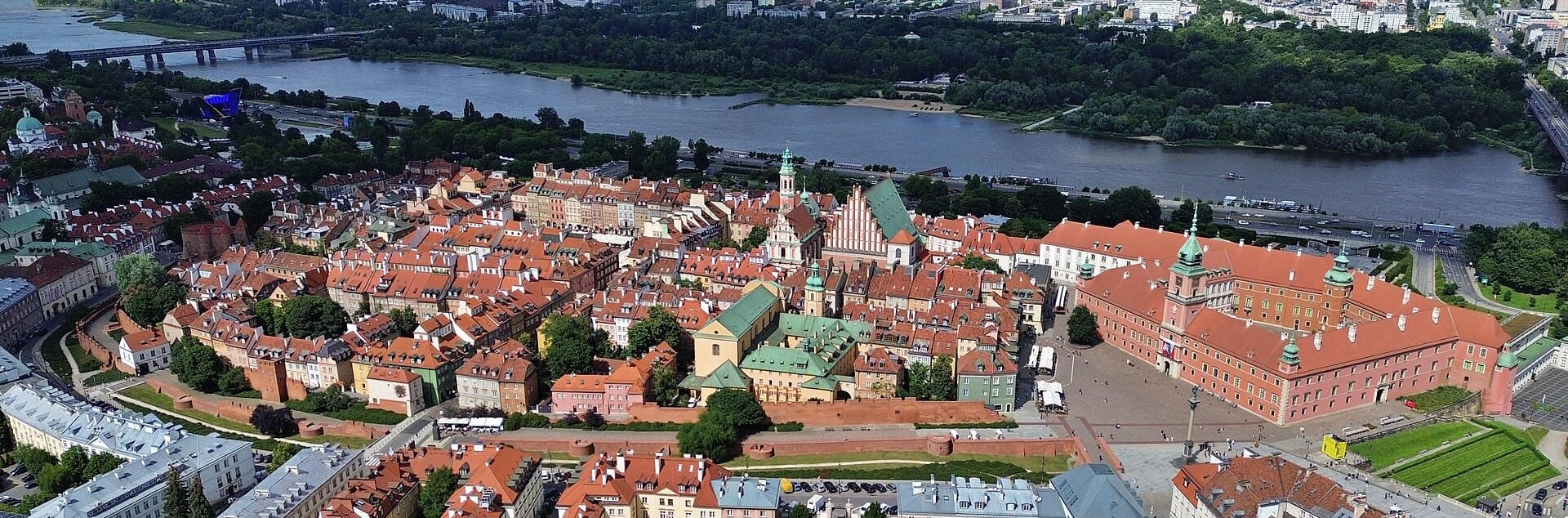 Warsaw Old TownWarsaw's Old Town is history's greatest urban resurrection: the Nazis demolished3 minutes walk
Europe's first written constitution and the world's second after America's (1791): constitutional monarchy, divided powers, peasant protections — a reform that so alarmed the neighbours that Russia invaded and the partitions erased the state (1795). The constitution remained the Polish dream's icon — its day the national holiday still.