
The live textile machines
Noise and motion explaining the workers' lives.
Geertivp — CC BY-SA 4.0 · Lalieka — CC BY-SA 4.0 · Martpan — CC BY-SA 3.0 · Demeester — CC BY-SA 3.0
Ghent's Museum of Industry tells the city's other face: Ghent was not only a medieval city but "the Manchester of the continent" — continental Europe's first industrial city when Lieven Bauwens smuggled a "mule jenny" spinning machine out of England in 1800 (risking his life) and the cotton mills took off. The museum is in an old five-storey cotton mill on the canal, with its original machines. The floors descend through two centuries: huge textile machines run in live demonstrations (the noise and motion explain the workers' lives), printing workshops with old working presses, and stories of child labour, strikes and the Flemish labour movement born here. From the roof, a view over the city. In the Minnemeers quarter north of the centre, 10 minutes on foot — for those interested in social history and technology, and for families with its live demonstrations.
Noise and motion explaining the workers' lives.
Old presses working before you.
Smuggling the spinning machine from England in 1800.
Minnemeers 10, 9000 Ghent
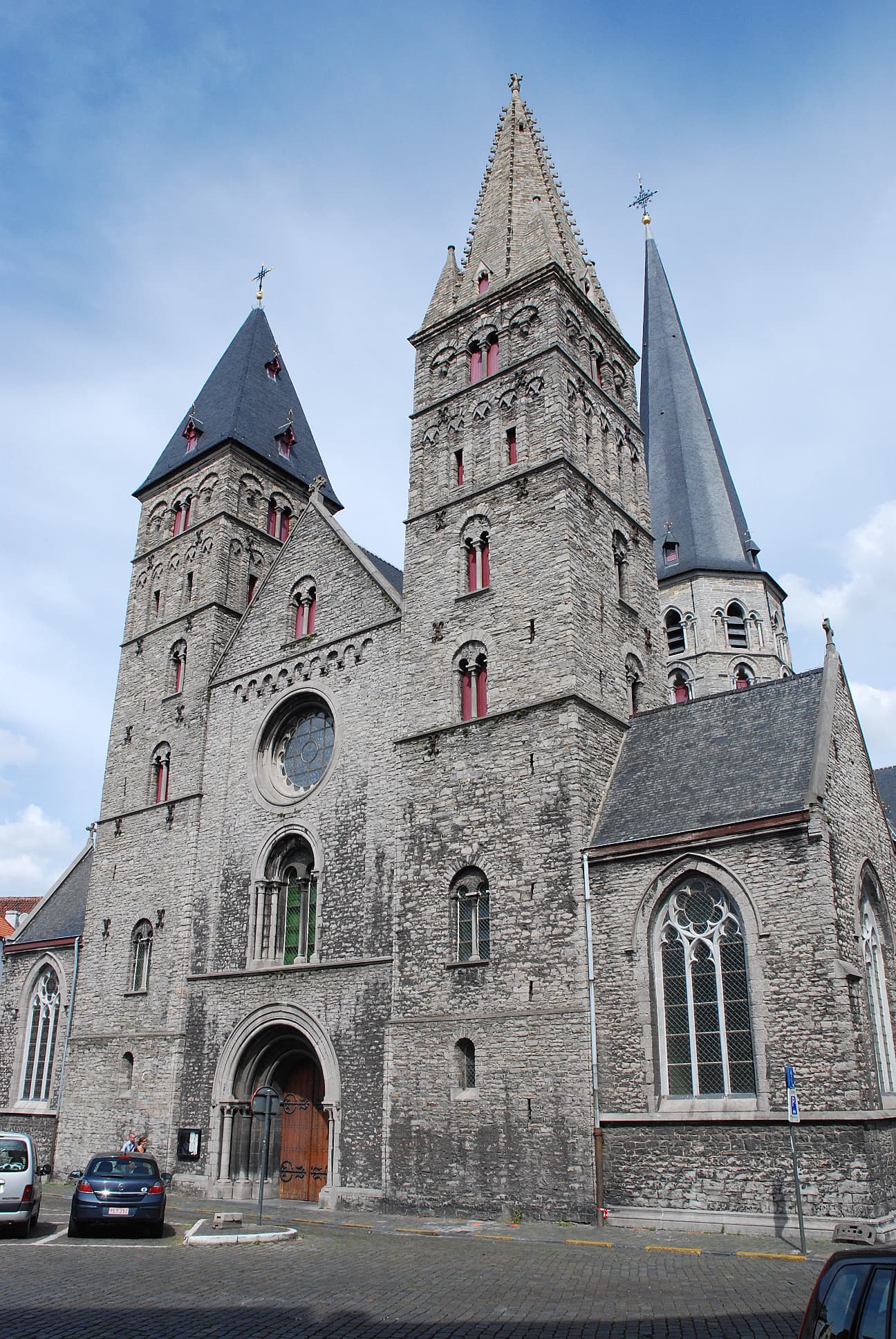 Sint-JacobskerkA church in central Ghent gathering eight centuries of building into one structu4 minutes walk4.3
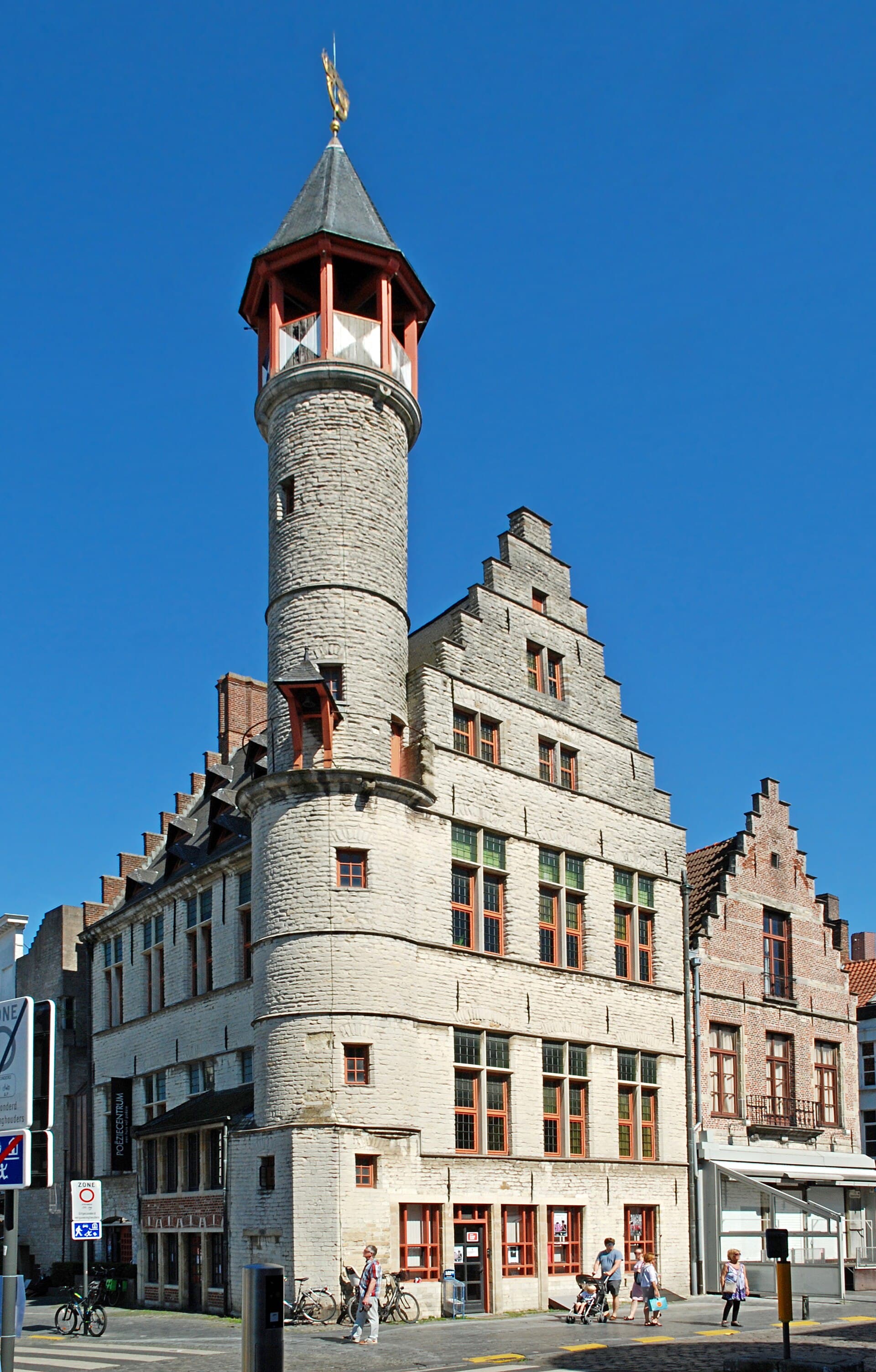 Het TorekenA fifteenth-century building with a small tower on the Vrijdagmarkt, formerly th5 minutes walk4.5
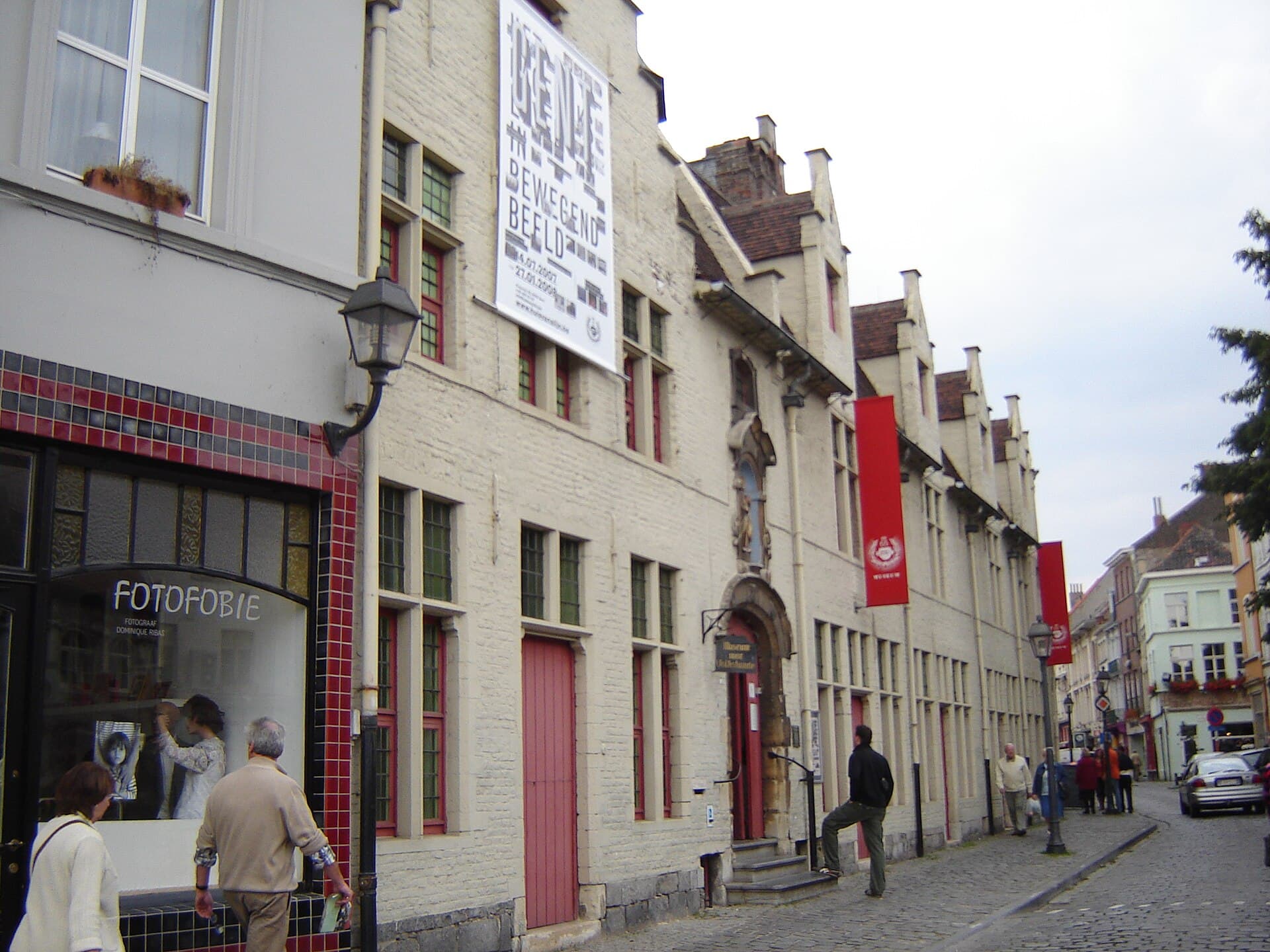 Huis van AlijnGhent's museum of everyday life, in a group of fourteenth-century almshouses bui5 minutes walk4.4
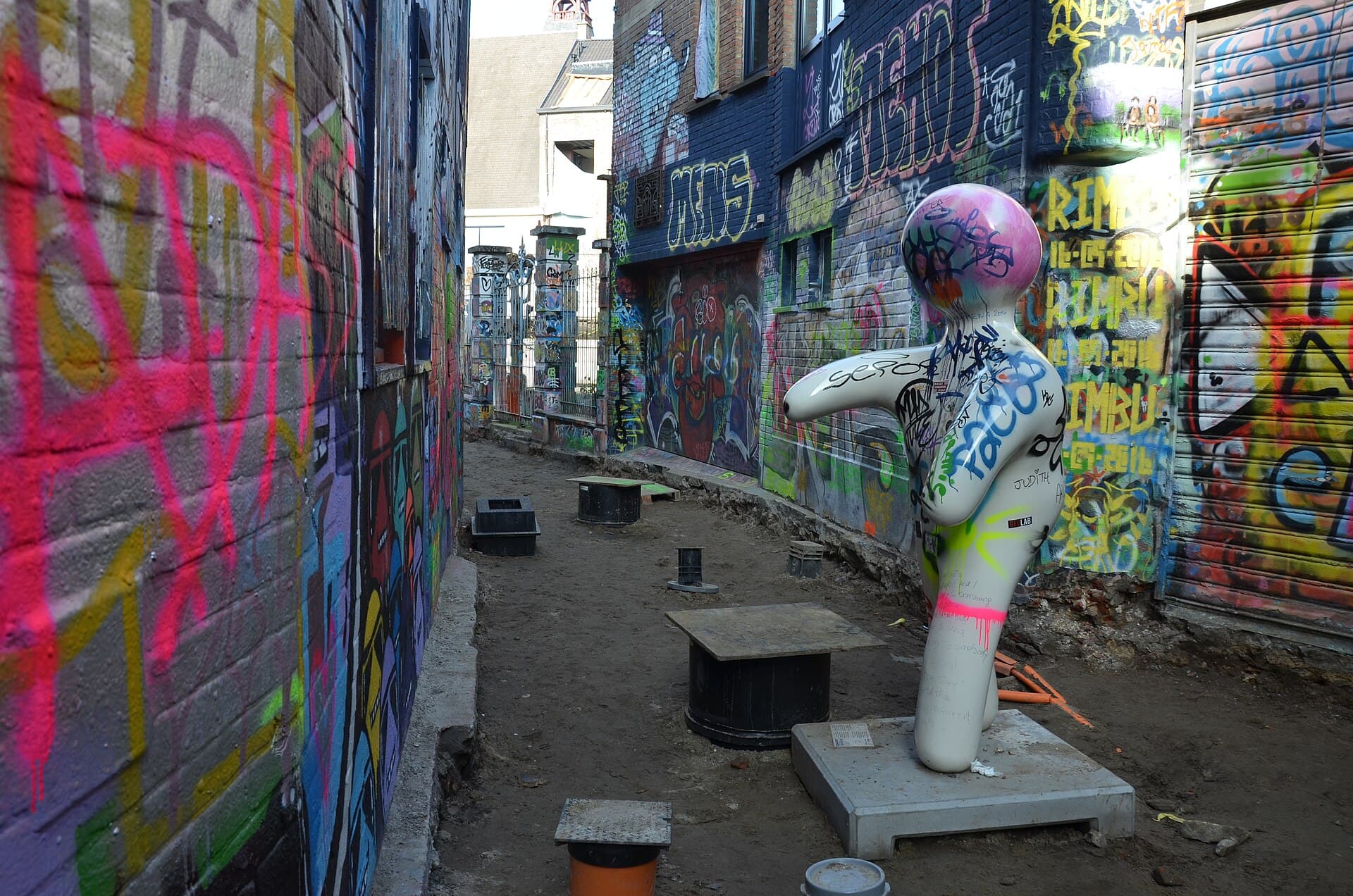 Graffiti Street (Werregarenstraat)Graffiti Street is a narrow, crooked alley in the heart of old Ghent turned into7 minutes walk4.3
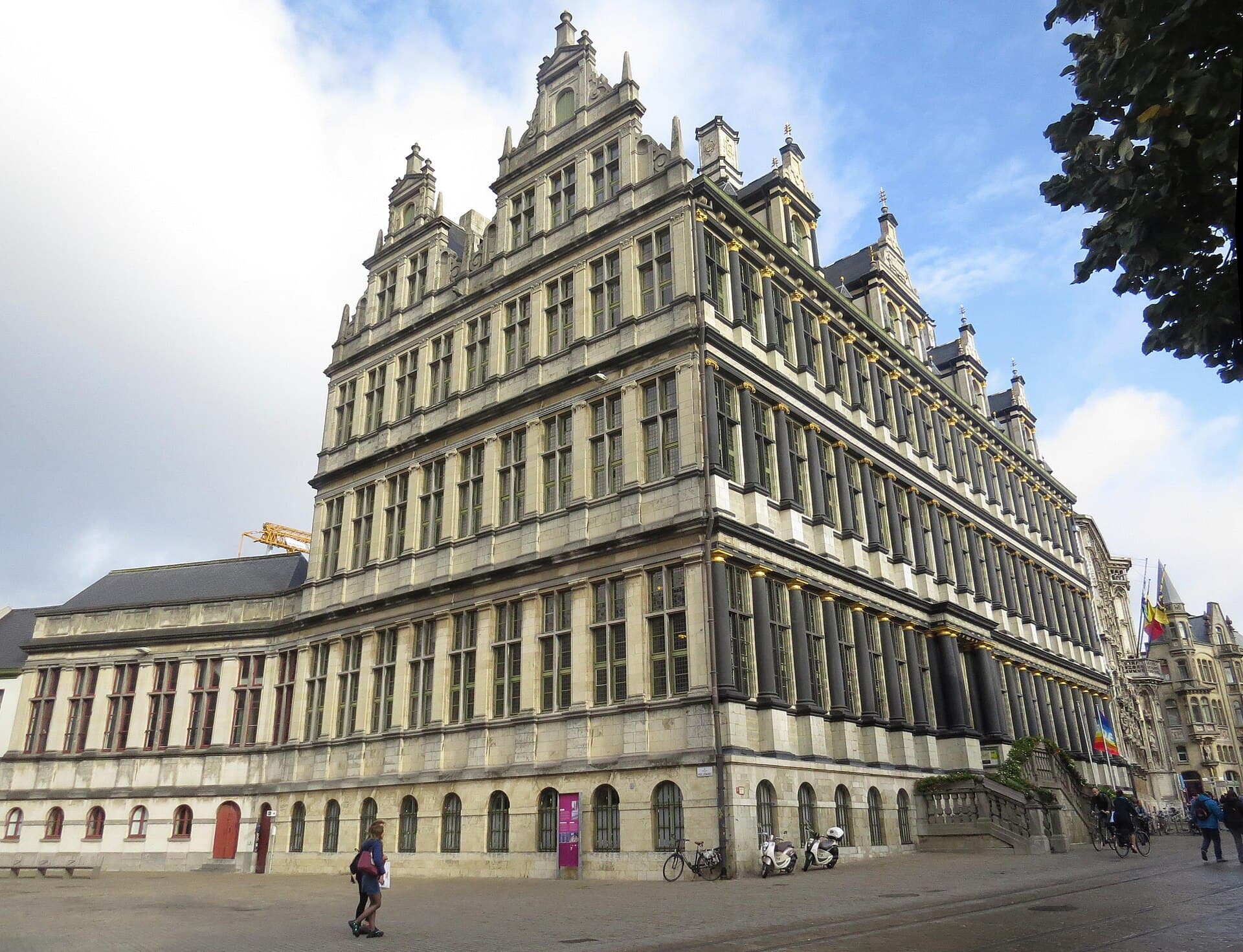 Ghent City HallGhent's City Hall is an architecture lesson on one façade: its northern half (on7 minutes walk3.8
For those wanting to grasp modern Ghent rather than only the medieval: yes, the machine-smuggling story and the labour movement are gripping, and the live demonstrations captivate children. For a short visit: the historic centre and MSK come first. Combine it with the nearby Patershol quarter and the castle to the north.