
An introduction before the walk
Visit on your first day and you read the canals and houses afterwards quite differently.
Evert100 — Public domain · Jacob Olie — Public domain · Breitner, G.H. (George, 1857-1923) — Public domain · Cornelis Johannes Steenbergh — CC BY-SA 4.0
A small museum inside a historic house on the Herengracht, devoted to a single story: how Amsterdam's canal ring was built in the seventeenth century, why, and how the city has lived with it since. The presentation is not a collection of objects but a sequence of rooms using models, projection and media to explain the project: a planned expansion of a city that was choking, with drainage, excavation and timber piles driven into soft ground. The result is that the canal ring is now a UNESCO World Heritage Site. The value here is understanding rather than looking: afterwards you see the canals outside differently, and grasp why the houses are narrow and tilted and carry a hook at the top. The museum is small and the visit under an hour, which suits a rainy day or an introduction on your first day in the city before walking the canals.
Visit on your first day and you read the canals and houses afterwards quite differently.
Models and projection explain the piling and drainage — the project as civil engineering.
Small and fully indoors — a good option when the weather ruins canal walking.
Herengracht, the canal ring, Amsterdam
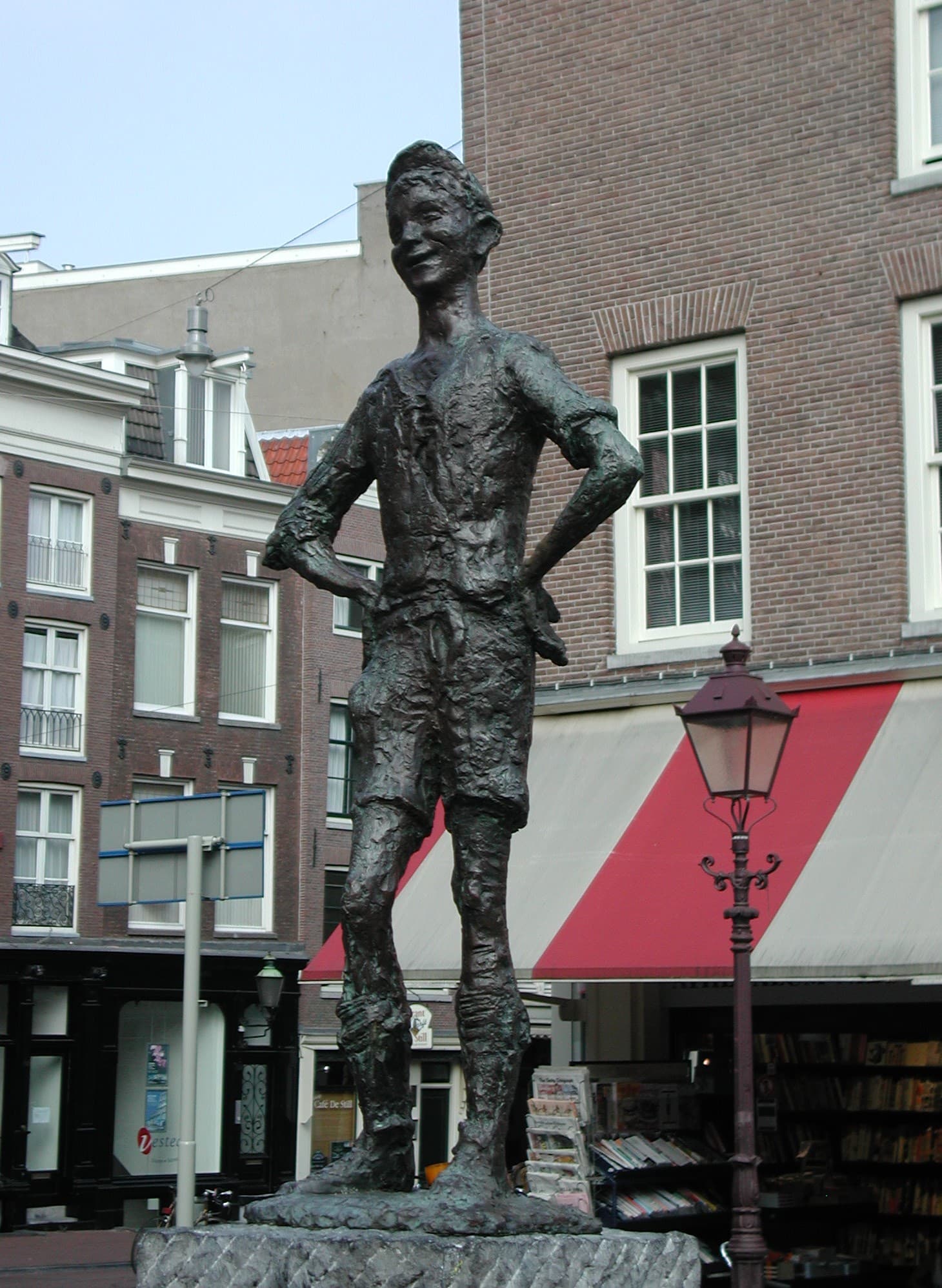 Het LieverdjeA small bronze statue of a boy standing on Spui square, erected in 1960, its nam3 minutes walk4.5
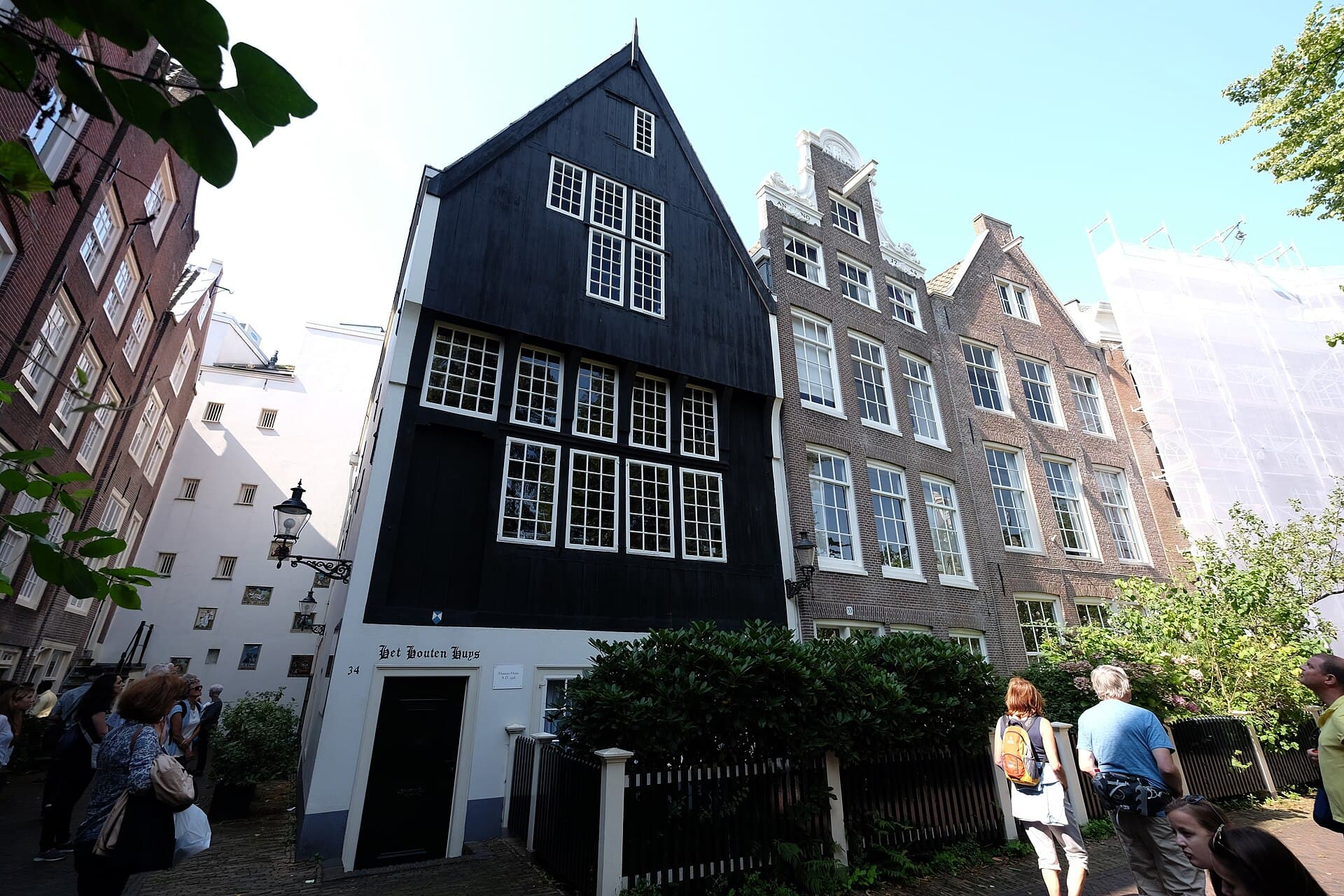 Het Houten Huys, Amsterdam's oldest houseA fifteenth-century house inside the Begijnhof courtyard, regarded as the oldest3 minutes walk4.5
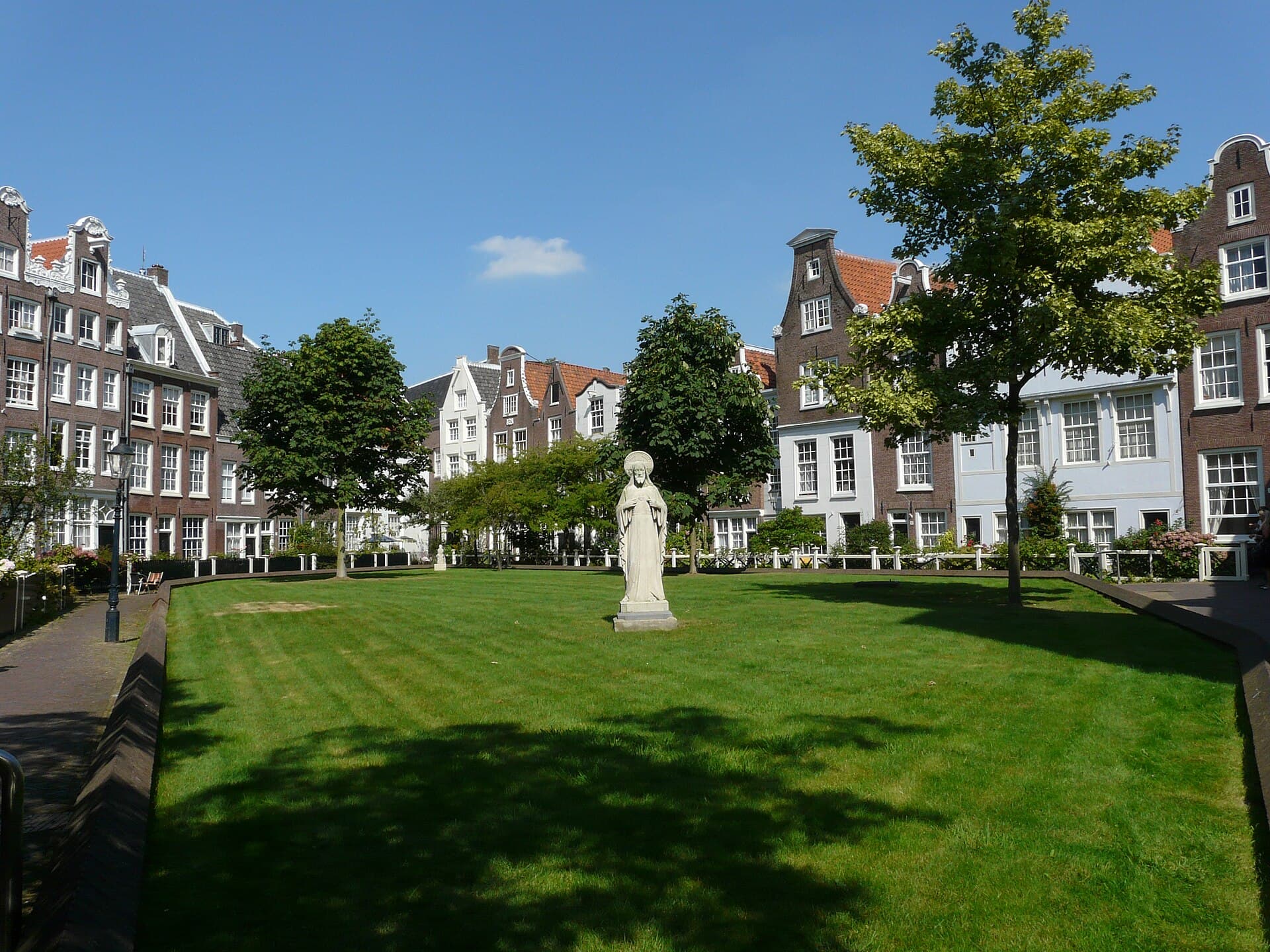 The BegijnhofAn ordinary wooden door near the city's busiest squares — push it and centuries'4 minutes walk4.6
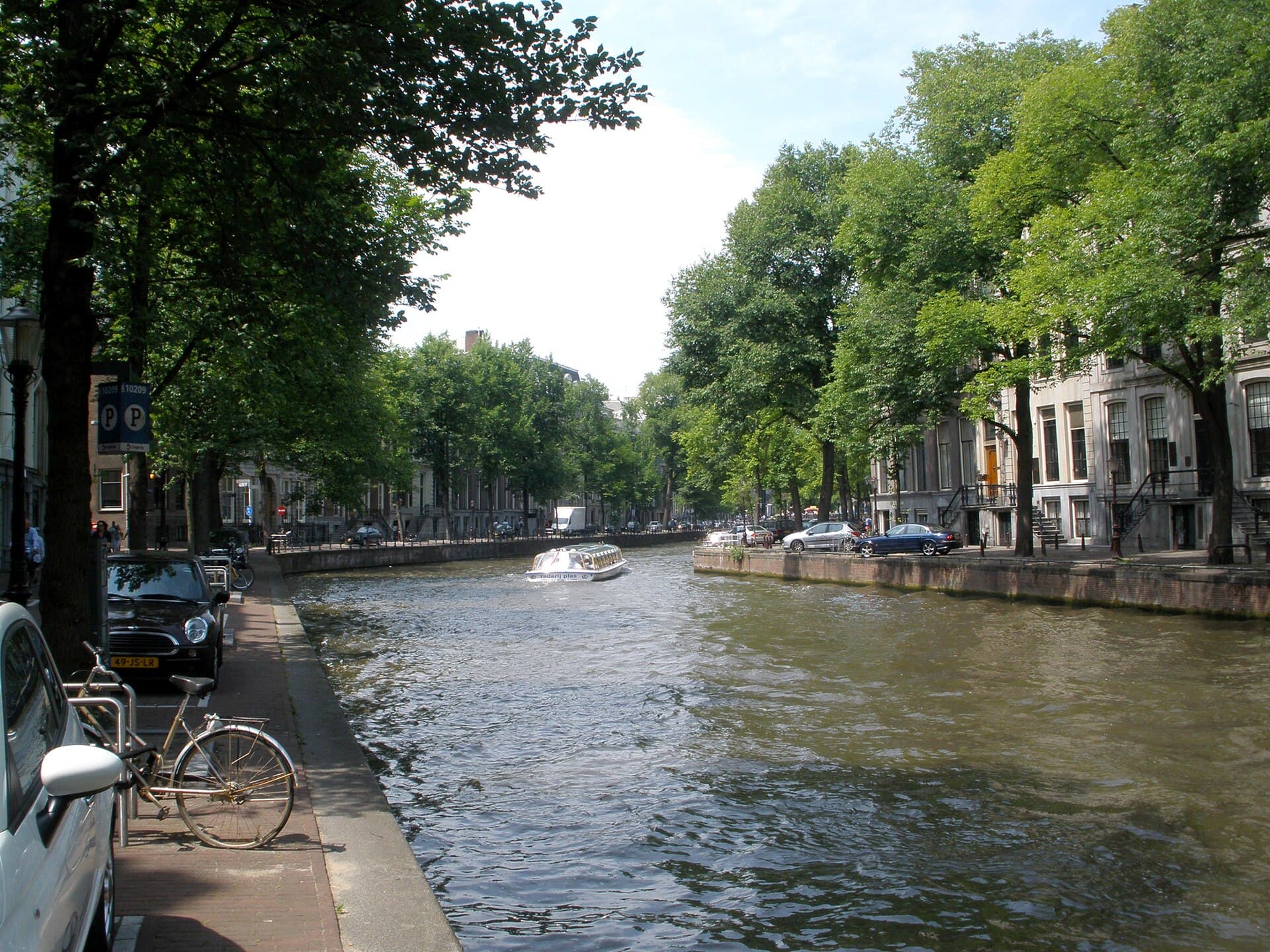 The Golden BendThe Golden Bend is the stretch of the Herengracht between Vijzelstraat and Leids5 minutes walk4.8
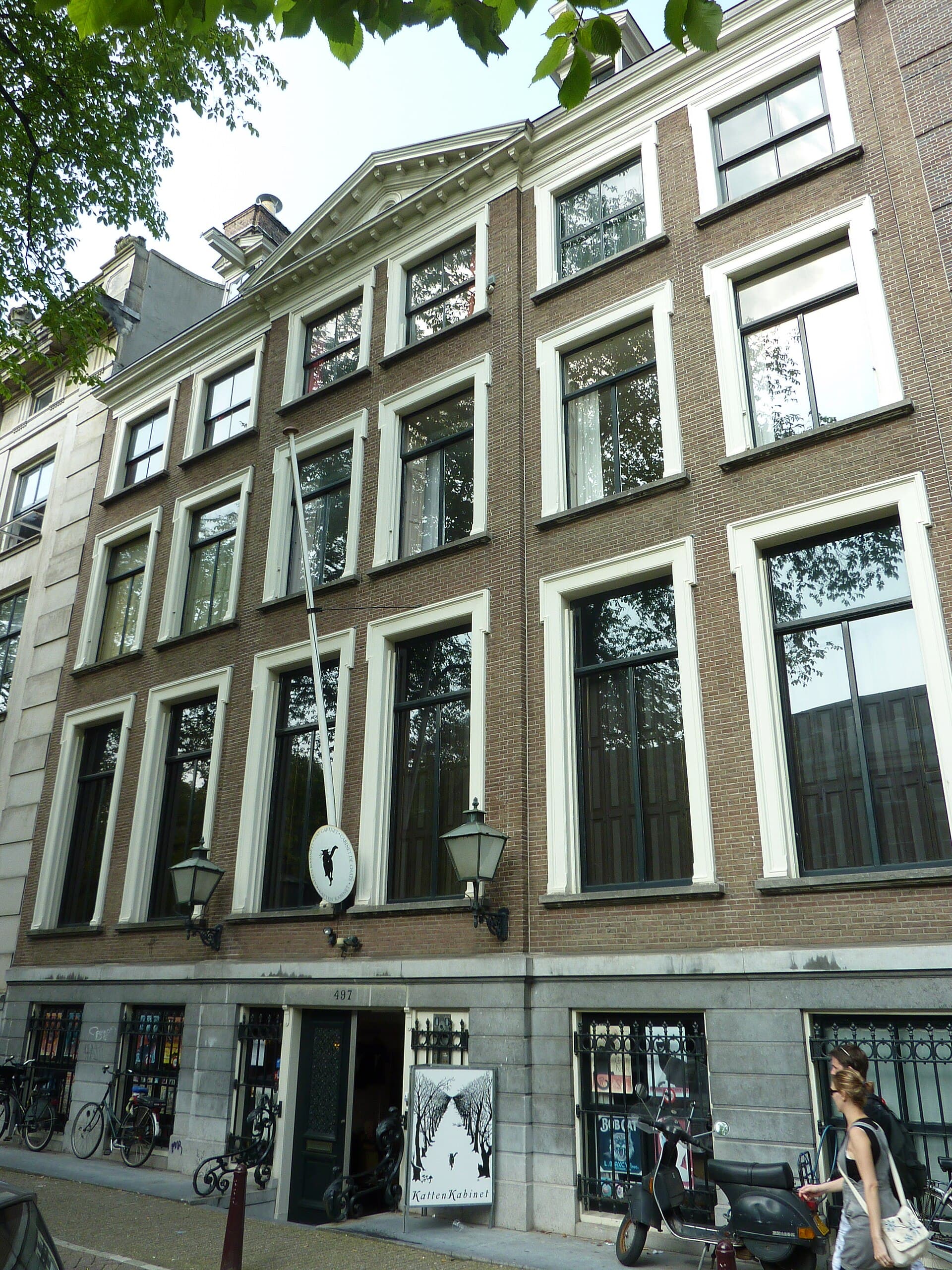 The KattenKabinetThe KattenKabinet is a museum in a canal house on the Herengracht devoted to a s6 minutes walk4.1
If this is your first visit to Amsterdam, probably yes, because it explains the thing you will spend the rest of your days walking beside. If you know the city, or want an art or history collection, the major museums deserve your time and money first.
Narrow because tax was calculated on facade width, so houses were built deep rather than wide. The forward lean is deliberate: it lets goods and furniture be hoisted by rope through the hook at the top without striking the front, since the internal stairs are too narrow to carry them. The museum explains this.