
Inside and outside the walls
Layered lanes within the palace and a regular square immediately outside.
Argo Navis — CC BY-SA 4.0 · Argo Navis — CC BY-SA 4.0 · Argo Navis — CC BY-SA 4.0
A Renaissance palace on Split's People's Square, built by the Cambi family — one of the city's old noble houses. The square itself is the context: it lies immediately outside the western wall of Diocletian's Palace, and grew in the Middle Ages when the palace became too crowded and the city extended westward. The square became the centre of civic life — the town hall, the courts and the nobles' houses — while the interior of the palace stayed densely inhabited. That contrast is still visible: inside the walls, narrow lanes and accumulated layers; immediately outside, an open square with regular Renaissance facades. Cambi Palace is one of several noble houses around the square, and its facade with arched windows is typical of the Venetian-Dalmatian manner: Venice ruled Split from 1420 to 1797, and its nobility's architecture reflects that. The building is not a museum and is not visited inside — the facade from the square is the whole of it.
Layered lanes within the palace and a regular square immediately outside.
Arched windows reflecting three and a half centuries of Venetian rule.
A facade to look at while crossing the square, not a destination.
Narodni trg, Split
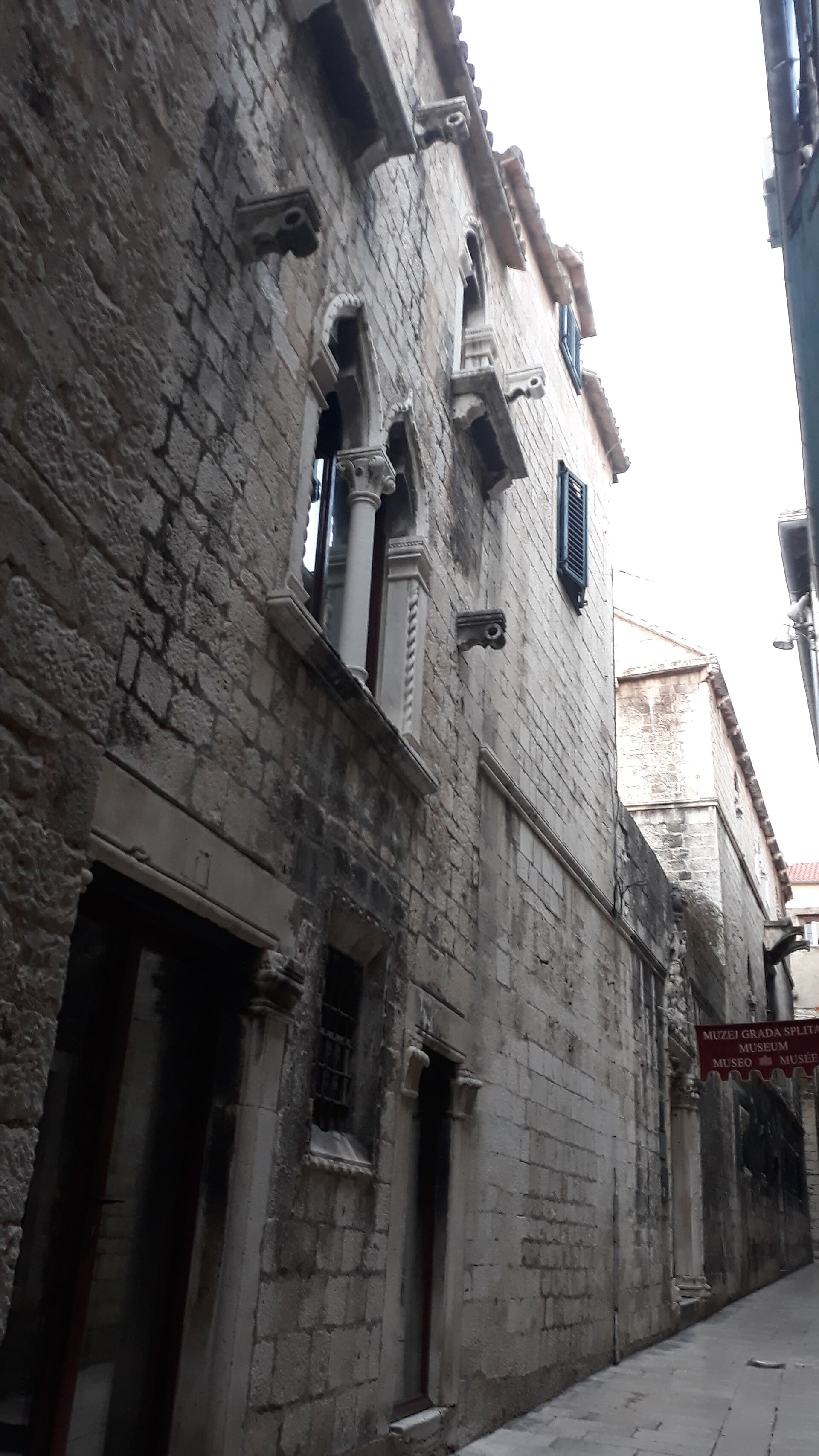 Papalic Palace and the City MuseumThe Papalić Palace is the finest Gothic house in Split, built in the fifteenth c1 minute walk4.7
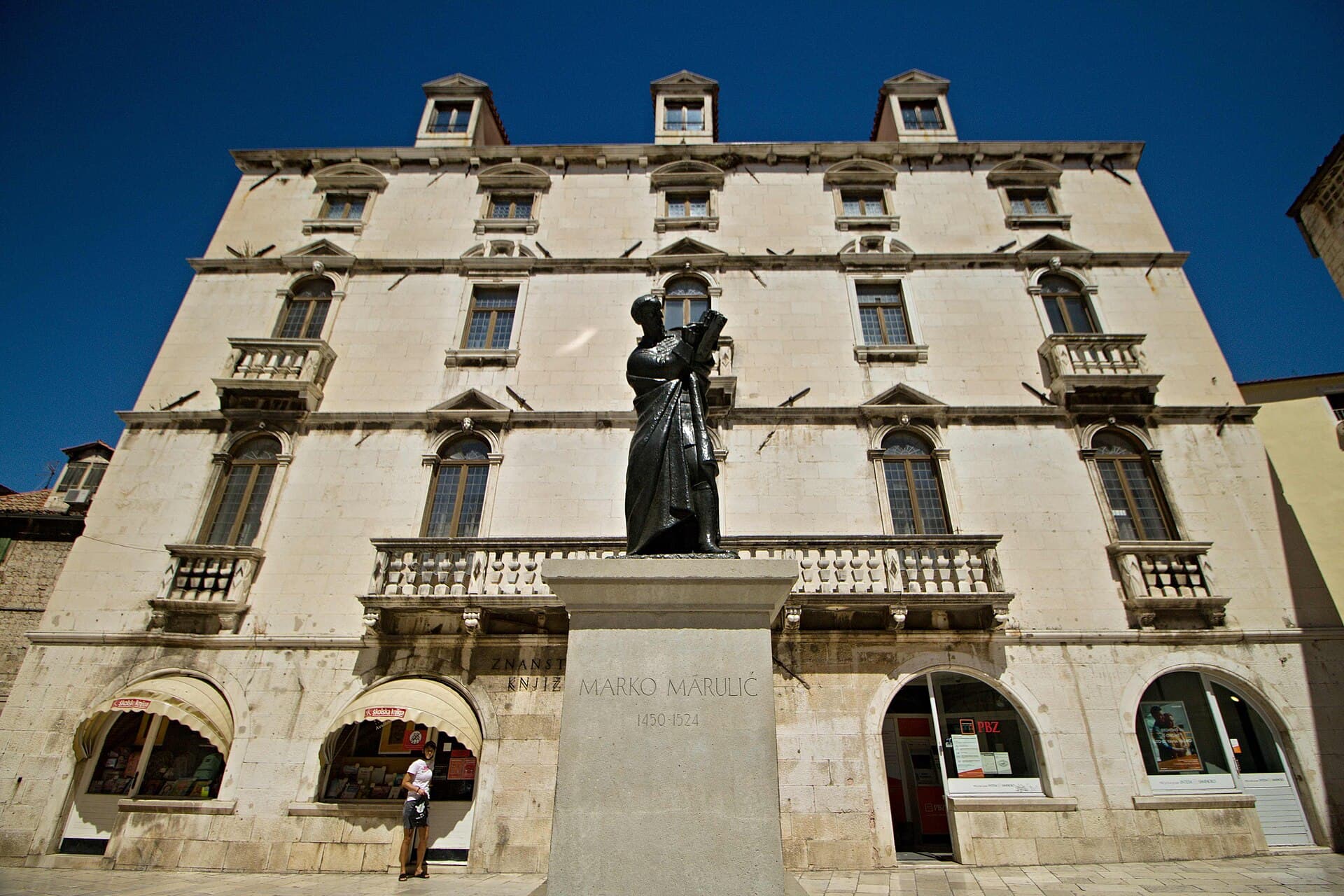 Milesi PalaceA Baroque palace on Fruit Square in Split, built in the seventeenth century for 1 minute walk4.6
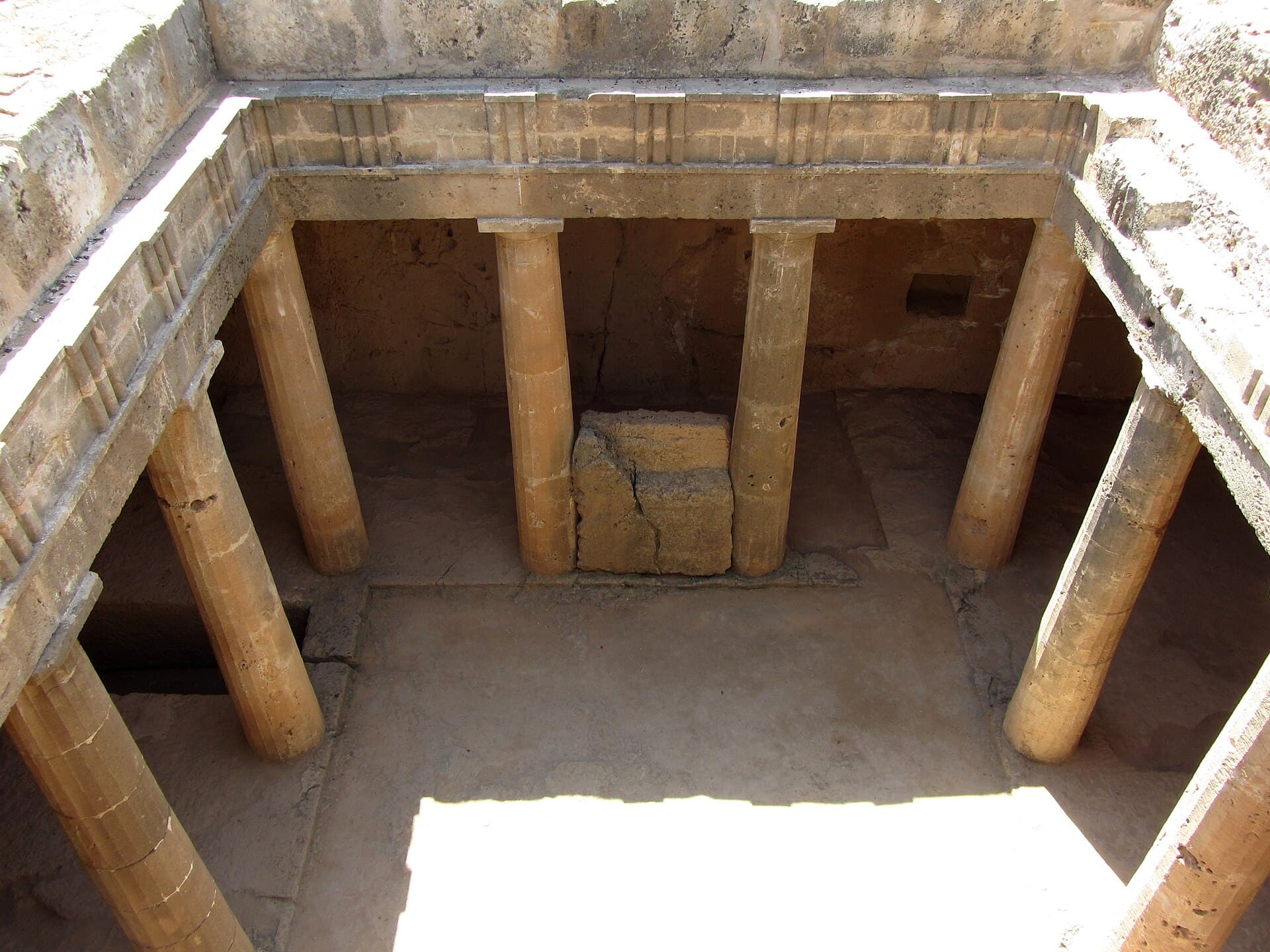 The PeristyleThe Peristyle is the central court of Diocletian's Palace: a rectangular space e1 minute walk4.3
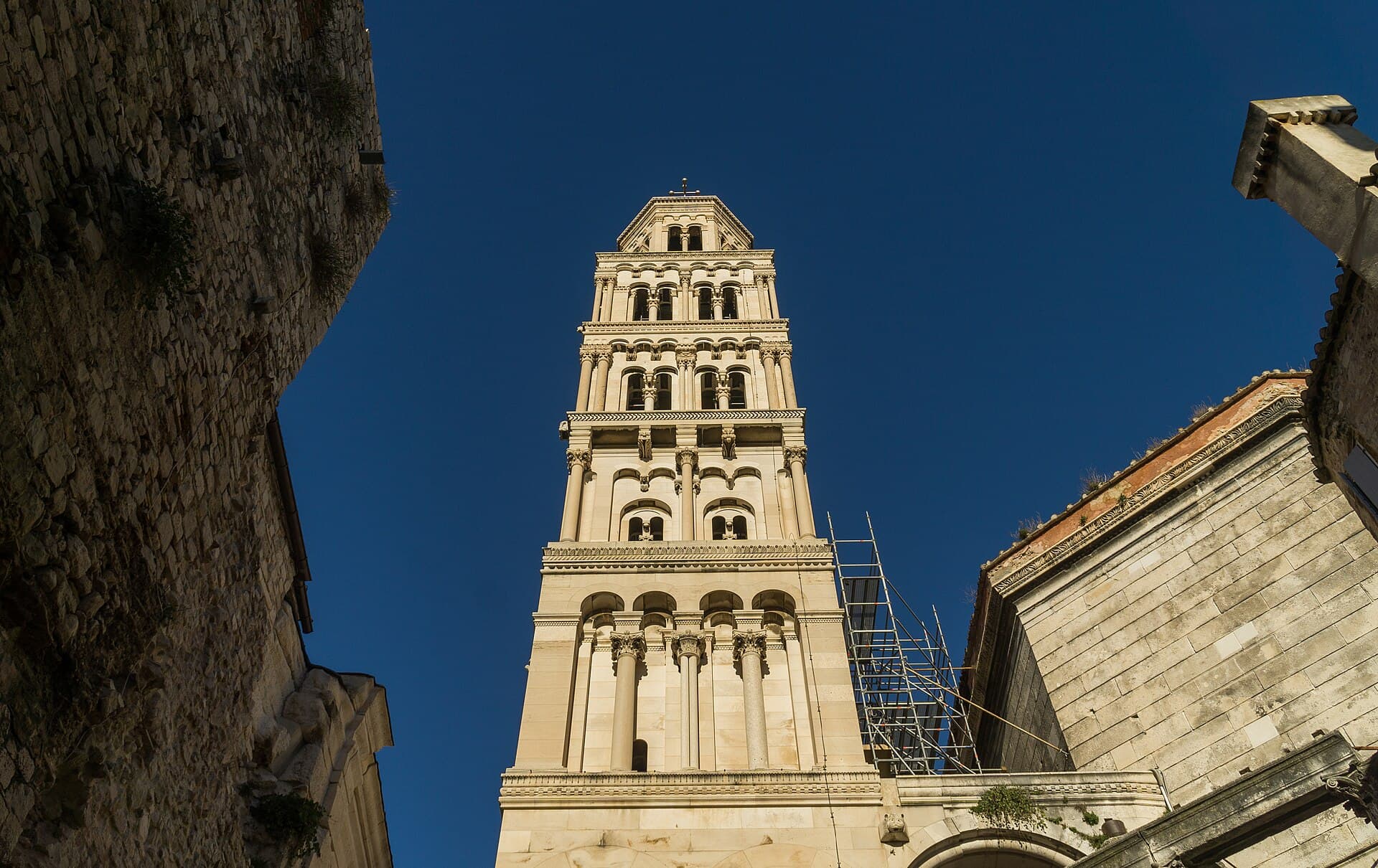 St. Domnius Cathedral & Jupiter's TempleSt. Domnius is history's quiet revenge: the mausoleum of Diocletian — the Christ2 minutes walk4.7
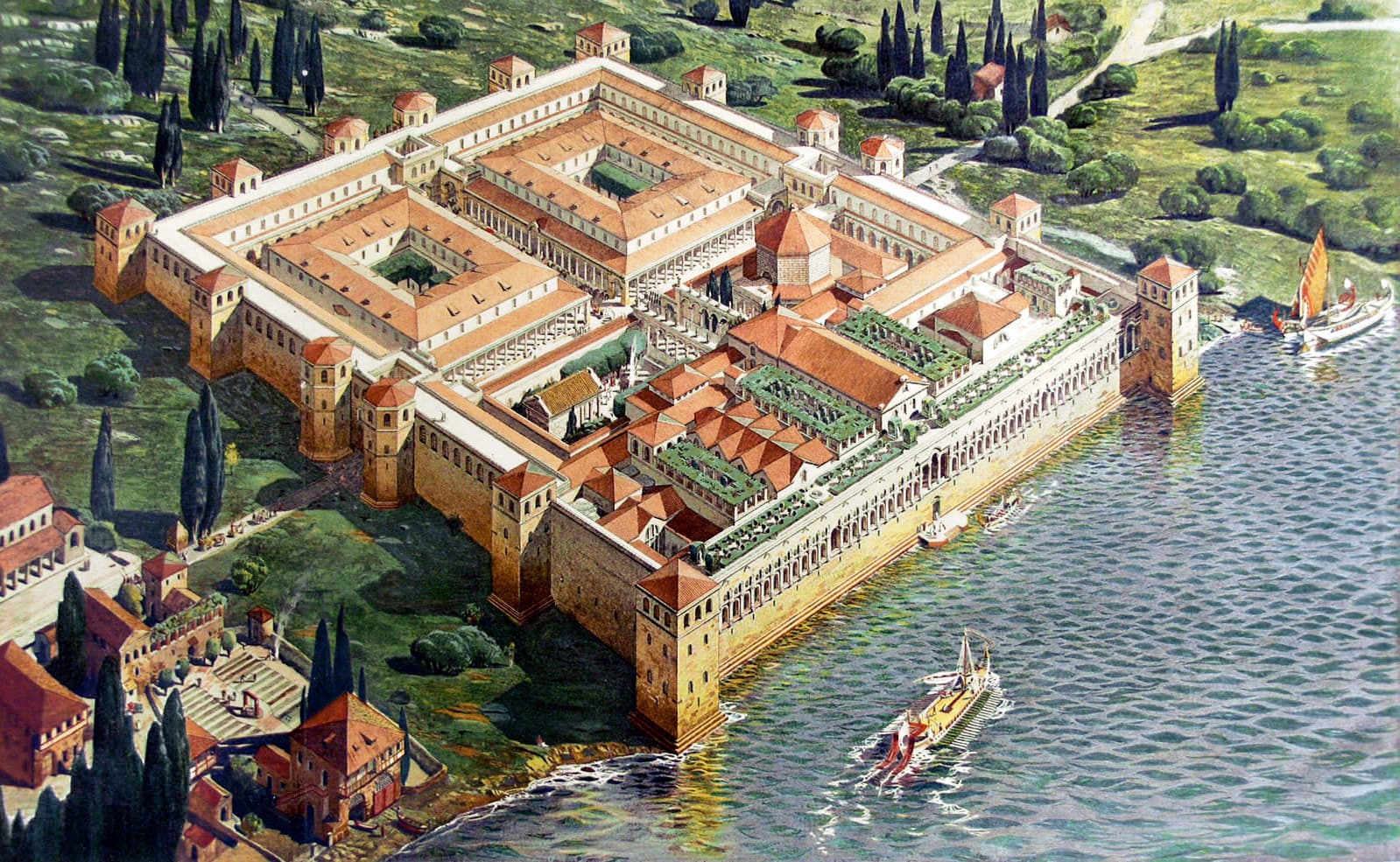 Diocletian's PalaceDiocletian's Palace is earth's strangest ruin in condition: the Roman emperor's 2 minutes walk4.8
The People's Square, Split's main square outside the palace's western wall, known locally as Pjaca. It grew in the Middle Ages and became the centre of civic administration. Around it stand the old Gothic town hall and several noble palaces. Today it is a square of cafés and passers-by, linking the Roman palace to the city's western front.
Three and a half centuries, from 1420 to 1797. Venice left its mark in the architecture — arched windows, balconies and carved winged lions — and in the dialect, the cooking and the administration. It was not a period of prosperity for the city: Venice ran Dalmatia as a military frontier against the Ottomans and a source of raw materials rather than a region to invest in. But its architectural mark is what distinguishes the Dalmatian coast today.