
The Melik House
Among the oldest surviving merchant houses in Bucharest, late eighteenth century.
Neoclassicism Enthusiast — CC BY-SA 4.0 · fusion-of-horizons — CC BY 2.0 · Neoclassicism Enthusiast — CC BY-SA 4.0 · Britchi Mirela — CC BY-SA 3.0 ro
A small museum showing the work of the Romanian painter Theodor Pallady, in the Melik House — among the oldest surviving merchant houses in Bucharest, dating from the late eighteenth century. Pallady (1871–1956) studied in Paris and was a fellow student of Henri Matisse in Gustave Moreau's studio, remaining his friend throughout his life. His manner joins classical restraint to French colour sensibility: quiet interiors, still life and nudes, in fine line and muted colour. He is counted among the most important Romanian painters of the twentieth century. The collection was given to the state by the Serat couple, and holds alongside Pallady's work pieces of European and Oriental art, furniture and carpets. The house itself is a further reason to visit: built in the old merchant pattern with stone cellars and living quarters above the store, a nearly vanished model of Bucharest architecture before the French modernisation. It is small — under ninety minutes.
Among the oldest surviving merchant houses in Bucharest, late eighteenth century.
Interiors and still life in fine line.
Stone cellars and living quarters above the store — a nearly vanished model.
The Melik House, central Bucharest
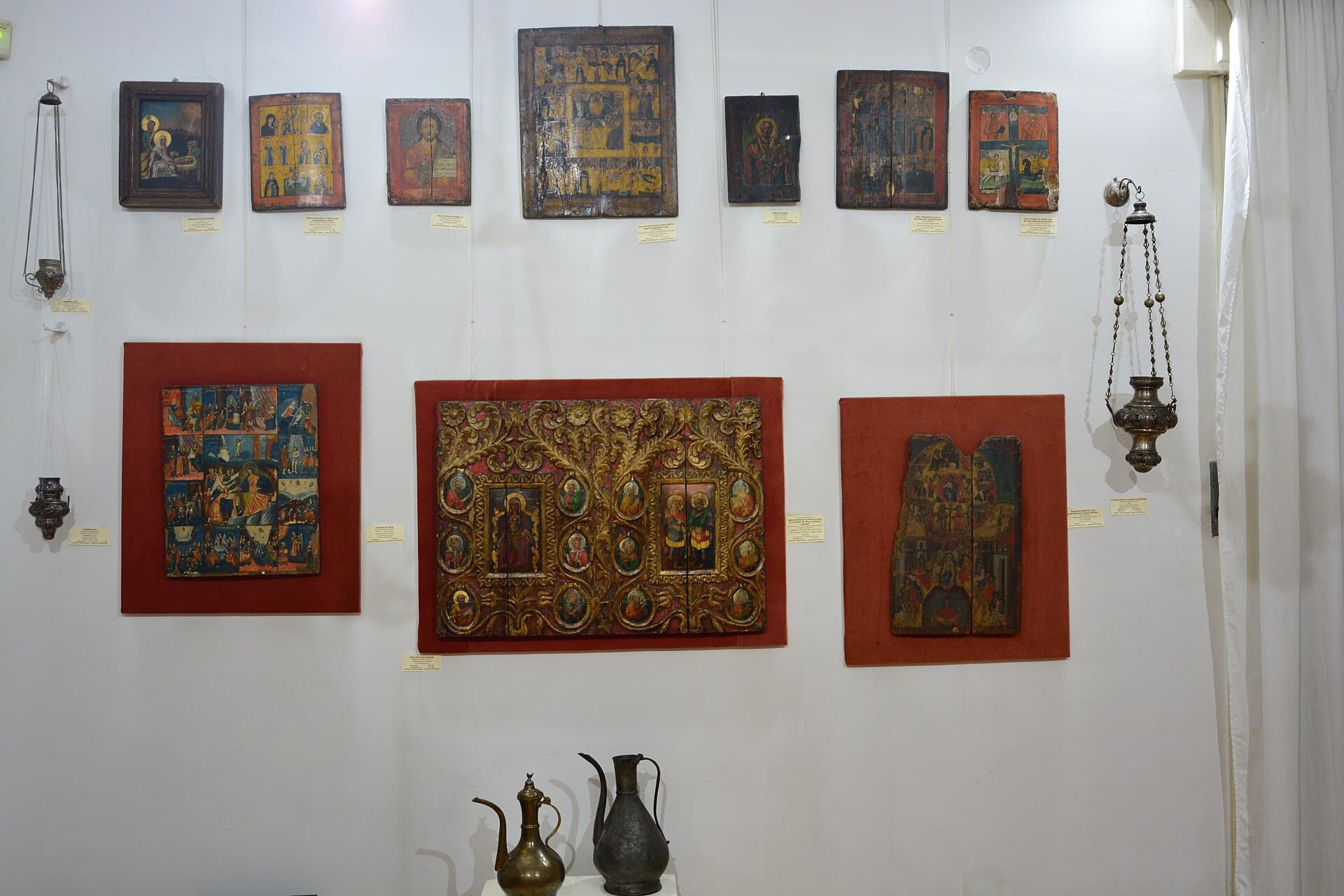 The Vasile Grigore Art MuseumA small museum joining the work of the Romanian painter Vasile Grigore to his pr7 minutes walk4.4
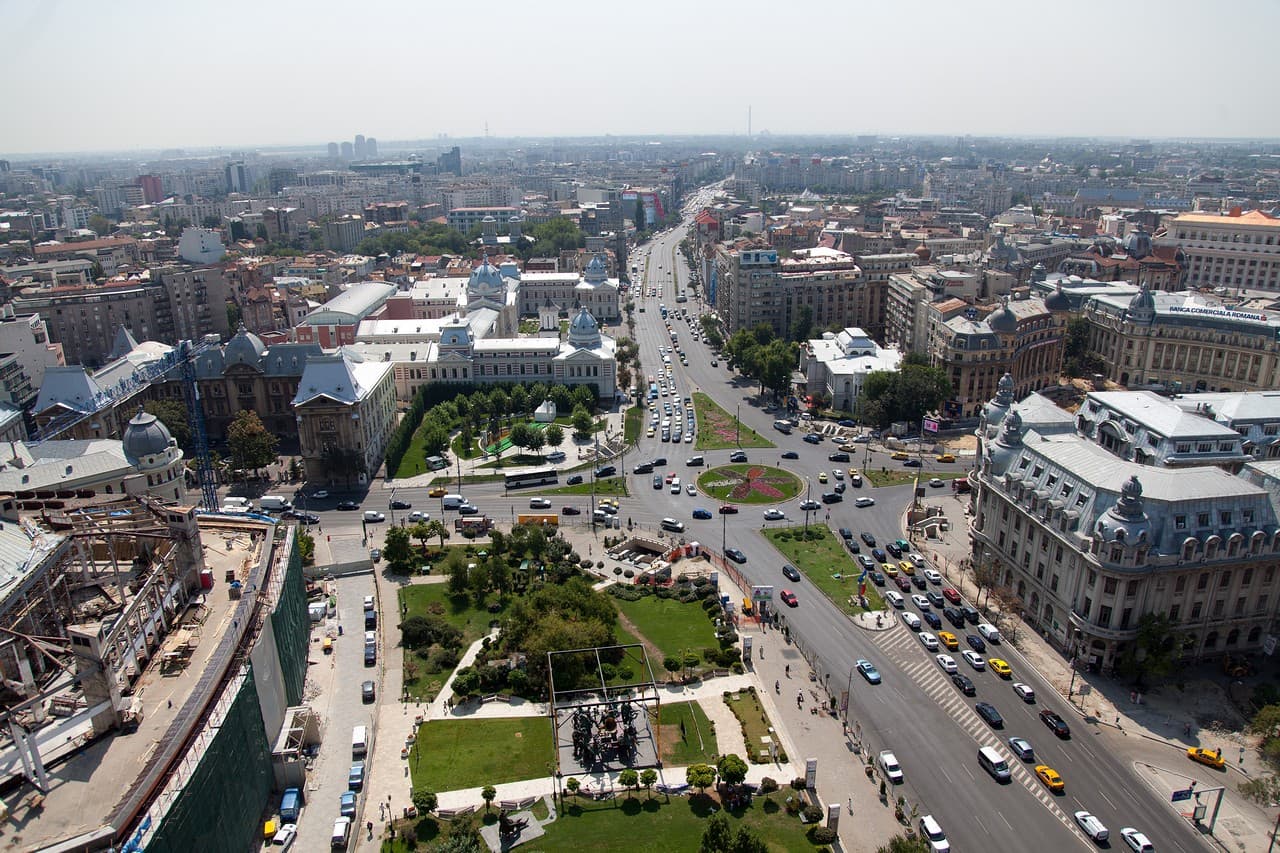 University SquareUniversity Square is where modern Romania happened. A wide junction ringed by th12 minutes walk4.4
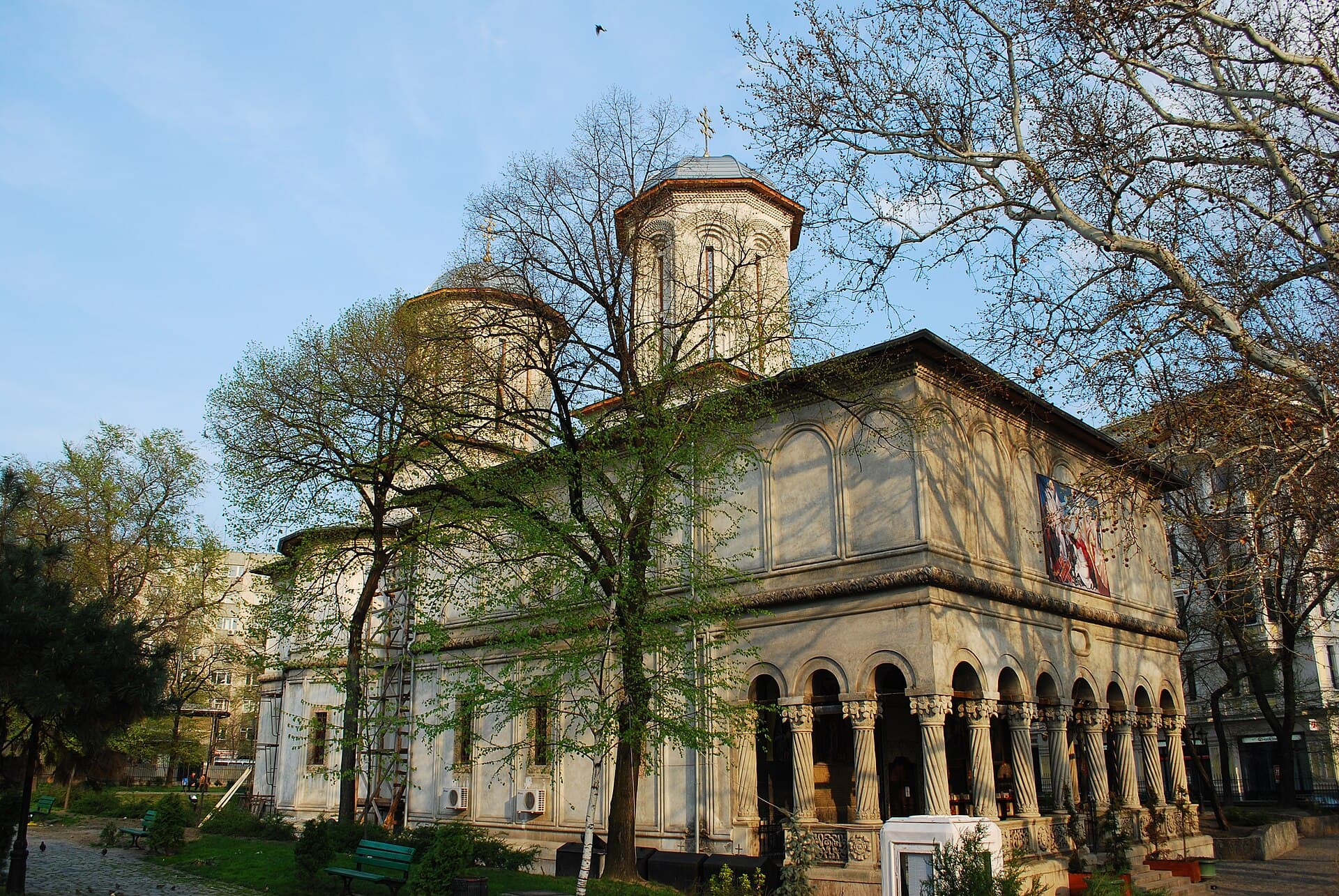 St George's New ChurchSt George's New Church stands at the edge of Lipscani, and holds two places in R13 minutes walk4.7
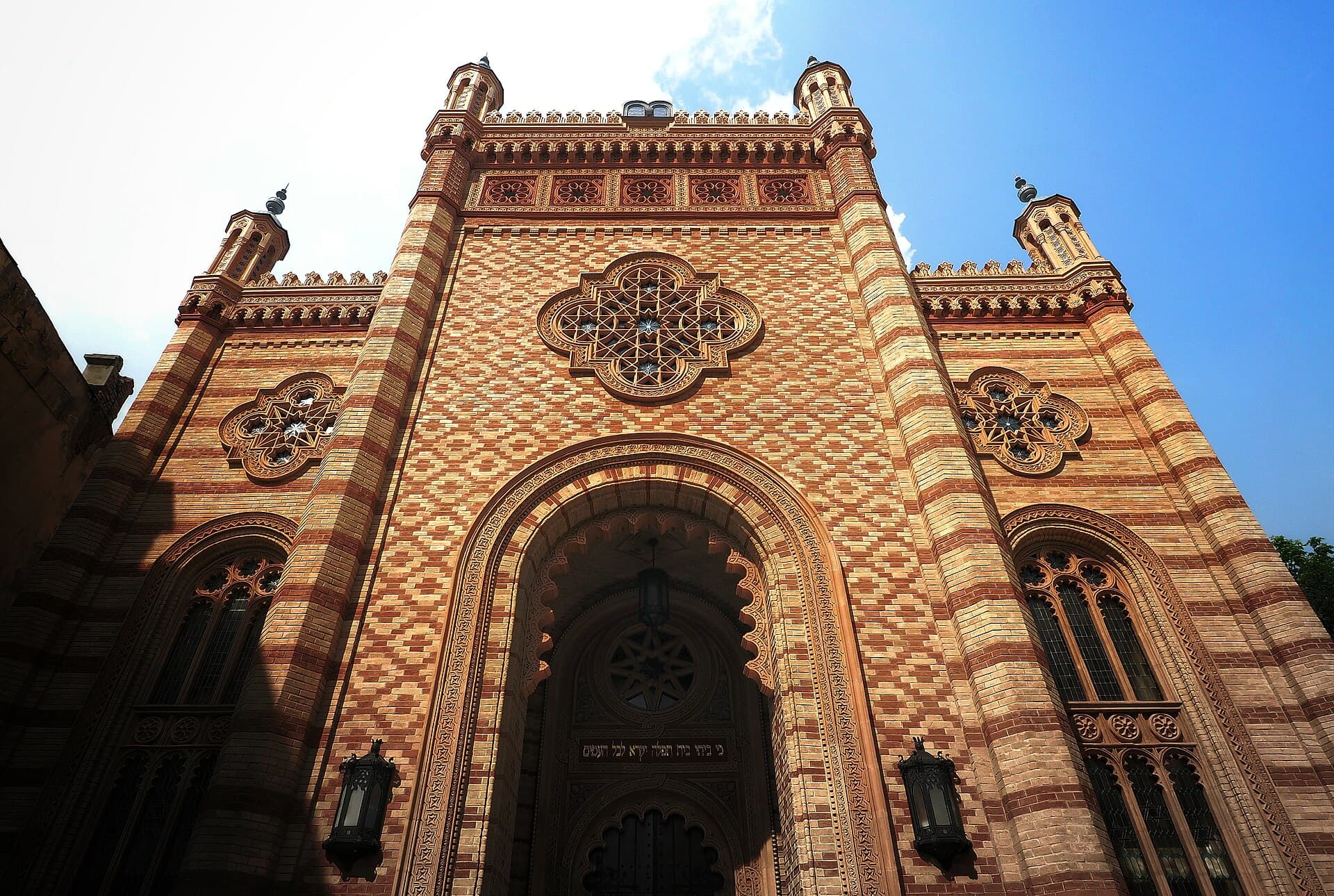 The Choral TempleThe Choral Temple is Bucharest's principal synagogue, built between 1857 and 18613 minutes walk4.5
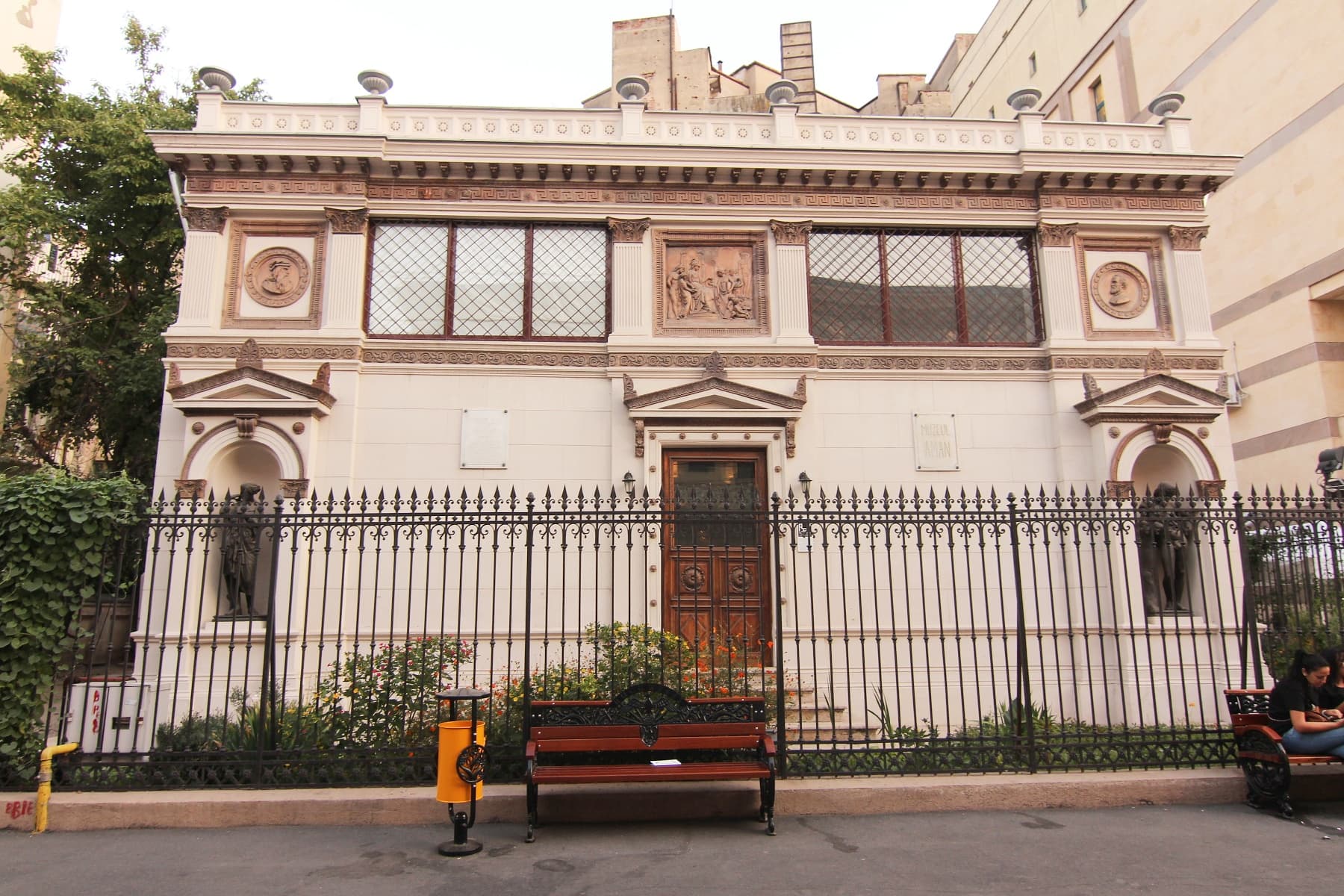 The Theodor Aman MuseumThe painter Theodor Aman's house in central Bucharest is Romania's first art mus15 minutes walk4.8
A Romanian painter born in 1871 in Iași to an aristocratic family, who studied engineering in Dresden before turning to painting in Paris. He spent most of his life moving between Paris and Bucharest, returning to Romania for good in 1940. His manner stayed independent of the avant-garde movements: neither cubist nor abstract, he kept classical construction with colouristic freedom. He died in Bucharest in 1956.
The National Museum of Art of Romania in the royal palace is the foundation, with a large modern Romanian gallery holding Grigorescu, Andreescu, Luchian and Pallady. The Museum of the Romanian Peasant is entirely different but among eastern Europe's finest — showing rural life, dress and icons on glass. The two together need a full day.