
Nineteenth-century display
Wooden cases, glass and specimens in solution, as science was once shown.
A university zoological museum belonging to Babeș-Bolyai University in Cluj, its collections going back to the mid-nineteenth century. University museums of this kind differ from the large natural history museums: they were originally teaching and research instruments rather than public exhibitions, and so strict scientific classification dominates — rows of preserved and mounted specimens ordered by order and family, with Latin labels and few scenes. This makes them dull for some visitors and absorbing for others. The style itself — wooden cases, glass and specimens in solution — has become part of the appeal: this is how science was displayed in the nineteenth century, and few places preserve it. The collection includes local animals of the Carpathians, specimens from Romanian scientific expeditions to Africa and Asia, and a large insect collection. It is small and its hours are limited — check before going.
Wooden cases, glass and specimens in solution, as science was once shown.
Local specimens from Romania's mountains and a large insect collection.
Specimens gathered by Romanian expeditions to Africa and Asia.
Babeș-Bolyai University, Cluj-Napoca
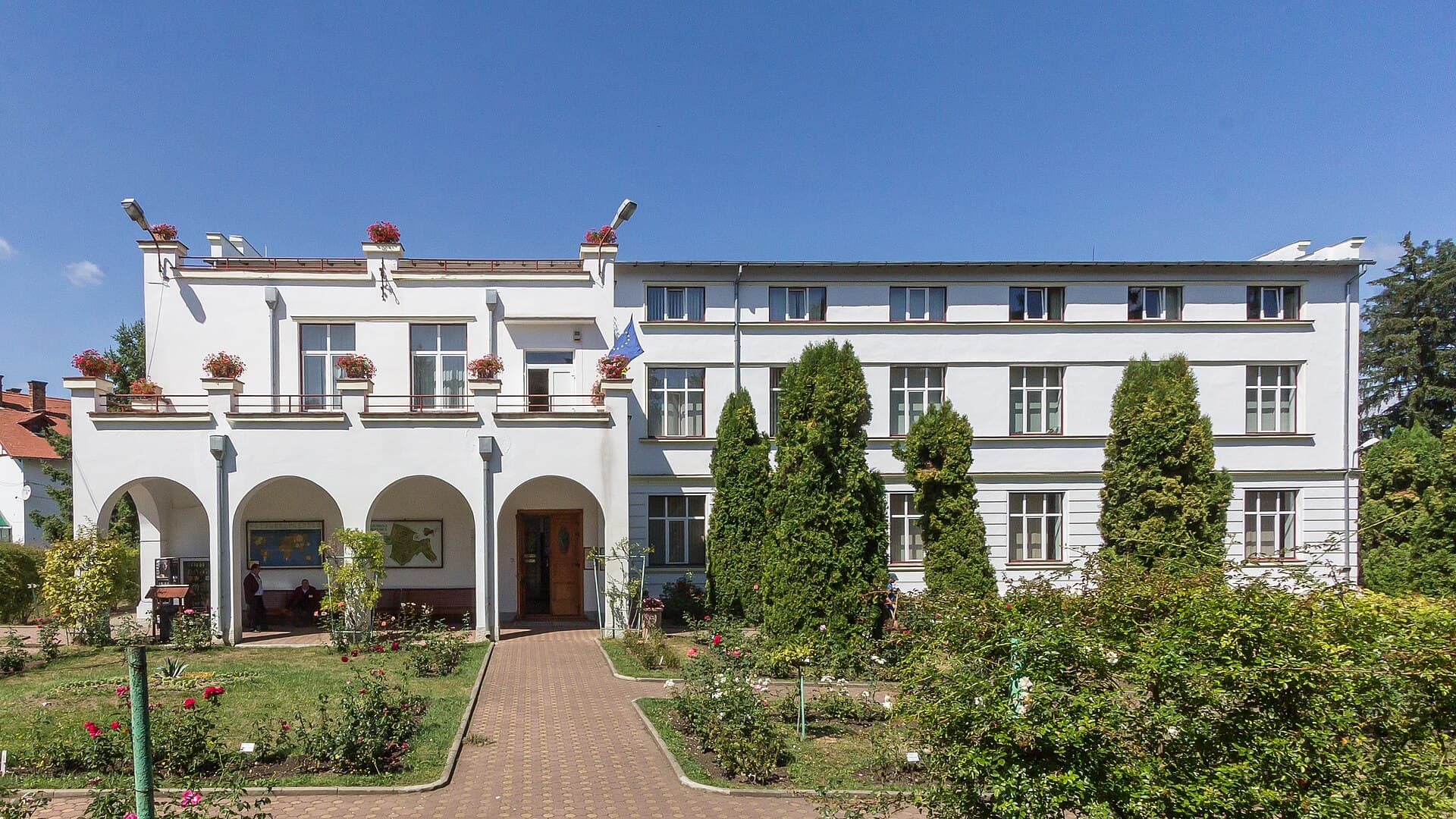 Alexandru Borza Botanical GardenRomania's loveliest botanical garden: 14 hectares on a hill south of the centre 8 minutes walk4.7
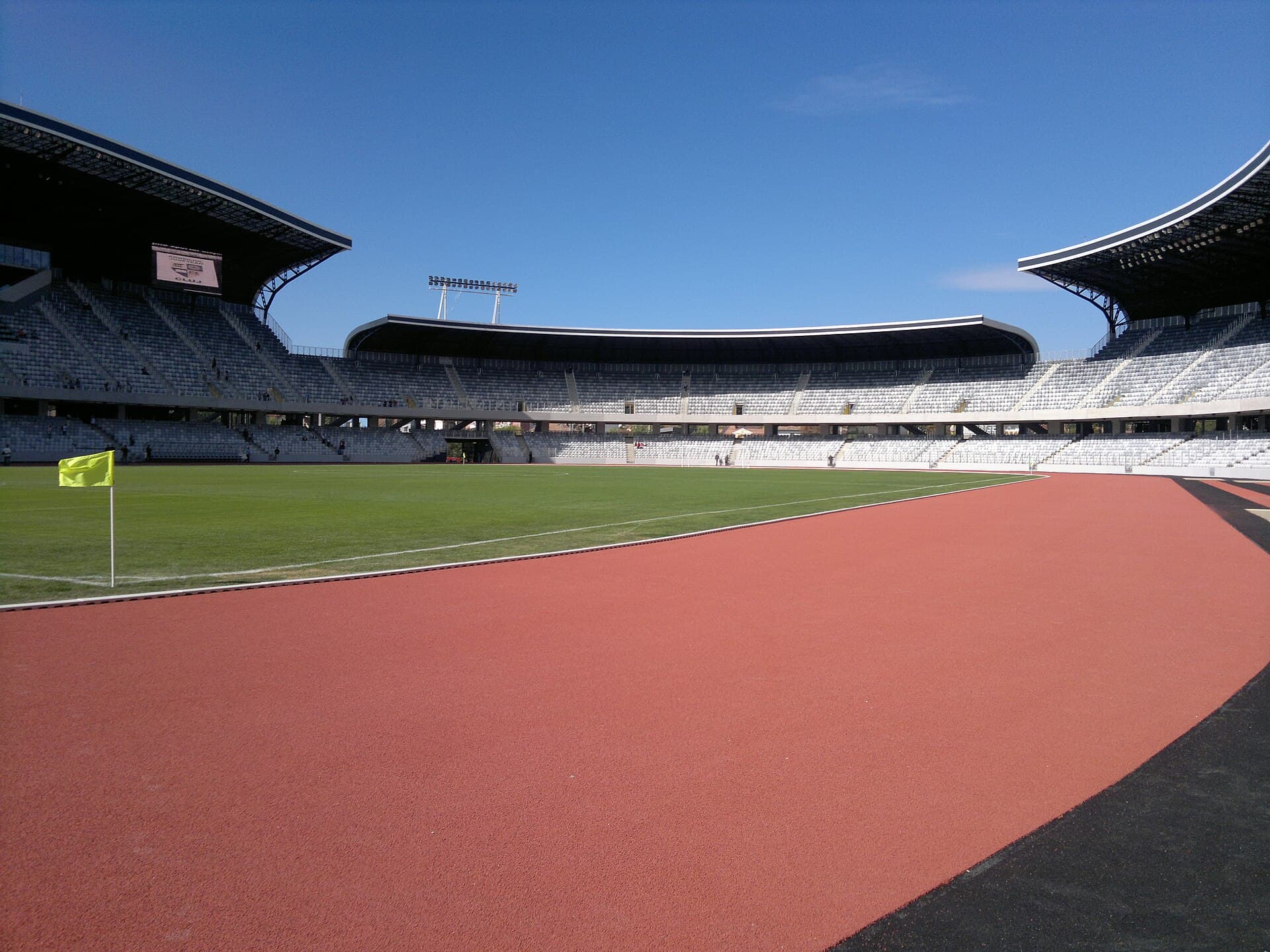 Cluj ArenaCluj Arena is a stadium of about thirty thousand seats on the bank of the Someș 10 minutes walk4.8
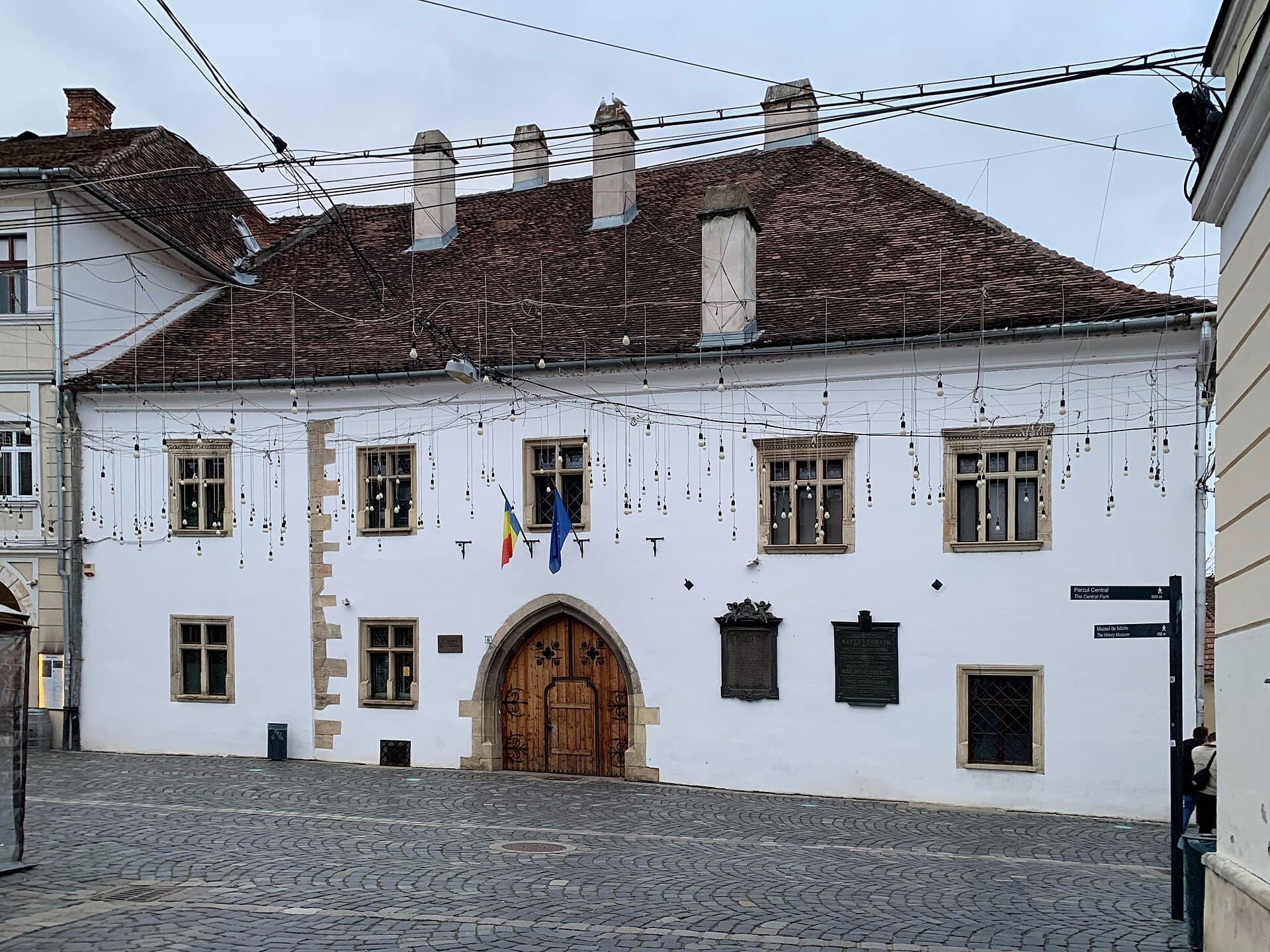 The Matthias Corvinus HouseA fifteenth-century stone house in a narrow lane near Union Square, where **Matt12 minutes walk4.8
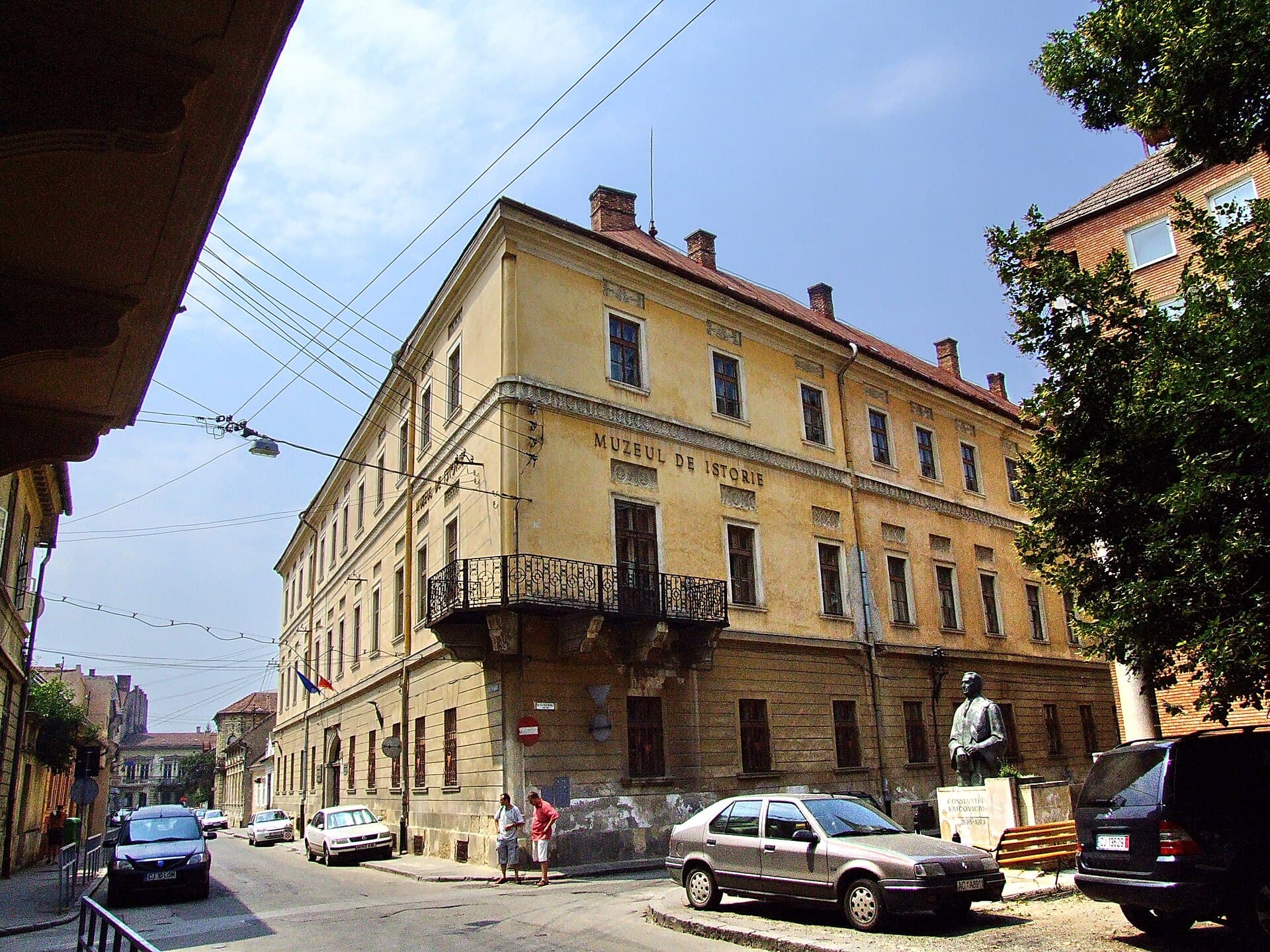 National Museum of Transylvanian HistoryTransylvania's memory in a Baroque palace west of Union Square: the National His12 minutes walk4.3
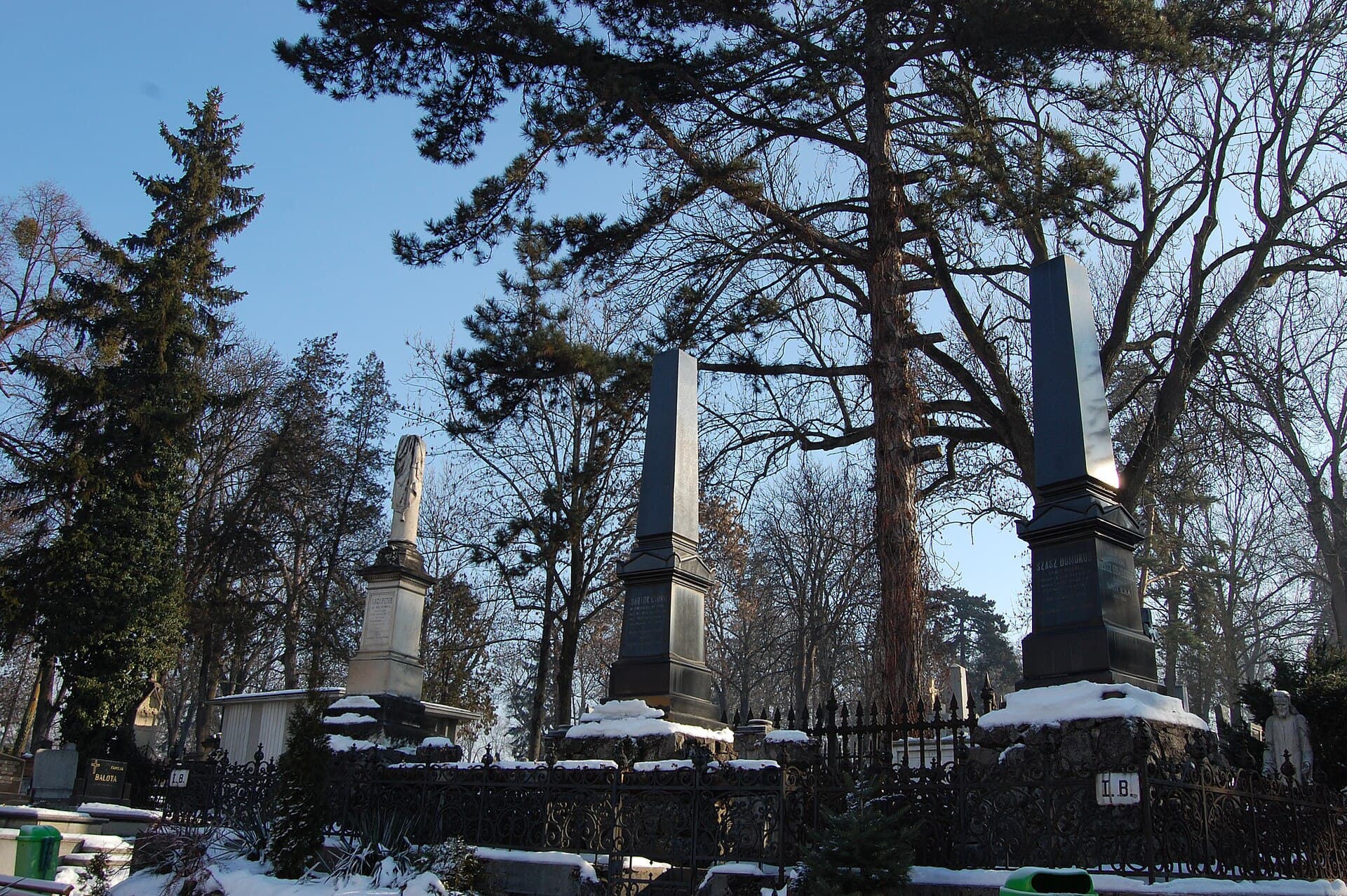 Házsongárd CemeteryHázsongárd Cemetery lies on a slope south of central Cluj and was opened in **1512 minutes walk4.4
Romania's largest university and the oldest higher education institution in Cluj, its roots reaching to the sixteenth century. Its name joins a Romanian scientist, Victor Babeș, to a Hungarian mathematician, János Bolyai, a deliberate choice reflecting the city's identity. It teaches officially in three languages — Romanian, Hungarian and German — a rare case in Europe and a reflection of Transylvania's historic composition.
The palaeontology and stratigraphy museum in roughly the same building, and the Alexandru Borza Botanical Garden south of the city — among eastern Europe's finest, holding a Japanese garden, tropical glasshouses and an observation tower. The garden deserves two hours in itself and suits families better than the scientific museums.