
The funerary sculpture
Late Baroque work of the eighteenth century.
Wikizoli — CC BY-SA 4.0 · Norbert Csaba — CC BY-SA 4.0 · Wikizoli — CC BY-SA 4.0 · Wikizoli — CC BY-SA 4.0
Házsongárd Cemetery lies on a slope south of central Cluj and was opened in **1585** — making it one of the oldest European cemeteries still in continuous use, and one of the most important survivals of the city's history. The name comes from the German Hasengarten, the hare garden, which is what the ground was before the city bought it after an outbreak of plague. What earns it an hour of your time is that it **tells the city's plurality**: gravestones in Hungarian, Latin, German and Romanian side by side, and Catholic, Protestant, Greek-Catholic, Orthodox, Jewish and Armenian burials on the same hillside. It holds the graves of university professors, writers, scientists and mayors across four centuries, and funerary sculpture from the eighteenth century and the late Baroque. Large trees make it entirely quiet despite how close it is to the centre. **Entry is free**, and the slope is steep in places.
Late Baroque work of the eighteenth century.
Complete quiet minutes from the city centre.
Strada Avram Iancu, Cluj-Napoca
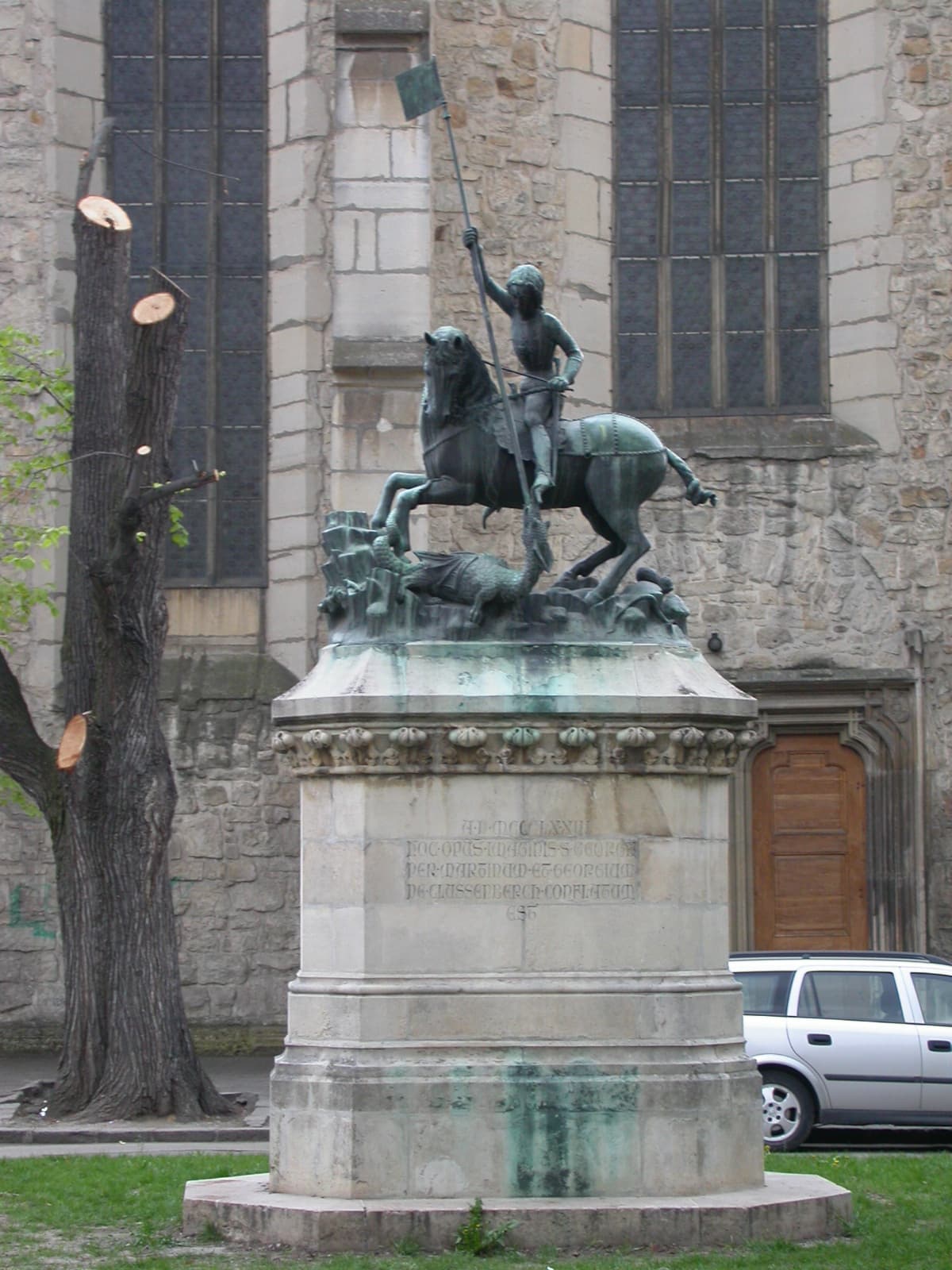 The Statue of St George, ClujA bronze statue of St George killing the dragon, a copy of a fourteenth-century 5 minutes walk4.8
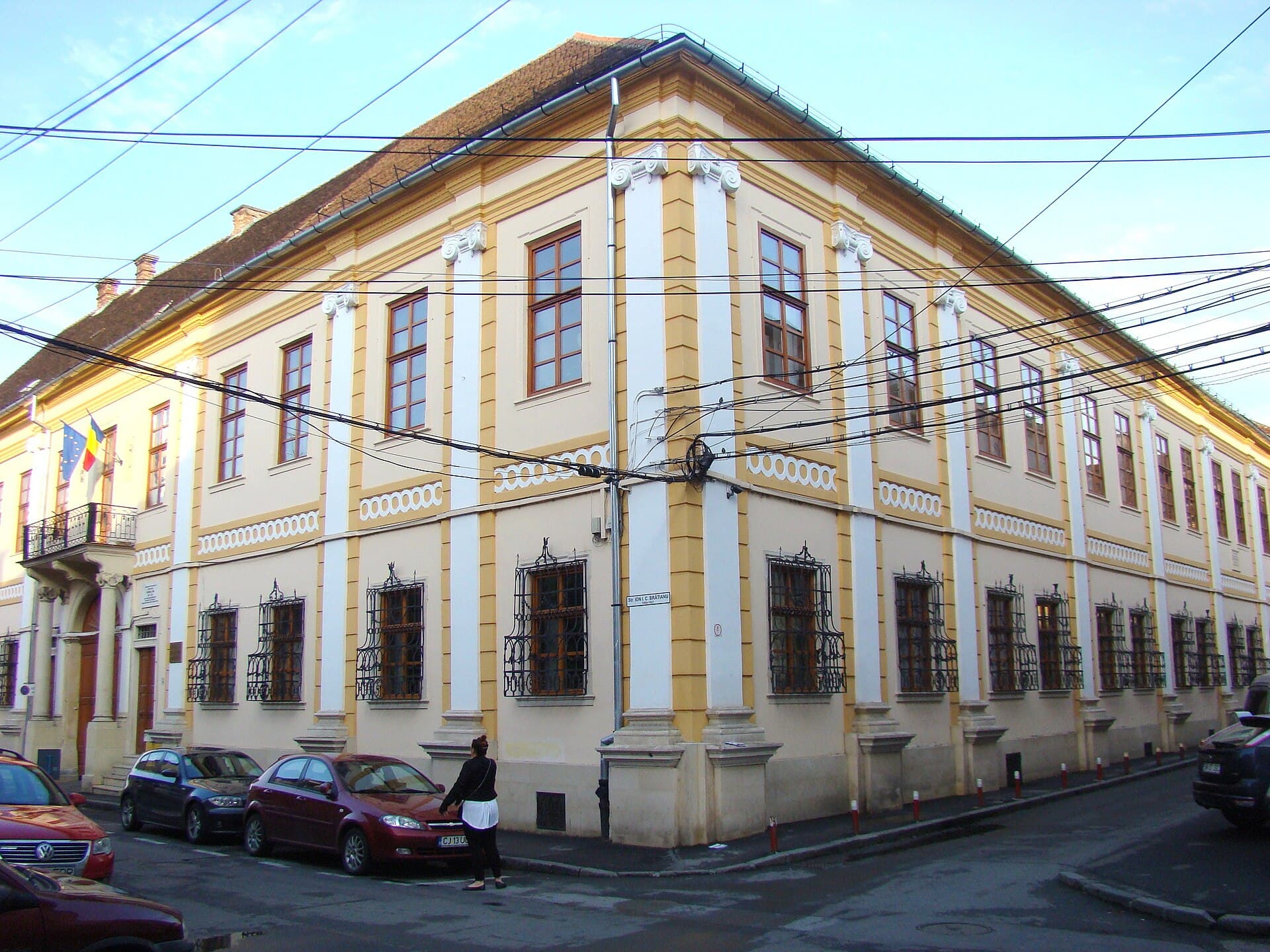 The Toldalagi-Korda PalaceThe Toldalagi-Korda Palace is among the handsomest of Cluj's town palaces, built5 minutes walk4.4
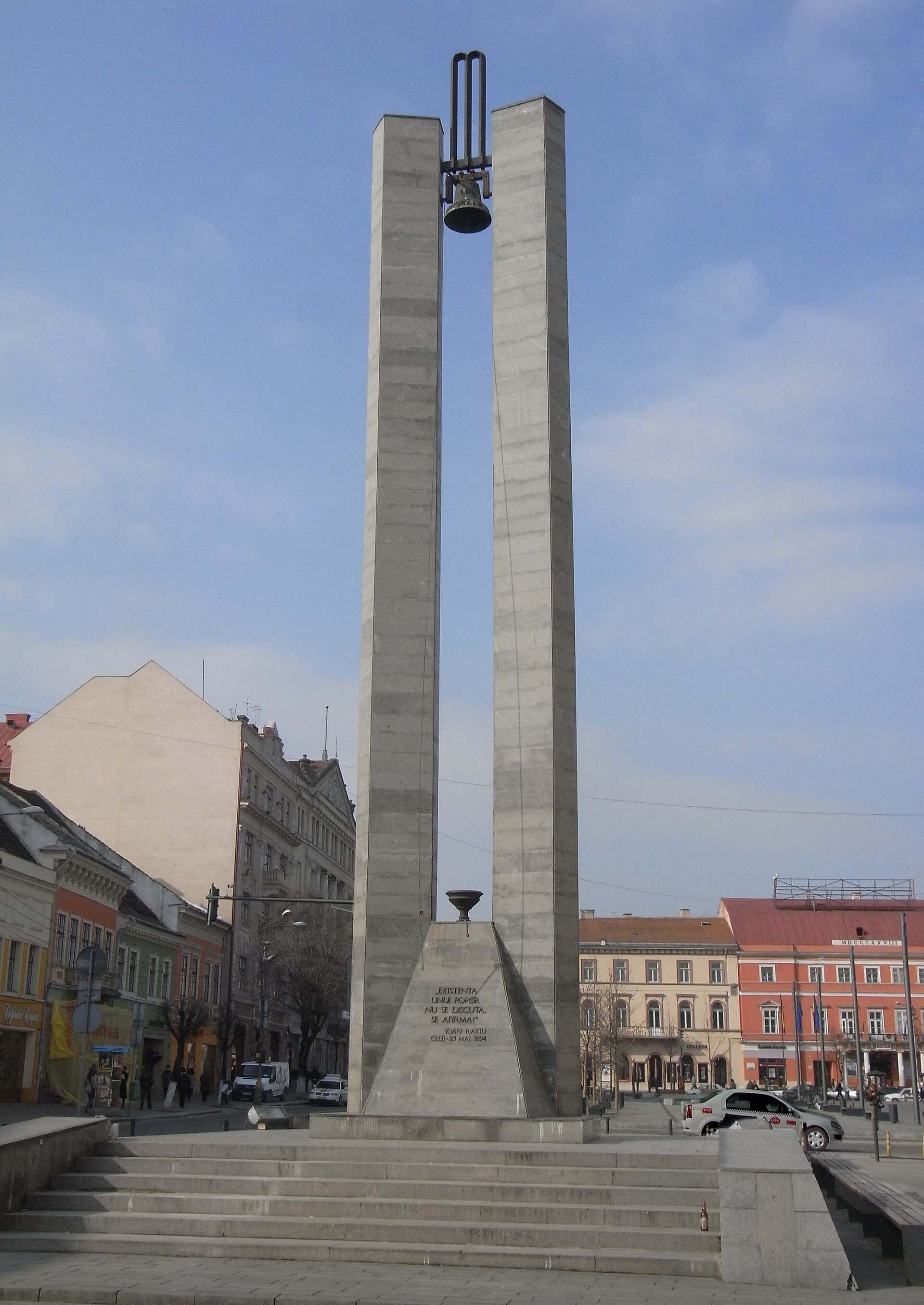 The Memorandum MonumentA memorial in Cluj to the Memorandists, a group of Romanian leaders in Transylva6 minutes walk4.5
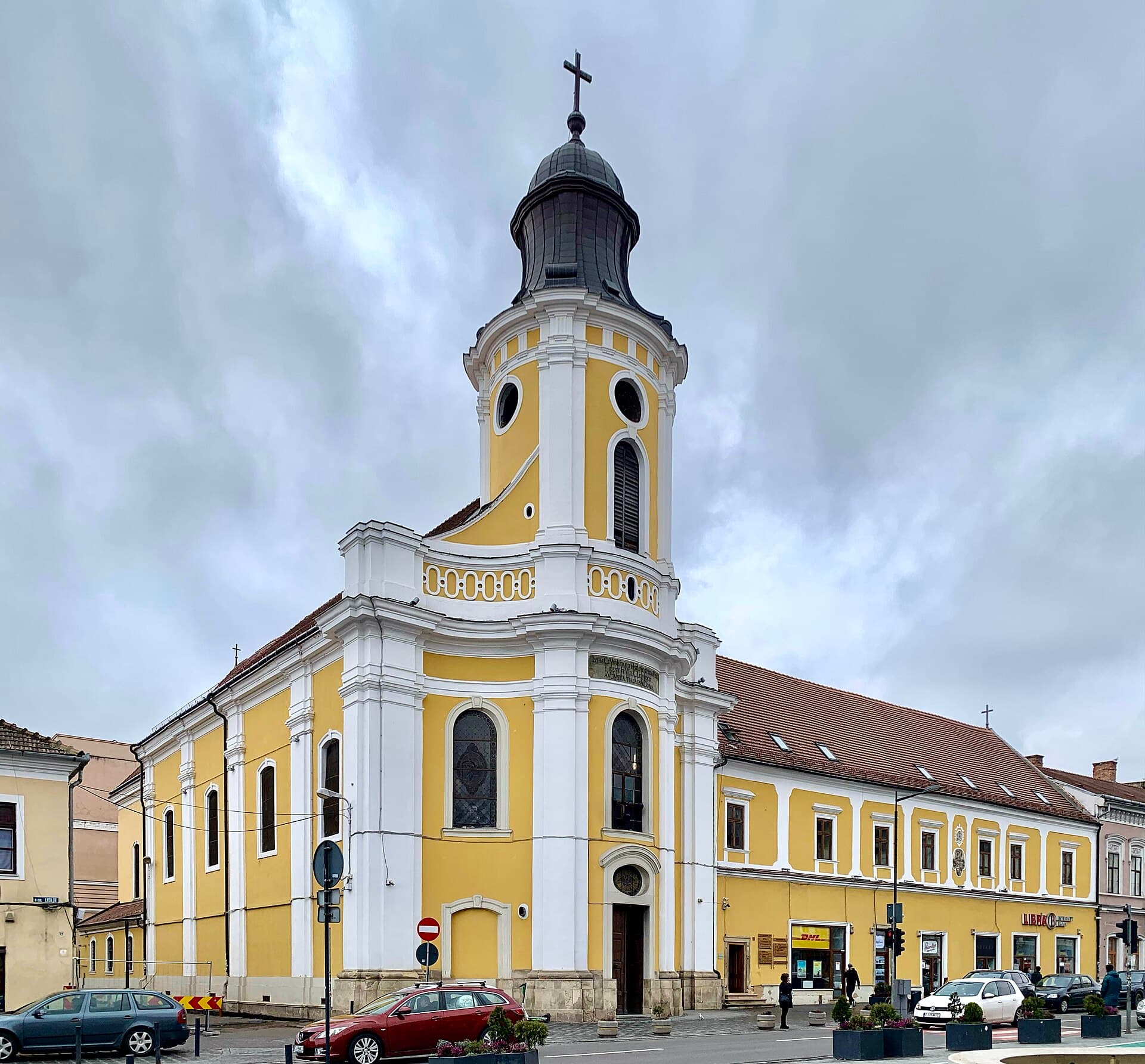 The Transfiguration CathedralThe Transfiguration Cathedral is a Baroque building of the mid-eighteenth centur6 minutes walk4.7
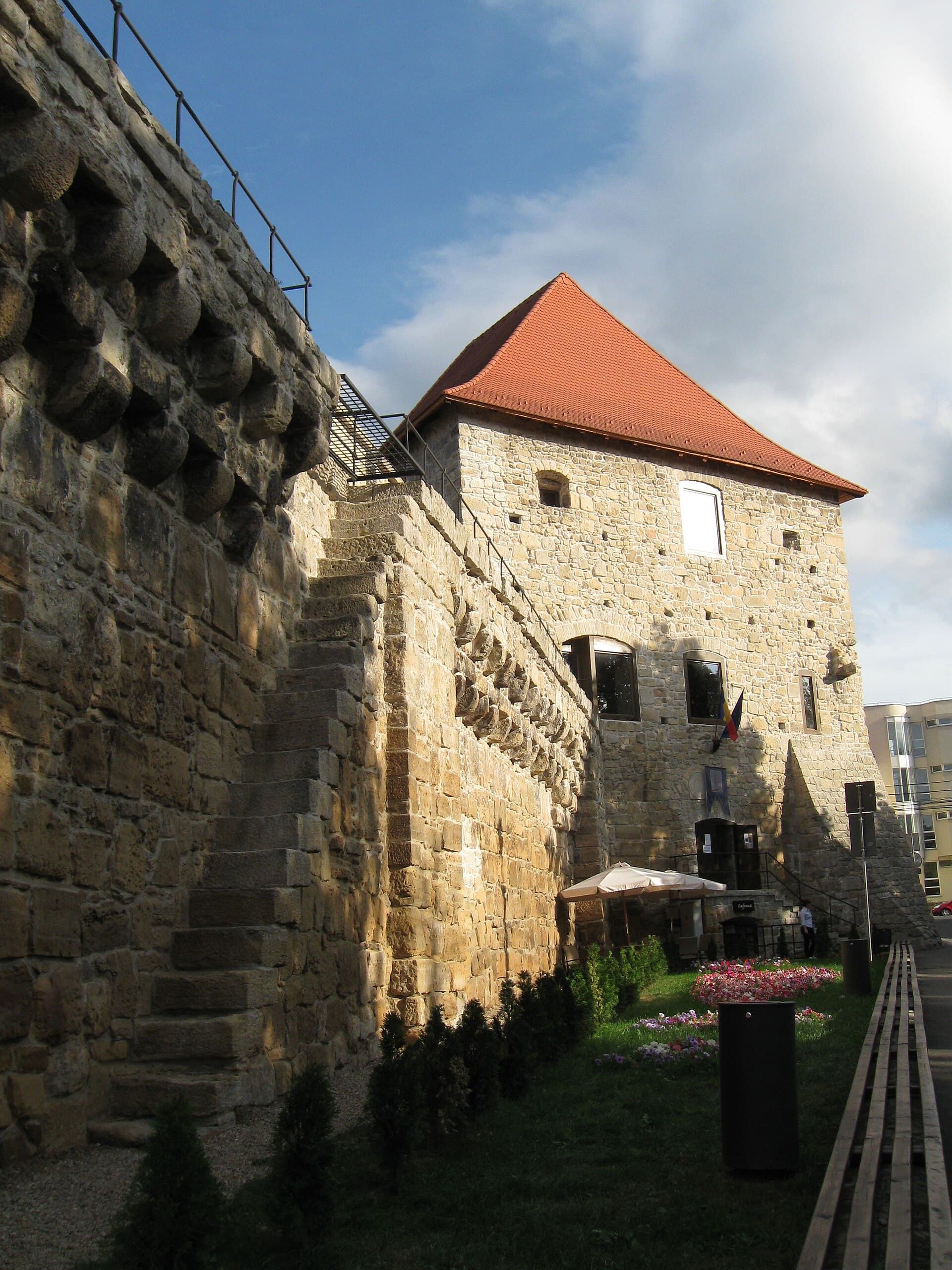 The Tailors' BastionA defensive tower at the south-eastern corner of Cluj's old wall, and the best s6 minutes walk4.5
Because three communities lived in it together for centuries. The Romanian **Cluj-Napoca** joins Cluj to Napoca, the Roman colony that stood on the site; the communist government added it in 1974 to assert the Roman root. The Hungarian **Kolozsvár** is its longest-used historical name, and it was the capital of the principality of Transylvania. The German **Klausenburg** comes from the Saxon settlers. Today its population is mostly Romanian with a large Hungarian community, both languages are heard in the street, and many signs carry both. That plurality is the key to the city, and Házsongárd is the clearest place to see it.