
Baltic amber
Fossil resin forty million years old from the Polish coast.
Panek — CC BY-SA 3.0 · Maksym Kozlenko — CC BY-SA 4.0 · Maksym Kozlenko — CC BY-SA 4.0 · Maksym Kozlenko — CC BY-SA 4.0
A geological museum belonging to the Polish Geological Institute, on its campus south of central Warsaw. The institute itself was founded in 1919, immediately after Poland regained independence, as part of a state-building project: surveying the country's resources and knowing what lay beneath its ground. That context explains the collection. The display holds minerals and rocks from Poland and the world, fossils, core samples from deep boreholes, and meteorites. The most prominent section concerns Poland's geology: Baltic amber, Silesian coal, salt from the Wieliczka and Bochnia mines, and copper from the Lubin basin. These are not neutral exhibits: they are the resources that shaped the Polish economy and the conflicts over it in the twentieth century. The museum is small, cheap and suitable for families, its hours tied to the institute. Check before going.
Fossil resin forty million years old from the Polish coast.
From the World Heritage listed mine.
What shaped the Polish economy and the conflicts over it.
The Polish Geological Institute, Rakowiecka street
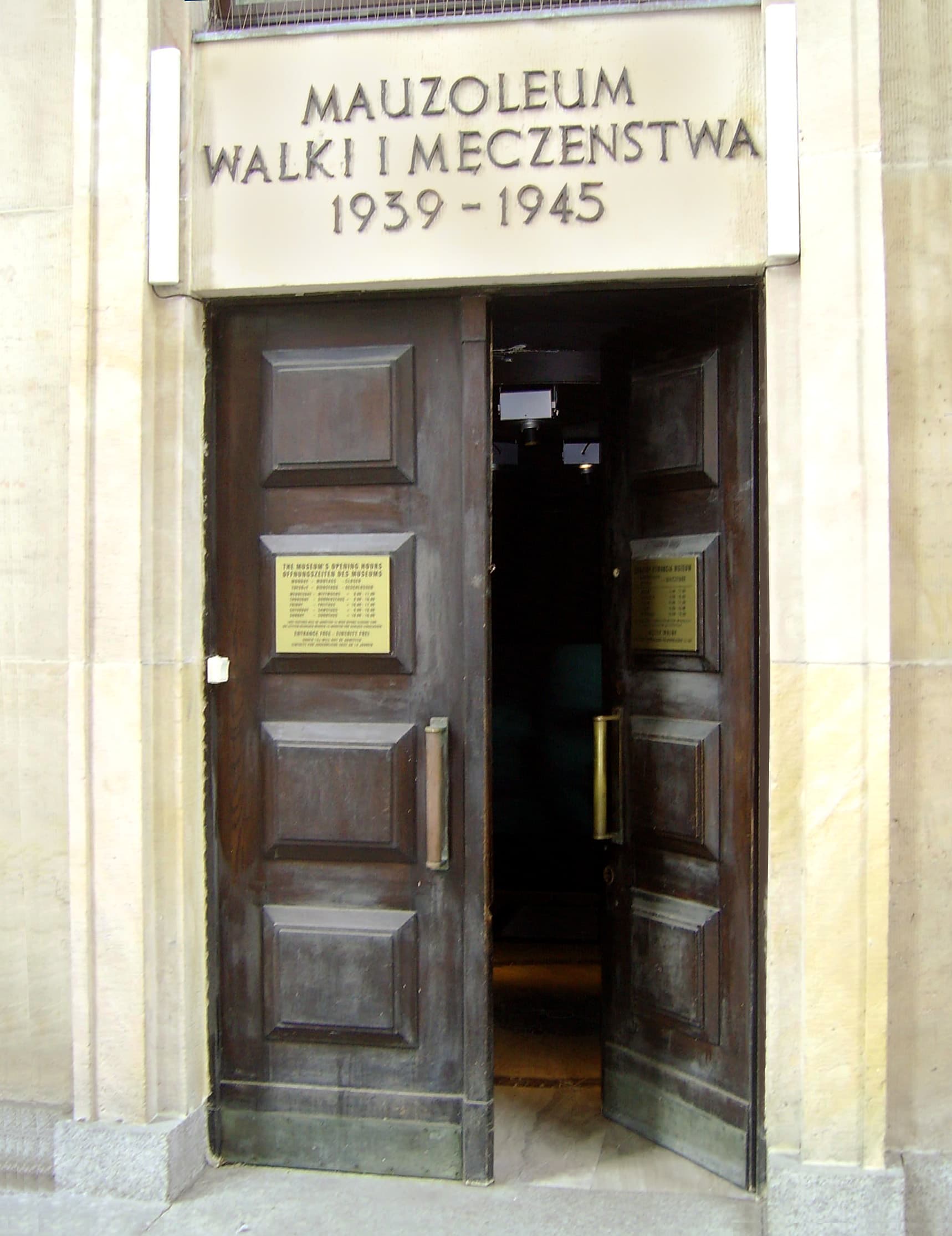 Mausoleum of Struggle and MartyrdomThe cellars of a building on Aleja Szucha that served as the Gestapo headquarter14 minutes walk4.6
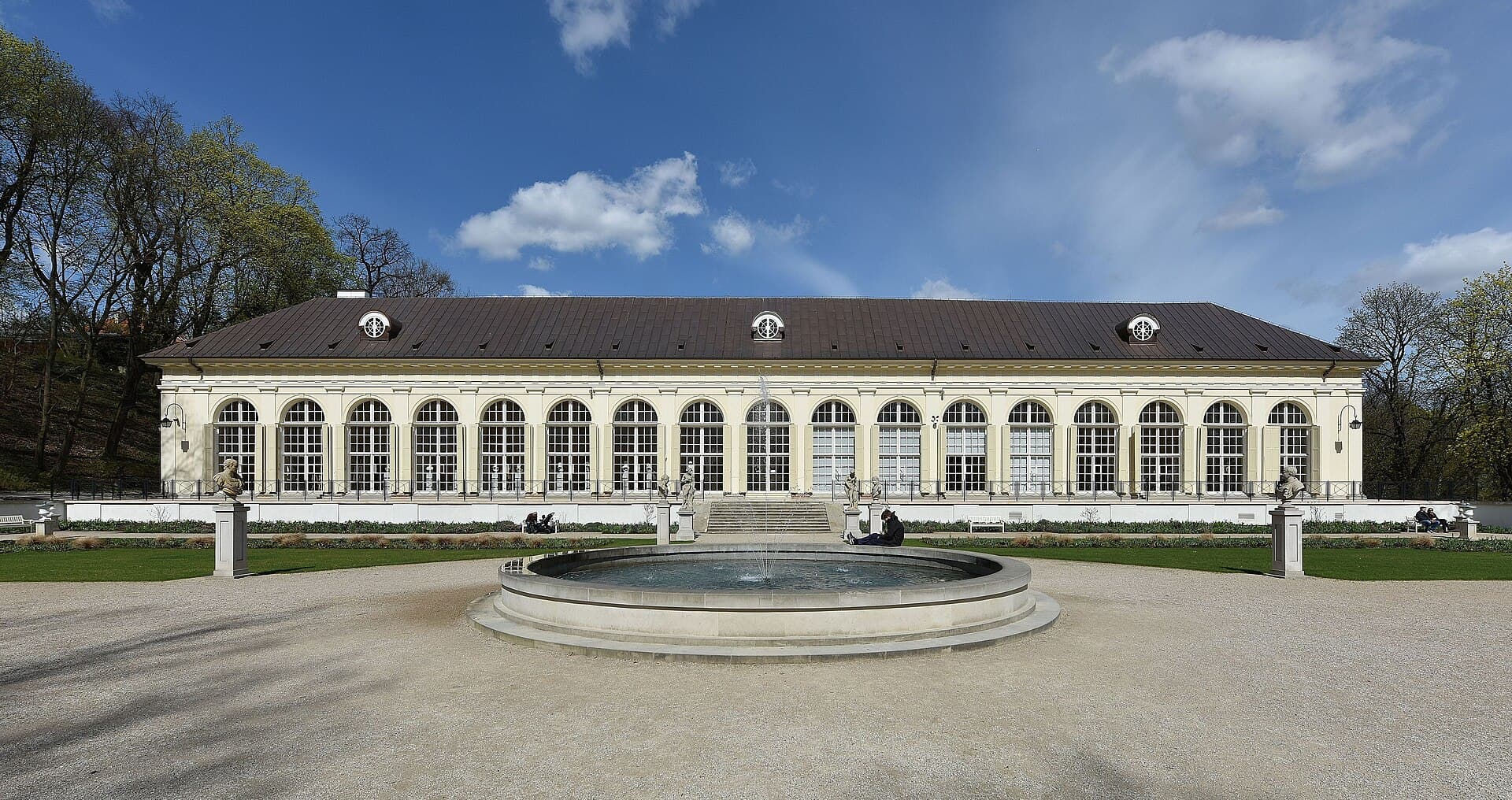 The Old Orangery and Royal TheatreA building in the Royal Łazienki Park raised in 1788 to house orange trees throu17 minutes walk4.6
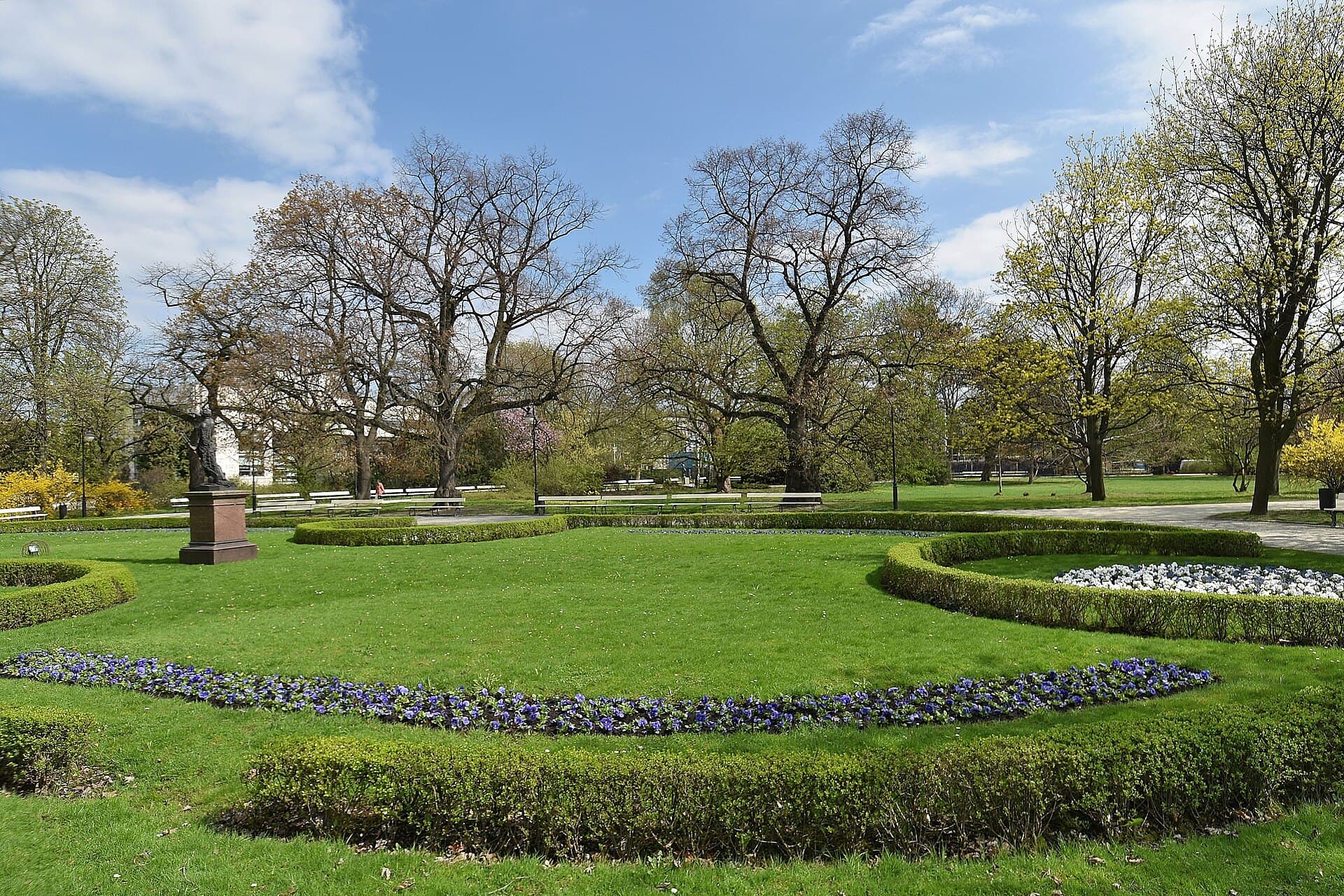 Ujazdów ParkA small, elegant park on Aleje Ujazdowskie south of central Warsaw, opened in 1819 minutes walk4.8
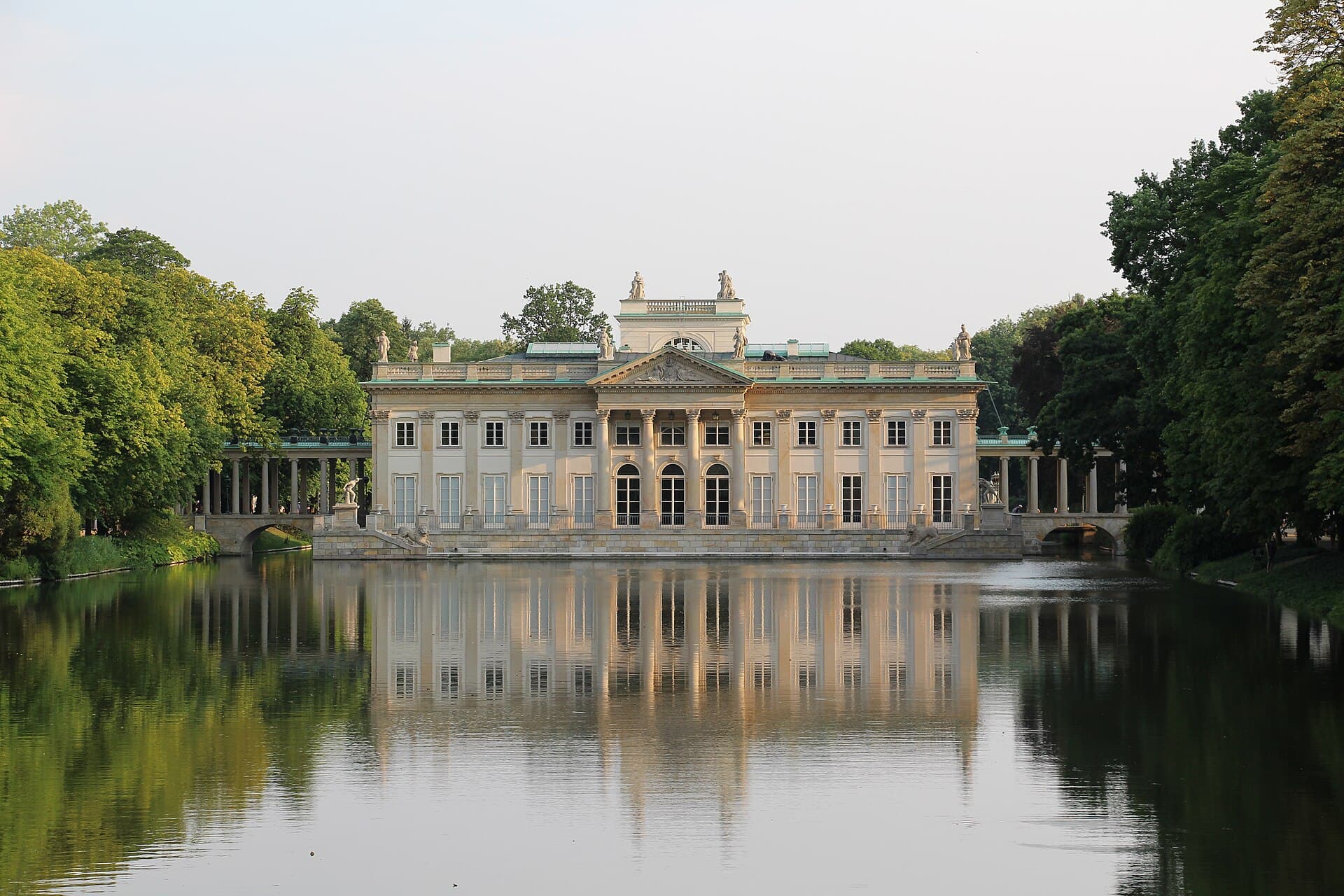 The Royal Łazienki Park & PalacesŁazienki is Warsaw's royal paradise: seventy-six hectares the last king, Stanisł21 minutes walk4.9
A salt mine near Kraków worked from the thirteenth century until 1996 — about seven continuous centuries. It holds more than three hundred kilometres of tunnels on nine levels, with chambers, chapels and sculpture carved by the miners from the salt itself. The best known is St Kinga's Chapel: an underground hall twelve metres high with salt chandeliers and wall reliefs. It was on the first World Heritage list in 1978. A day trip from Kraków, ticketed and by guided tour.
Fossilised tree resin formed about forty million years ago in the pine forests that covered northern Europe, then washed by rivers into what became the Baltic Sea. Ninety per cent of the world's amber comes from this region. It washes up on the shores of Poland, Lithuania and Russia after storms, and sometimes traps insects and plants preserved in astonishing detail. Gdańsk has been the centre of its trade and craft for centuries.