
Inscriptions scratched by hand
Names, dates and prayers written by prisoners on the walls, left where they are.
Thunderman83 — Public domain · Adrian Grycuk — CC BY-SA 3.0 pl · Adrian Grycuk — CC BY-SA 3.0 pl · Adrian Grycuk — CC BY-SA 3.0 pl
The cellars of a building on Aleja Szucha that served as the Gestapo headquarters in Warsaw and a place of interrogation and torture, today a small museum preserved as it was. Before the war the building housed the Polish education ministry. Between 1939 and 1944 the German secret police used it as their city headquarters, and its cellars as collective cells and interrogation rooms. Those who passed through are estimated in the tens of thousands, and many were moved from here to Pawiak prison or executed. What survives is what makes the place particularly heavy: the four collective cells, the interrogation room and the waiting corridors in their original state, and on the walls the prisoners' inscriptions — names, dates, prayers and family names — scratched with fingernails and pieces of glass and left where they are. This is not an exhibition but a preserved place. There is no extended interpretation and no multimedia. Entry is normally free and the visit short, but it is among the heaviest things in Warsaw. Unsuitable for children. Do not make it the last thing in your day.
Names, dates and prayers written by prisoners on the walls, left where they are.
No extended interpretation and no multimedia — only the cellars as they were.
The building housed the Polish education ministry before the war.
Aleja Szucha, Ujazdów district
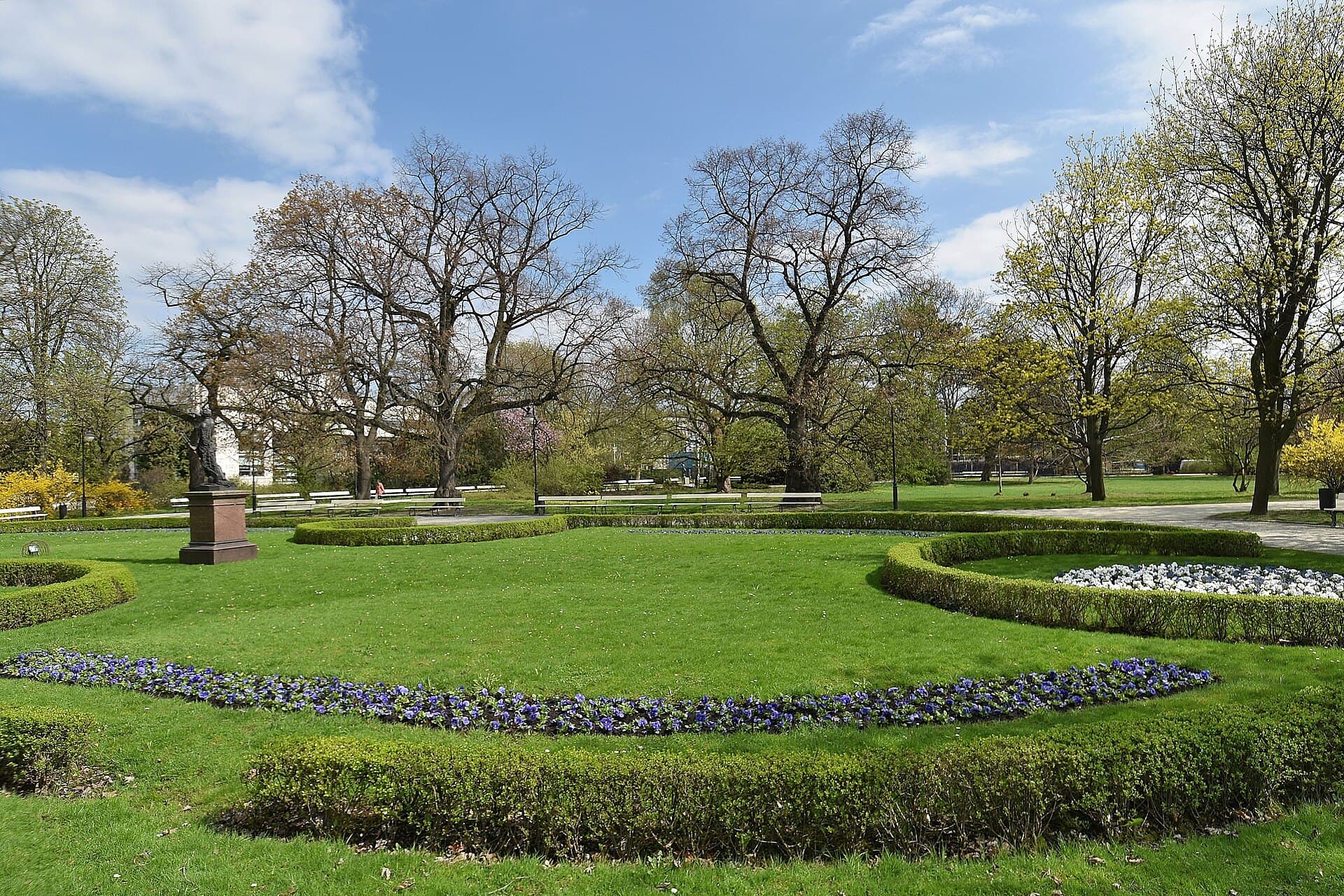 Ujazdów ParkA small, elegant park on Aleje Ujazdowskie south of central Warsaw, opened in 185 minutes walk4.8
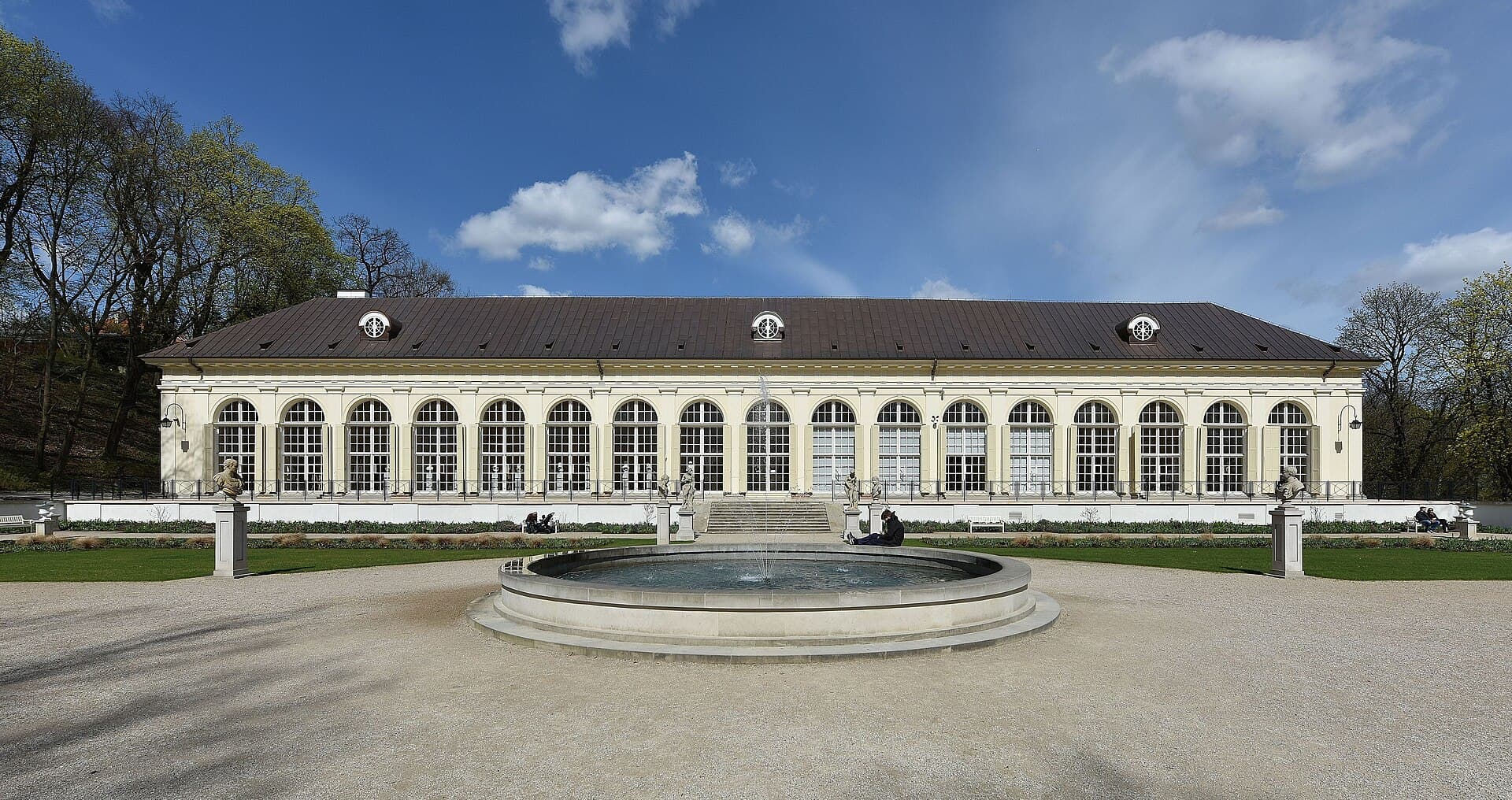 The Old Orangery and Royal TheatreA building in the Royal Łazienki Park raised in 1788 to house orange trees throu6 minutes walk4.6
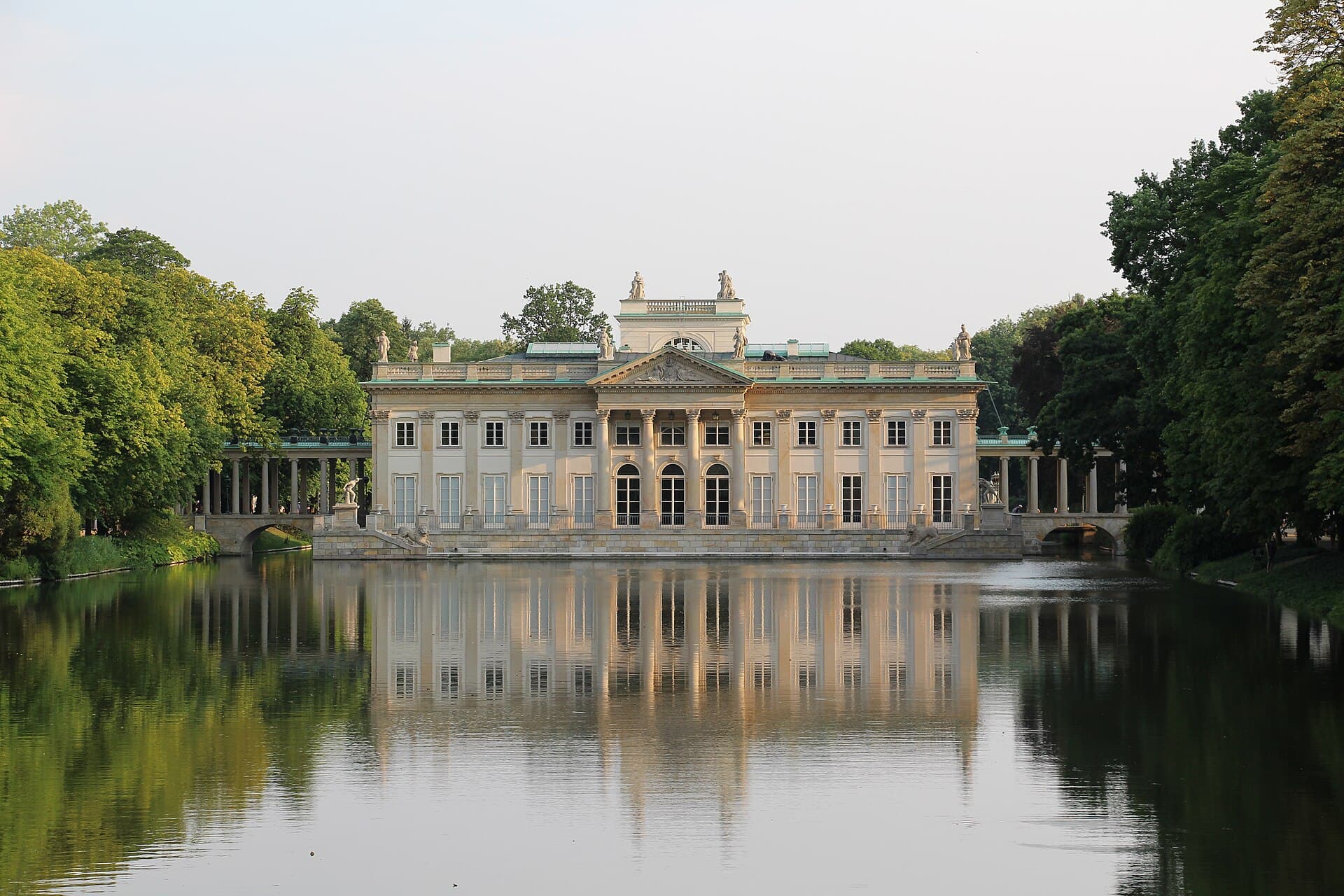 The Royal Łazienki Park & PalacesŁazienki is Warsaw's royal paradise: seventy-six hectares the last king, Stanisł11 minutes walk4.9
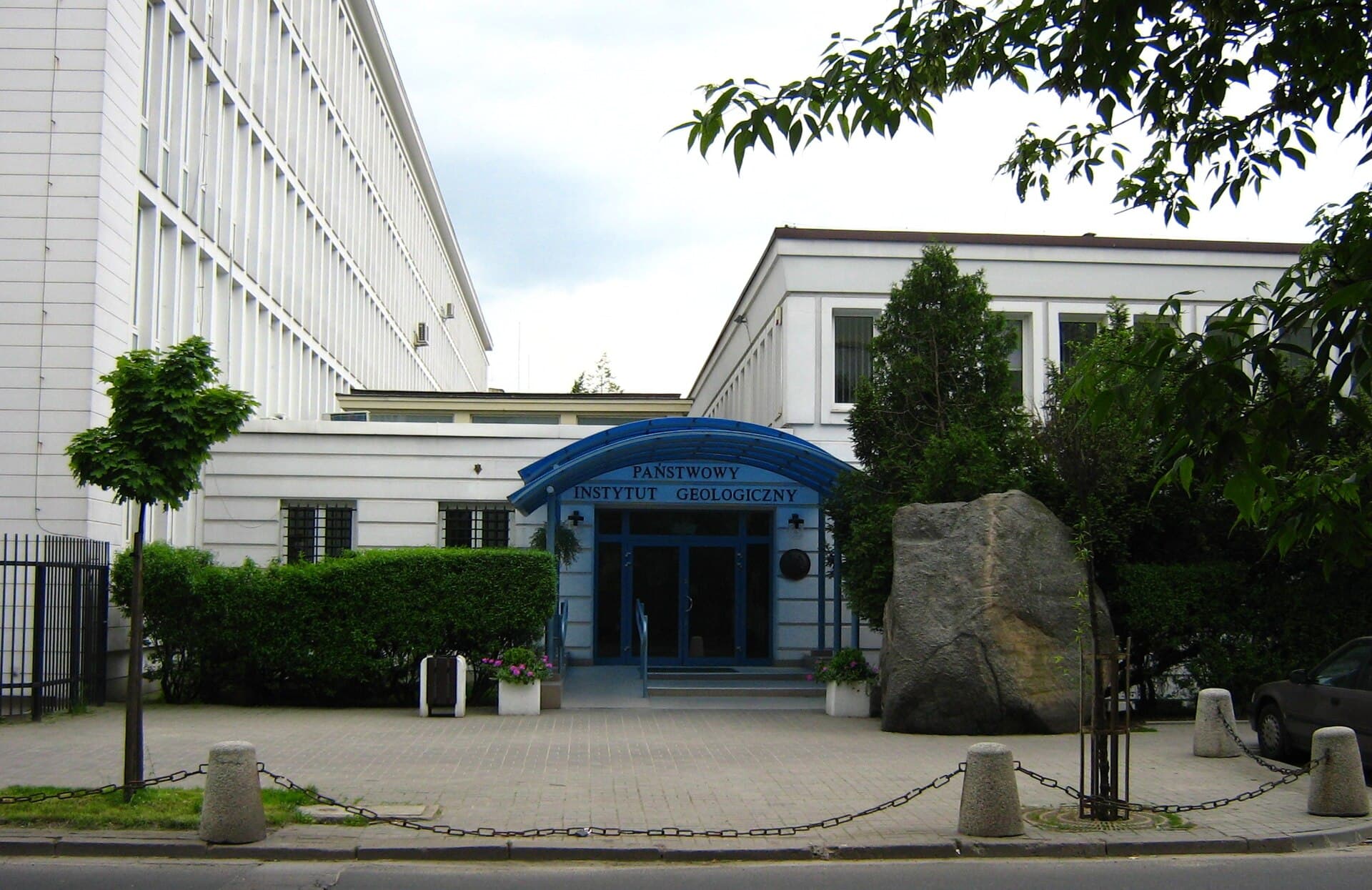 The Geological MuseumA geological museum belonging to the Polish Geological Institute, on its campus 14 minutes walk4.6
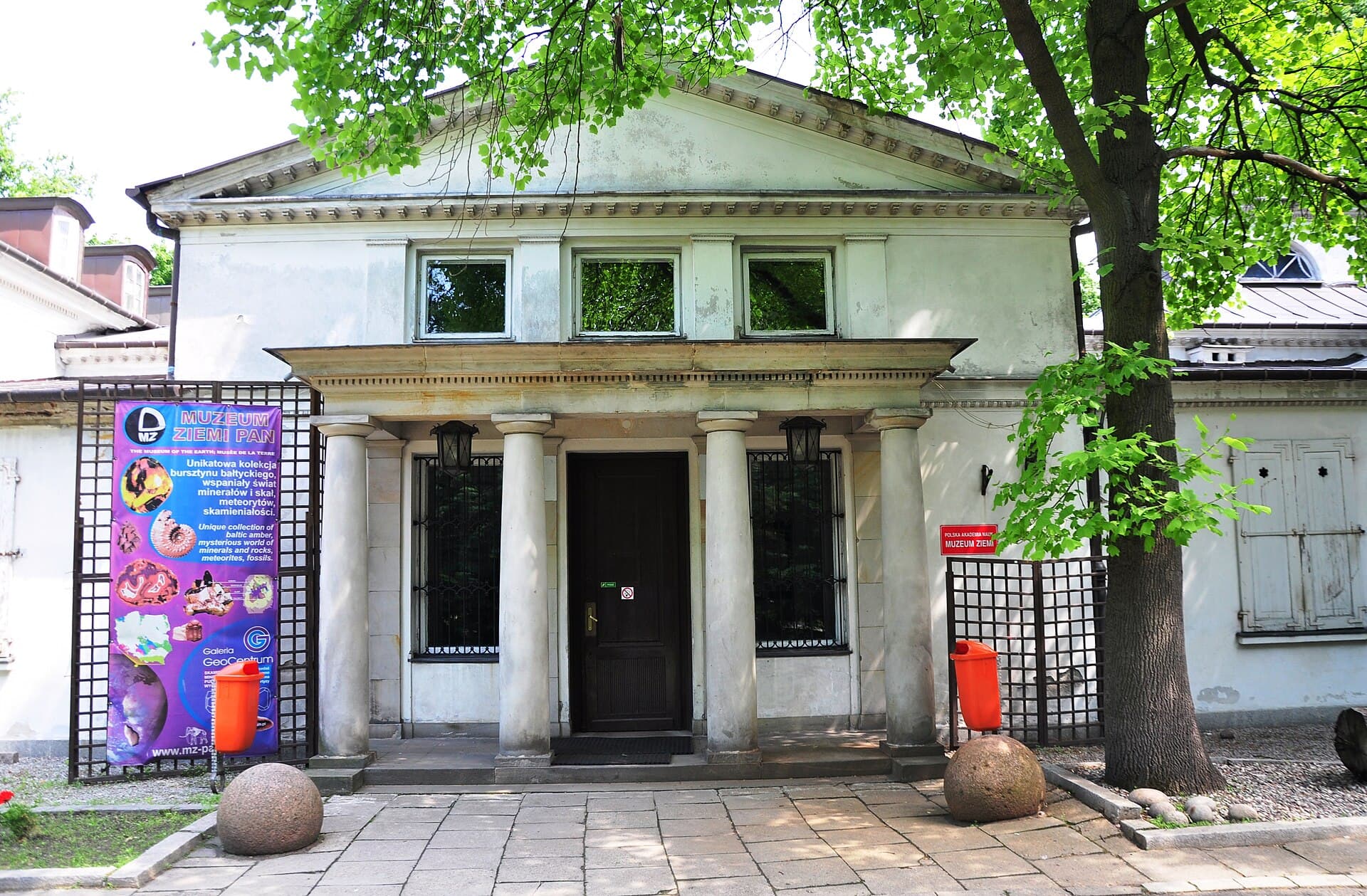 Museum of the EarthA geological museum of the Polish Academy of Sciences, in two historic villas on17 minutes walk4.4
Put it at the start or the middle of the day, not the end. The visit is short but its effect lasts hours, and it is unwise to step straight out of it into a restaurant or something recreational. Afterwards walk Aleje Ujazdowskie or the nearby Ujazdów Park — open air helps.
The Uprising Museum is large and multimedia and tells the sixty-three days of the 1944 fighting in an emotionally intense manner, needing half a day. This site tells nothing — it is the room itself where what happened happened, unmediated. The two differ in kind, not degree.