
Poland's last king
Stanisław August ruled through his state's collapse and left its finest buildings.
Adrian Grycuk — CC BY-SA 3.0 pl · Public domain · Jolanta Dyr — CC BY-SA 3.0 · Jolanta Dyr — CC BY-SA 3.0
A building in the Royal Łazienki Park raised in 1788 to house orange trees through the winter, containing within it an eighteenth-century court theatre that survives as it was. The theatre is what makes the place exceptional: it is among the few original court theatres surviving in Europe, with its painted wooden decoration, ceiling painting and small auditorium. It was not destroyed in the war because the Germans used the building as a store, so its interior survived while buildings around it burned. It was built by King Stanisław August Poniatowski, Poland's last monarch, the figure who explains the whole of Łazienki: a patron of the arts who spent on architecture, painting, theatre and science, and in whose own reign Poland was partitioned and disappeared. He ruled through the collapse of his state and left behind the finest things built in it. The building also holds a gallery of Polish sculpture. The Łazienki park itself is free and open, and each of its buildings carries its own ticket.
Stanisław August ruled through his state's collapse and left its finest buildings.
Held free in the park on Sunday afternoons in summer.
Original court theatres preserved to this degree are very rare in Europe.
Royal Łazienki Park, southern Warsaw
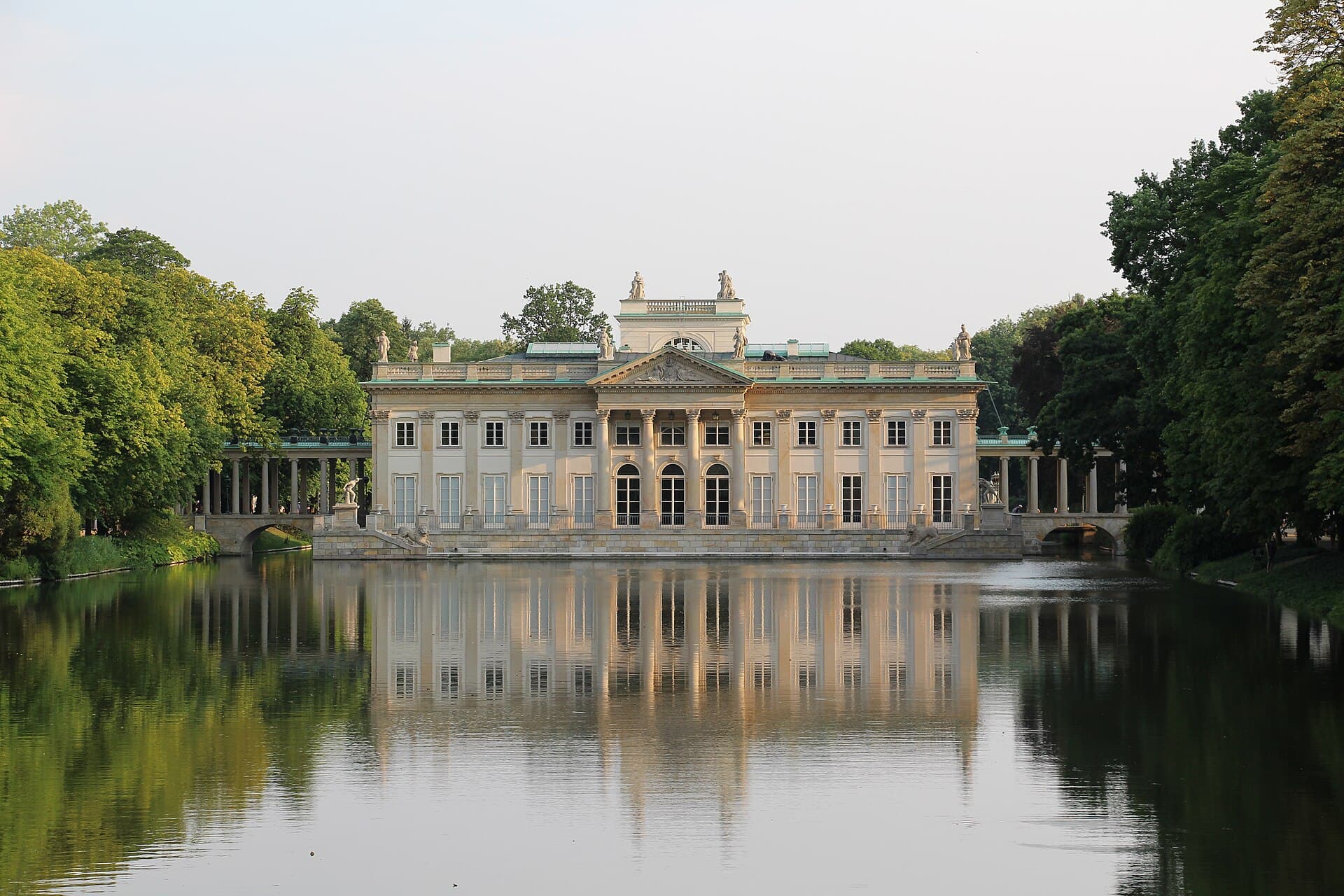 The Royal Łazienki Park & PalacesŁazienki is Warsaw's royal paradise: seventy-six hectares the last king, Stanisł5 minutes walk4.9
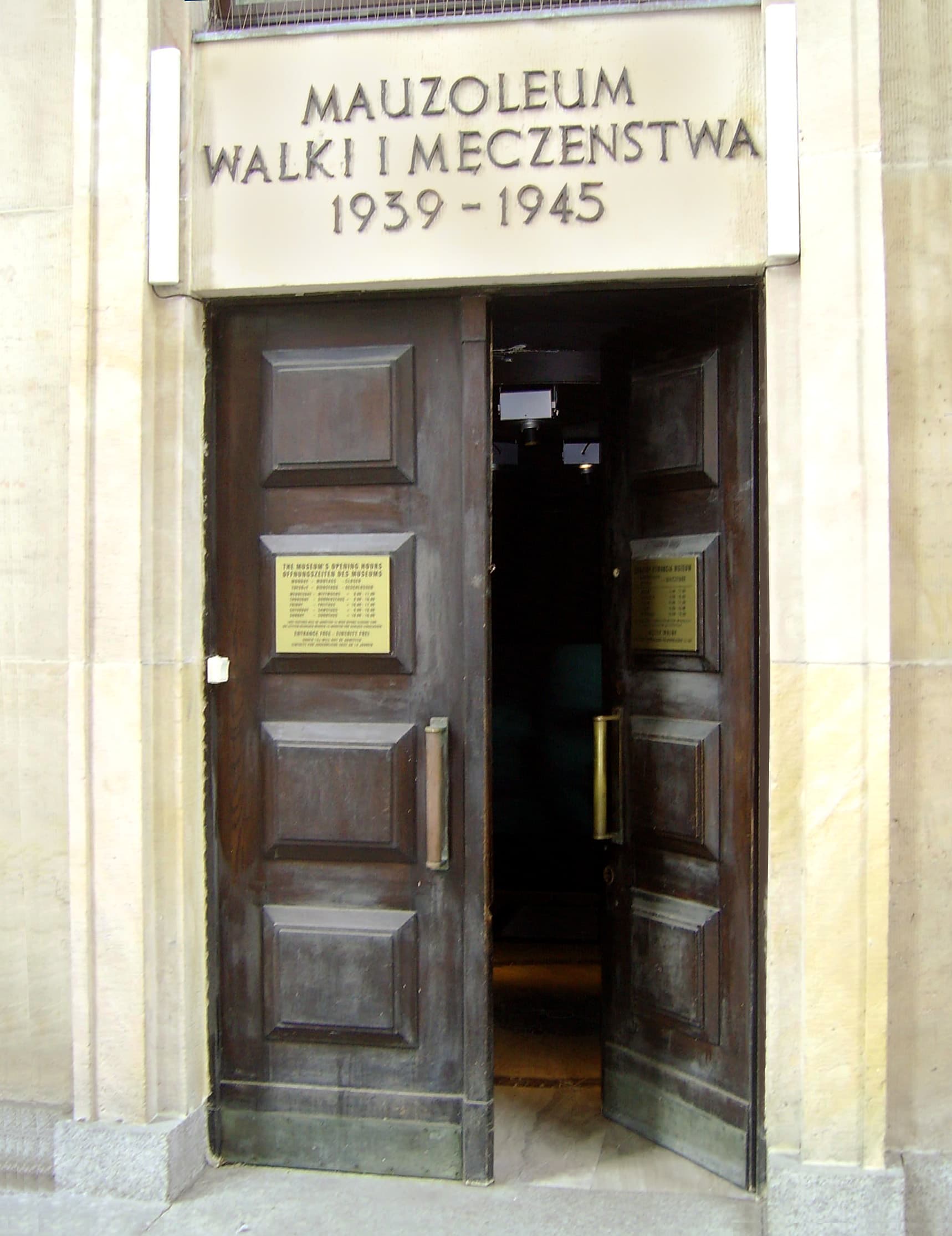 Mausoleum of Struggle and MartyrdomThe cellars of a building on Aleja Szucha that served as the Gestapo headquarter6 minutes walk4.6
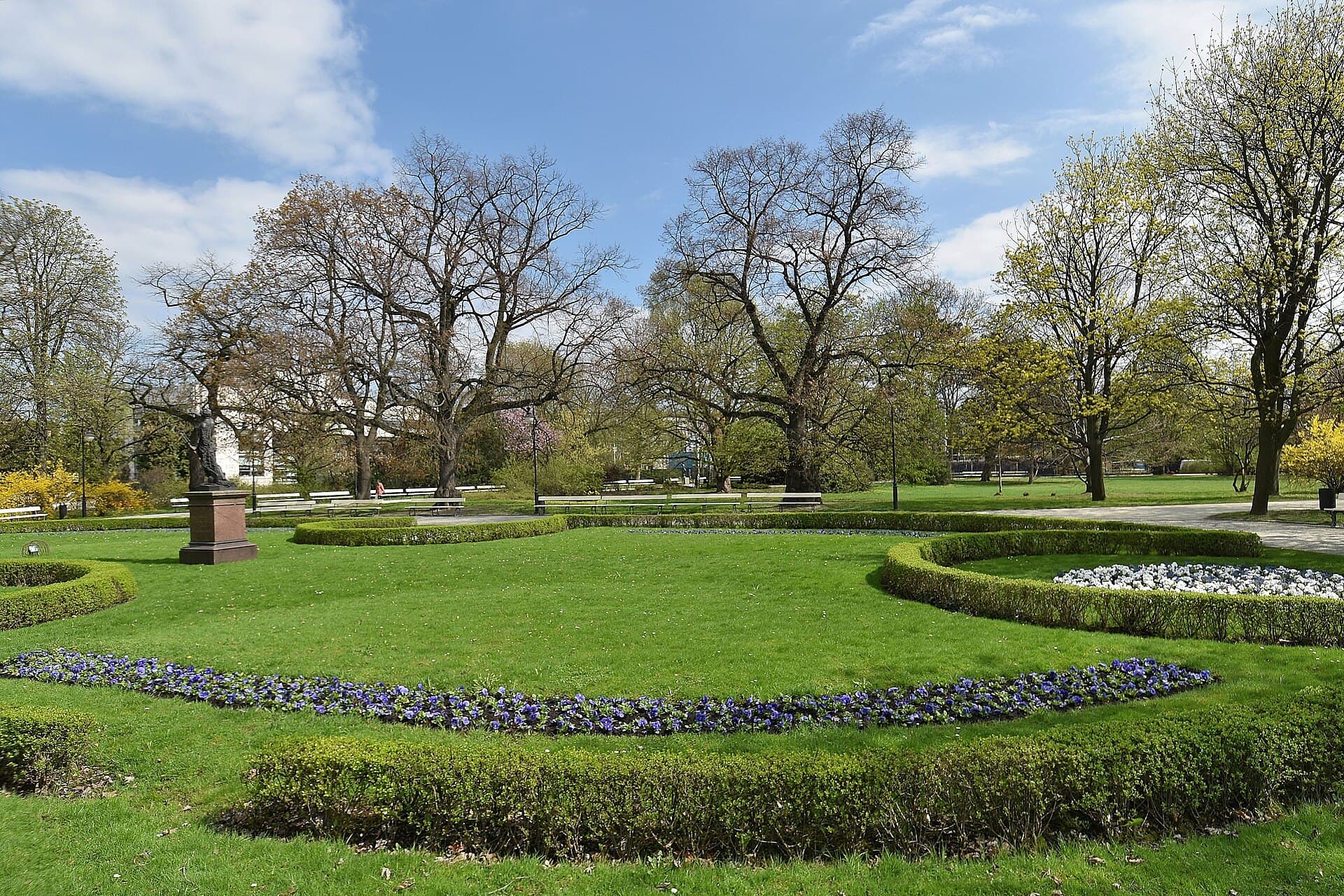 Ujazdów ParkA small, elegant park on Aleje Ujazdowskie south of central Warsaw, opened in 186 minutes walk4.8
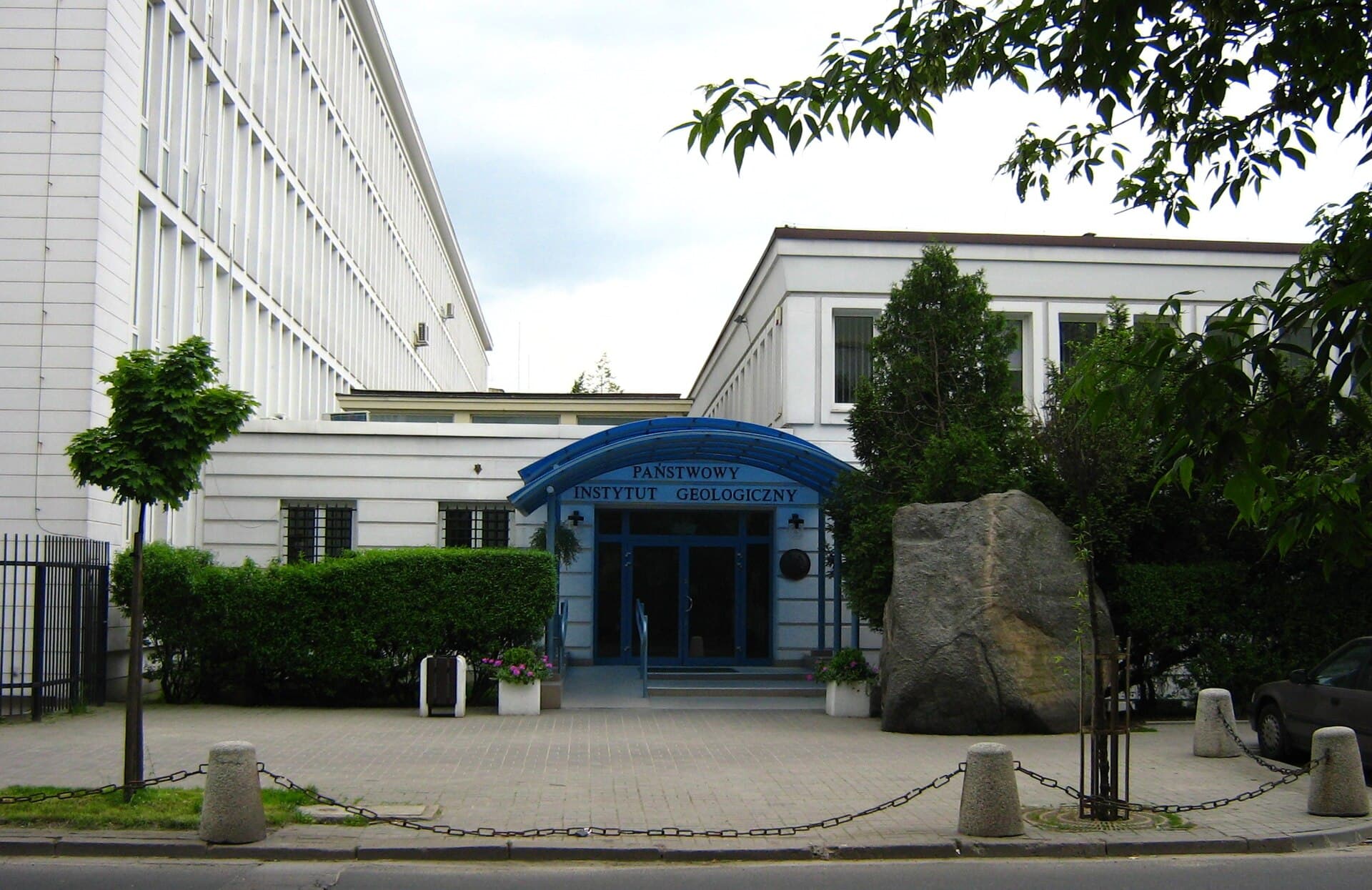 The Geological MuseumA geological museum belonging to the Polish Geological Institute, on its campus 17 minutes walk4.6
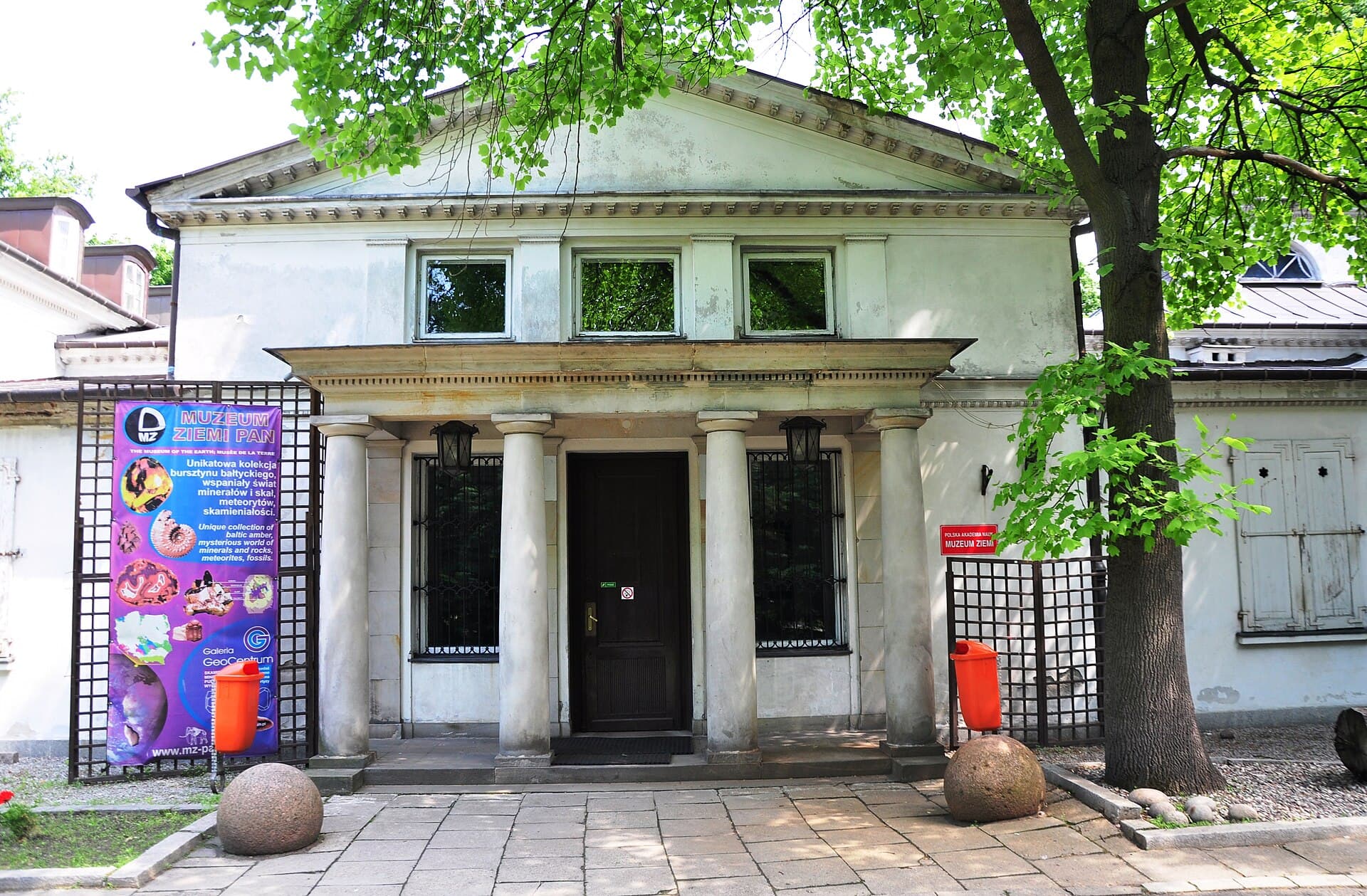 Museum of the EarthA geological museum of the Polish Academy of Sciences, in two historic villas on18 minutes walk4.4
The park itself first, and it is free — the Chopin monument, the peacocks, the lake and the tree-lined paths. Then the Palace on the Isle, its best-known building. Then the Old Orangery with its theatre. The park is seventy-six hectares and needs at least half a day, and it combines with a walk through southern Warsaw along Aleje Ujazdowskie.
Usually on Sunday afternoons from May to September, at the Chopin monument in the park, free and open to all with no booking. They typically run twice a day. The audience sits on the grass — come early on clear days, as the place fills up.