
The Thracian treasures
Gold, silver and funerary masks from kingdoms that preceded the Greeks and Romans here.
Klearchos Kapoutsis — CC BY 2.0 · Mark Ahsmann — CC BY-SA 4.0 · Dennis G. Jarvis — CC BY-SA 2.0 · Michal Valach — CC BY-SA 4.0
Bulgaria's national archaeological museum, occupying the Büyük Mosque, built in the fifteenth century under Ottoman rule and the oldest preserved building in Sofia. That makes the visit a double one: you walk inside an Ottoman mosque with its nine domes and arches while looking at holdings that predate it by thousands of years. The collection covers the history of the Bulgarian lands from prehistory to the Middle Ages, and its strongest part is the Thracian section: gold and silver treasures and funerary masks from the Thracian kingdoms that flourished here before the Greeks and the Romans. This is a civilisation few outside the Balkans know, and what is here is among the best of it anywhere. Alongside are Roman holdings from Serdica, the city that stood where Sofia does, with inscriptions, mosaics and sculpture. It sits in the heart of Sofia between the presidency and the old churches, so it folds into a walk through the centre with no distance to speak of.
Gold, silver and funerary masks from kingdoms that preceded the Greeks and Romans here.
Nine domes and Ottoman arches — the container is as much on show as the contents.
Holdings from the Roman city that stood where Sofia stands.
The former Büyük Mosque, central Sofia
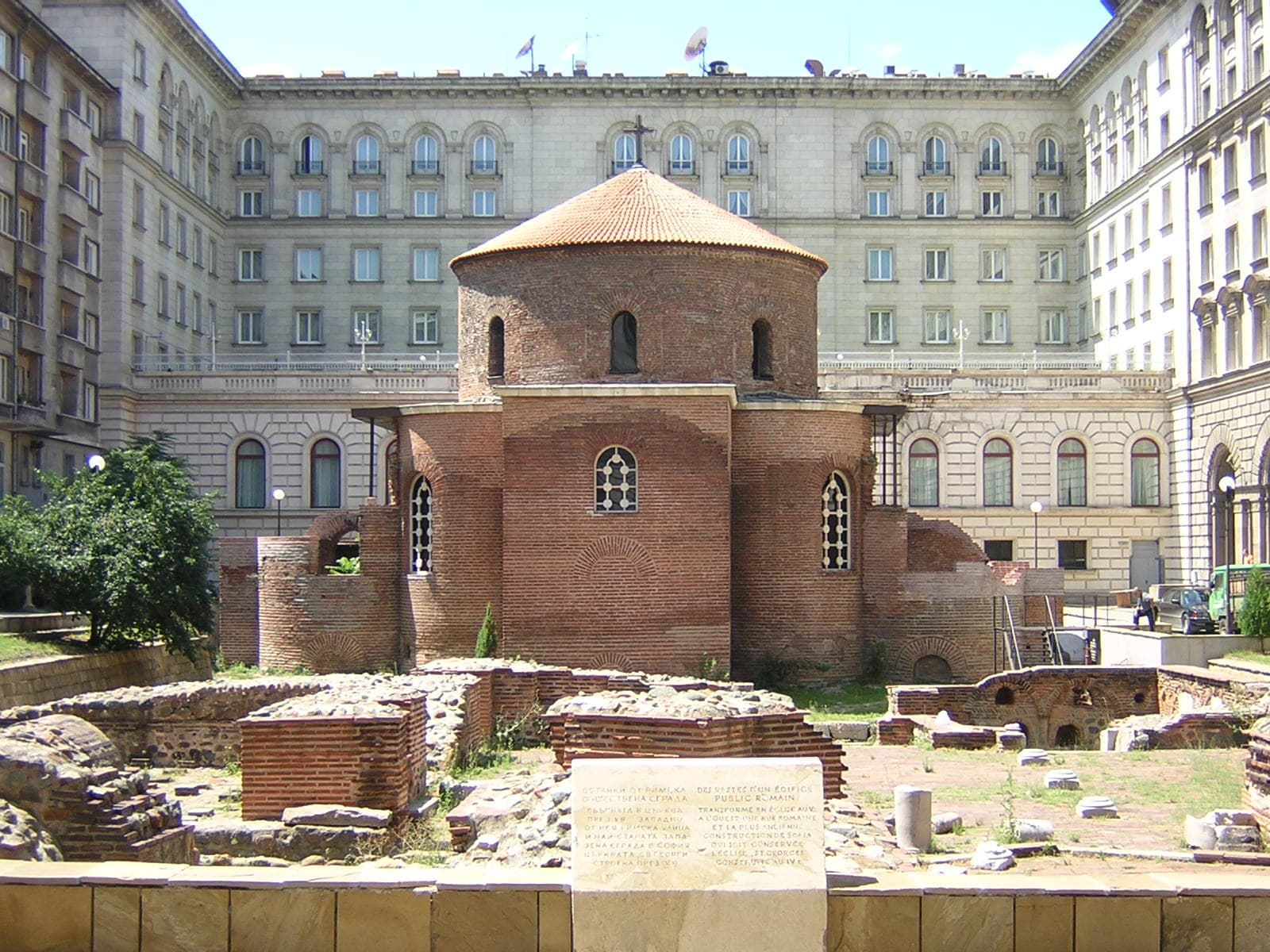 St. George RotundaSt. George Rotunda is Sofia's oldest continuously standing building: a Roman bri2 minutes walk4.7
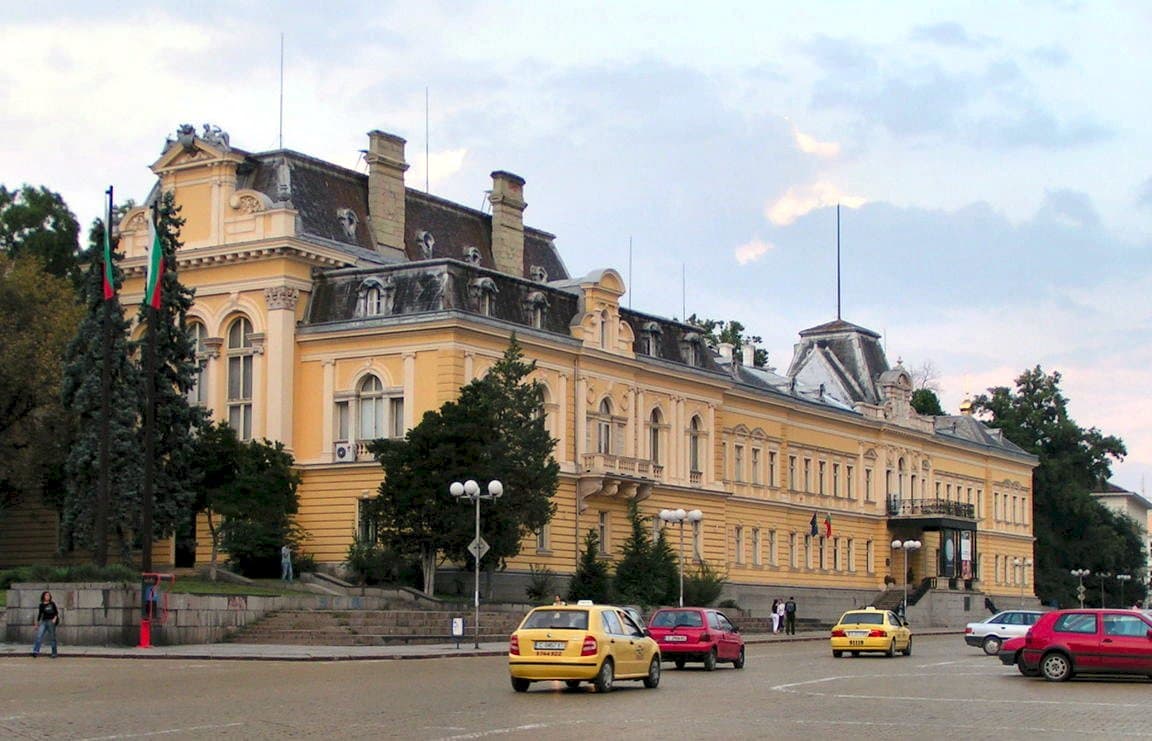 The Royal PalaceThe Royal Palace at the heart of Sofia is a building with three lives: it was th2 minutes walk4.7
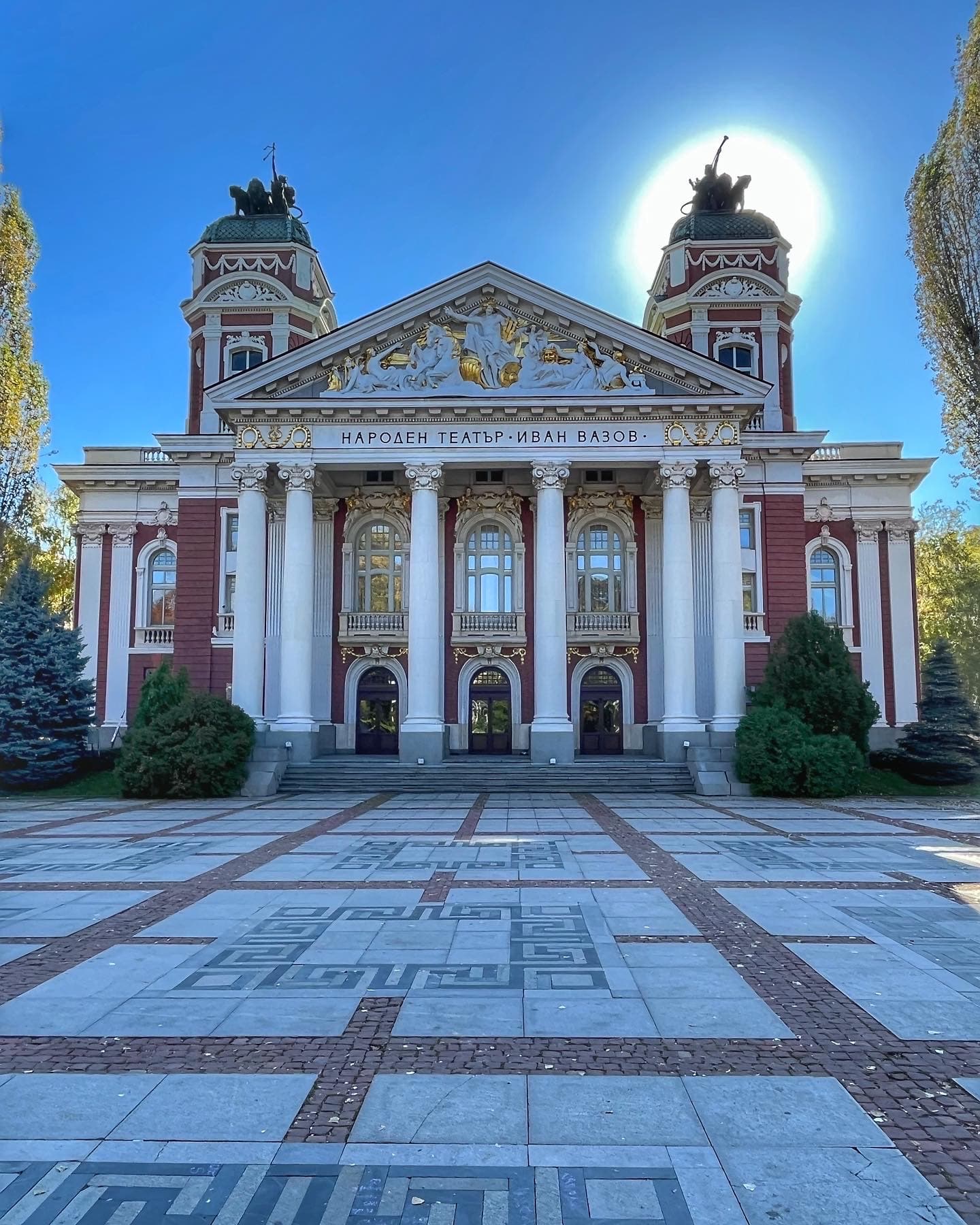 The Ivan Vazov National TheatreThe Ivan Vazov National Theatre is the handsomest building in Sofia and the one 3 minutes walk4.9
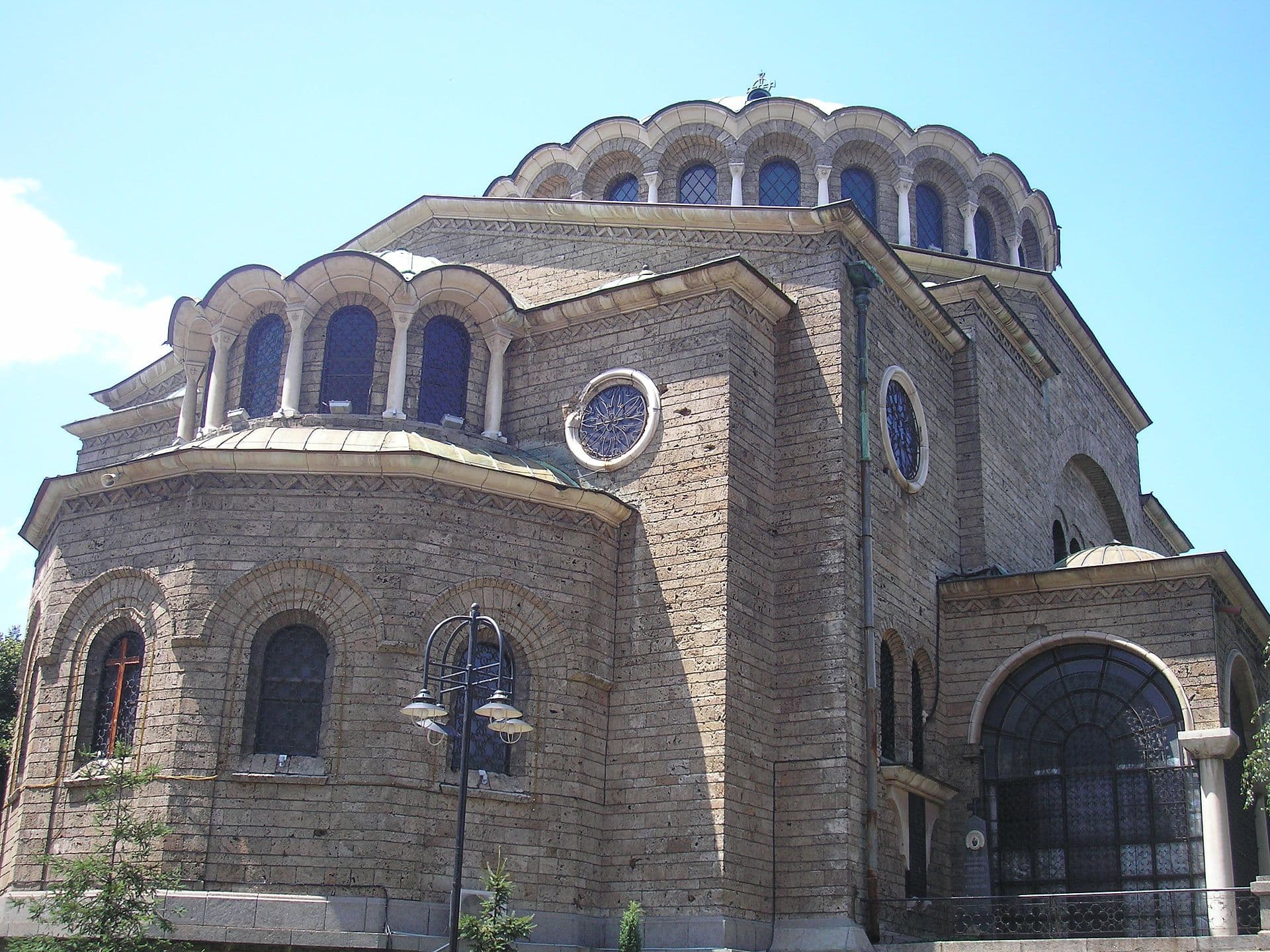 Sveta Nedelya ChurchSveta Nedelya is Sofia's old Orthodox cathedral, standing on the square that car3 minutes walk4.6
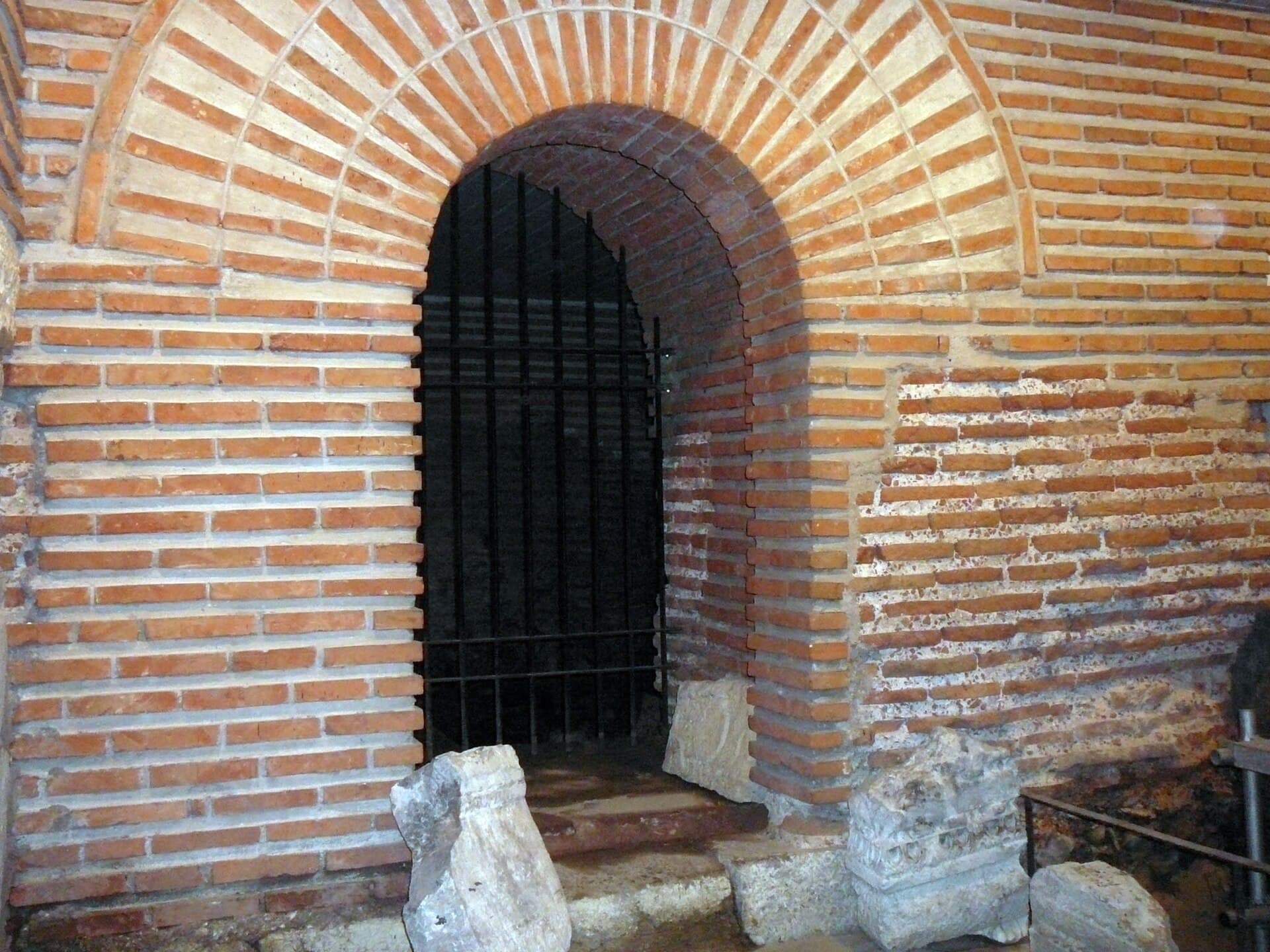 Ancient Serdica ComplexSerdica is ancient Rome literally beneath modern Sofia's feet: a complete Roman 3 minutes walk4.7
The Thracians lived in these lands before the Greeks and Romans and left goldwork of a very high standard, but no written literature, so almost all we know of them comes from their tombs and treasures. That makes what is displayed here a primary source rather than an illustration of a known civilisation.
You are in the centre itself: the church of St Sofia and the Alexander Nevsky cathedral to the east, the round church of St George inside the presidency courtyard steps away, and the exposed remains of Roman Serdica below street level by the metro station. All of it within one walk.