
Bulgarian painting
The most important collection from the 19th century on.
CC BY-SA 2.0 · MrPanyGoff — CC BY-SA 3.0 · Pudelek (Marcin Szala) — CC BY-SA 3.0 · Dennis G. Jarvis — CC BY-SA 2.0
The Royal Palace at the heart of Sofia is a building with three lives: it was the **Ottoman governor's residence** until 1878, then rebuilt as the palace of Bulgaria's princes and kings until 1946, and is now two state museums. It holds the **National Art Gallery** — the most important collection of Bulgarian painting and sculpture from the nineteenth century to the present — and the **National Ethnographic Museum**, with costume, textiles and crafts from Bulgaria's different regions. The building itself is preserved with its halls and staircases, so you walk through court rooms while looking at paintings. The place has a hard chapter: the basement of this same building housed the political police after 1944, and detainees were interrogated in it. The museum does not hide that, and the move from the palace rooms to that fact is part of the visit. **Charges are low**, and the building stands on an entirely central square that every walk through Sofia crosses.
The most important collection from the 19th century on.
Textiles and crafts by region in the ethnographic museum.
Knyaz Alexander I Square 1, Sofia
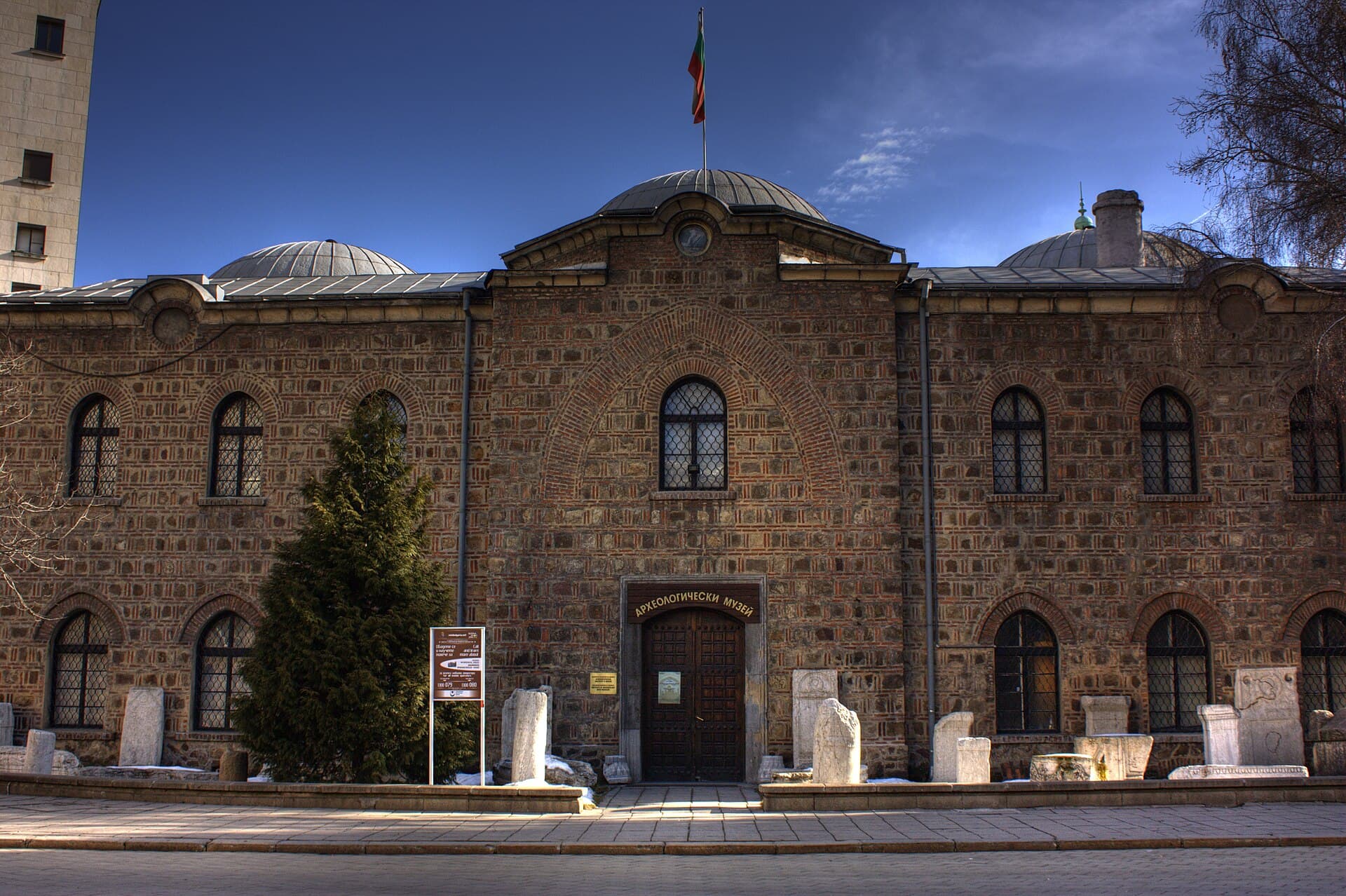 National Archaeological MuseumBulgaria's national archaeological museum, occupying the Büyük Mosque, built in 2 minutes walk4.7
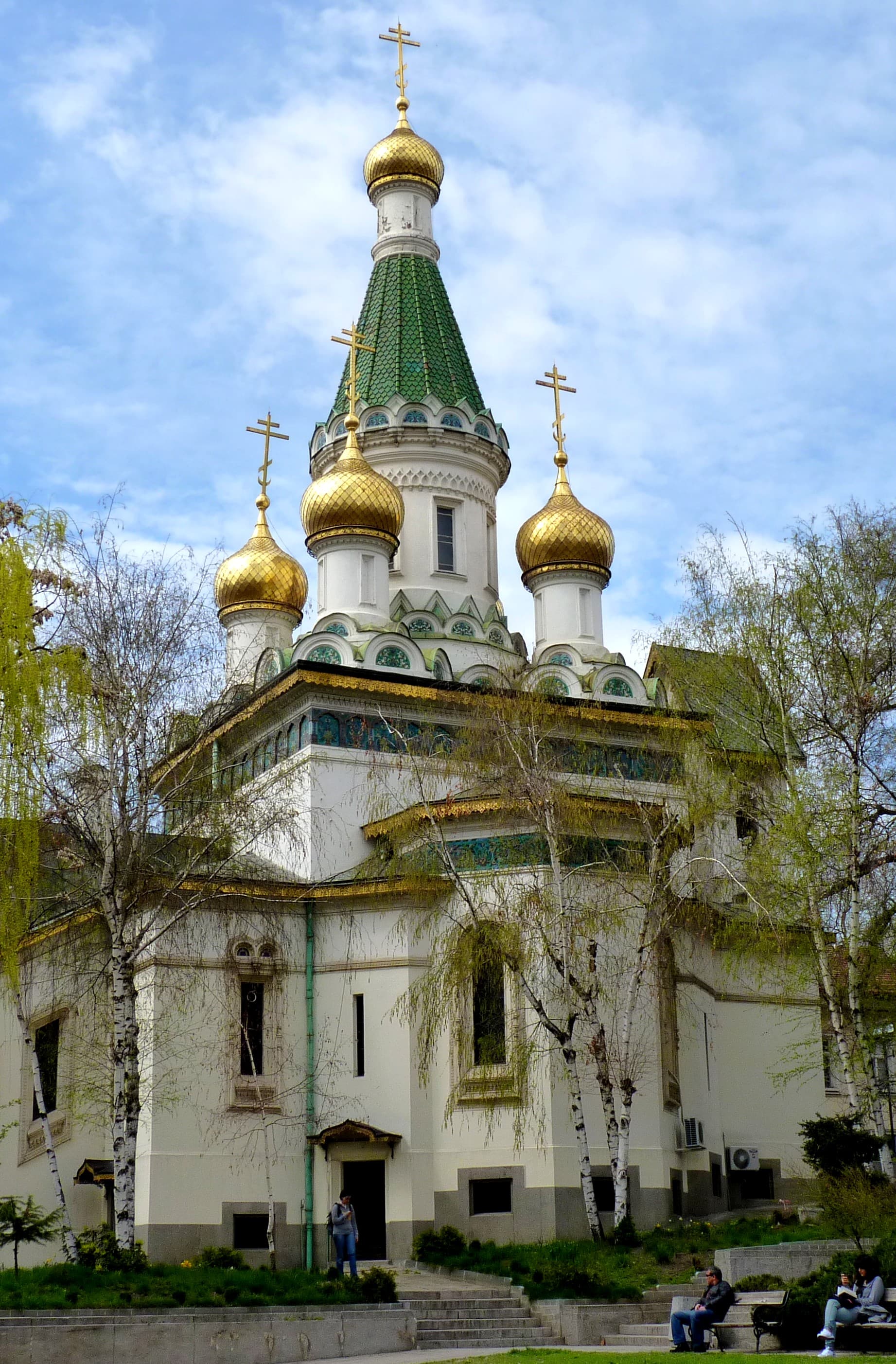 The Russian ChurchThe church of St Nicholas — the Russian Church — is the smallest of central Sofi2 minutes walk4.7
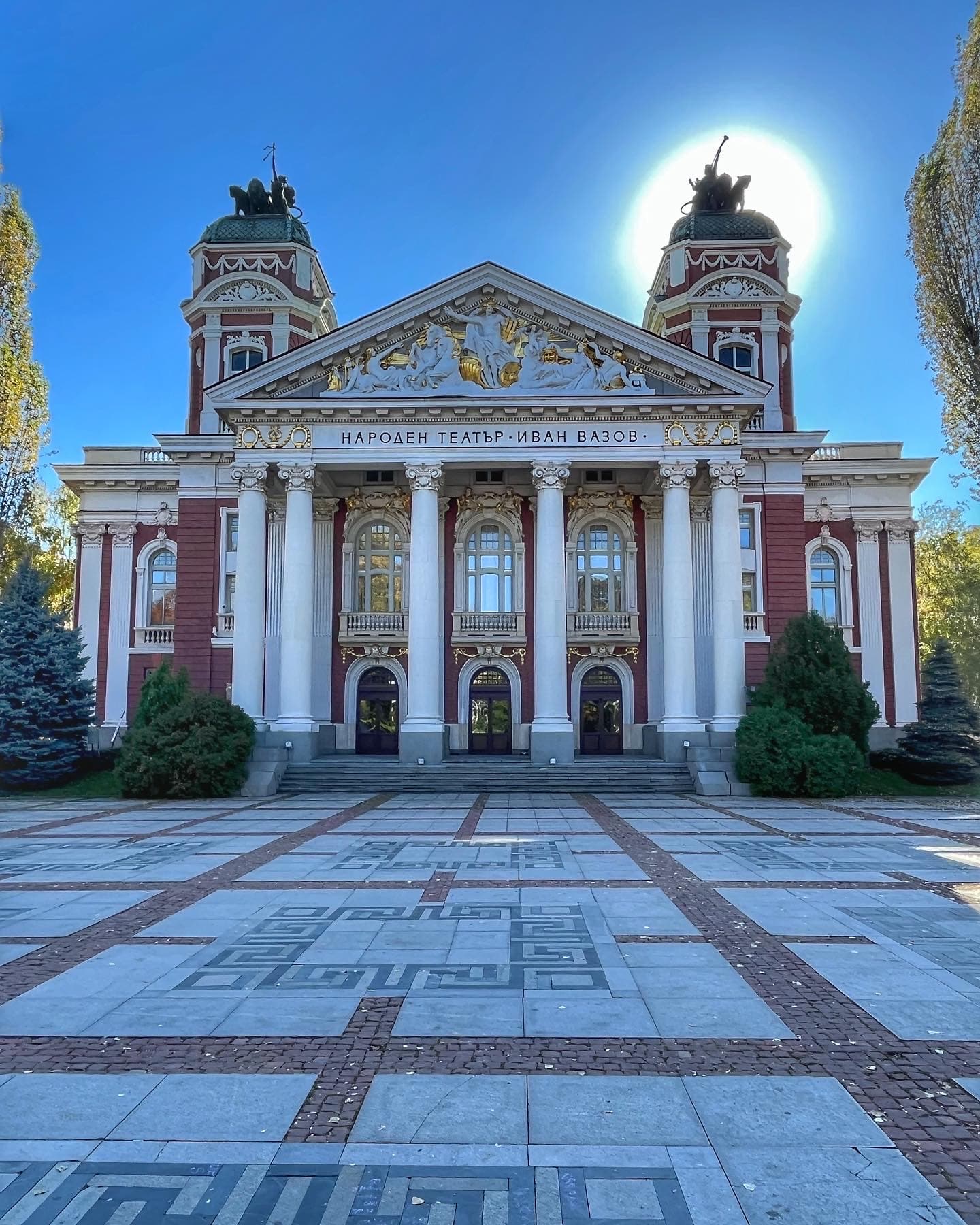 The Ivan Vazov National TheatreThe Ivan Vazov National Theatre is the handsomest building in Sofia and the one 3 minutes walk4.9
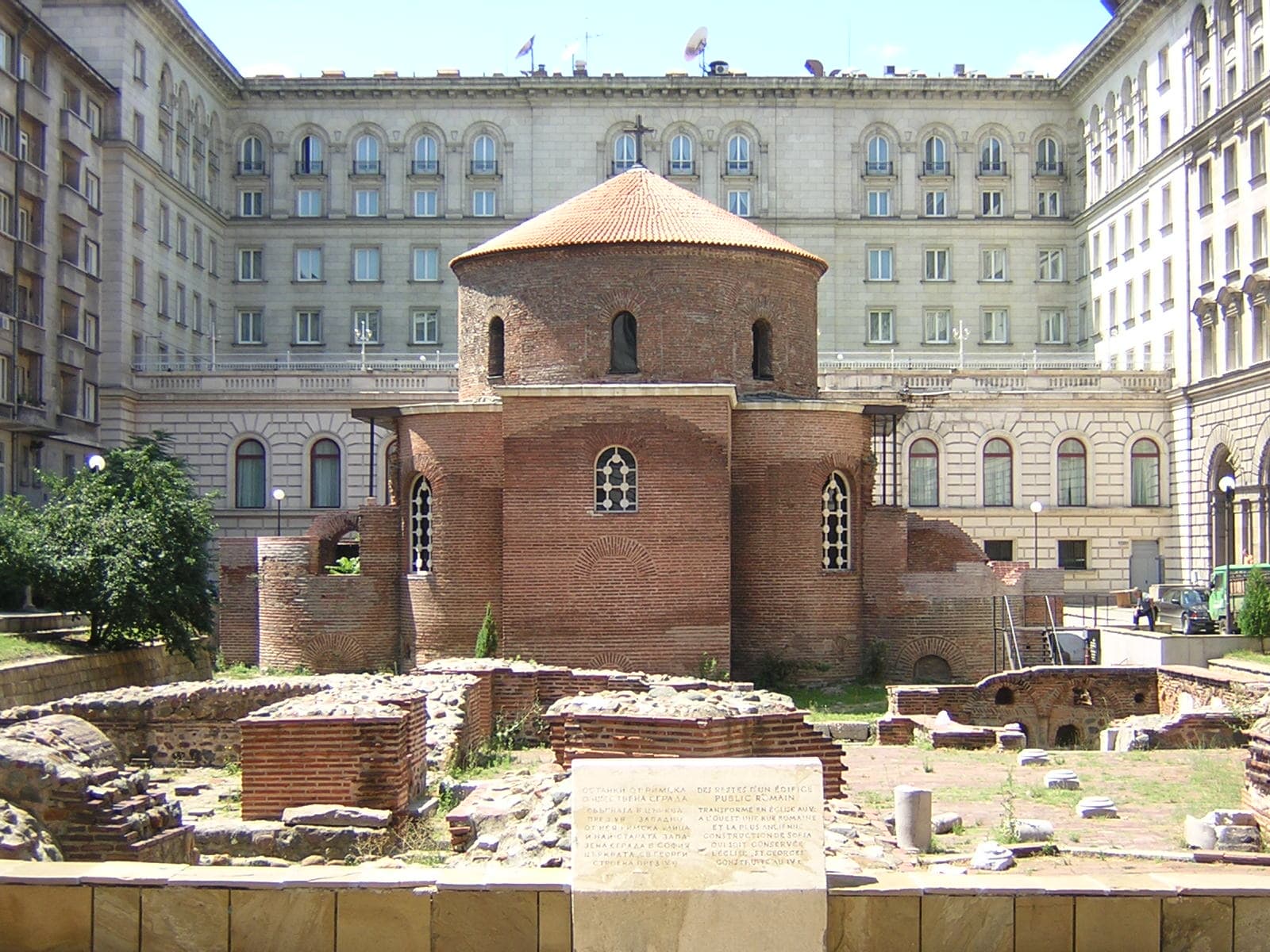 St. George RotundaSt. George Rotunda is Sofia's oldest continuously standing building: a Roman bri4 minutes walk4.7
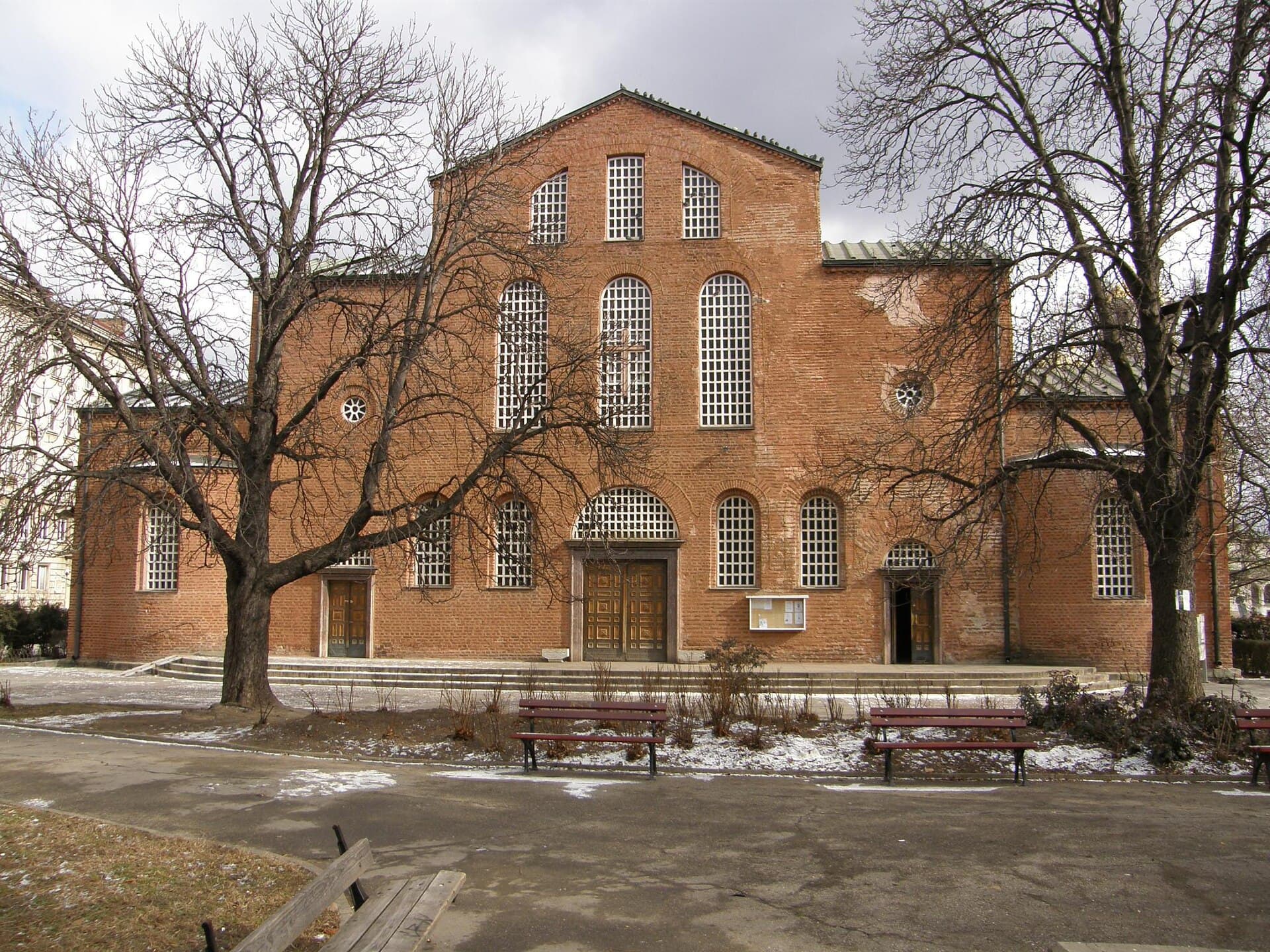 St. Sofia ChurchSt. Sofia Church is the building that gave the entire city its name: an ancient 5 minutes walk4.8
The Ottoman state ruled Bulgaria for about five centuries, from the late fourteenth century to 1878. Sofia was an important administrative centre with dozens of mosques, baths and markets. After independence most of that was deliberately demolished as the city was rebuilt in a European manner, so little remains: the **Banya Bashi mosque** of 1576, still working; the **Büyük mosque** building, which became the national archaeological museum; and the mineral baths, which replaced an Ottoman hammam. The palace itself was built on the foundations of the governor's residence. The Bulgarian term for the period translates as the yoke — a charged word, and not used in every context.