
The front and pediment
Six columns and carving between two towers.
JukoFF — CC BY-SA 4.0 · Lyubig — CC BY-SA 4.0 · Nikolai Karaneschev — CC BY 3.0
The Ivan Vazov National Theatre is the handsomest building in Sofia and the one that appears on most postcards: a neoclassical front of six columns under a carved pediment between two towers, with a garden and fountain in front of it where the city sits. It was built in 1907 to the design of the Austrians **Hermann Helmer and Ferdinand Fellner** — the partnership that built more than forty opera houses and theatres across central Europe, from Vienna to Zagreb to Odesa, which is why the theatres of this region resemble one another. The building burned in 1923 and was rebuilt in its present form. It carries the name of Ivan Vazov, the father of modern Bulgarian literature. It is a working theatre with performances almost daily **in Bulgarian**, mostly without surtitles — so the usual visit is to the front and the garden from outside, which is in itself among the best places to sit in Sofia. Some organised tours go inside.
Six columns and carving between two towers.
A fountain, benches and the best sit in Sofia.
Ulitsa Dyakon Ignatiy 5, Sofia
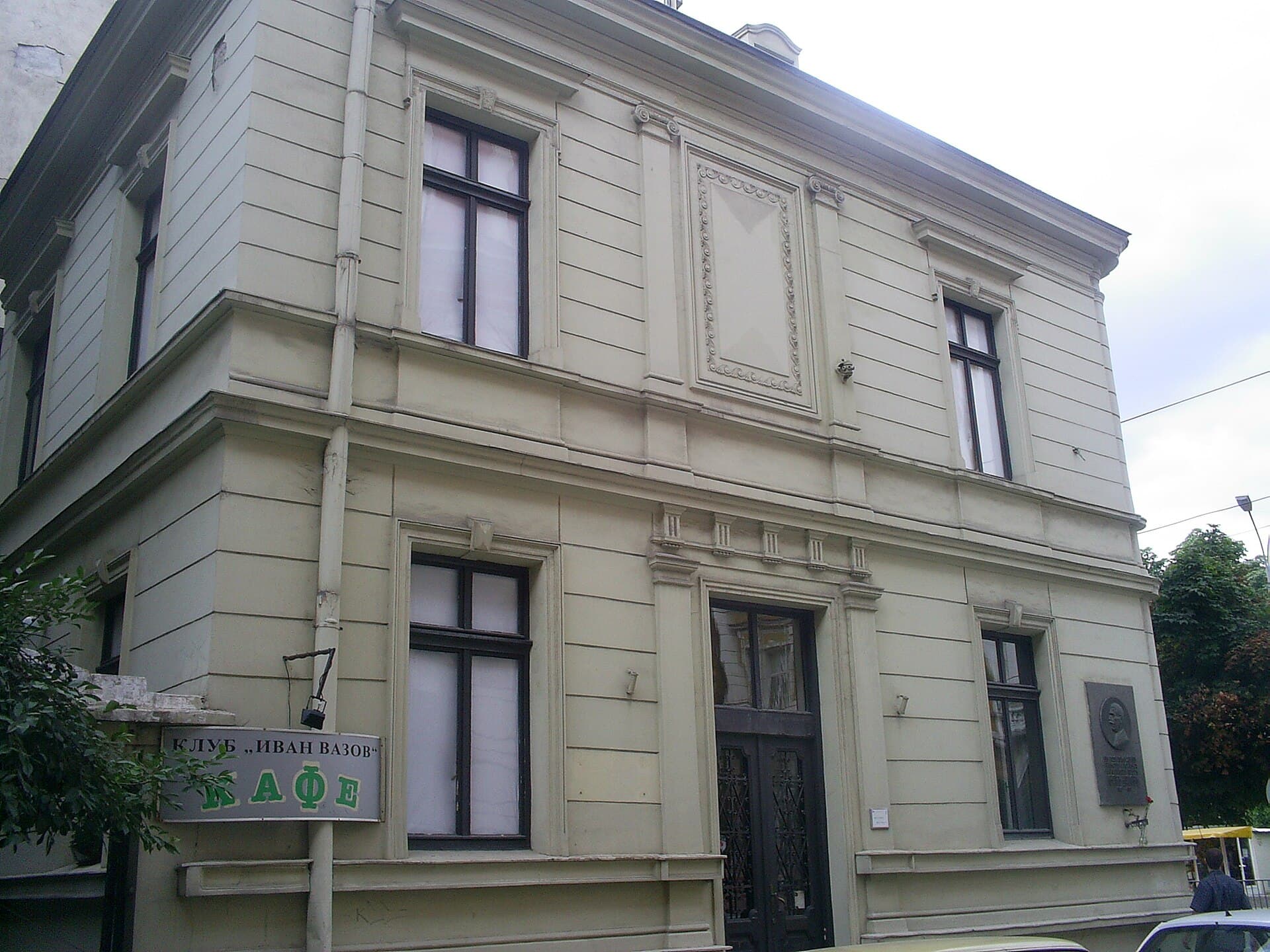 The Ivan Vazov House MuseumThe house where the Bulgarian writer Ivan Vazov lived his last years and died in2 minutes walk4.6
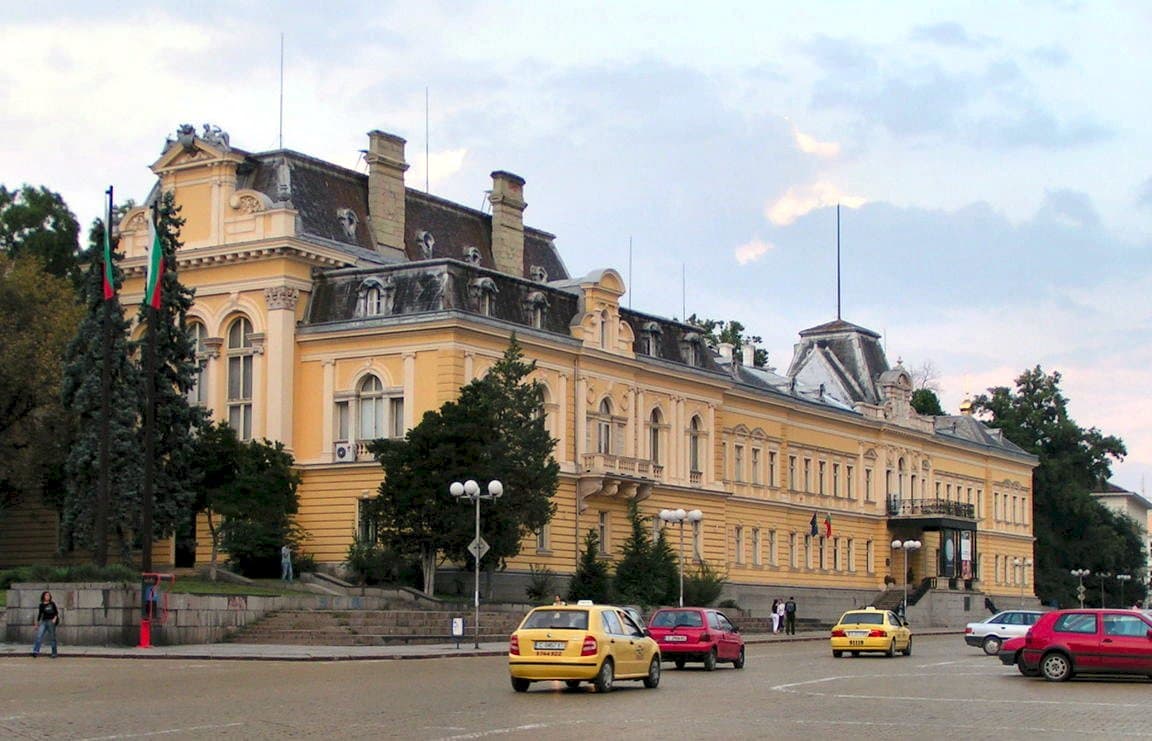 The Royal PalaceThe Royal Palace at the heart of Sofia is a building with three lives: it was th3 minutes walk4.7
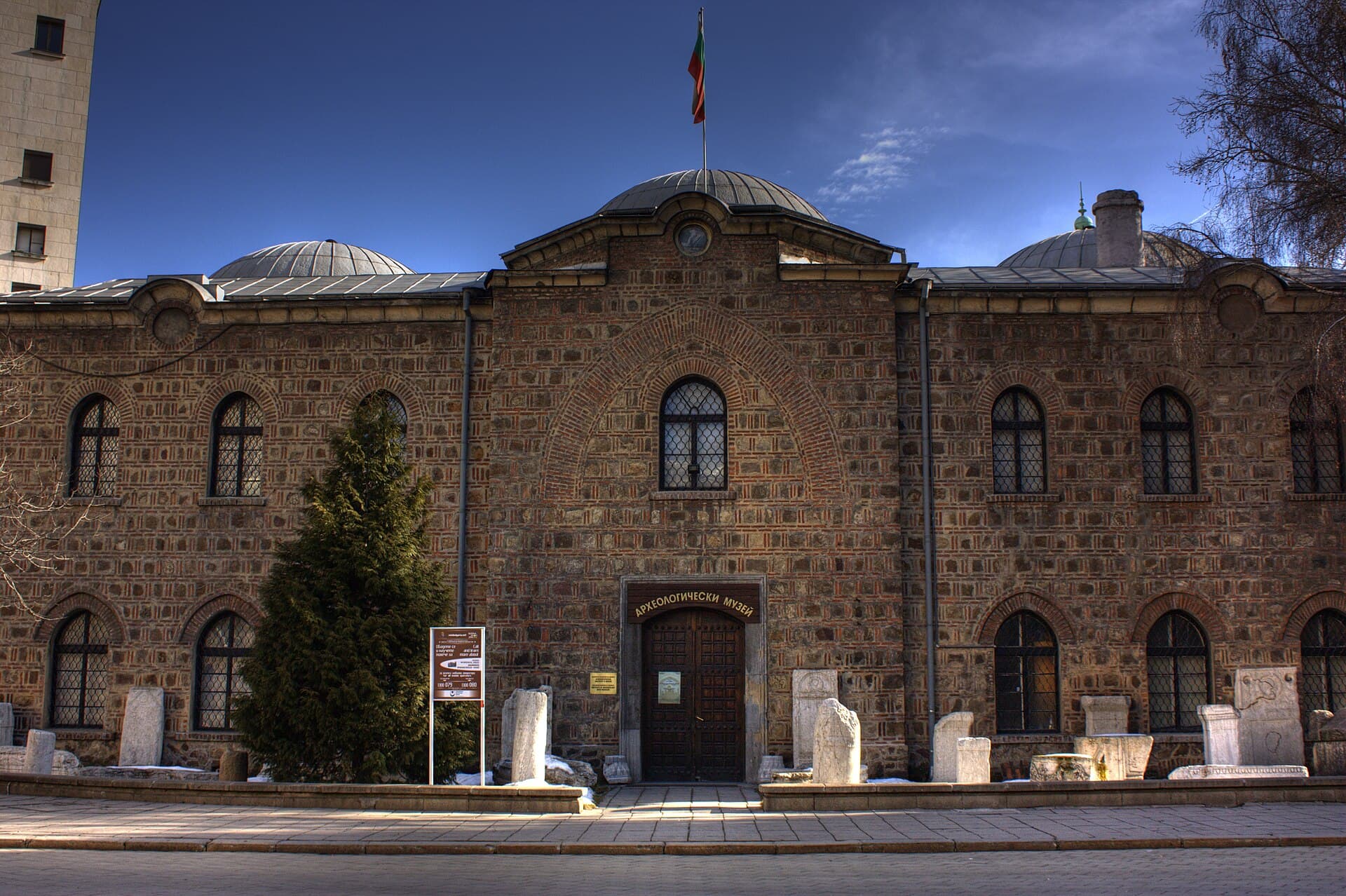 National Archaeological MuseumBulgaria's national archaeological museum, occupying the Büyük Mosque, built in 3 minutes walk4.7
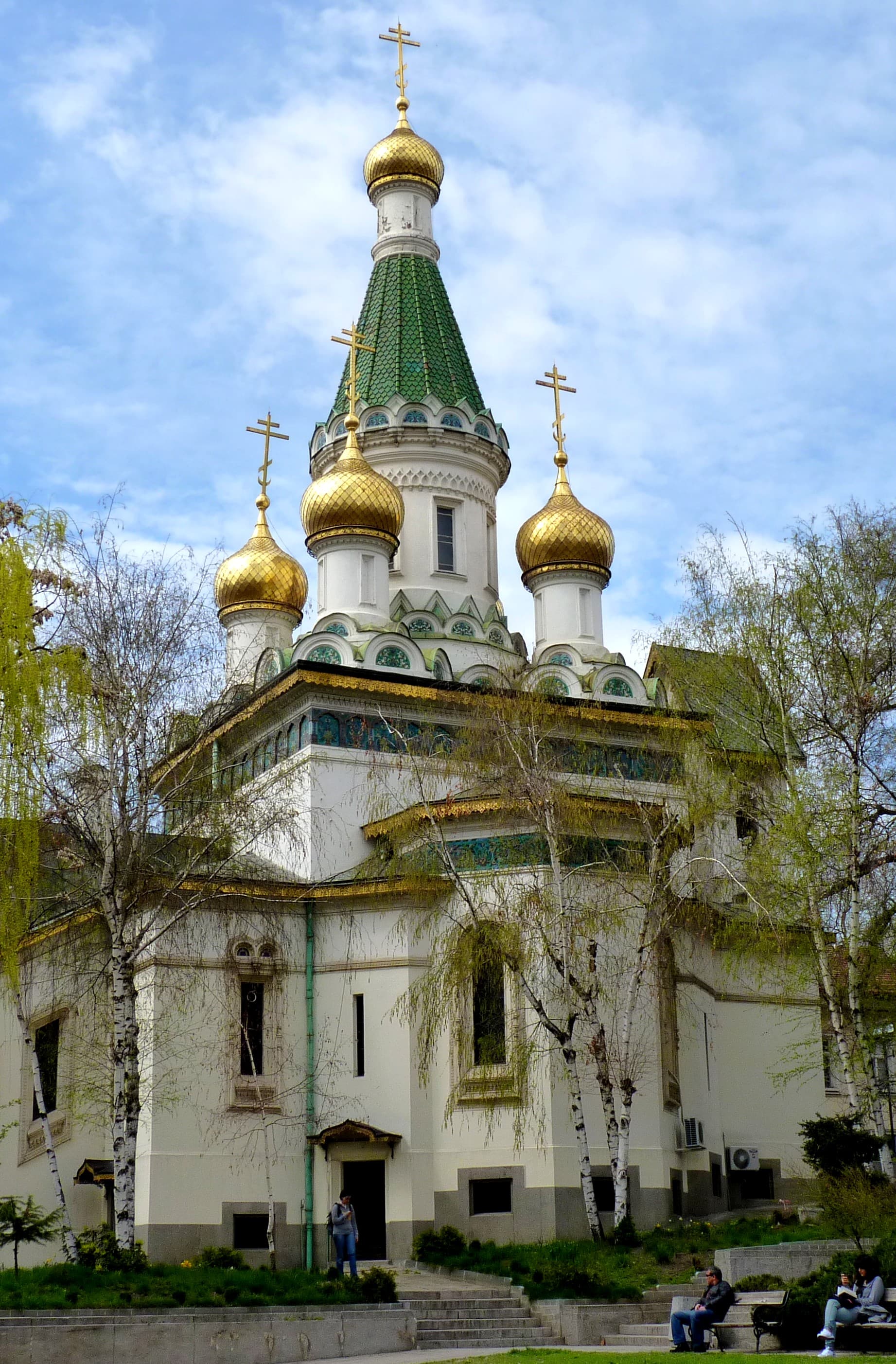 The Russian ChurchThe church of St Nicholas — the Russian Church — is the smallest of central Sofi3 minutes walk4.7
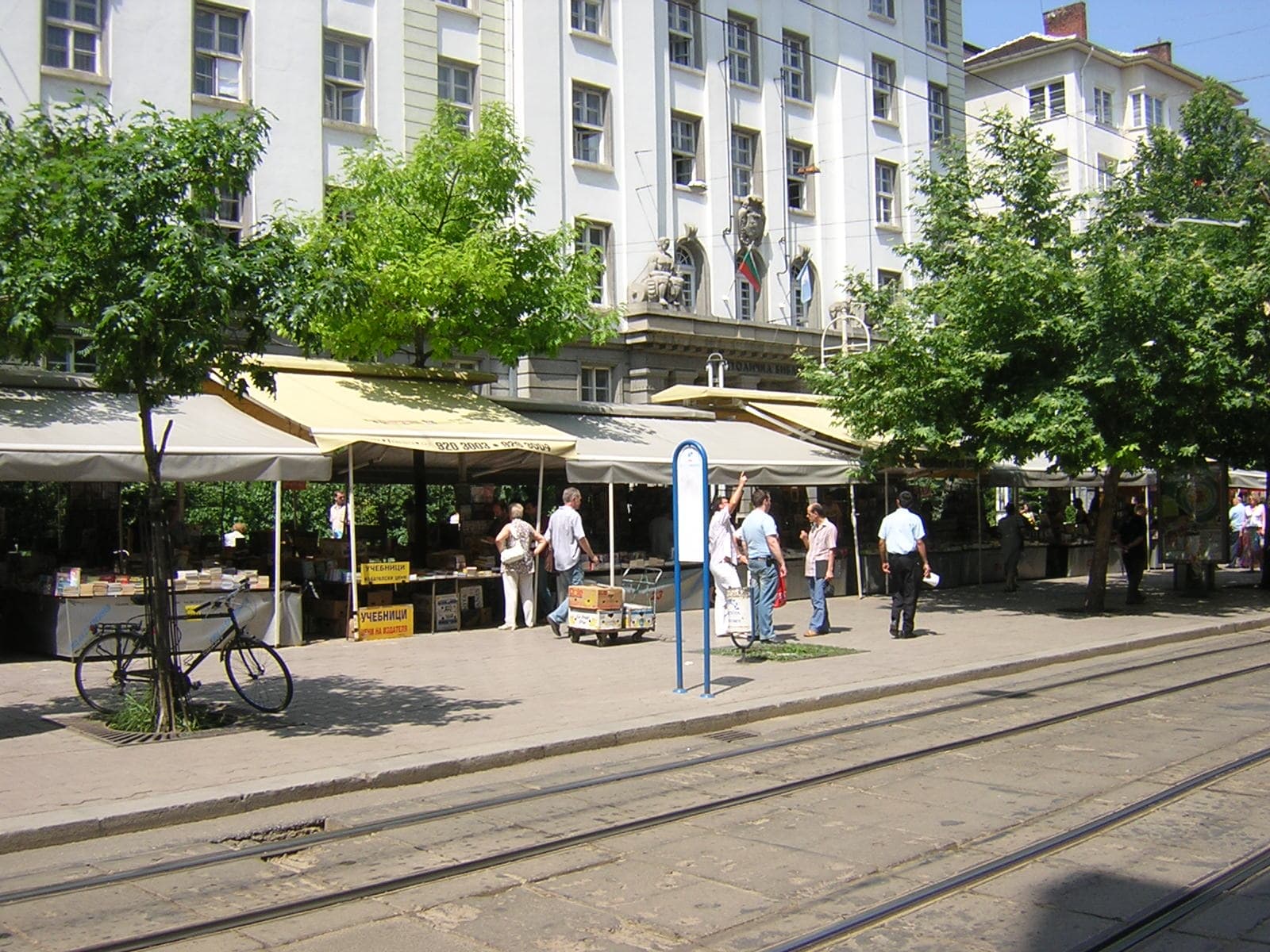 Slaveykov SquareSlaveykov Square is a small pedestrian square in central Sofia, and it is the ci4 minutes walk4.6
The centre is very small and walks in half a day, and its quality is that it puts the city's layers metres apart. Start at the **baths square**: the mineral baths, the covered market, the Banya Bashi mosque, the synagogue and the Catholic church all within a few minutes — the area called the square of tolerance. Then the exposed Roman **Serdica ruins** below street level, then the fourth-century **St George Rotunda**, then **Alexander Nevsky Cathedral**. The theatre and its garden sit in the middle, and the Russian Church is two minutes from it.