
Men inside the wheels
The crane was driven by men walking inside two great wheels.
© Ra Boe / Wikipedia — CC BY-SA 3.0 · Fallaner — CC BY-SA 4.0 · Ciacho5 — CC BY-SA 4.0 · DerHexer — CC BY-SA 3.0
A maritime museum spread across several buildings on both banks of the Motława in the heart of Gdańsk, linked by a small ferry across the river. Its best-known building is the Crane — a wooden port crane of the mid-fifteenth century, the largest in Europe in its day, lifting loads of up to four tonnes. Its mechanism is simple and brutal: two great wheels turned by men walking inside them, as a mouse turns a wheel. It has become the visual emblem of Gdańsk. On the opposite bank, converted granaries display the history of Polish seafaring along with wrecks recovered from the Baltic and their cargoes. Moored in front of them is the Sołdek — a Polish cargo ship of the 1950s that can be boarded, with its holds and engine rooms open. Tickets vary: single building, or a combined ticket covering everything including the ferry. The combined is cheaper for more than one building, and needs two to three hours.
The crane was driven by men walking inside two great wheels.
A 1950s cargo ship you board and walk through, holds and engine room.
Sunken ships recovered with their cargoes and shown in the granaries.
Both banks of the Motława, around the historic port crane
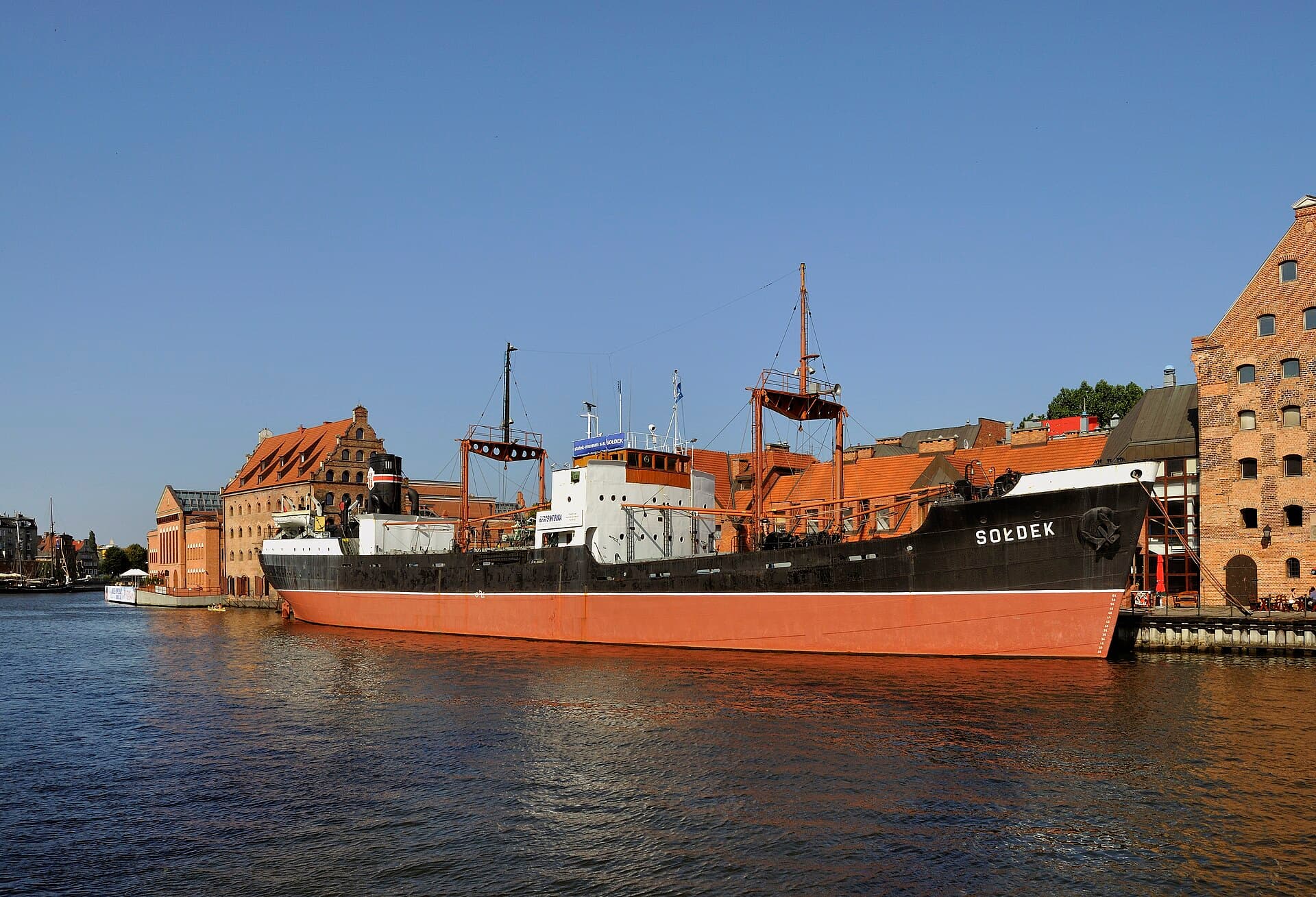 The Museum Ship SołdekA steam cargo ship moored on the Motława in the heart of Gdańsk, and the first s1 minute walk4.8
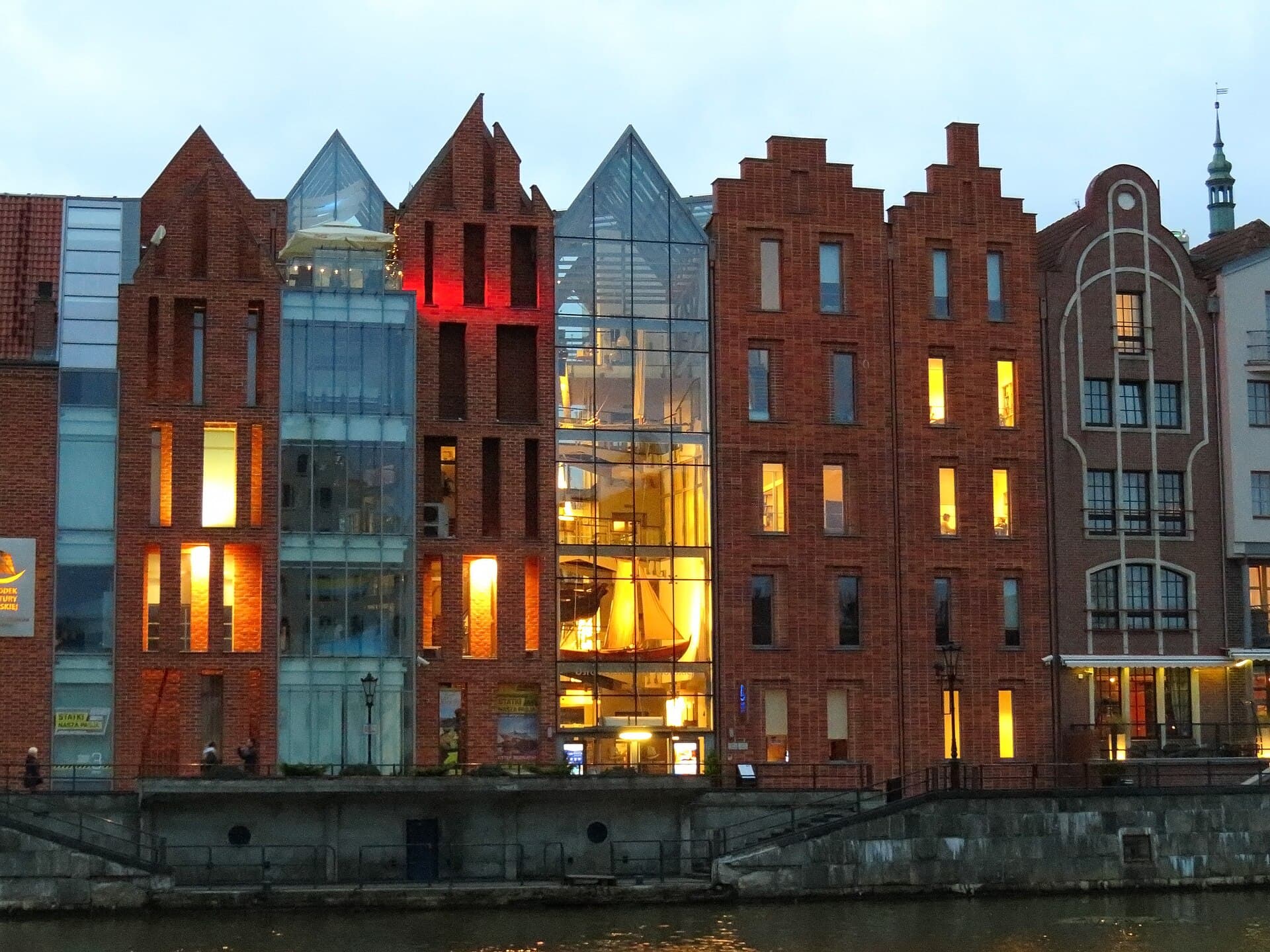 The Maritime Culture CentreA modern maritime museum on the bank of the Motława in Gdansk, a branch of the N1 minute walk4.6
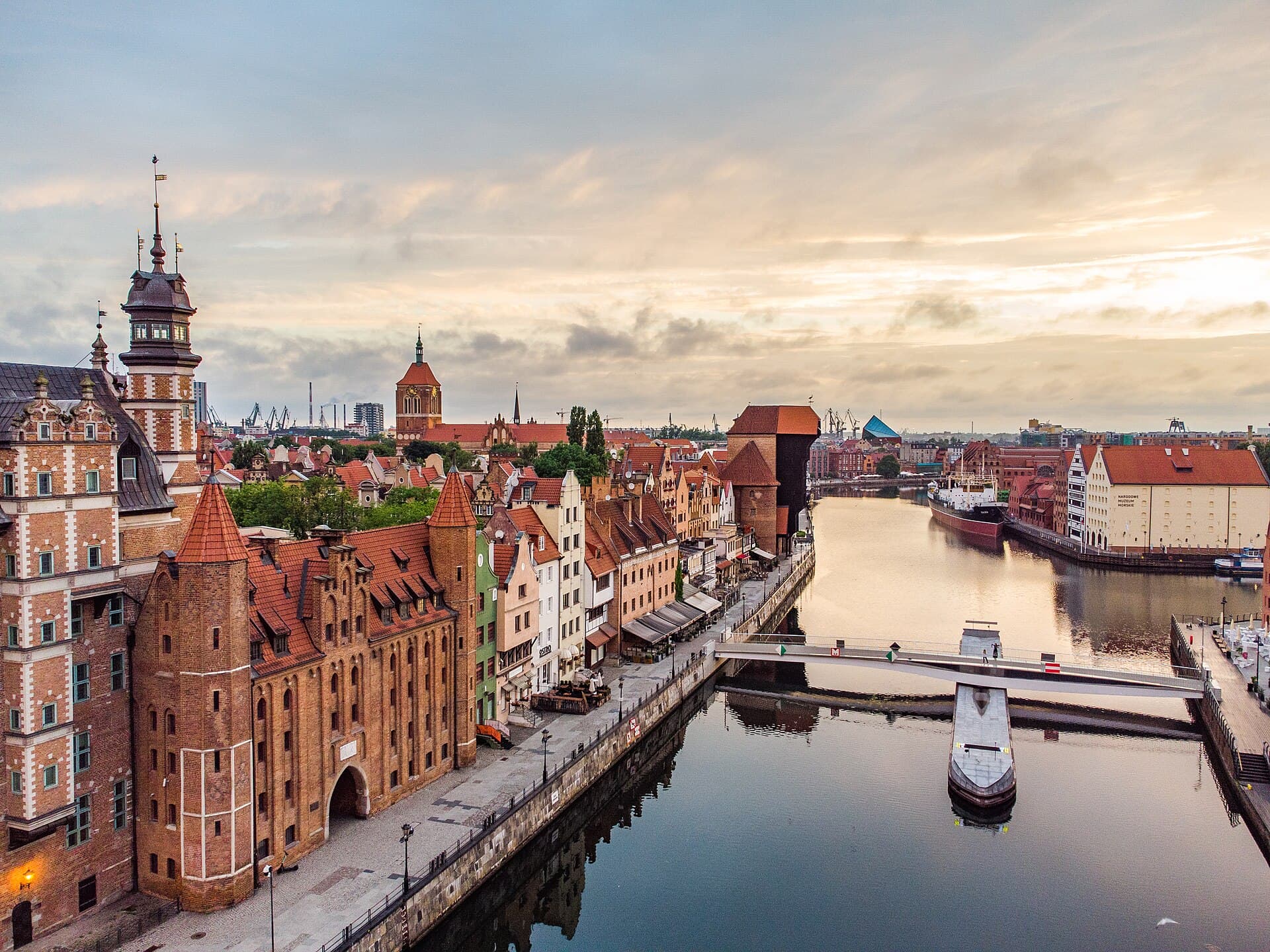 The Motława Embankment & the CraneThe Motława embankment is Gdansk's mother harbour: the long quay (Długie Pobrzeż1 minute walk4.9
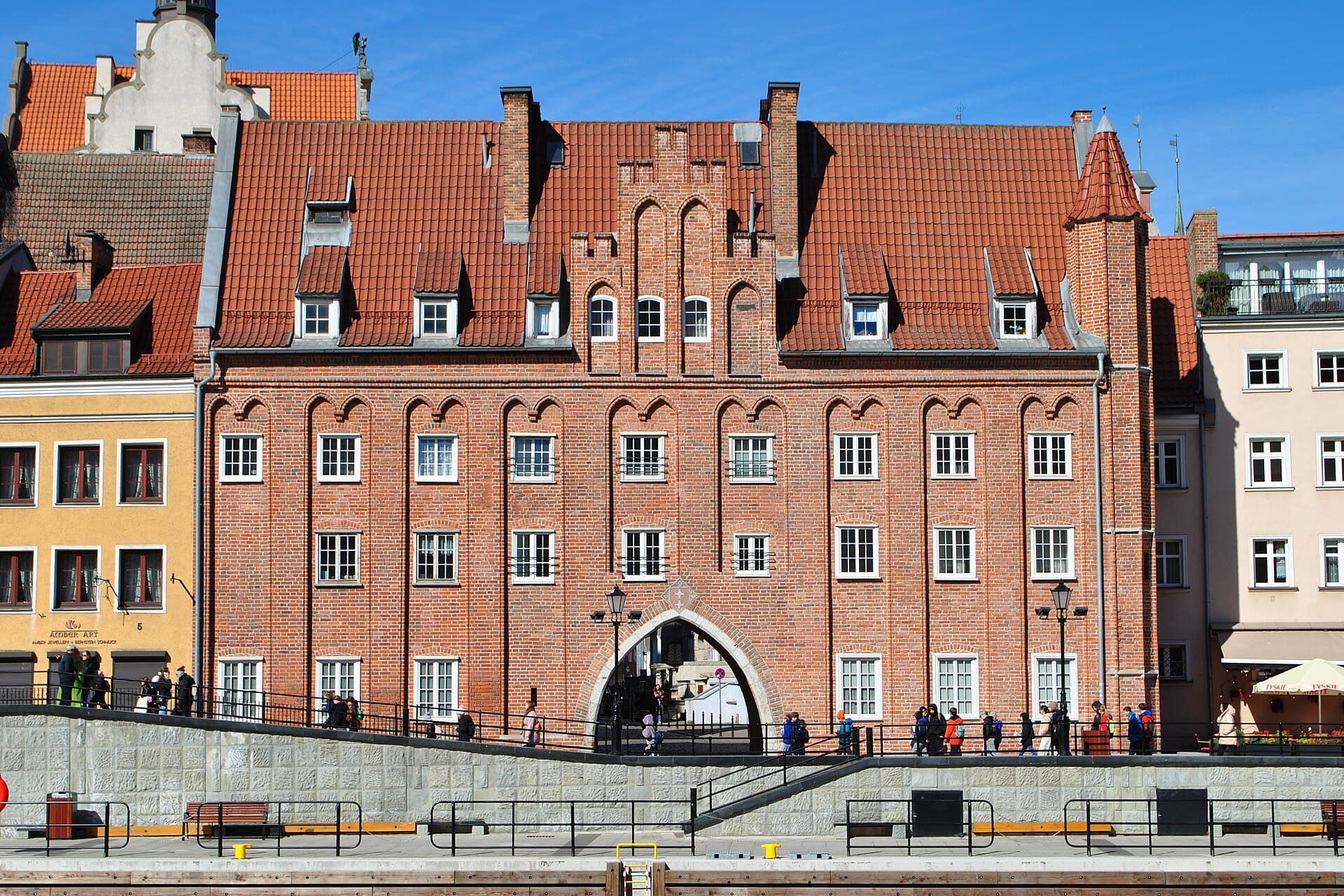 The Bread GateA mid-fifteenth-century Gothic water gate on the Gdańsk waterfront, one of the g4 minutes walk4.6
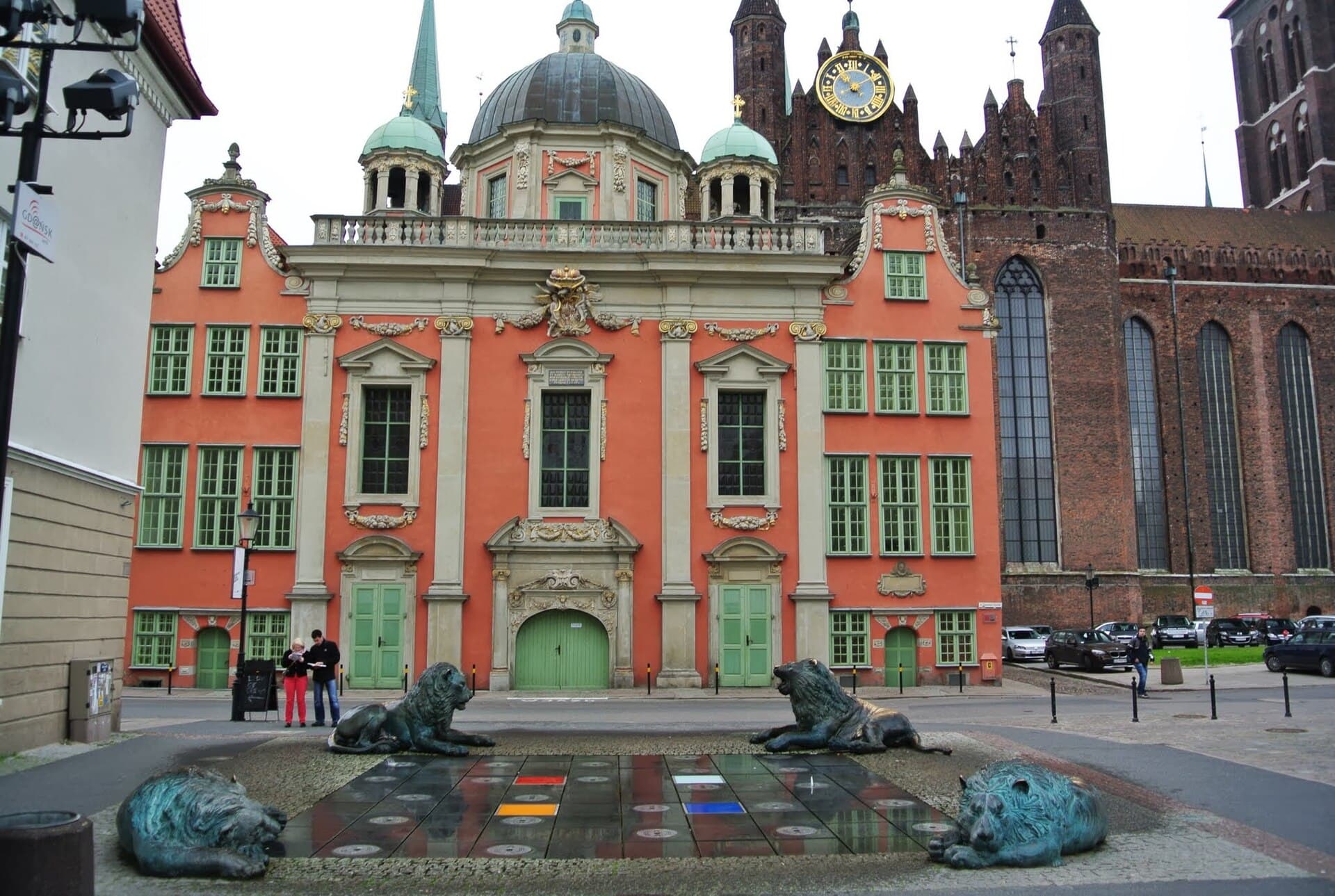 The Four Quarters FountainA contemporary fountain on the Coal Market in Gdansk's Main Town, installed in 24 minutes walk4.6
The exterior is free to see from the bank and is the most photographed sight in Gdańsk. Entering shows the internal mechanism and the two wheels, which is compelling if historic engineering interests you. But the richer content is in the granaries on the opposite bank and the Sołdek.
By a small ferry across the Motława, normally included in the combined ticket, with the crossing taking minutes. You can also walk via a nearby bridge. Check the last ferry time if you are visiting late in the day.