
Preserved whole
You descend to the engine room and see the boiler and steam engine.
—DerHexer (Talk) — CC BY-SA 3.0 · kallerna — CC BY-SA 3.0 · Andrzej Otrębski — CC BY-SA 4.0 · Barbara Maliszewska — CC BY-SA 3.0 pl
A steam cargo ship moored on the Motława in the heart of Gdańsk, and the first seagoing vessel built in Poland after the Second World War. She was launched in 1948 from the Gdańsk shipyard — the same yard in which the Solidarity movement was born three decades later. She is named after Stanisław Sołdek, a shipyard metalworker whose name appeared in the production propaganda of the time. The ship worked thirty years carrying coal and ore, and was converted into a museum in 1985. What makes the visit different is that she is preserved whole rather than cut open: you descend to the engine room and see the steam engine and boilers, and pass through the crew quarters, the galley and the bridge. The spaces are cramped and the stairs steep as they were. She is also a document of Polish industry in the reconstruction years. Entry is ticketed within the National Maritime Museum.
You descend to the engine room and see the boiler and steam engine.
The yard where Solidarity was born three decades later.
Stanisław Sołdek, a metalworker in the yard.
Moored on the Motława opposite the Crane
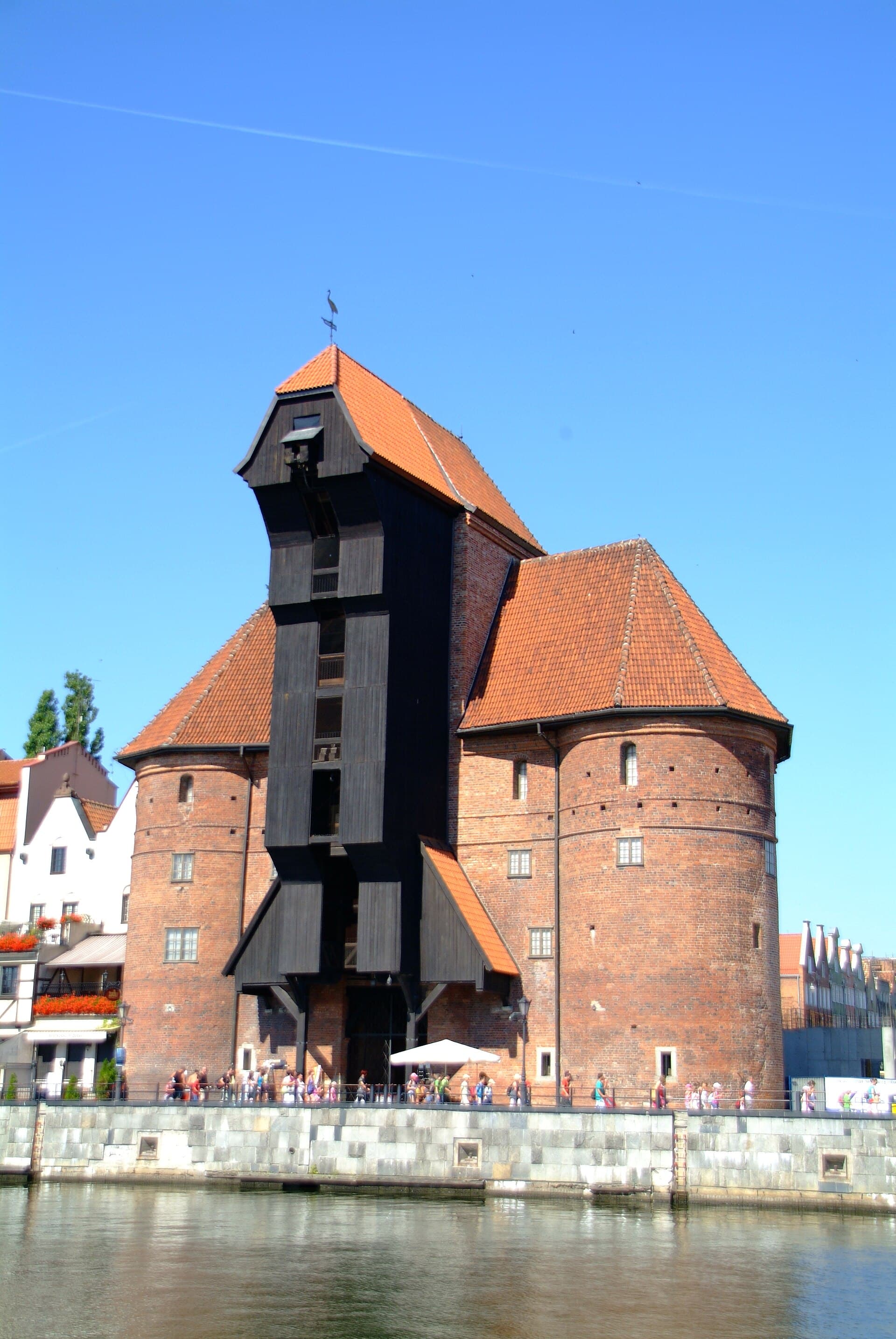 National Maritime MuseumA maritime museum spread across several buildings on both banks of the Motława i1 minute walk4.5
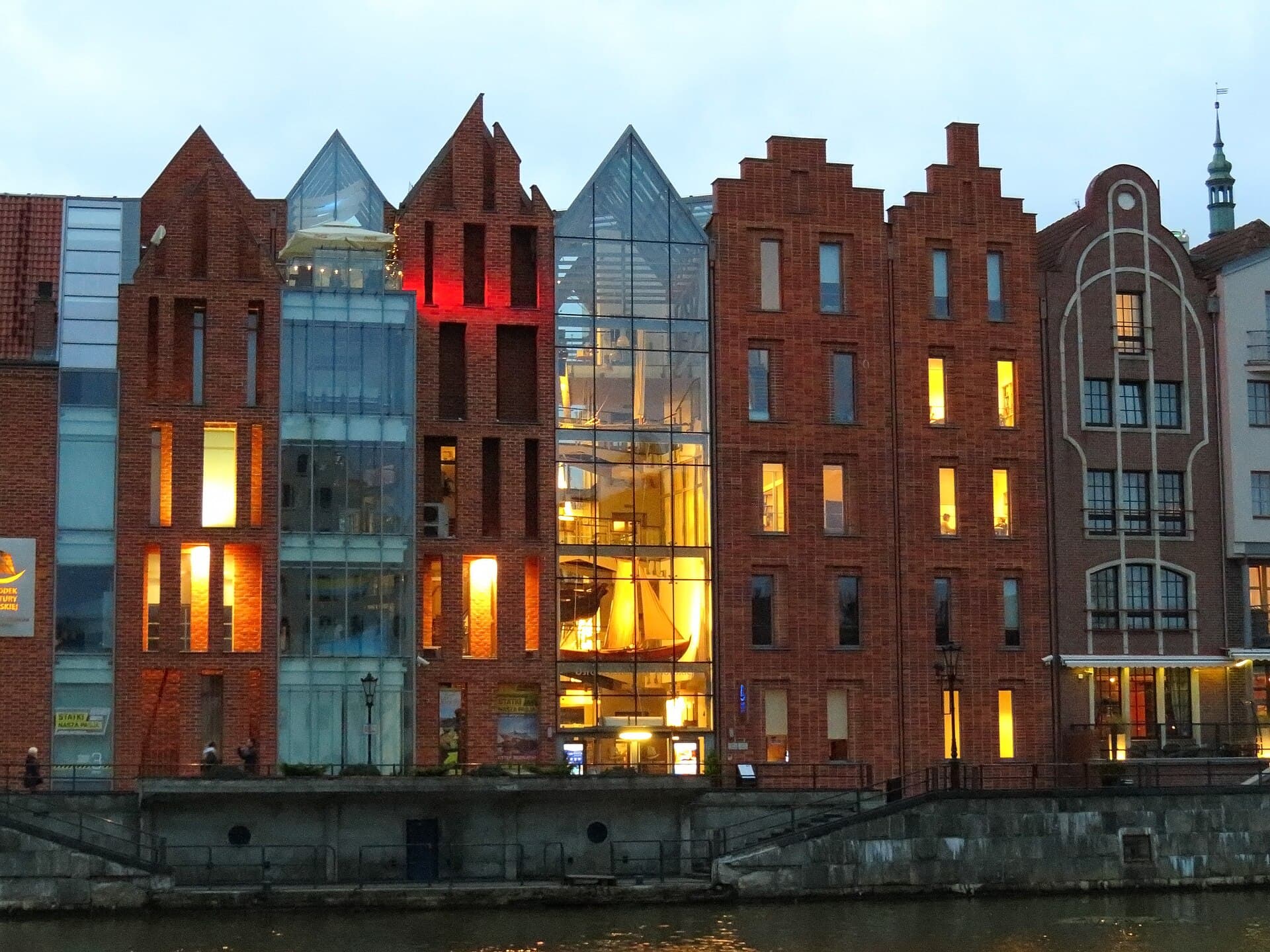 The Maritime Culture CentreA modern maritime museum on the bank of the Motława in Gdansk, a branch of the N1 minute walk4.6
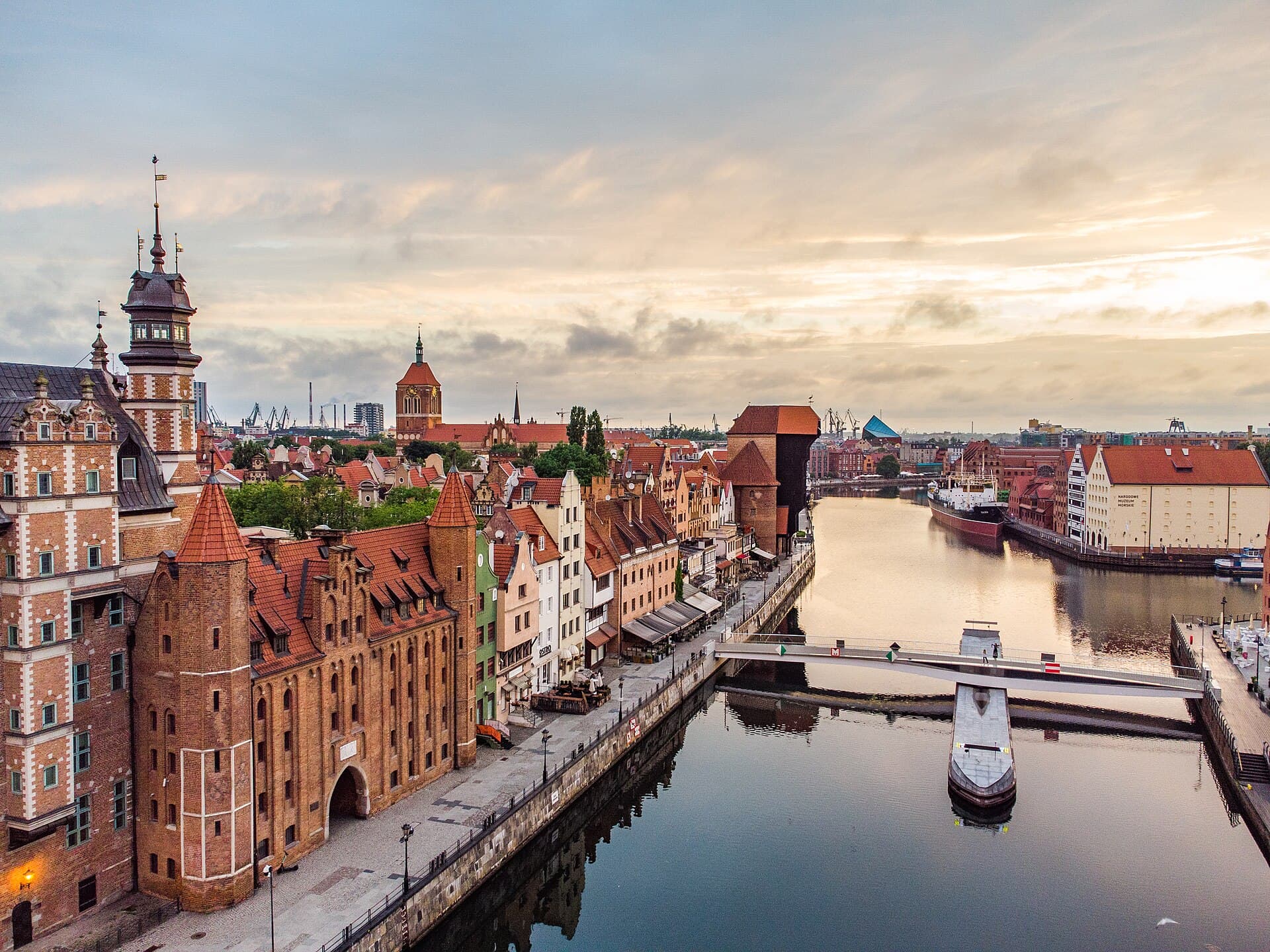 The Motława Embankment & the CraneThe Motława embankment is Gdansk's mother harbour: the long quay (Długie Pobrzeż2 minutes walk4.9
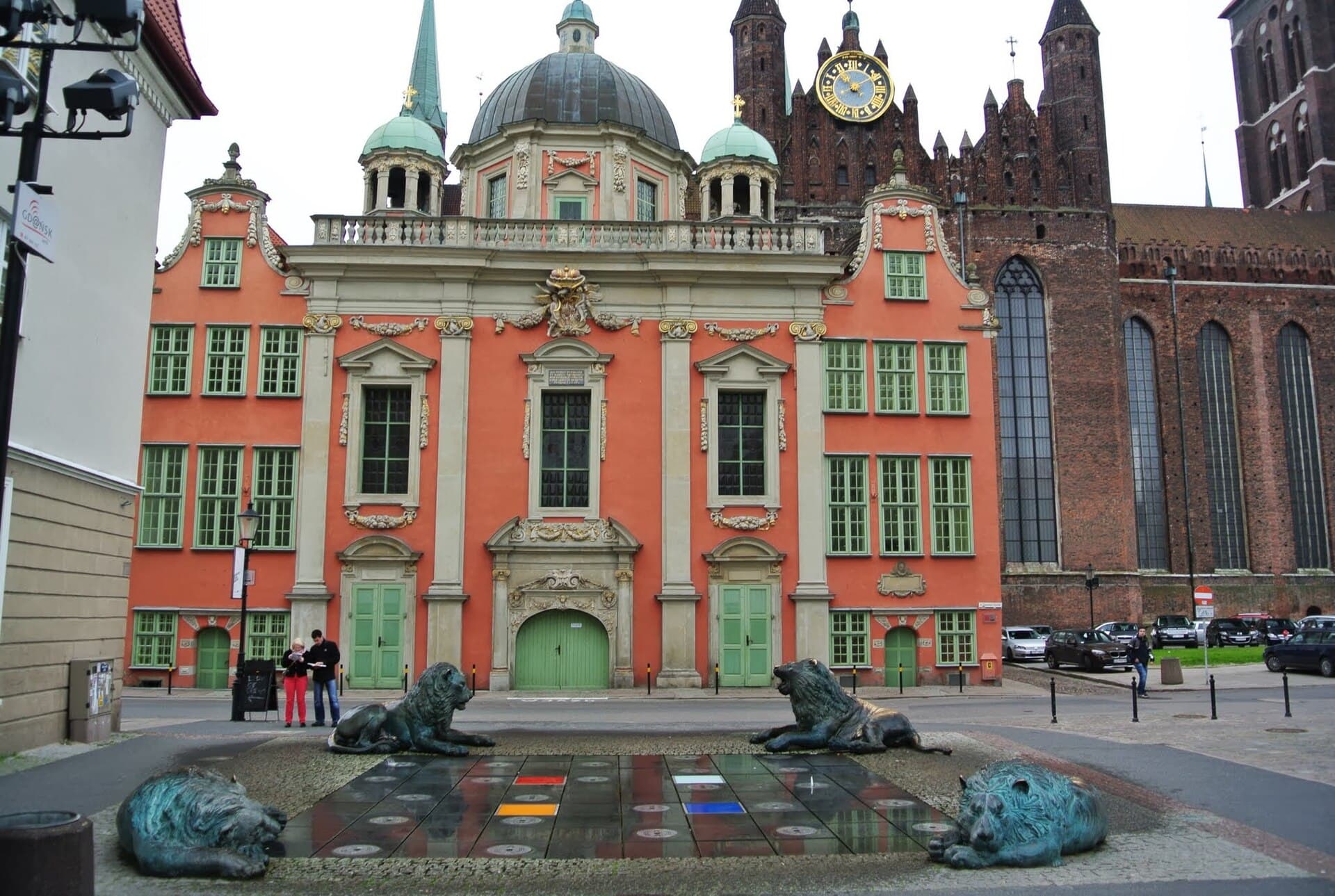 The Four Quarters FountainA contemporary fountain on the Coal Market in Gdansk's Main Town, installed in 24 minutes walk4.6
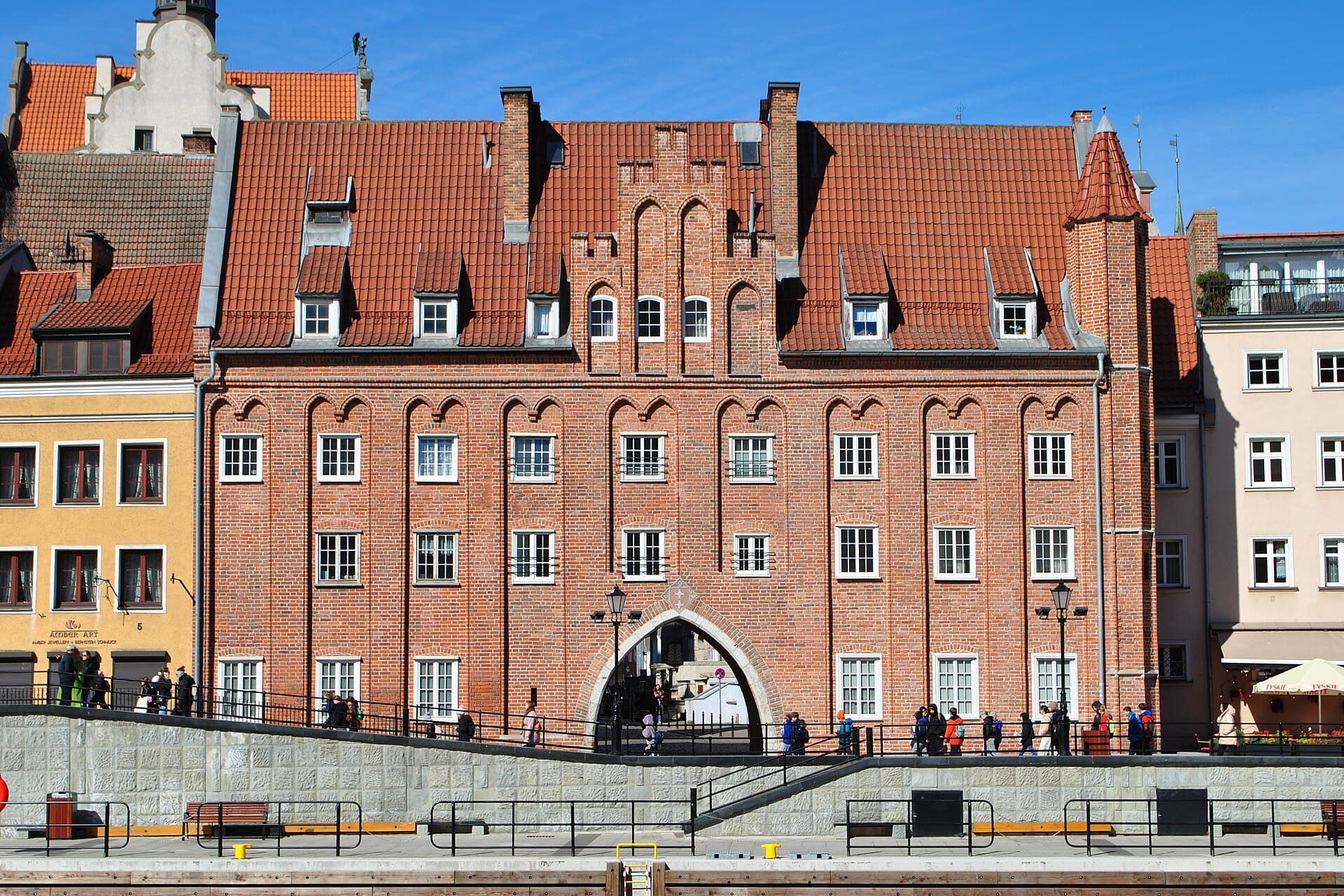 The Bread GateA mid-fifteenth-century Gothic water gate on the Gdańsk waterfront, one of the g4 minutes walk4.6
An independent trade union founded in the Gdańsk shipyard in 1980 under Lech Wałęsa, the first independent union in the Eastern Bloc. Its membership reached ten million — about a quarter of Poland's population. Martial law was declared in 1981 and the movement banned, but it continued underground until the Round Table talks of 1989 led to the first semi-free elections in the bloc — and from them began the chain of collapse of Europe's communist governments.
The European Solidarity Centre at shipyard gate number two — a building of rusted steel resembling a ship's hull, whose permanent exhibition is among the finest history museums in Europe. Before it stands the monument to the fallen shipyard workers with its three crosses. And the gate itself still stands. Allow three hours for the centre alone.