
The Faras gallery
Nubian Christian wall paintings rescued before their site drowned under the Aswan reservoir.
Rakoon — CC0 · Adrian Grycuk — CC BY-SA 3.0 pl · Aleobt — CC BY-SA 4.0 · Fred Romero from Paris, France — CC BY 2.0
Poland's largest art museum and among the most important in central Europe, in a modernist building of the 1930s on Aleje Jerozolimskie south of the centre. The collection is broad, running from antiquity to the twentieth century, but two sections set it clearly apart. The first is the Faras gallery: early medieval Christian wall paintings lifted from a cathedral in Sudan before the site was drowned under the Aswan dam reservoir, a body of work with no equivalent outside Sudan and of particular interest to Arab visitors. The second is nineteenth-century Polish painting, best known for vast historical canvases depicting moments from Poland's past, painted during a period when the country was partitioned between empires and did not exist on the map. Understanding that context changes how the paintings read entirely. The building is large and the collection larger, so selection is necessary. The museum survived the Second World War with only part of its holdings after systematic looting, and some of what was lost has still not been recovered.
Nubian Christian wall paintings rescued before their site drowned under the Aswan reservoir.
Vast canvases painted while the country was partitioned and absent from the map.
The museum was systematically looted in the Second World War, and some holdings were never recovered.
Aleje Jerozolimskie 3, Warsaw
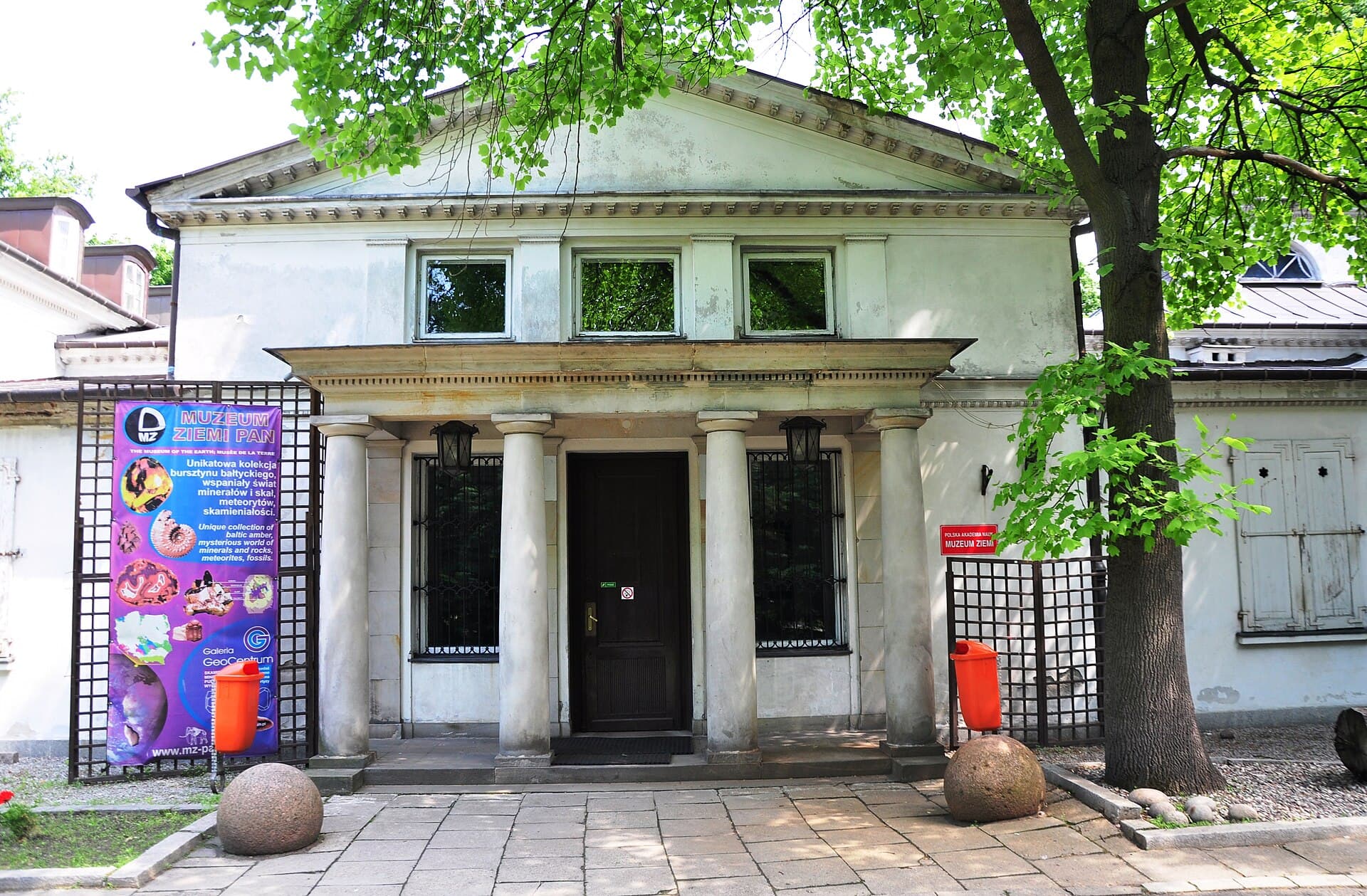 Museum of the EarthA geological museum of the Polish Academy of Sciences, in two historic villas on5 minutes walk4.4
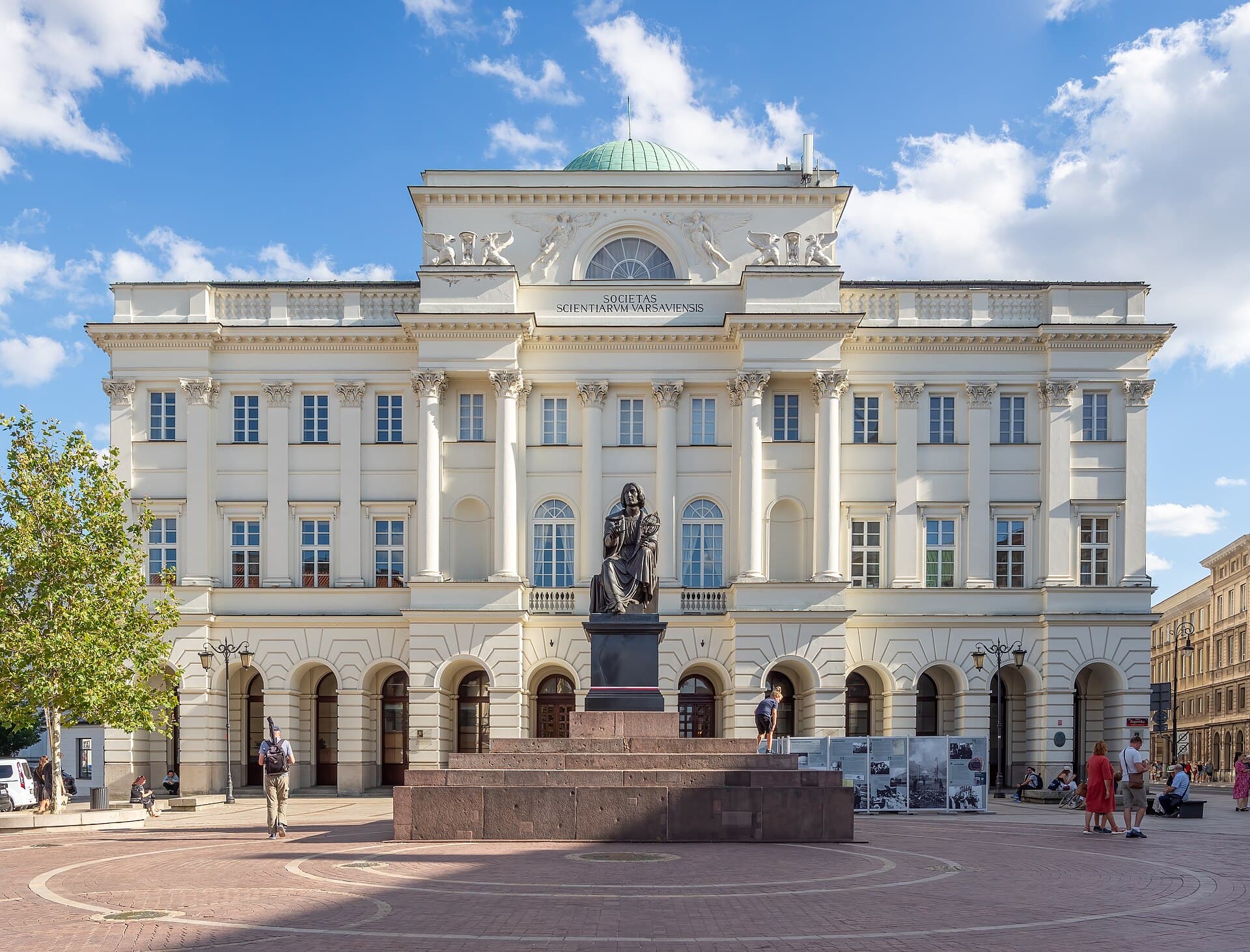 Staszic PalaceA neo-classical building on Warsaw's Royal Route, the seat of the Polish Academy10 minutes walk4.7
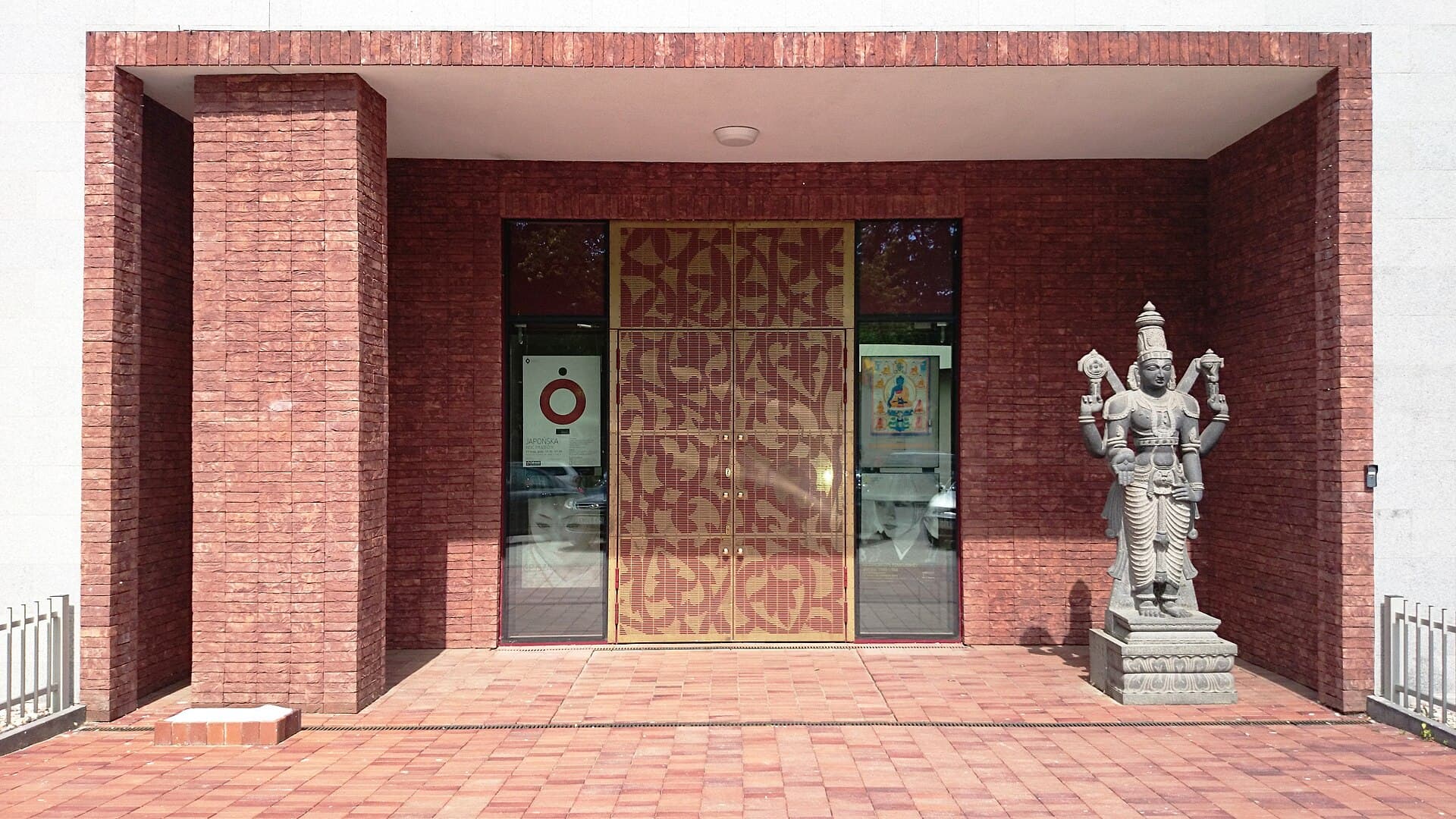 Asia and Pacific MuseumA museum of Asian art and culture in Warsaw whose collection originates with one11 minutes walk4.7
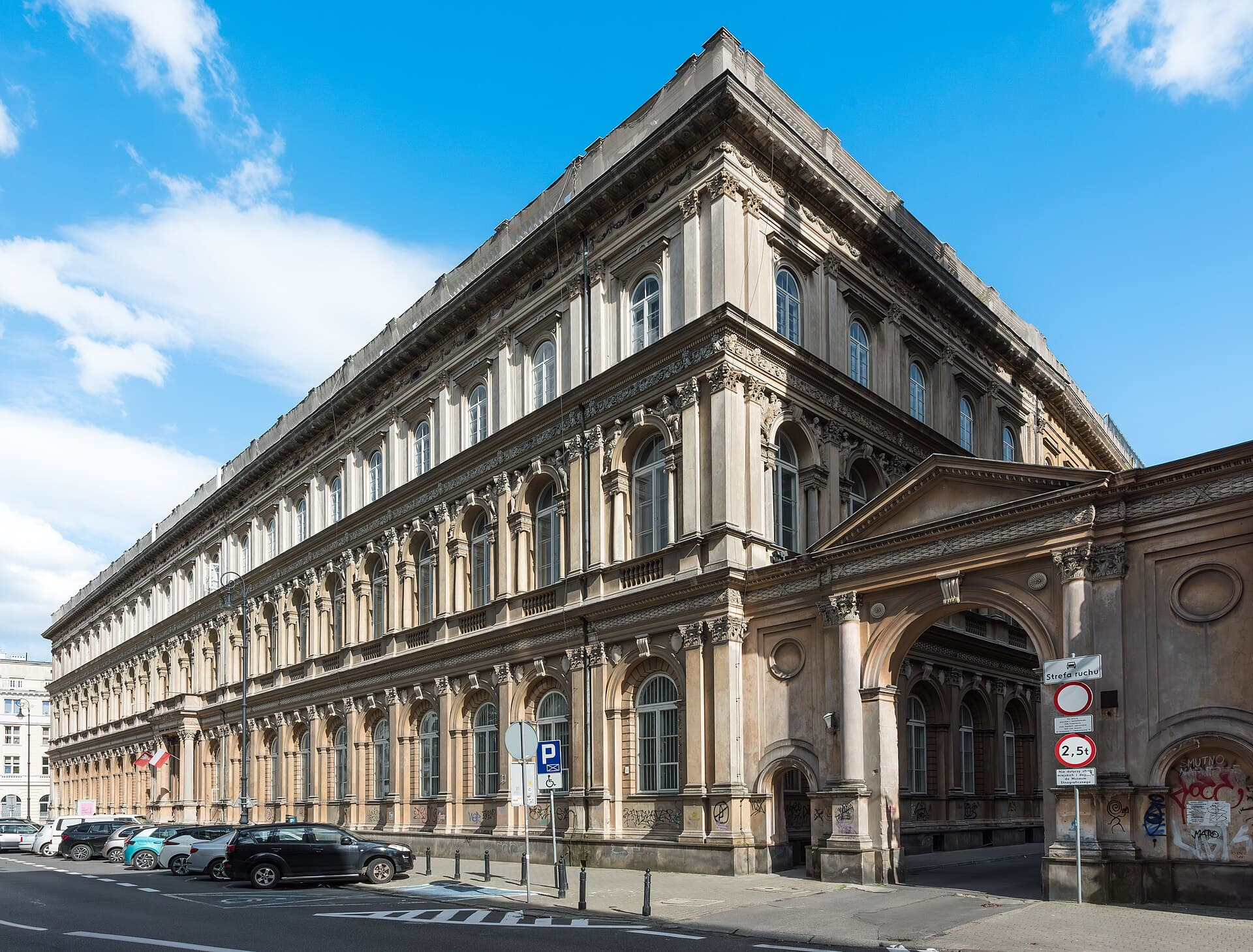 State Ethnographic MuseumA museum of Polish folk culture and non-European cultures, in an 1858 building o14 minutes walk4.5
 Museum of the University of WarsawA small museum within the historic campus of the University of Warsaw on the Roy14 minutes walk4.5
Wall paintings from a Christian cathedral at Faras in northern Sudan, dating between the eighth and fourteenth centuries. They were removed in the 1960s during the international campaign to save Nubian monuments before the Aswan reservoir flooded the site, and were divided between Sudan and Poland, which led the excavation. For a visitor interested in the region's history they are the most significant thing in the museum.
Poland's national museums generally run one free day a week for the permanent collection, but the day varies and changes. Check the official site, and note that temporary exhibitions still need separate tickets even on the free day.