
Shadow-puppet figures
From Indonesia, among the collection's visually strongest holdings.
Happa — CC BY 3.0 · Klarqa — CC BY-SA 4.0 · Klarqa — CC BY-SA 4.0 · Klarqa — CC BY-SA 4.0
A museum of Asian art and culture in Warsaw whose collection originates with one man: Andrzej Wawrzyniak, a Polish diplomat who served in Indonesia, Laos, India, Nepal and Afghanistan. Over decades of diplomatic service and travel Wawrzyniak gathered thousands of objects, then gave the entire collection to the Polish state in 1973 on condition that a museum be created for it. The museum was founded, and he directed it until his retirement. The collection holds more than twenty thousand items: Indonesian masks, shadow-puppet figures, textiles, Buddhist sculpture, weapons, and art from India, Afghanistan, Japan, China, Nepal and the Pacific islands. An important practical point: the museum is not large and its display space is limited, so a small part of the collection is shown at a time in changing temporary exhibitions. Check the programme before going, as what you see depends entirely on when you visit. This is a museum for those specifically interested in Asia, not a priority on a first visit to Warsaw.
From Indonesia, among the collection's visually strongest holdings.
He served in Indonesia, Laos, India, Nepal and Afghanistan, collecting throughout.
For those specifically interested in Asia, not a short first visit to Warsaw.
Solec street, the Solec district, central Warsaw
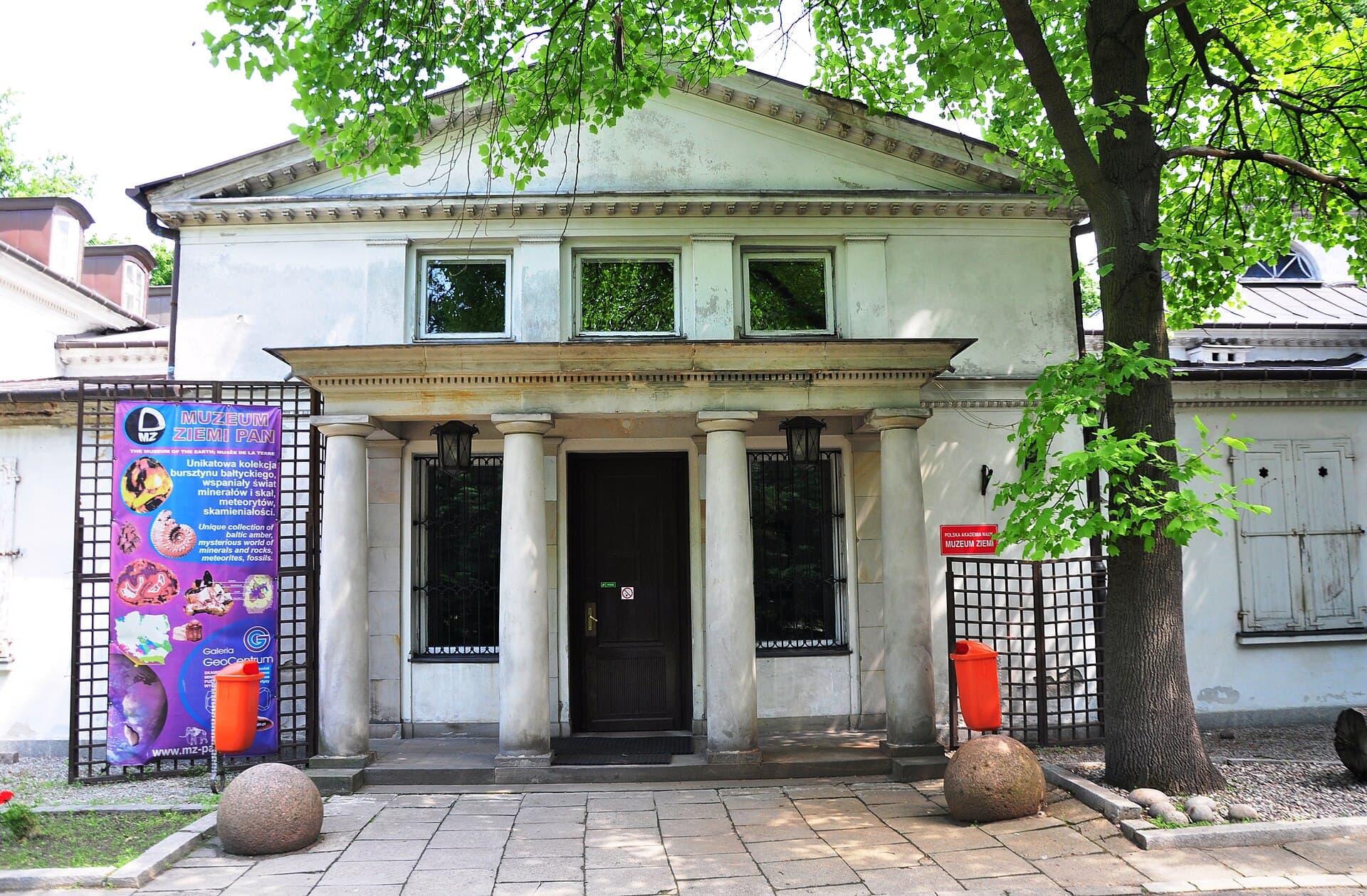 Museum of the EarthA geological museum of the Polish Academy of Sciences, in two historic villas on9 minutes walk4.4
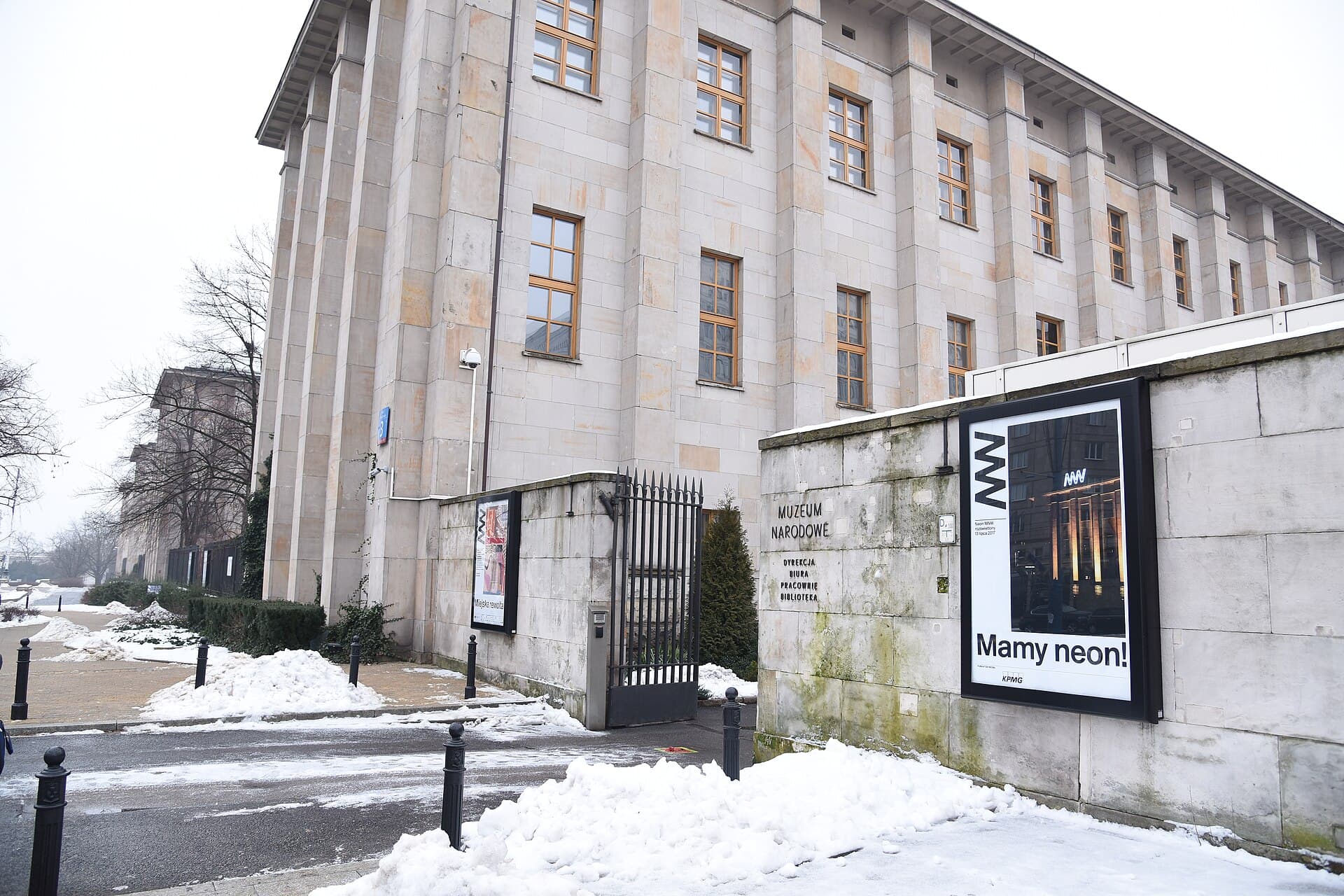 National Museum in WarsawPoland's largest art museum and among the most important in central Europe, in a11 minutes walk4.7
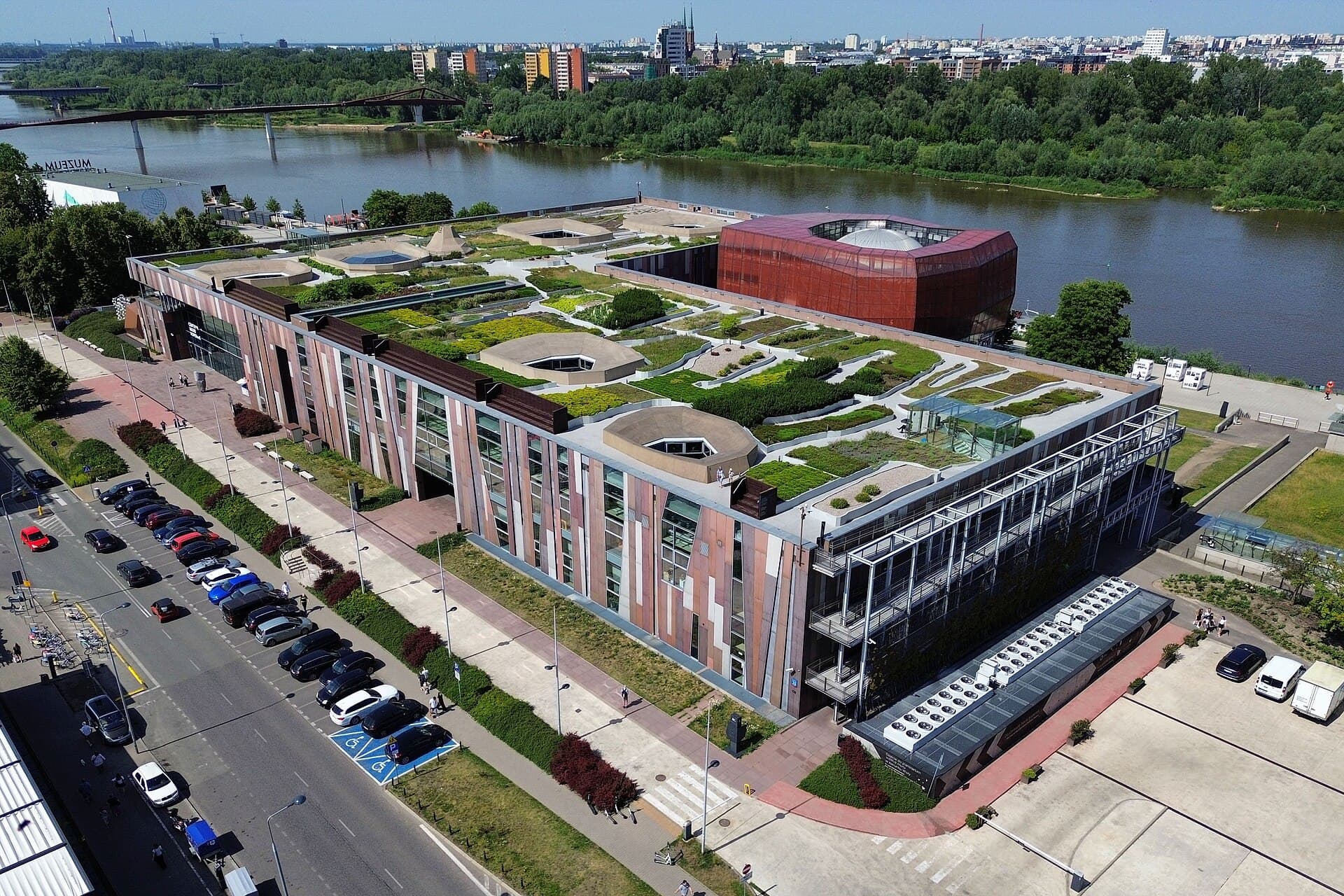 The Copernicus Science CentreCopernicus is central Europe's first playground of the mind: over four hundred i13 minutes walk4.7
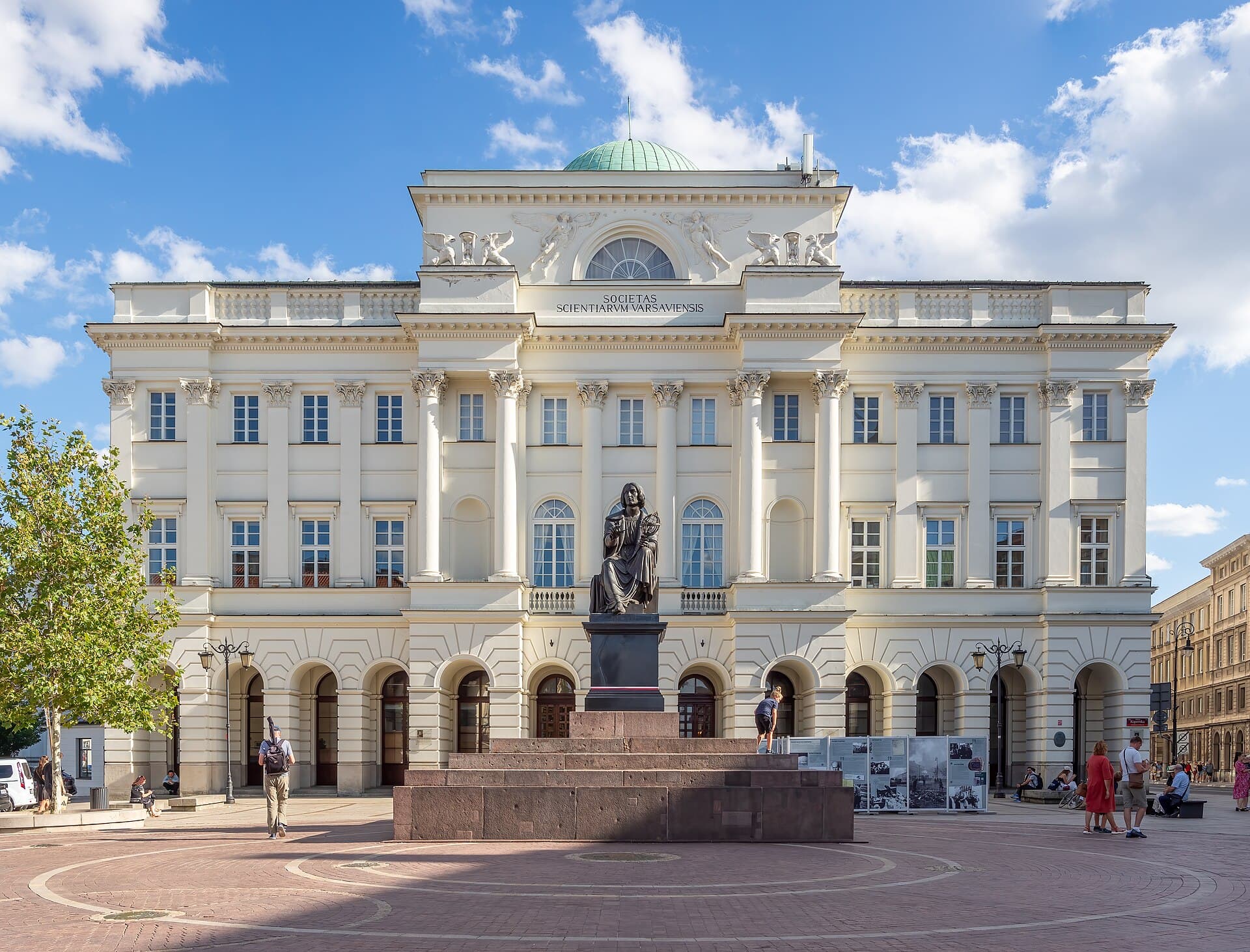 Staszic PalaceA neo-classical building on Warsaw's Royal Route, the seat of the Polish Academy17 minutes walk4.7
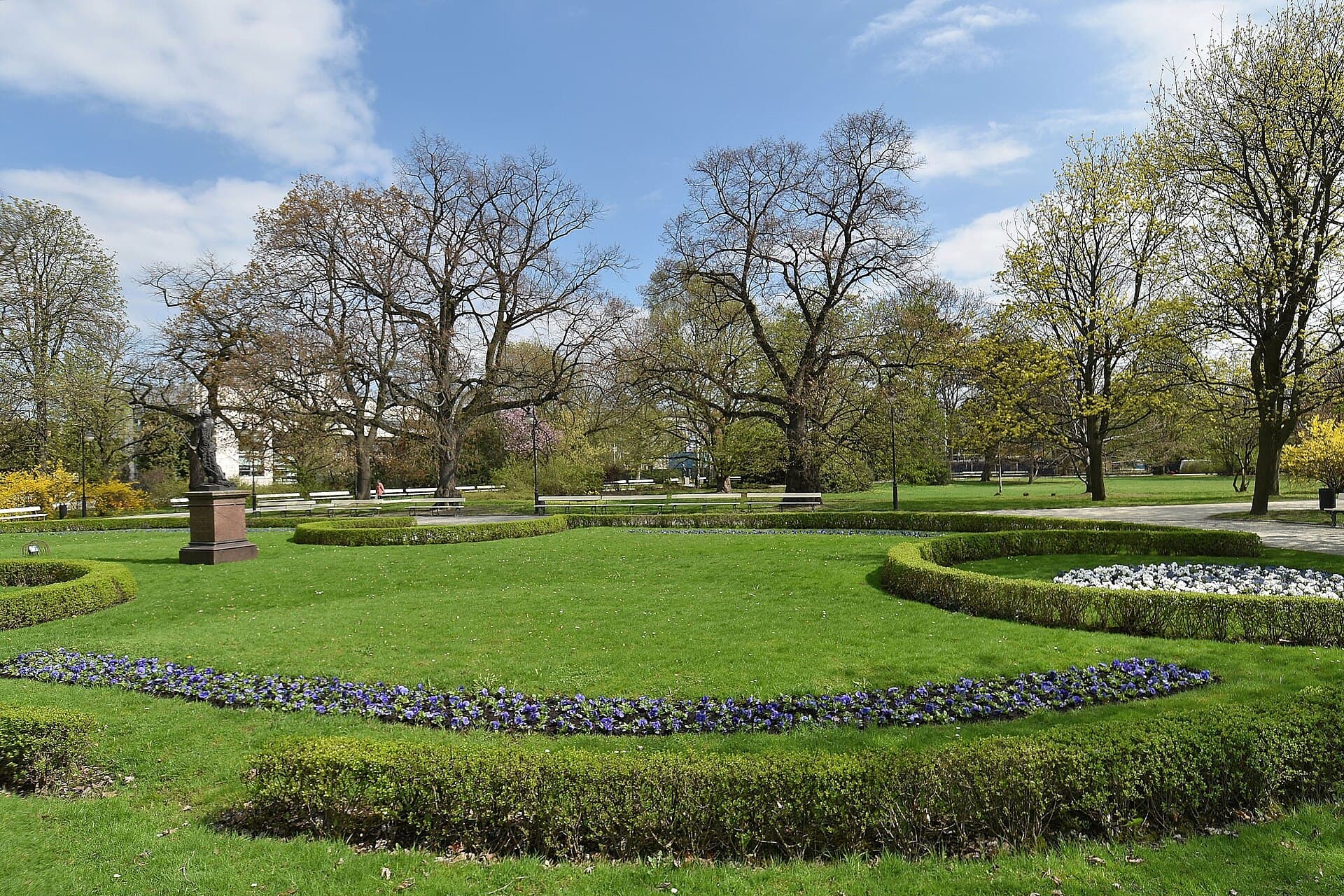 Ujazdów ParkA small, elegant park on Aleje Ujazdowskie south of central Warsaw, opened in 1820 minutes walk4.8
It cannot be stated, as what is shown is a small changing part of the collection. Check the programme before going. This is not a minor note — the difference between an exhibition of Indonesian textiles and one of Buddhist art is large, and you may arrive between installations.
Similar in origin — both grew from one man's donated collection. But Manggha is specifically Japanese with a purpose-built home and more space. This is geographically broader but smaller in display. If you will visit only one in Poland, Manggha is the stronger experience.