
Bulgaria garden
Fountains and a pulsing youth square.
Deensel — CC BY 2.0 · SPARKY358 — CC0 · Bin im Garten — CC BY-SA 3.0 · Apostoloff — CC BY-SA 3.0
NDK is the largest congress and arts centre in all Southeast Europe: a concrete giant (1981) built hastily for the 1300th anniversary of the Bulgarian state's founding — a massive communist-era architectural pride symbol of its time, still hosting congresses, concerts, opera and exhibitions today after post-communist renovations. Its wide front garden (Ploshtad Bulgaria) with a memorial to a thousand years of the Bulgarian state is an open public space for walking, skating and children's play amid seasonal fountains — one of Sofia's most youth-pulsing squares in evenings and weekends. From its roof (accessible by lift for those wanting the view) you see mighty Mount Vitosha as a permanent backdrop to the whole city — a reminder Sofia is one of Europe's few capitals where you can ski a mere half-hour's drive from its exact centre.
Fountains and a pulsing youth square.
The mountain as the city's permanent backdrop.
Ploshtad Bulgaria 1, 1414 Sofia
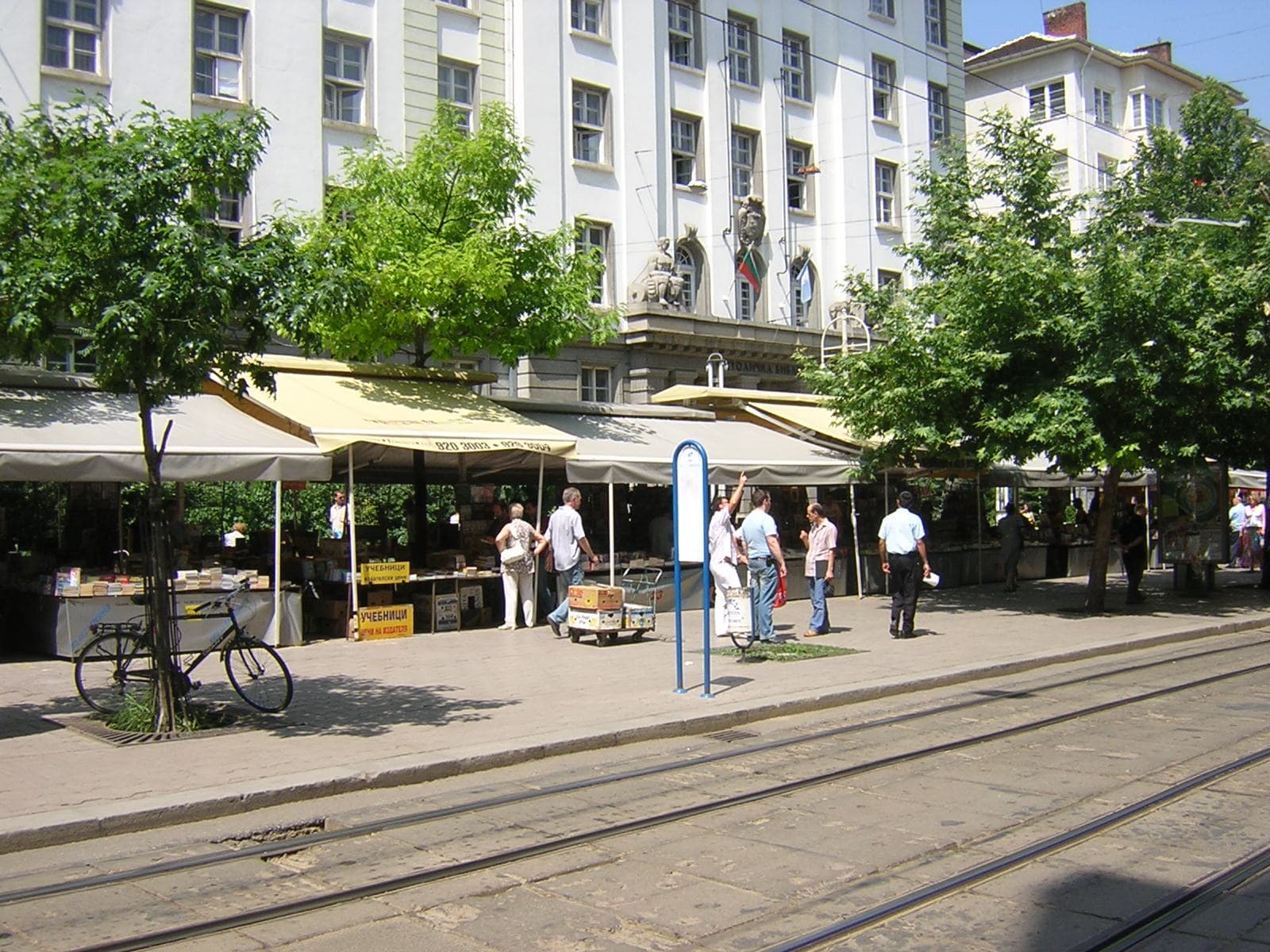 Slaveykov SquareSlaveykov Square is a small pedestrian square in central Sofia, and it is the ci12 minutes walk4.6
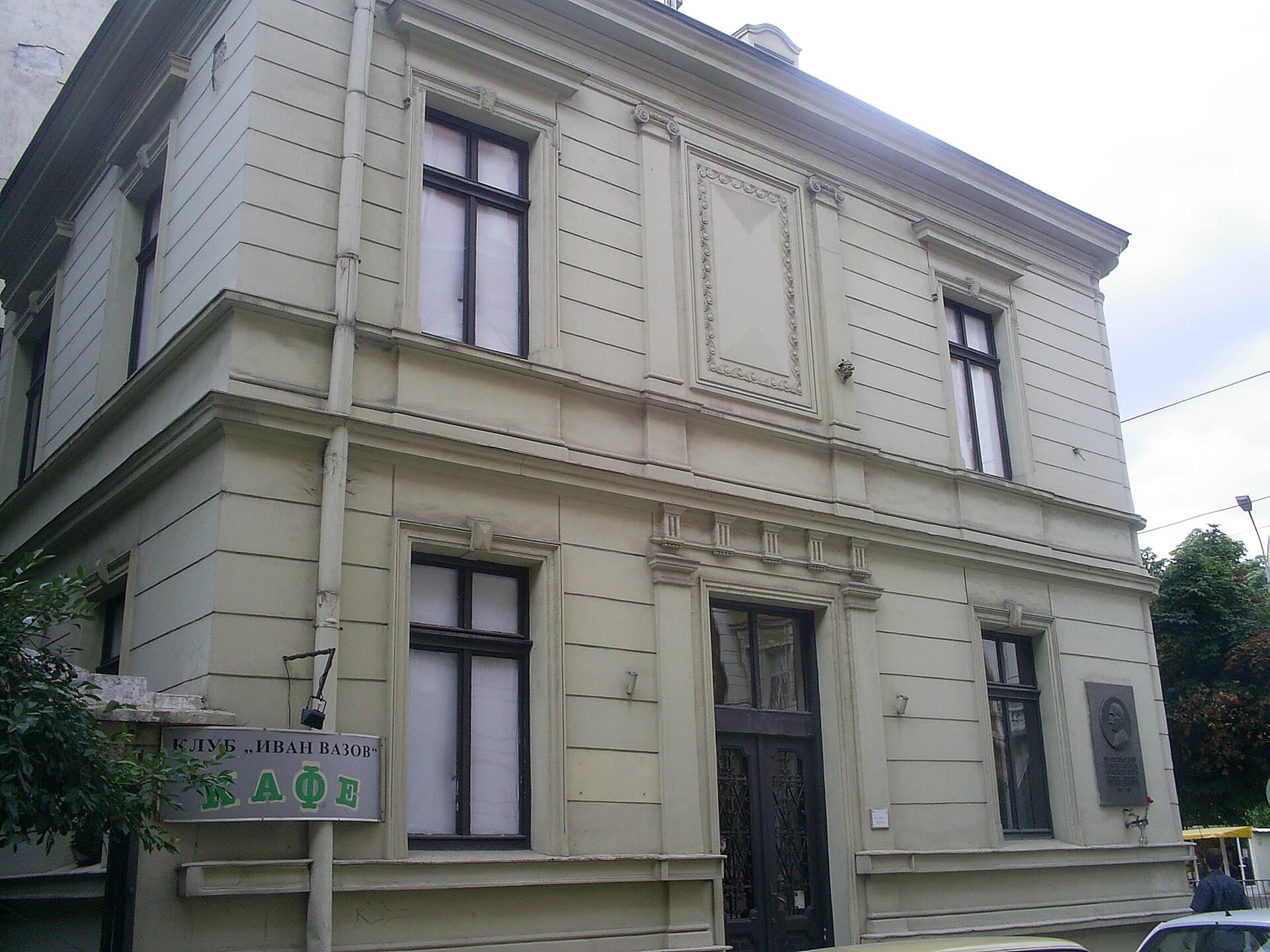 The Ivan Vazov House MuseumThe house where the Bulgarian writer Ivan Vazov lived his last years and died in15 minutes walk4.6
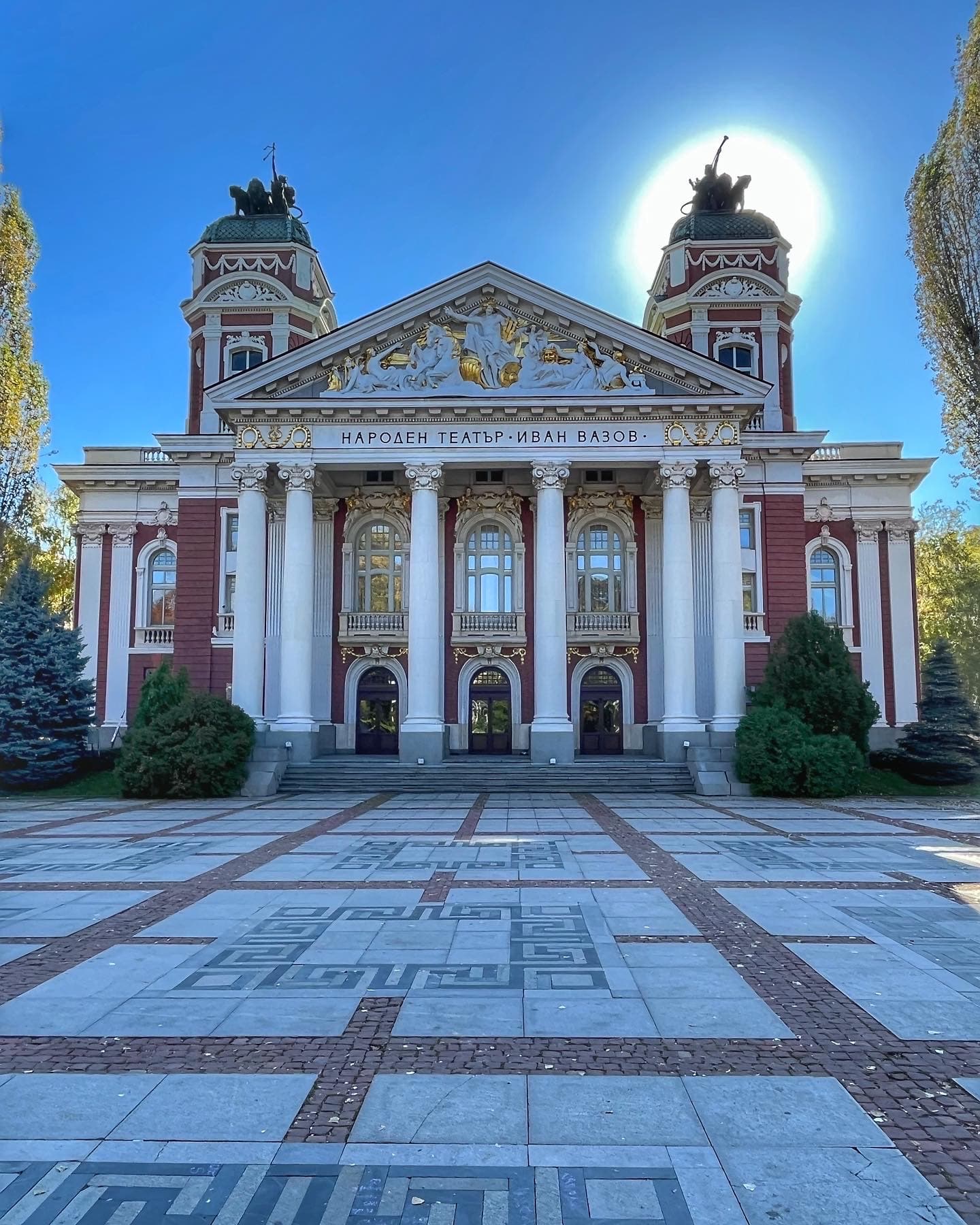 The Ivan Vazov National TheatreThe Ivan Vazov National Theatre is the handsomest building in Sofia and the one 15 minutes walk4.9
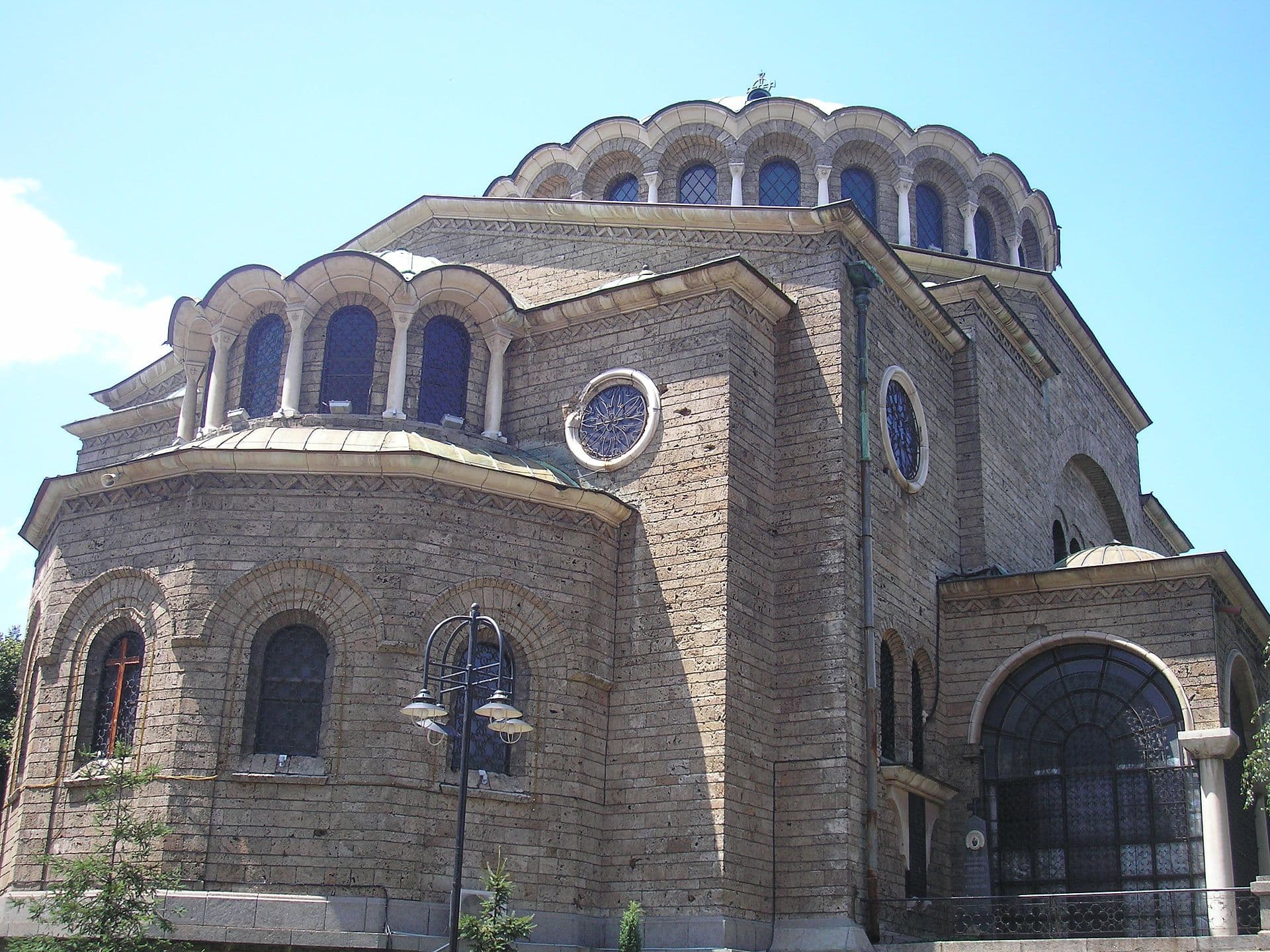 Sveta Nedelya ChurchSveta Nedelya is Sofia's old Orthodox cathedral, standing on the square that car16 minutes walk4.6
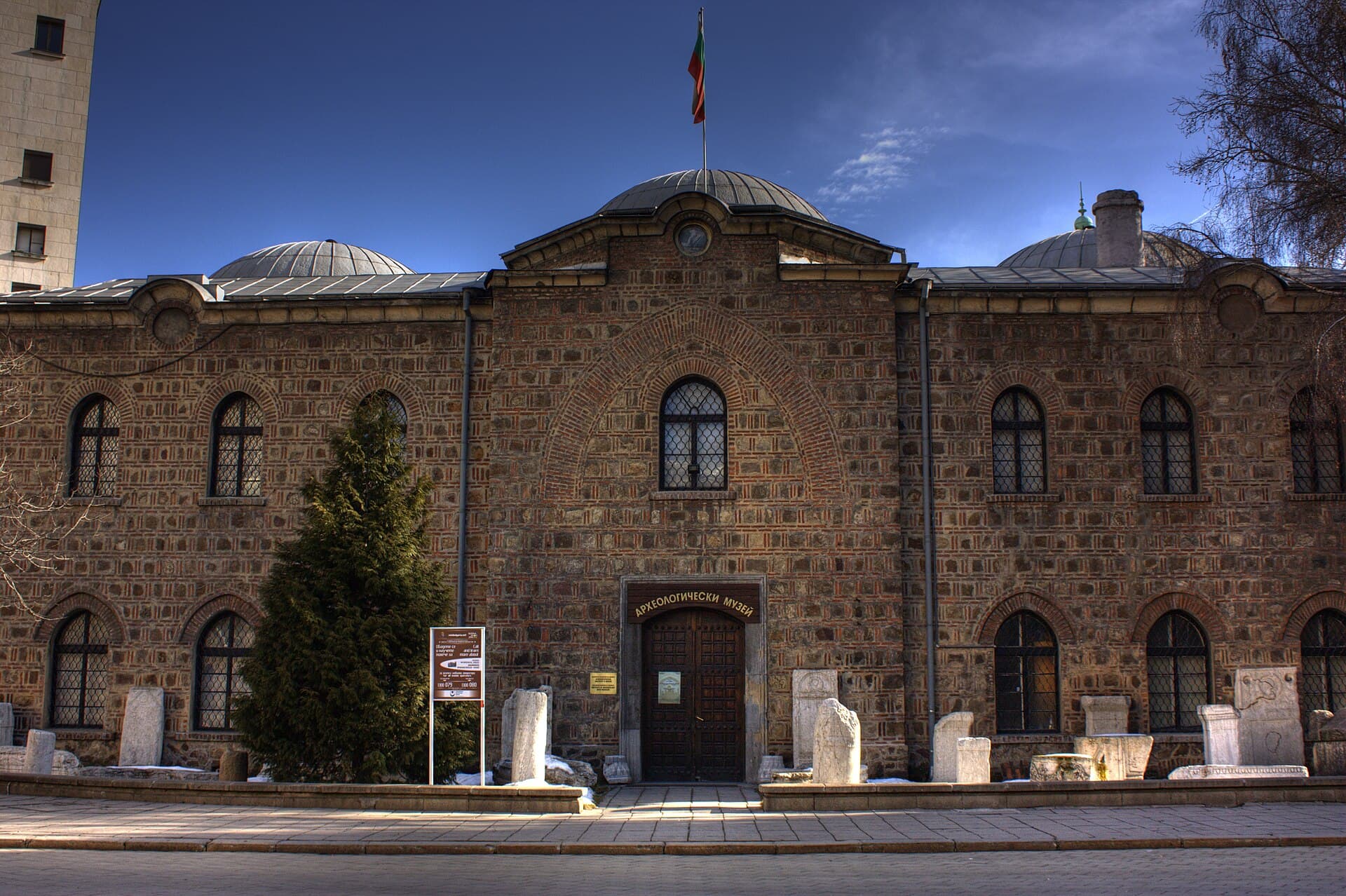 National Archaeological MuseumBulgaria's national archaeological museum, occupying the Büyük Mosque, built in 17 minutes walk4.7
The ruling Bulgarian Communist Party wanted to show state power and civilisational maturity globally through a huge architectural project matching greater Eastern Bloc achievements (Moscow, East Berlin) marking Bulgaria's 1300th founding anniversary (681 AD) — built at record speed on nearly a whole state budget, and it survived communism's fall (1989) simply by becoming the country's largest cultural infrastructure, too vital to abandon.