
Under the Yoke
The first major Bulgarian novel, taught in every school.
Svik at Bulgarian Wikipedia — CC BY-SA 3.0 · Gitanes232 — CC0 · DIMSFIKAS — CC BY-SA 3.0 · Gitanes232 — CC0
The house where the Bulgarian writer Ivan Vazov lived his last years and died in 1921, turned into a museum immediately after his death. Vazov (1850–1921) is called the patriarch of Bulgarian literature, and is the first name on any list of the country's writing. He wrote poetry, drama and short fiction, but his best-known work is the novel Under the Yoke of 1894 — the first major Bulgarian novel, depicting life under Ottoman rule and the preparation for the April uprising of 1876. The novel is taught in every Bulgarian school, and so Vazov's name is present in every city: streets, schools and Sofia's national theatre all carry it. The house shows its rooms as they were: his study, library, furniture, manuscripts and personal possessions, along with documents on his life and his exile in Odessa and Bucharest. Small, with limited hours and labelling mostly in Bulgarian.
The first major Bulgarian novel, taught in every school.
The title Vazov carries in Bulgarian culture.
The rooms are shown as he left them, with his furniture and possessions.
Ivan Vazov street, central Sofia
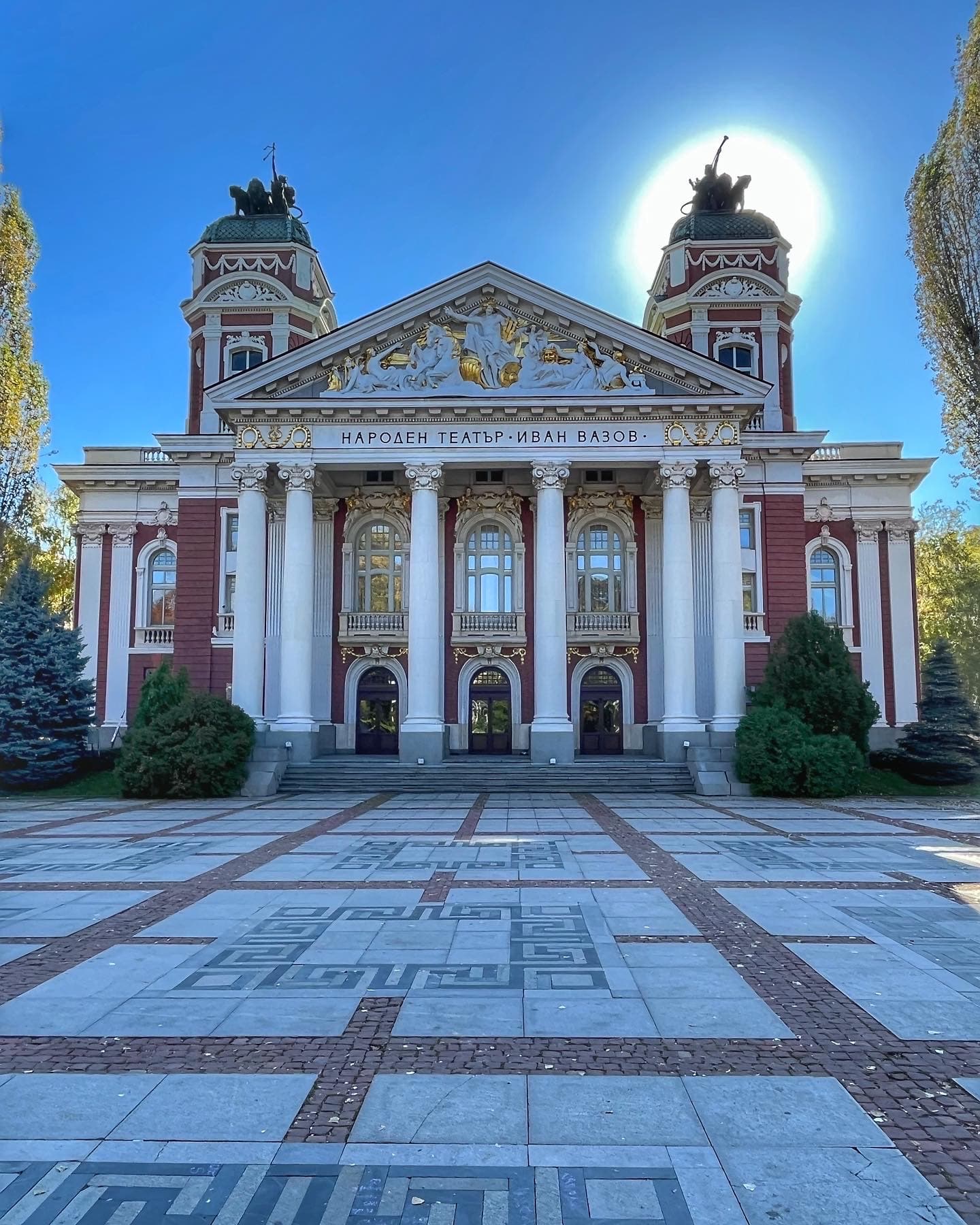 The Ivan Vazov National TheatreThe Ivan Vazov National Theatre is the handsomest building in Sofia and the one 2 minutes walk4.9
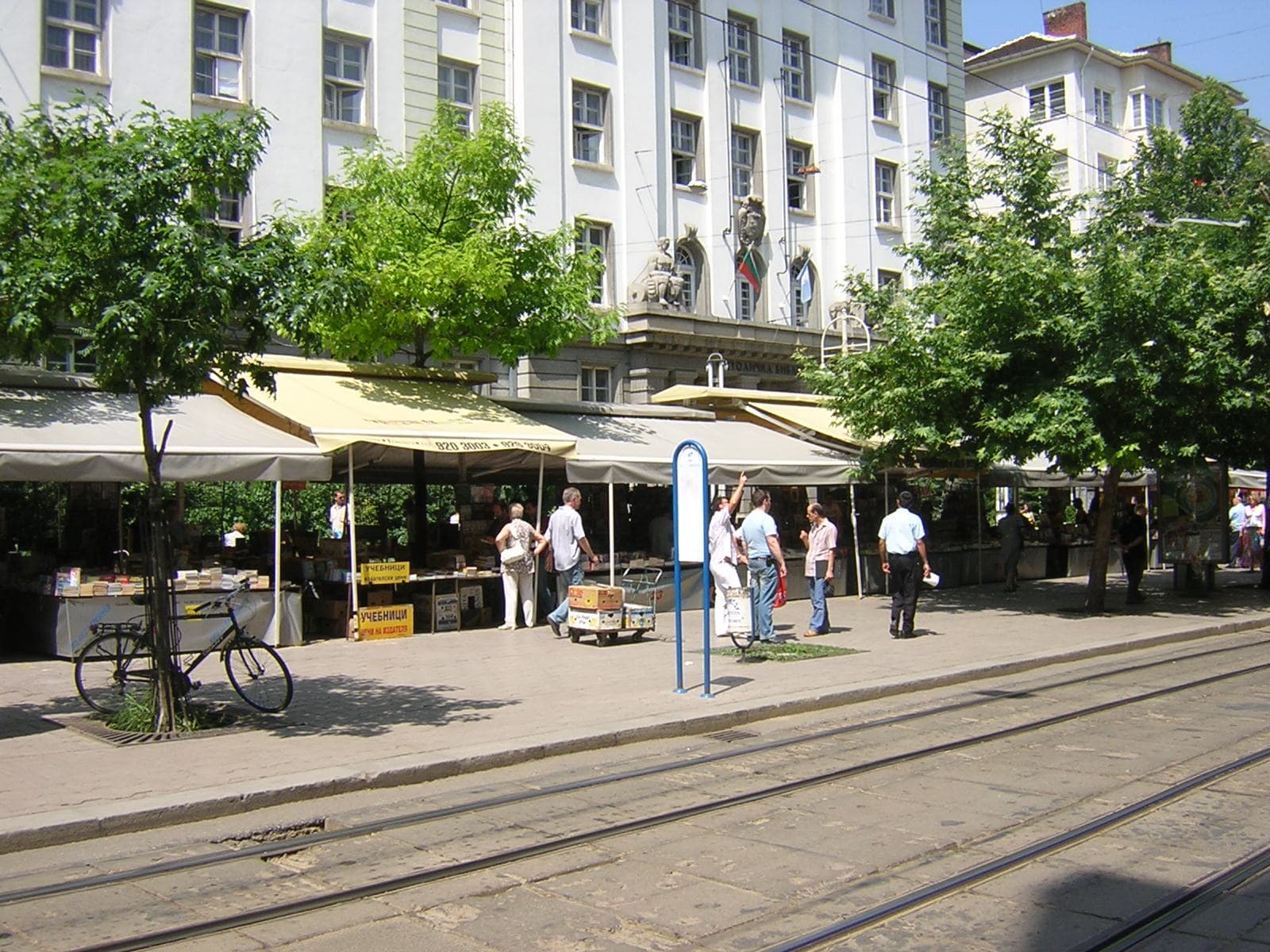 Slaveykov SquareSlaveykov Square is a small pedestrian square in central Sofia, and it is the ci4 minutes walk4.6
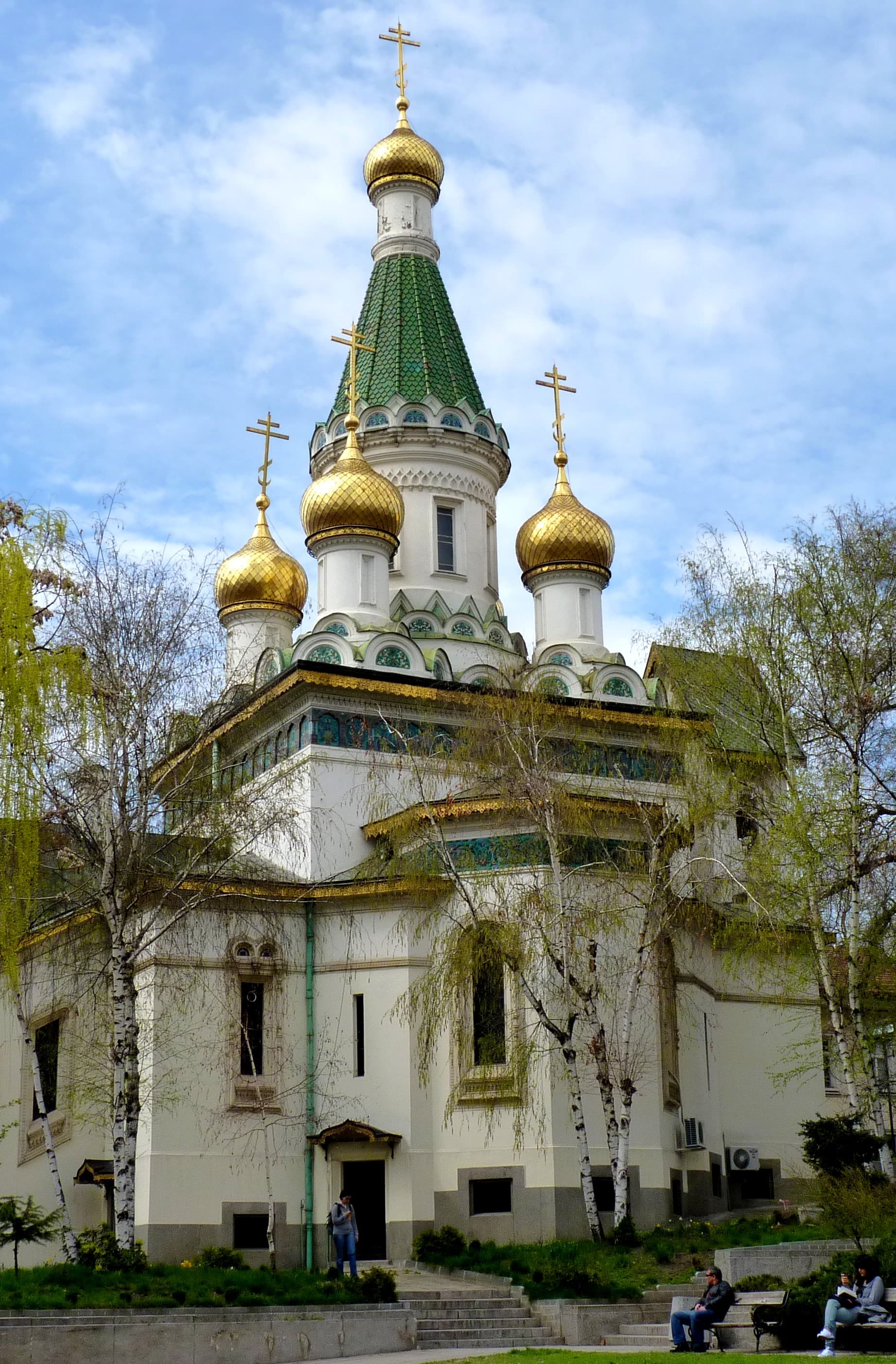 The Russian ChurchThe church of St Nicholas — the Russian Church — is the smallest of central Sofi4 minutes walk4.7
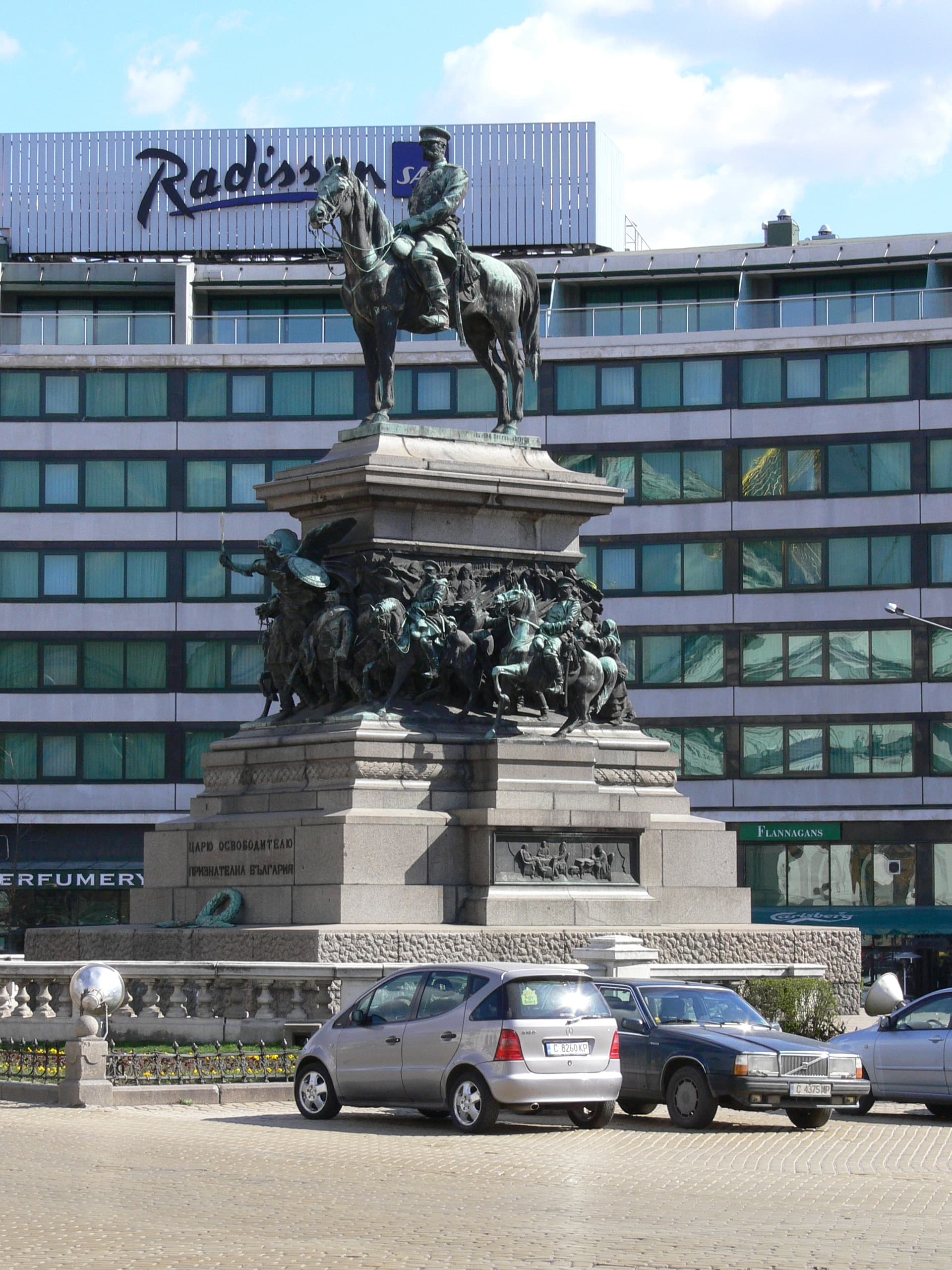 The Monument to the Tsar LiberatorA large equestrian monument in front of the Bulgarian parliament, showing the Ru5 minutes walk4.7
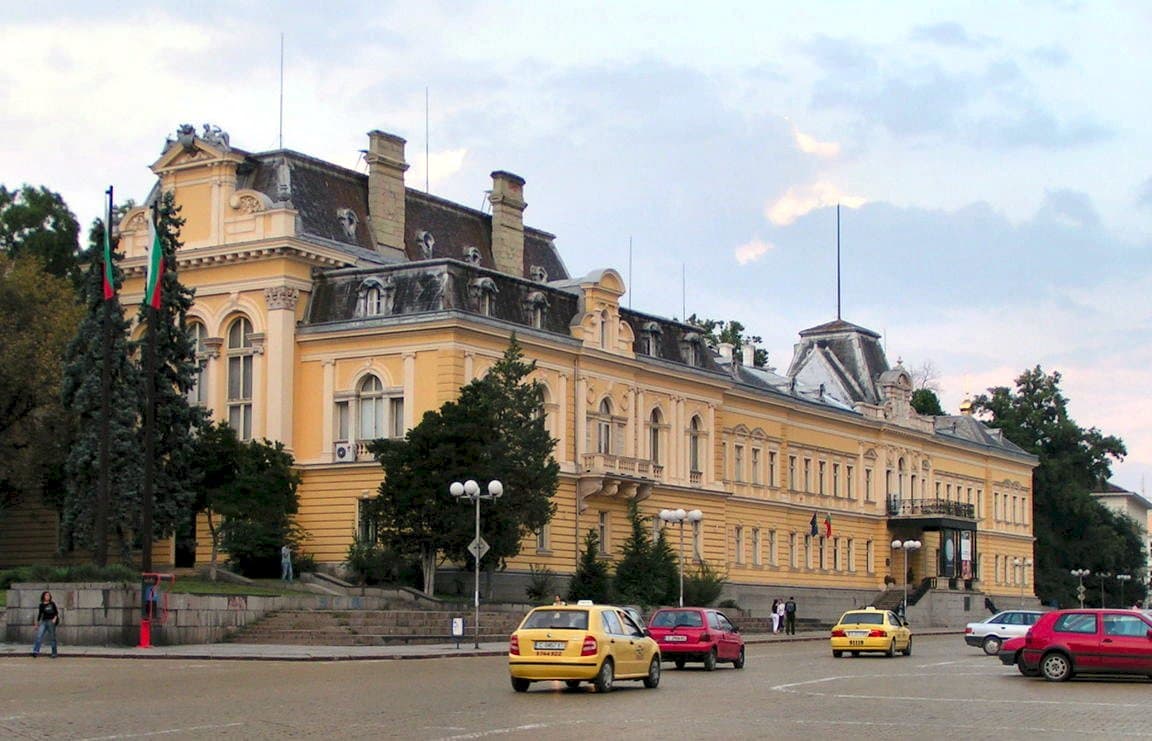 The Royal PalaceThe Royal Palace at the heart of Sofia is a building with three lives: it was th5 minutes walk4.7
A Bulgarian rising against Ottoman rule, carefully planned but broken out prematurely and crushed within weeks. The repression that followed was extremely bloody and provoked a wave of anger in Europe — Gladstone in Britain, Victor Hugo and Dostoevsky wrote about it, and the western press called it the Bulgarian atrocities. That public opinion is what prepared the way for the Russo-Turkish war of 1877 which led to Bulgaria's independence. Vazov's novel turns on these events.
The city has a network of writers' and artists' houses: the poet Peyo Yavorov's house, Nikola Vaptsarov's, and the painter Nikola Petrov's. Most are small, cheap, rarely crowded and labelled in Bulgarian. If you do not know these figures, the priority is the National History Museum, the National Gallery and Boyana Church — the last on the World Heritage list for its frescoes of 1259.