
The book stalls
Bulgarian, translated and old, at low prices.
No machine-readable author provided. Preslav~commonswiki assumed (based on copyright claims). — Public domain · Bin im Garten — CC BY-SA 3.0 · Bin im Garten — CC BY-SA 3.0 · Apostoloff — CC BY-SA 3.0
Slaveykov Square is a small pedestrian square in central Sofia, and it is the city's **open-air book market**: dozens of permanent stalls selling Bulgarian books new, second-hand, old and in translation, open every day since the 1990s. At the centre is a bronze of two men sitting on a bench: **Petko Slaveykov and his son Pencho** — the father a leading figure of the Bulgarian revival and the first to write poetry in modern Bulgarian, the son a poet nominated for the Nobel who died before it could be awarded. The bench is empty between them and people sit there for the photograph. The square itself is where you understand something about Sofia: a city of many readers and many publishers, with a book market in the middle of it for thirty years through everything. Prices are very low, and some stalls carry English books. Cafés and bookshops surround it. **Free and always open.**
Bulgarian, translated and old, at low prices.
An empty place between father and son that people sit in.
Ploshtad Slaveykov, Sofia
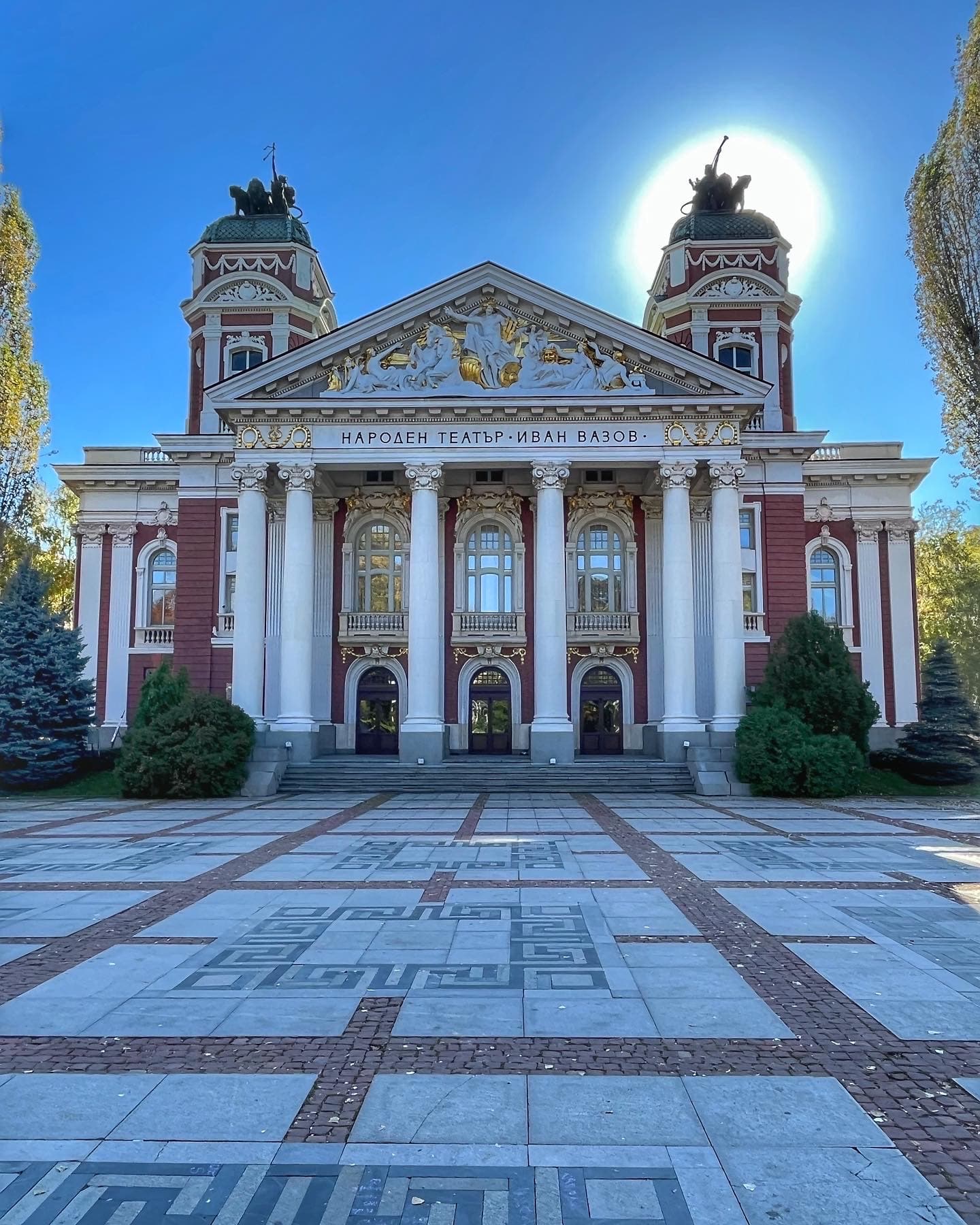 The Ivan Vazov National TheatreThe Ivan Vazov National Theatre is the handsomest building in Sofia and the one 4 minutes walk4.9
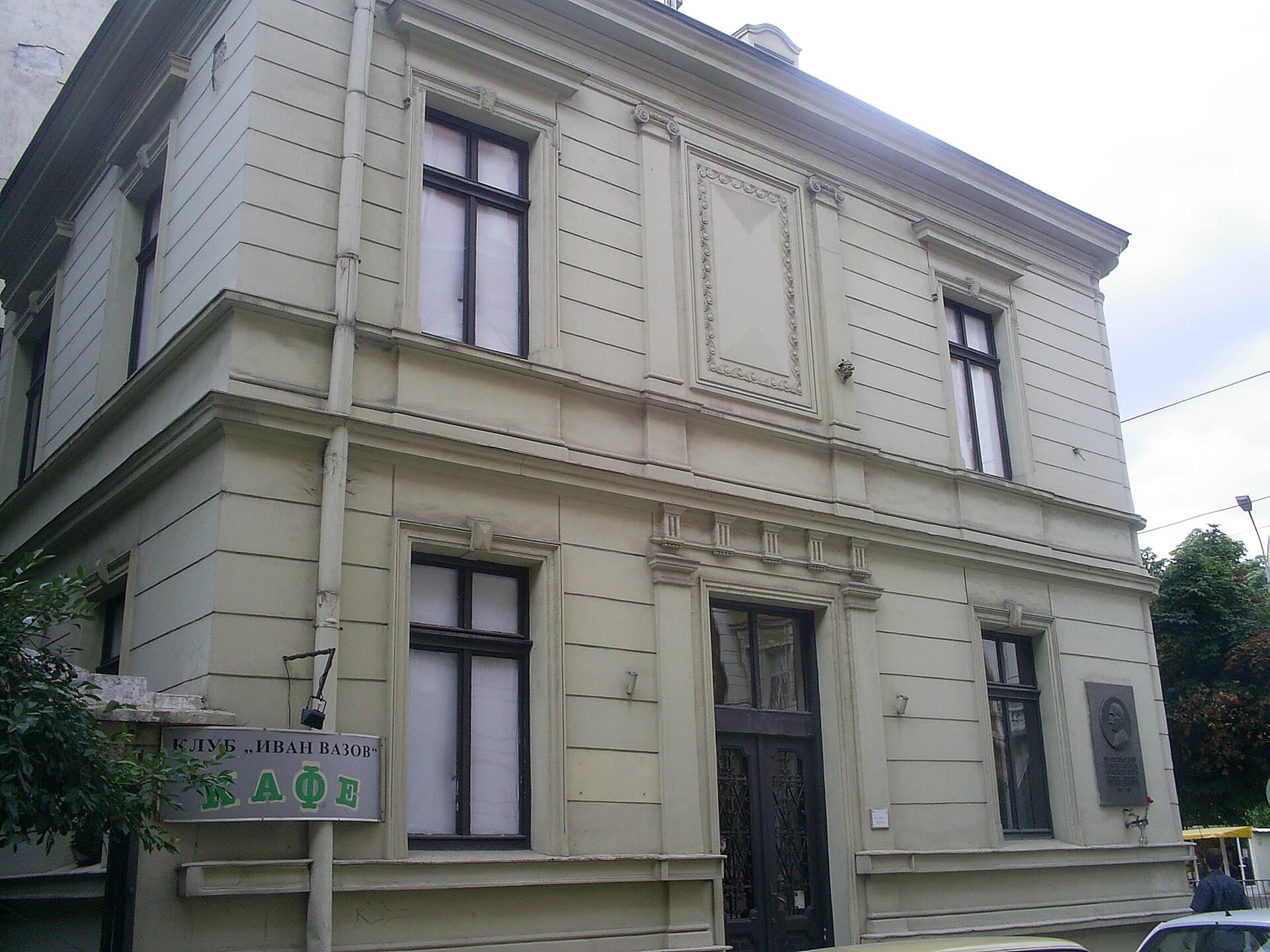 The Ivan Vazov House MuseumThe house where the Bulgarian writer Ivan Vazov lived his last years and died in4 minutes walk4.6
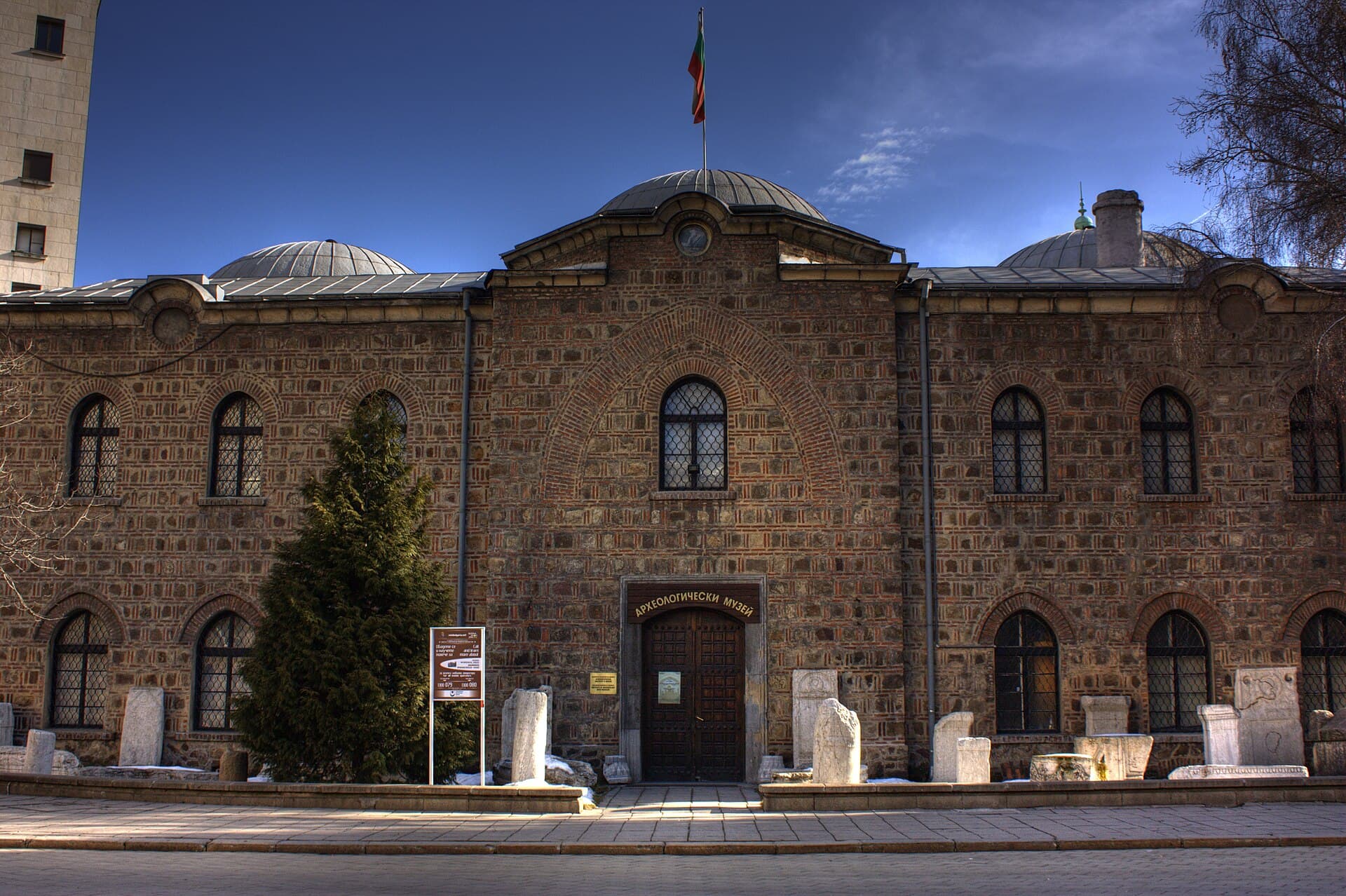 National Archaeological MuseumBulgaria's national archaeological museum, occupying the Büyük Mosque, built in 6 minutes walk4.7
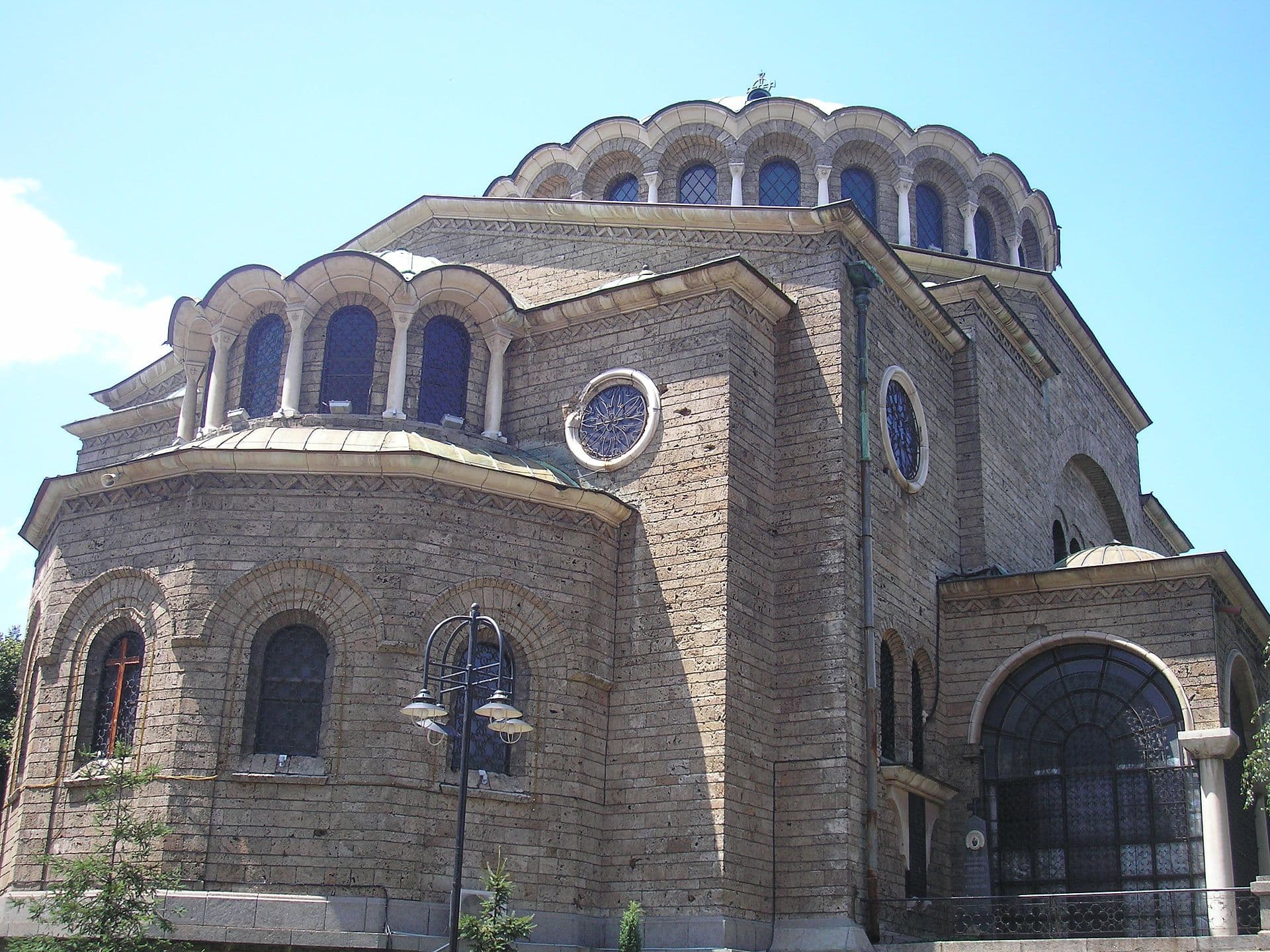 Sveta Nedelya ChurchSveta Nedelya is Sofia's old Orthodox cathedral, standing on the square that car6 minutes walk4.6
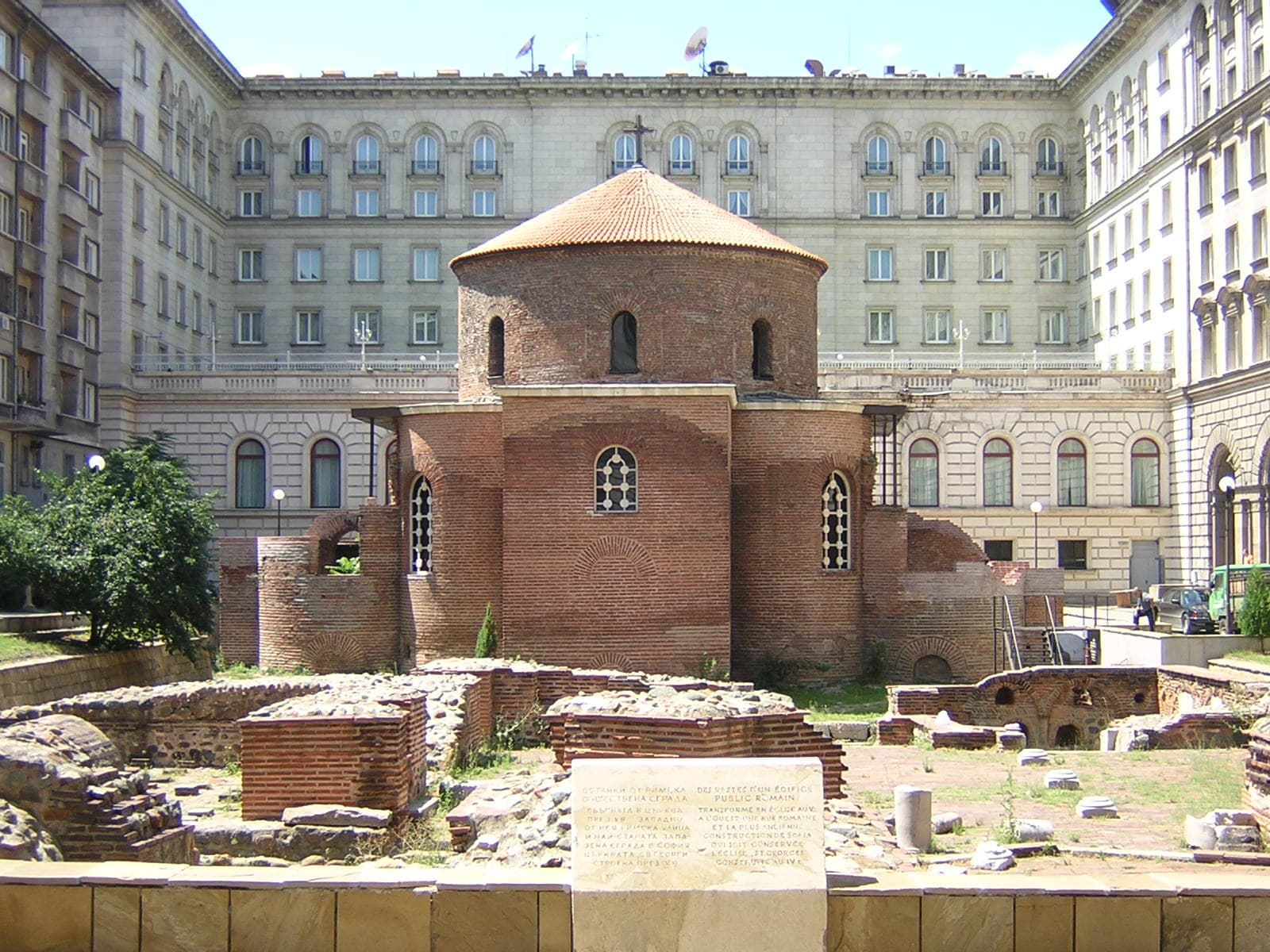 St. George RotundaSt. George Rotunda is Sofia's oldest continuously standing building: a Roman bri7 minutes walk4.7
The cultural and political movement that preceded independence, from the late eighteenth century to 1878. Its core was reviving written Bulgarian after centuries in which Greek was the language of church and schooling: schools opened in Bulgarian, the first books were printed, and chitalishte were founded — reading houses in every town combining a library, a hall and a theatre, and still existing today in their thousands. Slaveykov the elder was among its leading figures. The Bulgarian word vazrazhdane means literally rebirth, and you see it naming streets, squares and metro stations in every Bulgarian city.