
Two phases side by side
The dark first Boyadzhiev and the burning-coloured second.
Edal Anton Lefterov — CC BY-SA 3.0 · Gitanes232 — CC BY-SA 4.0 · Gitanes232 — CC BY-SA 4.0 · Gitanes232 — CC BY-SA 4.0
A permanent exhibition of the work of the Bulgarian painter Zlatyu Boyadzhiev, in the Dr Stoyan Chomakov House, a Revival-period house in old Plovdiv. Boyadzhiev's story (1903–1976) is exceptional in the history of art. He painted for forty years with his right hand in a dark-toned realist manner depicting village life and peasants. Then in 1951 he suffered a stroke that paralysed his entire right side and took away his speech. He taught himself to paint with his left hand and returned. But what returned was not the same manner: his work became far more colourful, freer, and closer to imagination and myth, with elongated figures and burning colour. Critics call the two phases the first and the second Boyadzhiev. The exhibition sets them side by side, and that is the reason to visit: you see what illness did to an artist, and you see that what followed was not weaker but different. Small and visited in an hour.
The dark first Boyadzhiev and the burning-coloured second.
The work after the illness is freer and closer to myth.
A nineteenth-century Revival house named for a Bulgarian doctor and politician.
The Dr Stoyan Chomakov House, old Plovdiv
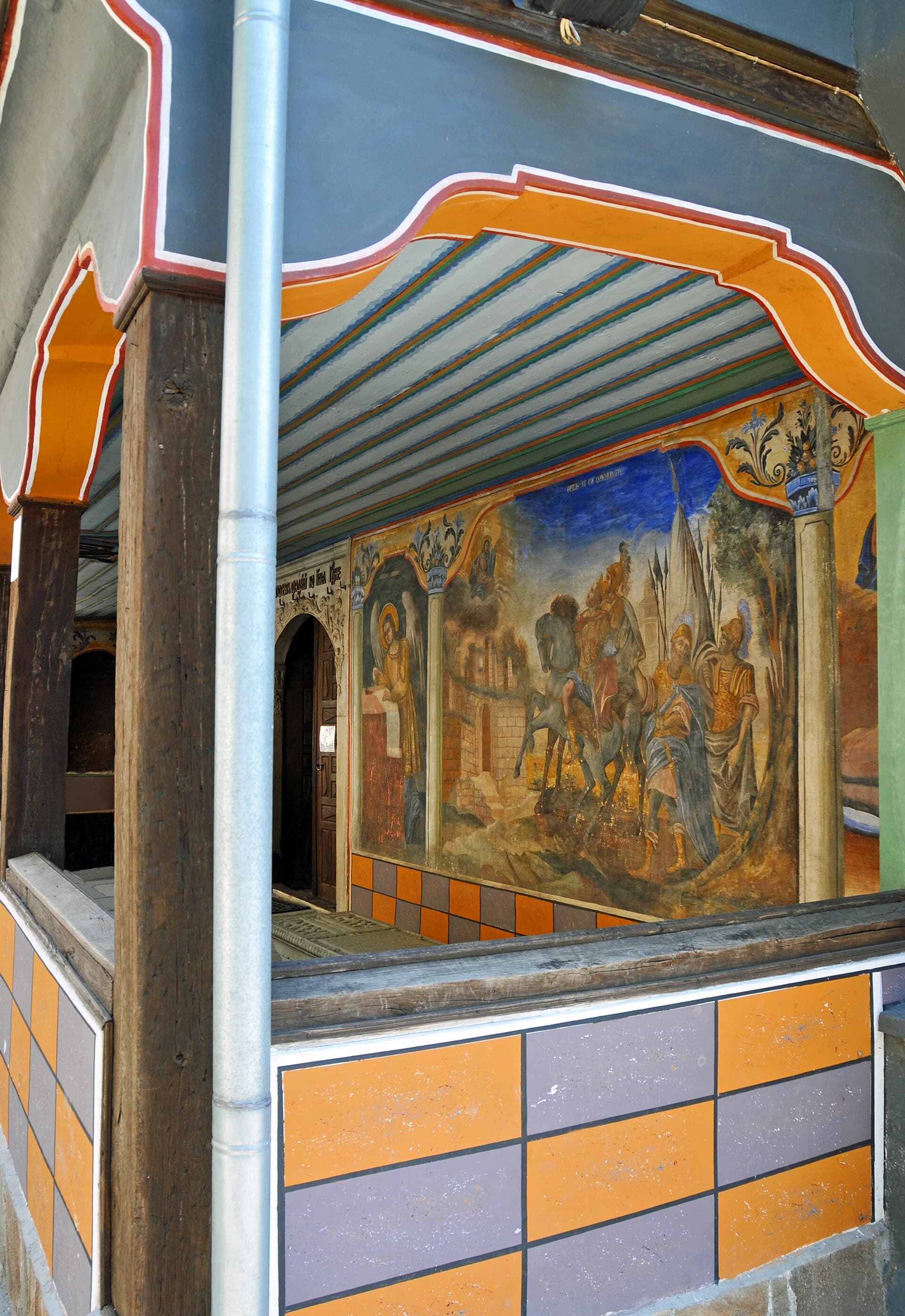 The Church of Saints Constantine and HelenaThe Church of Saints Constantine and Helena is the oldest in Plovdiv and the ric1 minute walk4.7
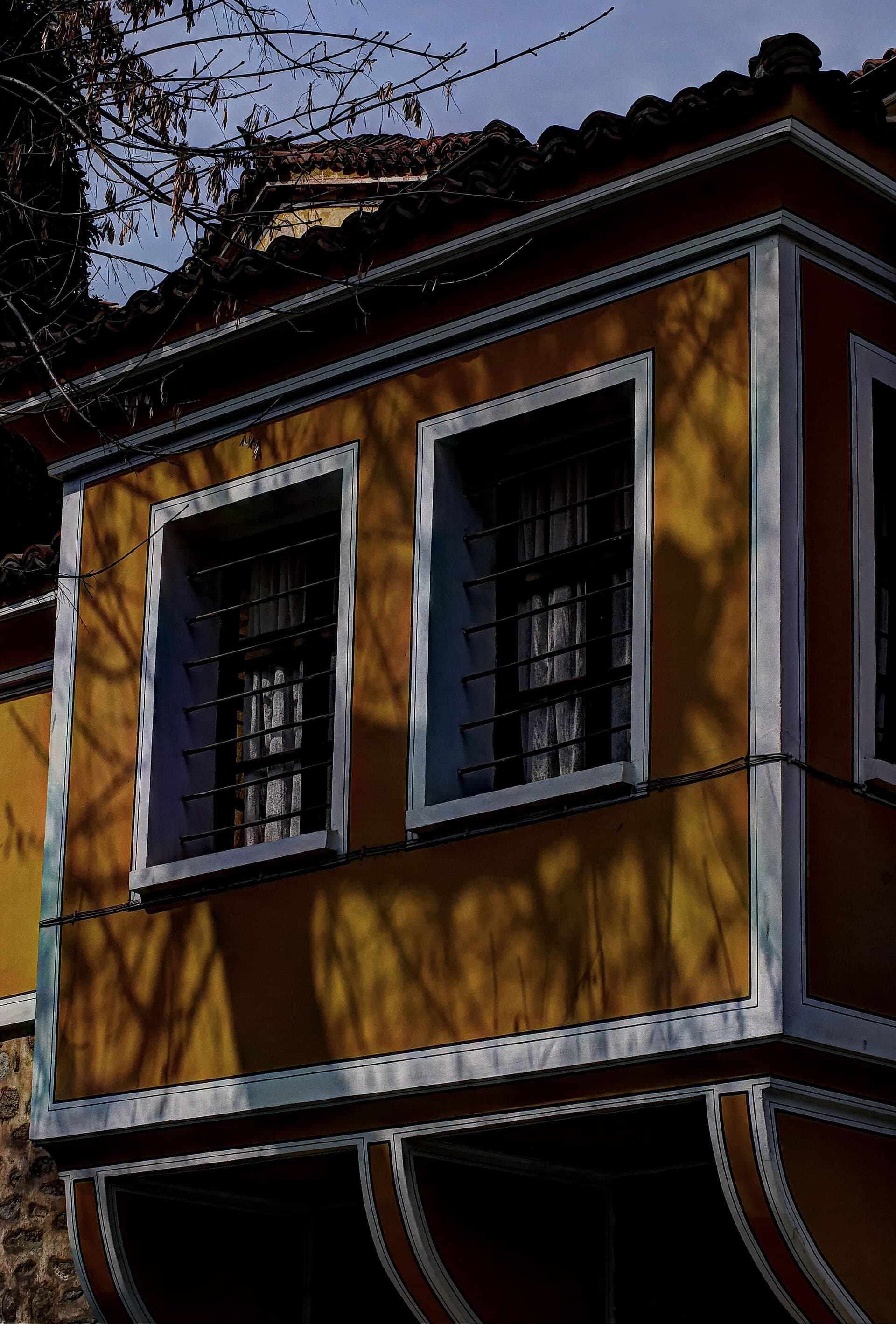 The Nedkovich HouseThe Nedkovich House is among the best preserved of Plovdiv's old houses, built i1 minute walk4.3
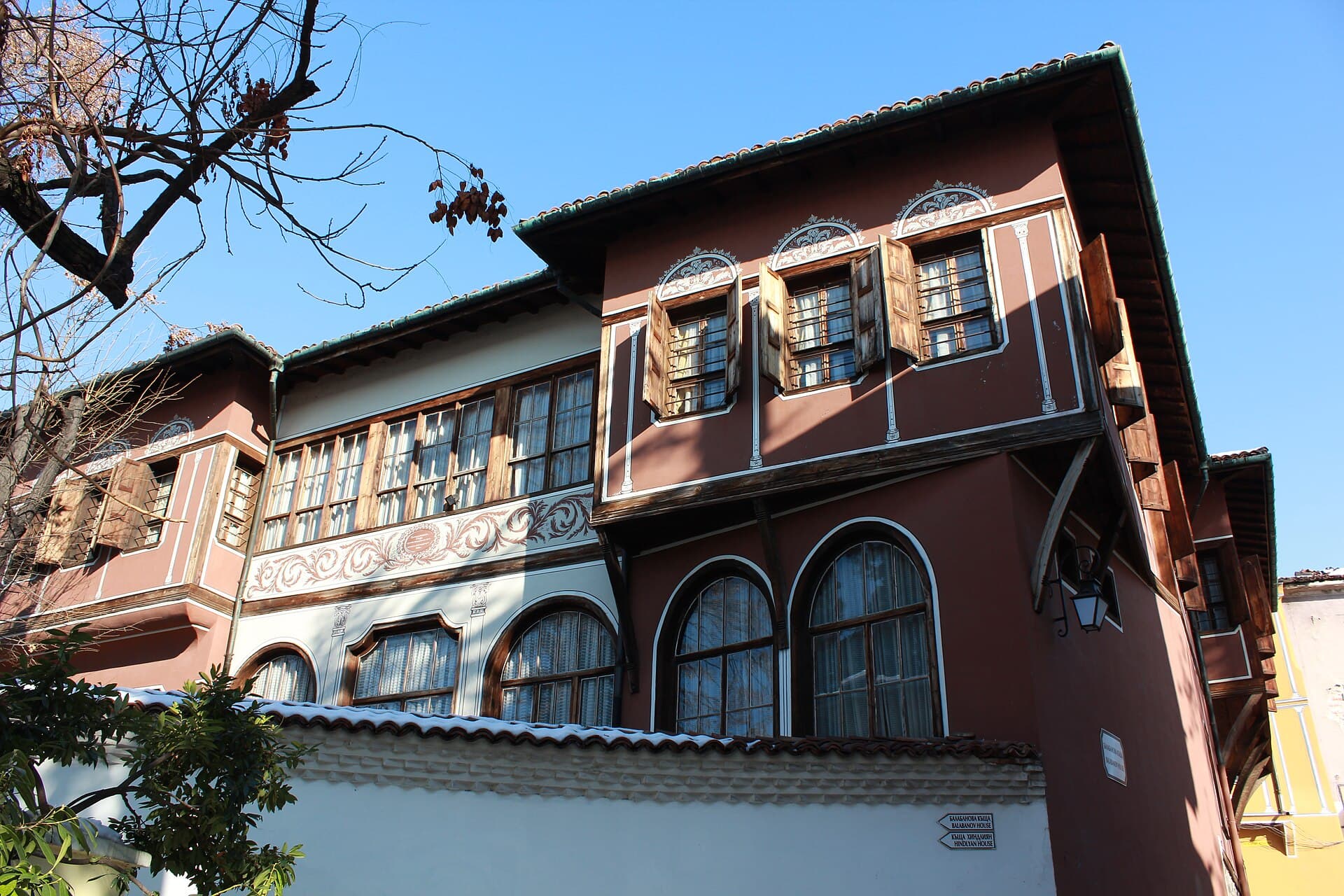 The Old Town & Balabanov's HousePlovdiv's Old Town is an open-air museum of Bulgarian National Revival architect1 minute walk4.4
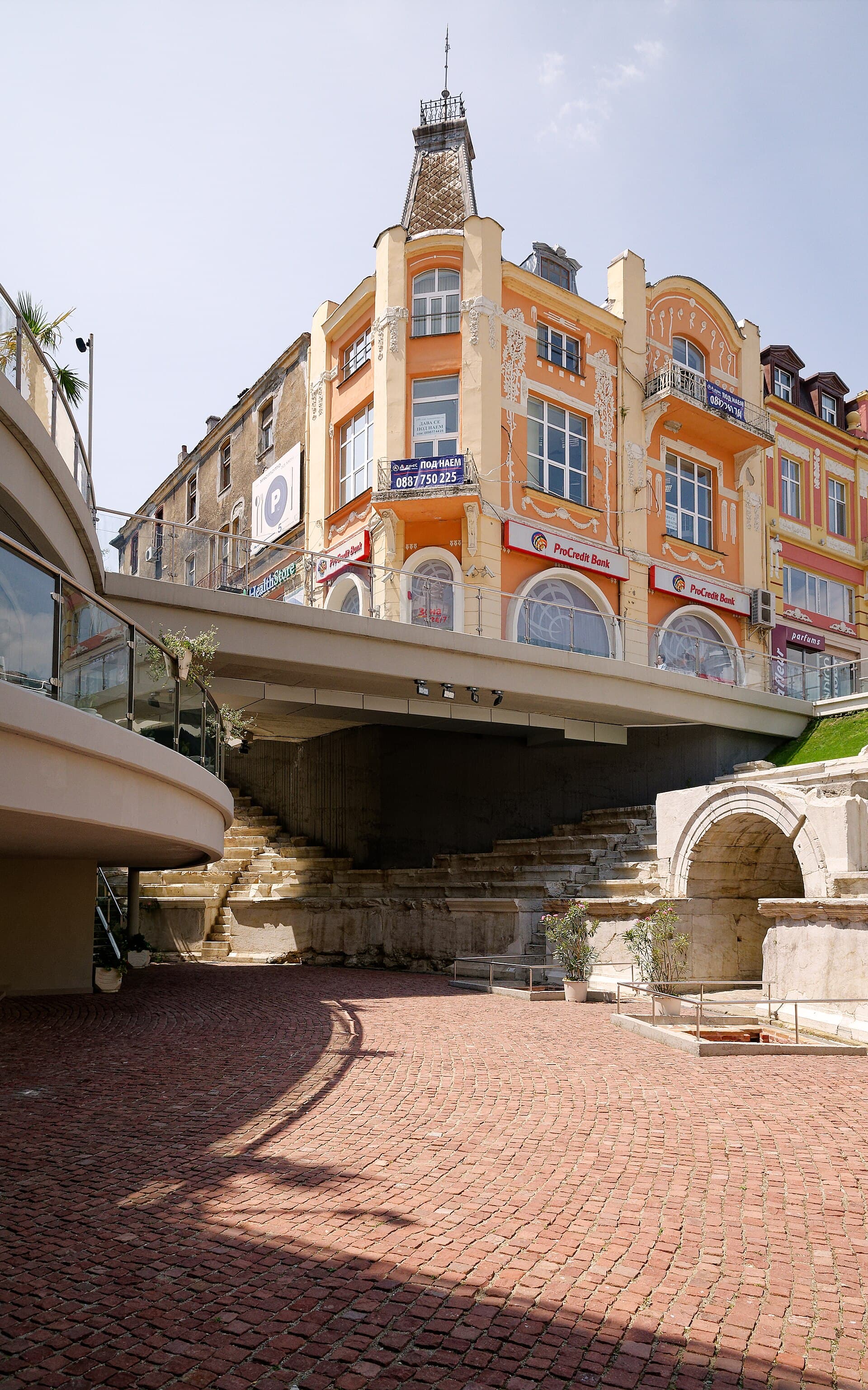 The Roman Stadium of PhilippopolisThe Stadium of Philippopolis is the archaeological surprise appearing suddenly b3 minutes walk4.6
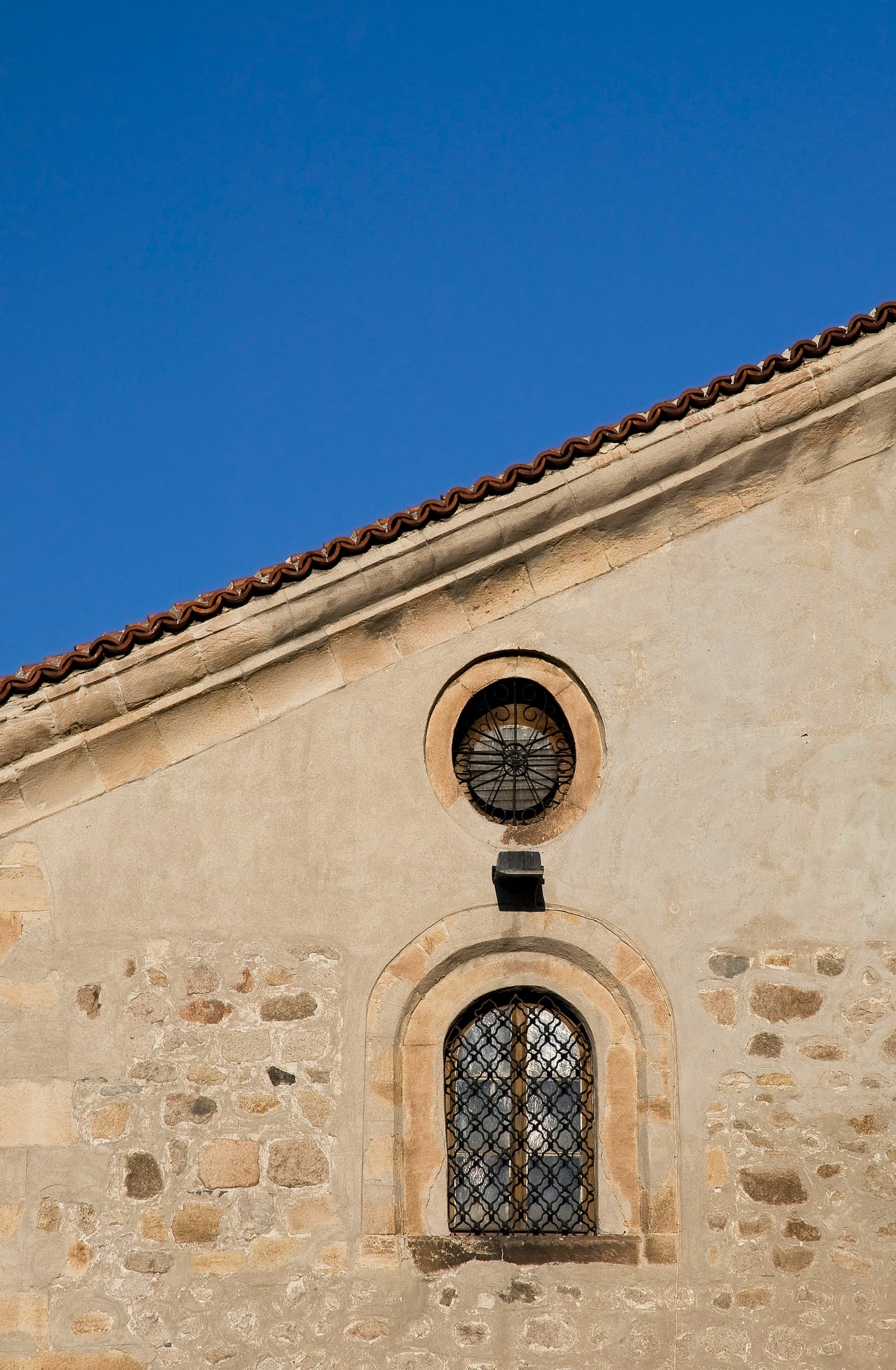 The Church of the Dormition of the TheotokosAn Orthodox church in old Plovdiv whose site is medieval, though the present bui3 minutes walk4.7
Houses built by the city's wealthy merchants in the nineteenth century in a distinctive manner: a narrow stone ground floor and timber upper storeys projecting over the street and widening as they rise, wide eaves, and facades painted in colours and ornament. The interiors are often painted with cityscapes and flowers on the walls. Several are museums today: Balabanov, Hindliyan, Georgiadi and Nedkovich, each with its own character.
Usually yes, covering several houses and museums in the quarter and bought at any of them. It is clearly worth it if you intend to enter three or more, which happens easily since they are close together. Ask at the first desk you reach — the terms change from time to time and are not well advertised online. Note that some houses close one day a week, and not the same day for all of them.