
The gilded iconostasis
A carved screen covered in gold leaf.
Dennis G. Jarvis — CC BY-SA 2.0 · Dennis G. Jarvis — CC BY-SA 2.0 · Wikimedia Commons contributor — CC BY-SA 4.0
The Church of Saints Constantine and Helena is the oldest in Plovdiv and the richest in ornament, standing on the edge of the old town hill at a spot where two Christian soldiers are said to have been executed in the fourth century. The present building dates from **1832**, from the Bulgarian Revival, when churches were permitted under conditions: that they stand no higher than the buildings around them and not be visible from the main street. So you enter through a gate and a courtyard, and the interior surprises you after a modest exterior. What makes it exceptional is the **iconostasis** — the gilded screen before the altar — among the most sumptuous executed in Bulgaria, carved throughout and covered in gold leaf. Its icons are the work of **Zahari Zograf**, the foremost painter of the Bulgarian Revival. In the courtyard are an arcade, benches and a view across the city. **Entry is free** and the church is working — dress modestly, and photography may not be allowed.
A carved screen covered in gold leaf.
The foremost painter of the Bulgarian Revival.
Ulitsa Saborna 24, Old Town, Plovdiv
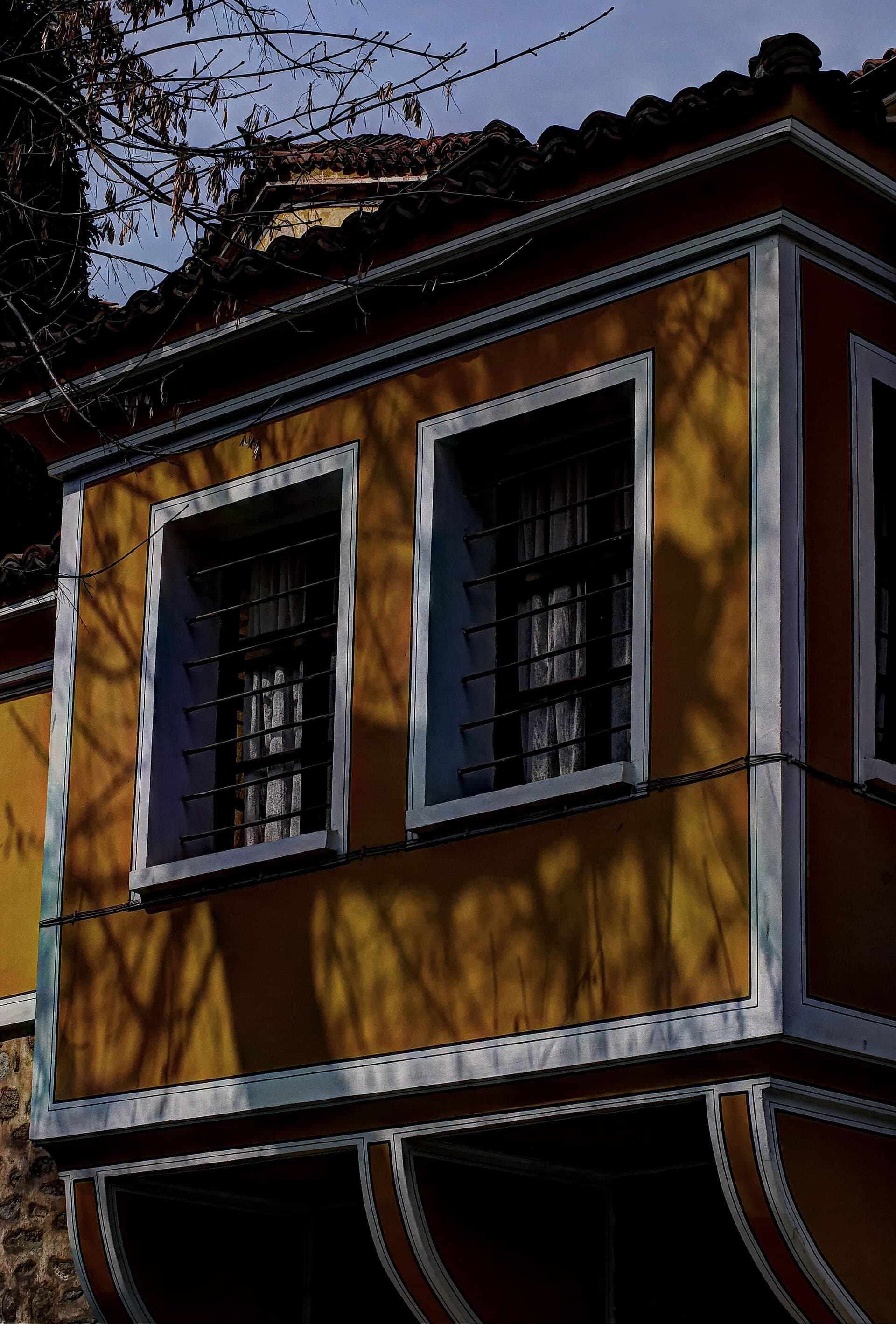 The Nedkovich HouseThe Nedkovich House is among the best preserved of Plovdiv's old houses, built i1 minute walk4.3
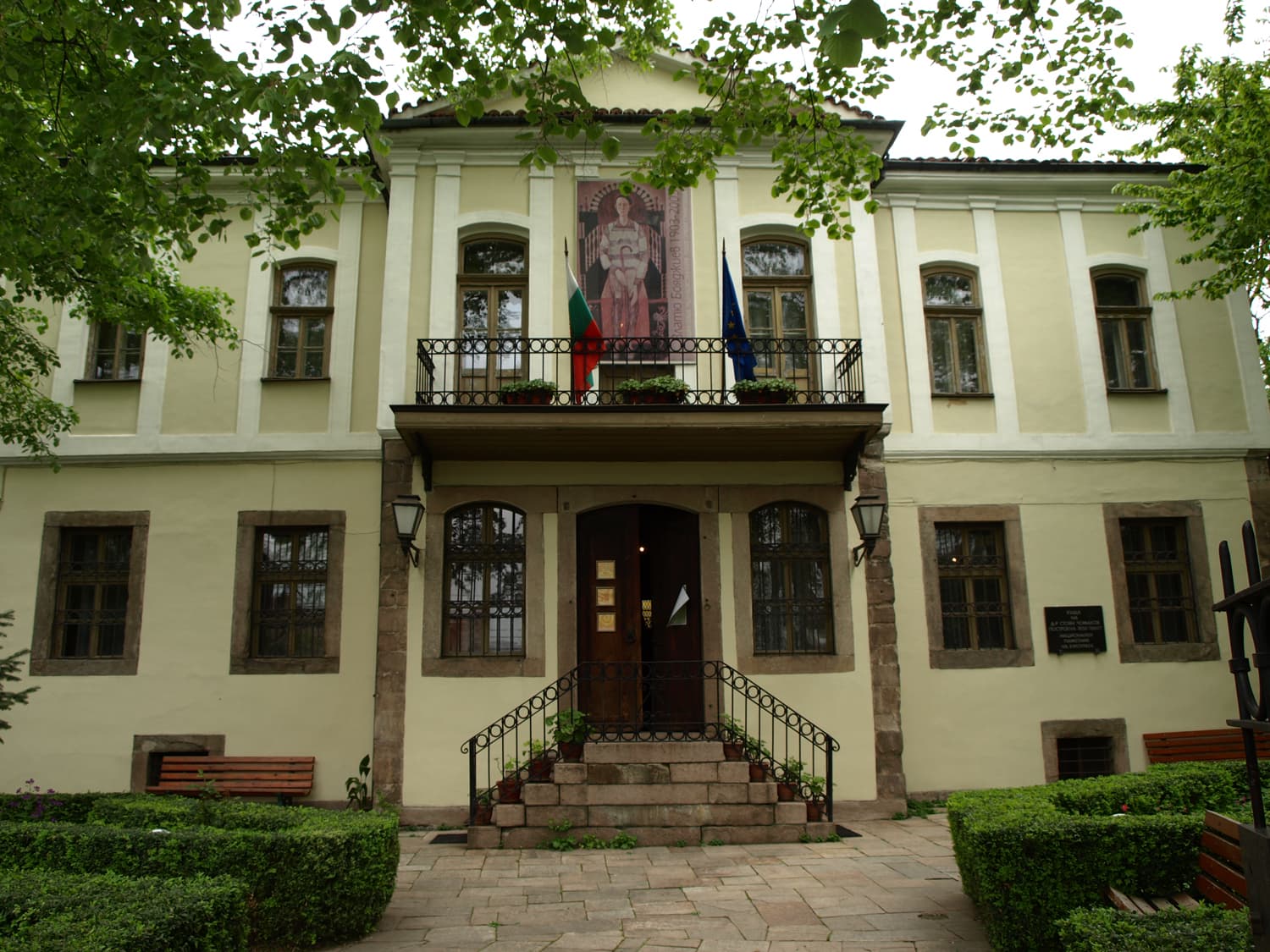 The Zlatyu Boyadzhiev Permanent ExhibitionA permanent exhibition of the work of the Bulgarian painter Zlatyu Boyadzhiev, i1 minute walk4.9
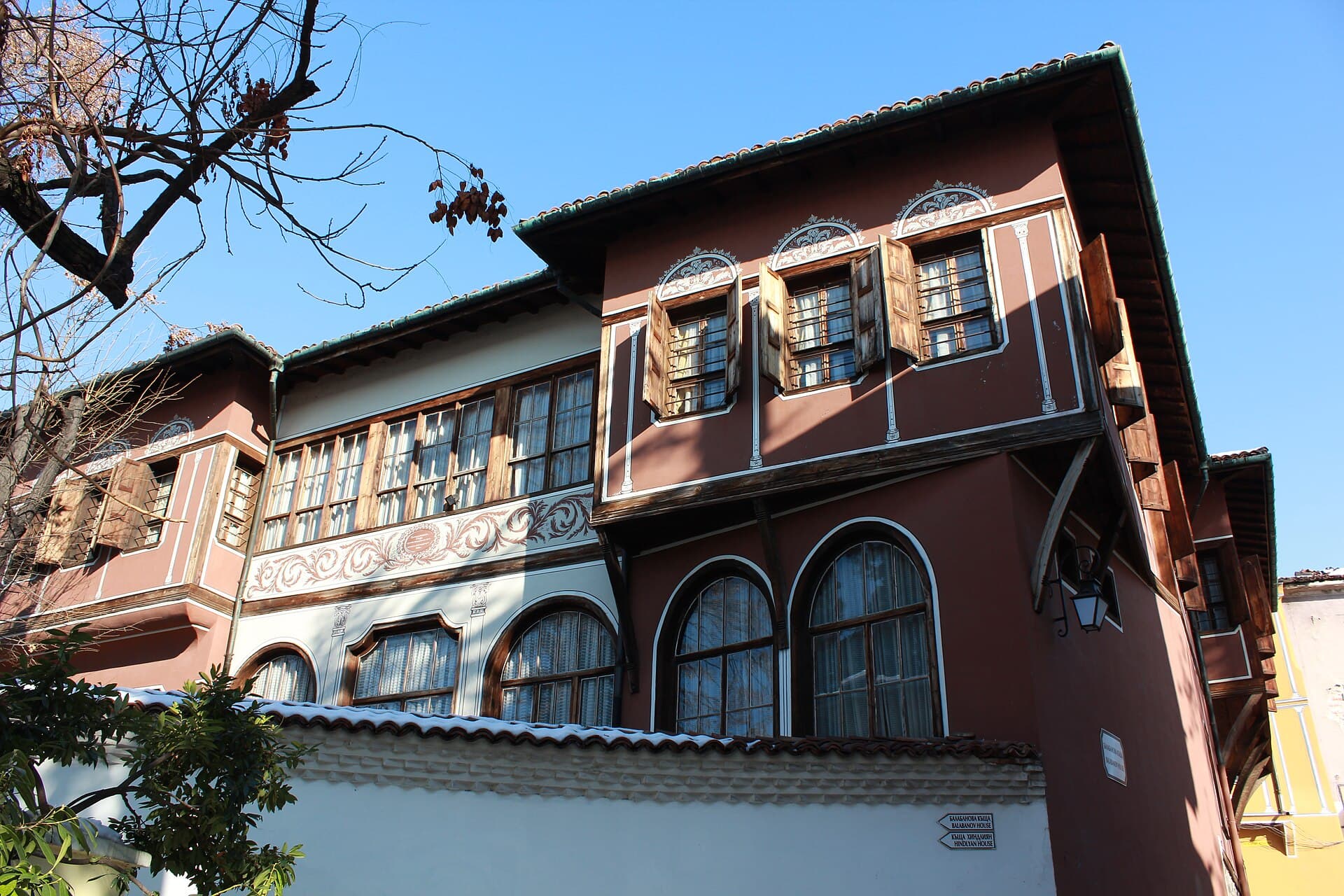 The Old Town & Balabanov's HousePlovdiv's Old Town is an open-air museum of Bulgarian National Revival architect1 minute walk4.4
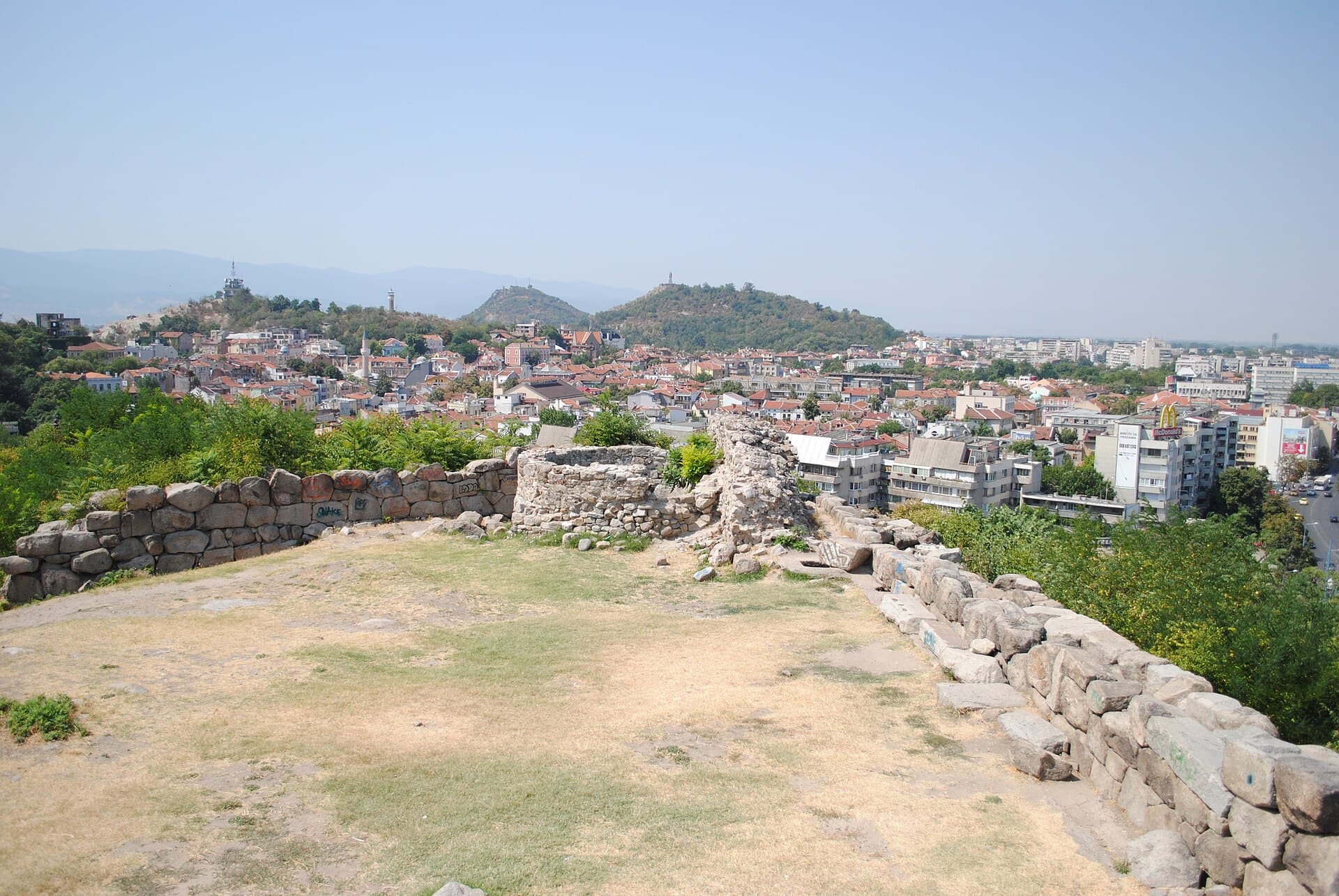 Nebet Tepe — the First HillNebet Tepe is where Plovdiv literally began eight thousand years ago: the highes3 minutes walk4.8
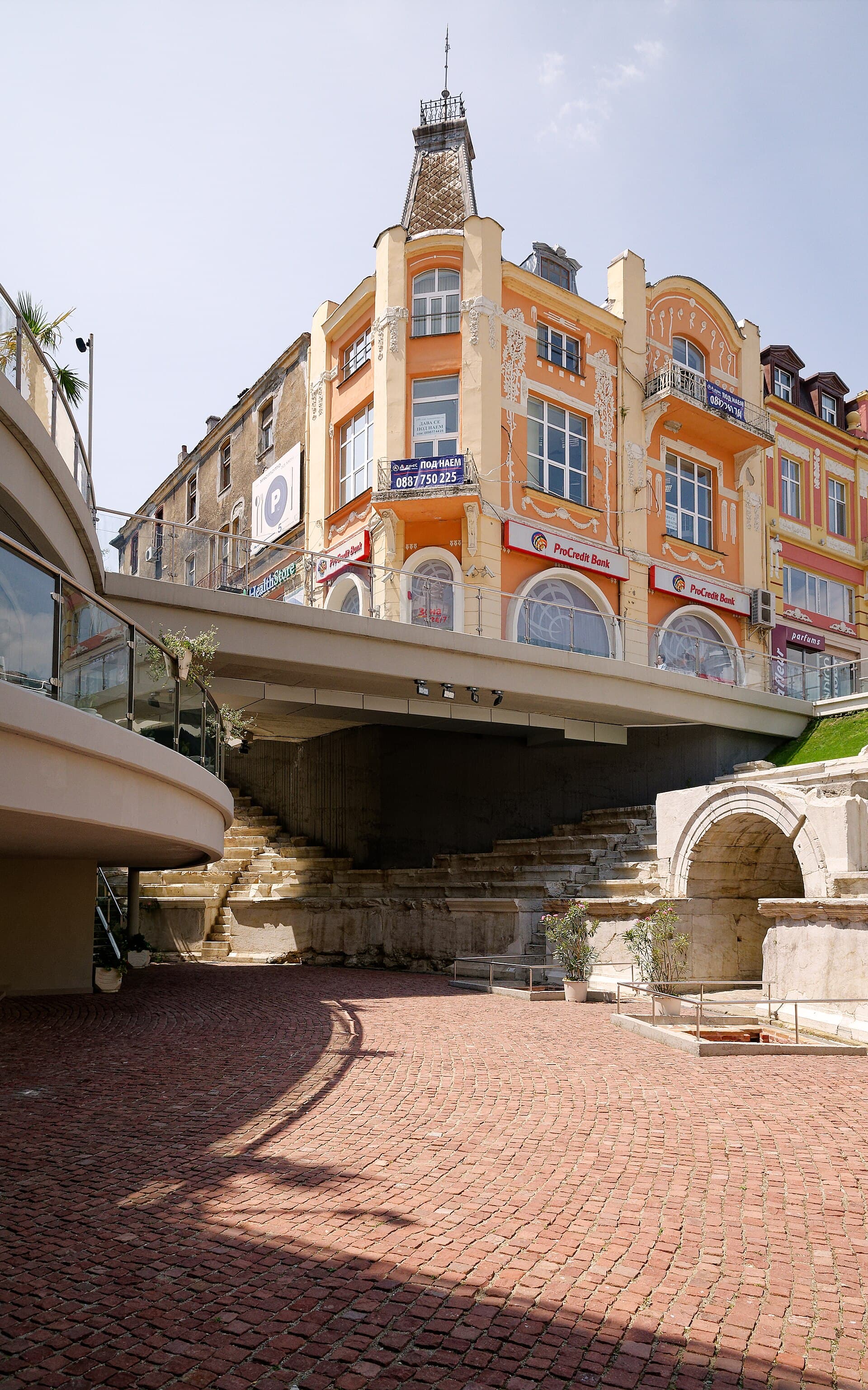 The Roman Stadium of PhilippopolisThe Stadium of Philippopolis is the archaeological surprise appearing suddenly b3 minutes walk4.6
The foremost painter of the Bulgarian Revival, 1810-1853. He painted wall paintings and icons in the country's most important monasteries — Rila, Bachkovo, Troyan and Preobrazhenski — and in many churches, this one among them. What sets him apart is that he broke the strict Byzantine convention: he brought everyday scenes and contemporary figures into religious wall paintings, painted himself into some, and wrote in Bulgarian rather than church Greek. In his time that was a cultural statement as much as art — proof that Bulgarians had a language and an art of their own. You see him everywhere because he painted everywhere.