
The Gustav Vasa statue
Carved in oak in the central hall.
Jordgubbe — CC BY-SA 2.0 · Ray Swi-hymn from Sijhih-Taipei, Taiwan — CC BY-SA 2.0 · Ray Swi-hymn from Sijhih-Taipei, Taiwan — CC BY-SA 2.0 · Ray Swi-hymn from Sijhih-Taipei, Taiwan — CC BY-SA 2.0
The Nordiska museet stands on the island of Djurgården, and the first surprise is the building: a vast Danish Renaissance palace of four storeys around a central hall a hundred and twenty-six metres long — and even so, only a **quarter** of what was planned was built. Artur Hazelius founded it in 1873, the same man who founded **Skansen**, the open-air museum next door. His idea was urgent in its time: Sweden was industrialising fast and traditional rural life was disappearing, so it had to be collected before it was lost. The collection today is a million and a half objects on Swedish life from 1520 to the present: dress, furniture, table settings, toys, household equipment, and a collection on the **Sámi**, the indigenous people of northern Scandinavia. In the central hall stands a giant timber statue of King **Gustav Vasa**, carved in oak. **The ticket is not cheap**, and the museum combines naturally with Skansen and the Vasa Museum on the same island.
Carved in oak in the central hall.
On the indigenous people of northern Scandinavia.
Djurgården, Stockholm
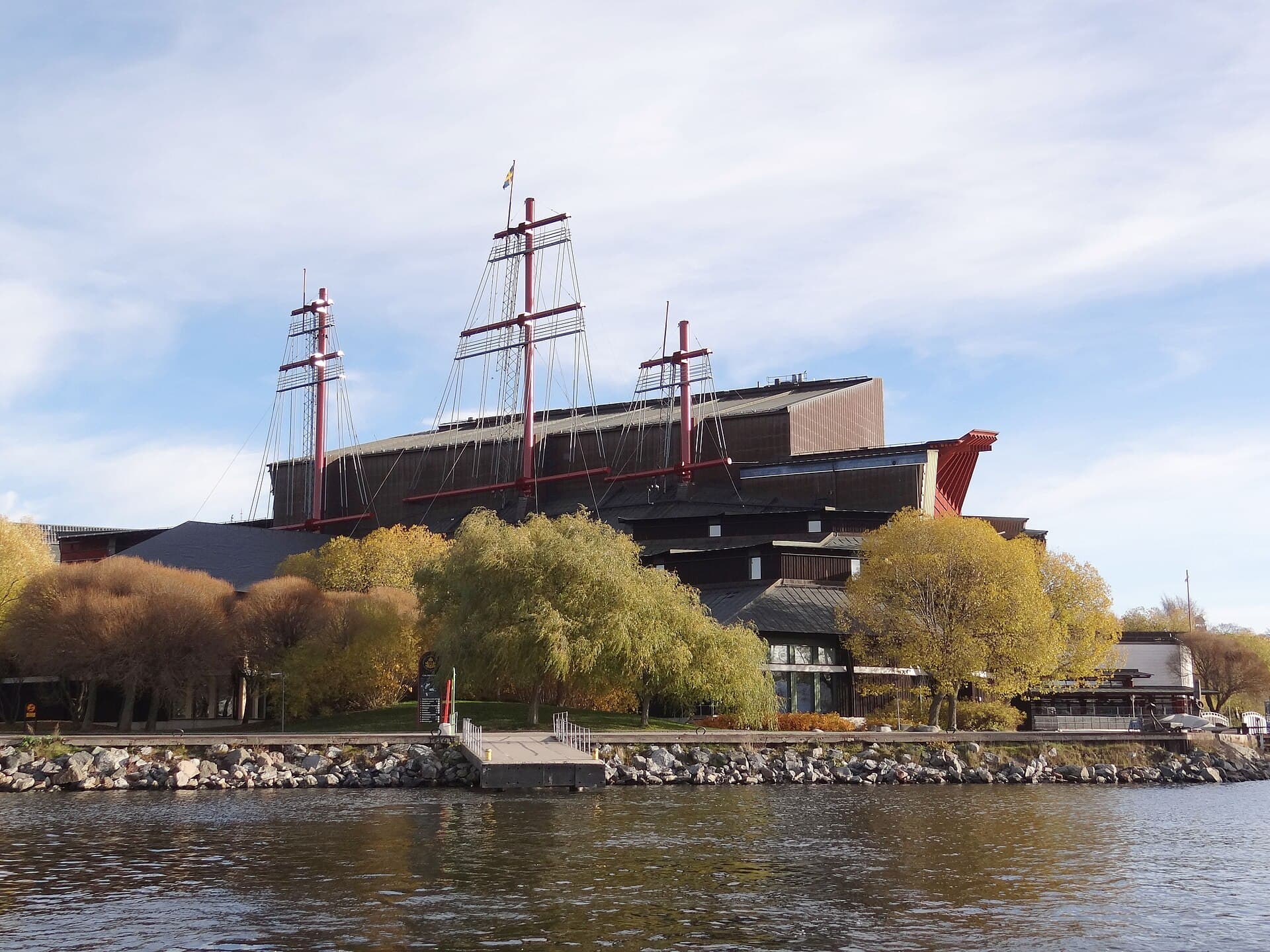 The Vasa MuseumThe Vasa Museum is built entirely around one object: a giant wooden warship that2 minutes walk4.7
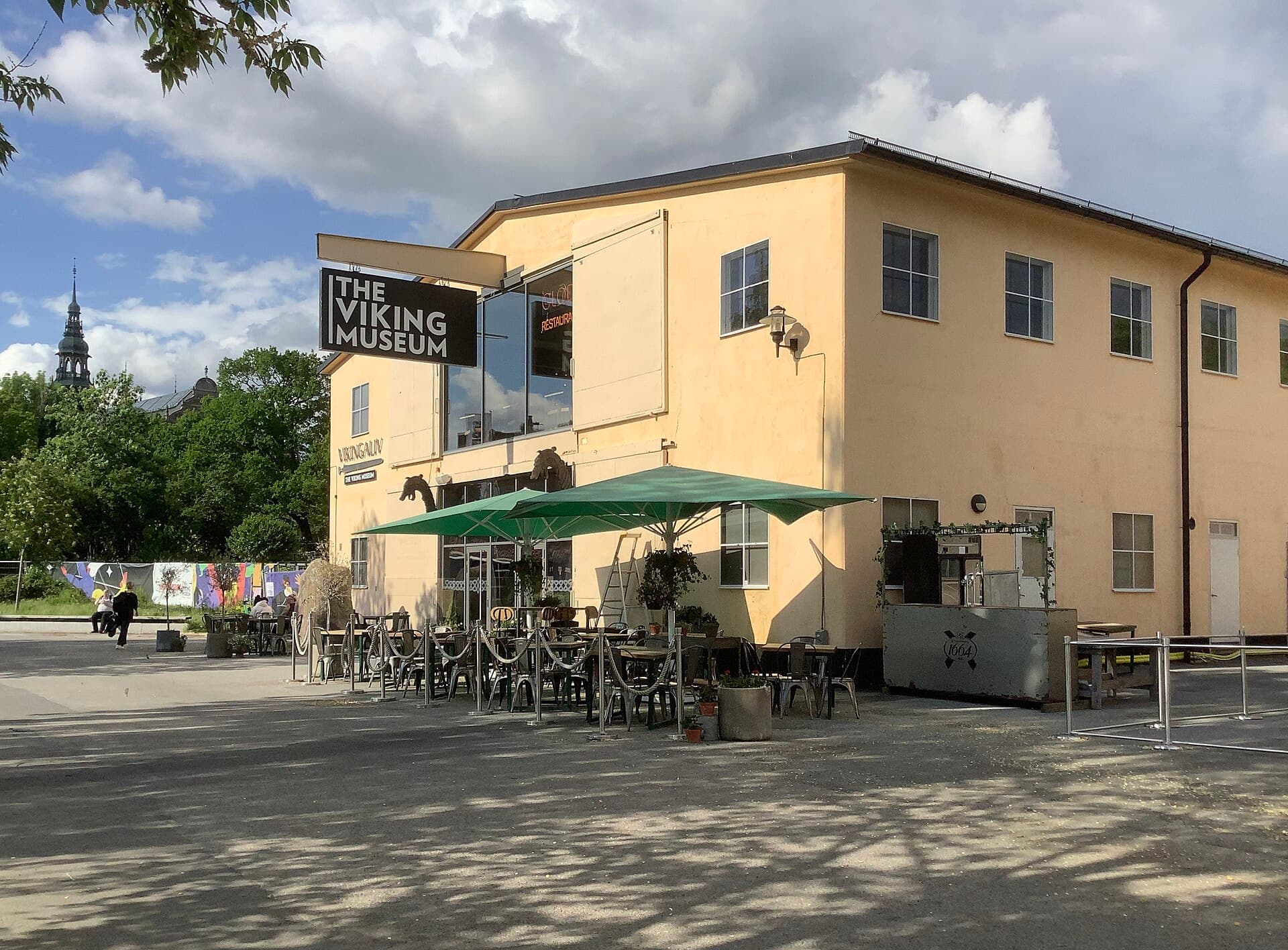 The Viking MuseumThe Viking Museum on Djurgarden is a modern narrative museum rather than a colle3 minutes walk4.4
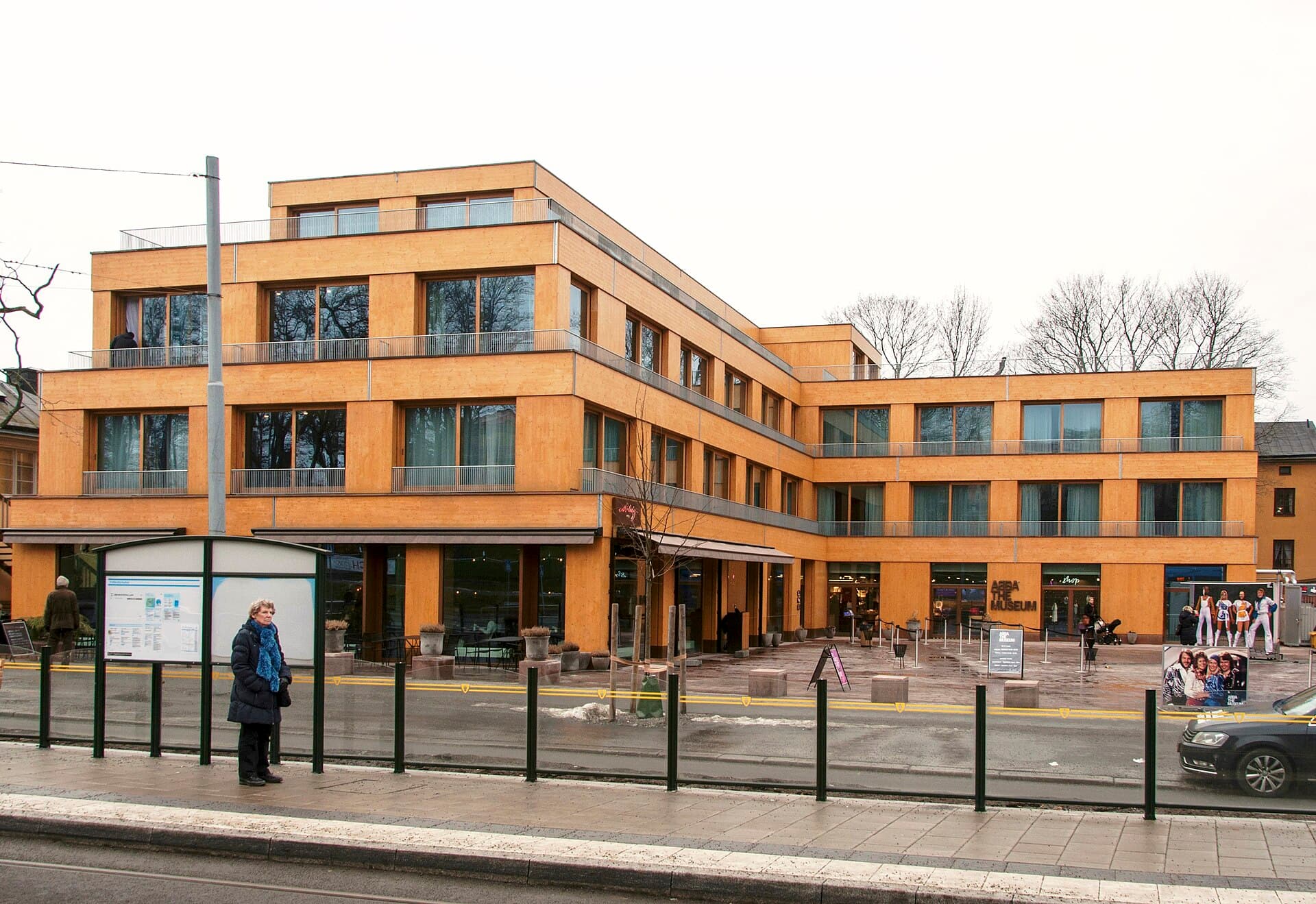 ABBA The MuseumABBA The Museum is devoted to the most successful band Sweden has ever produced,6 minutes walk4.6
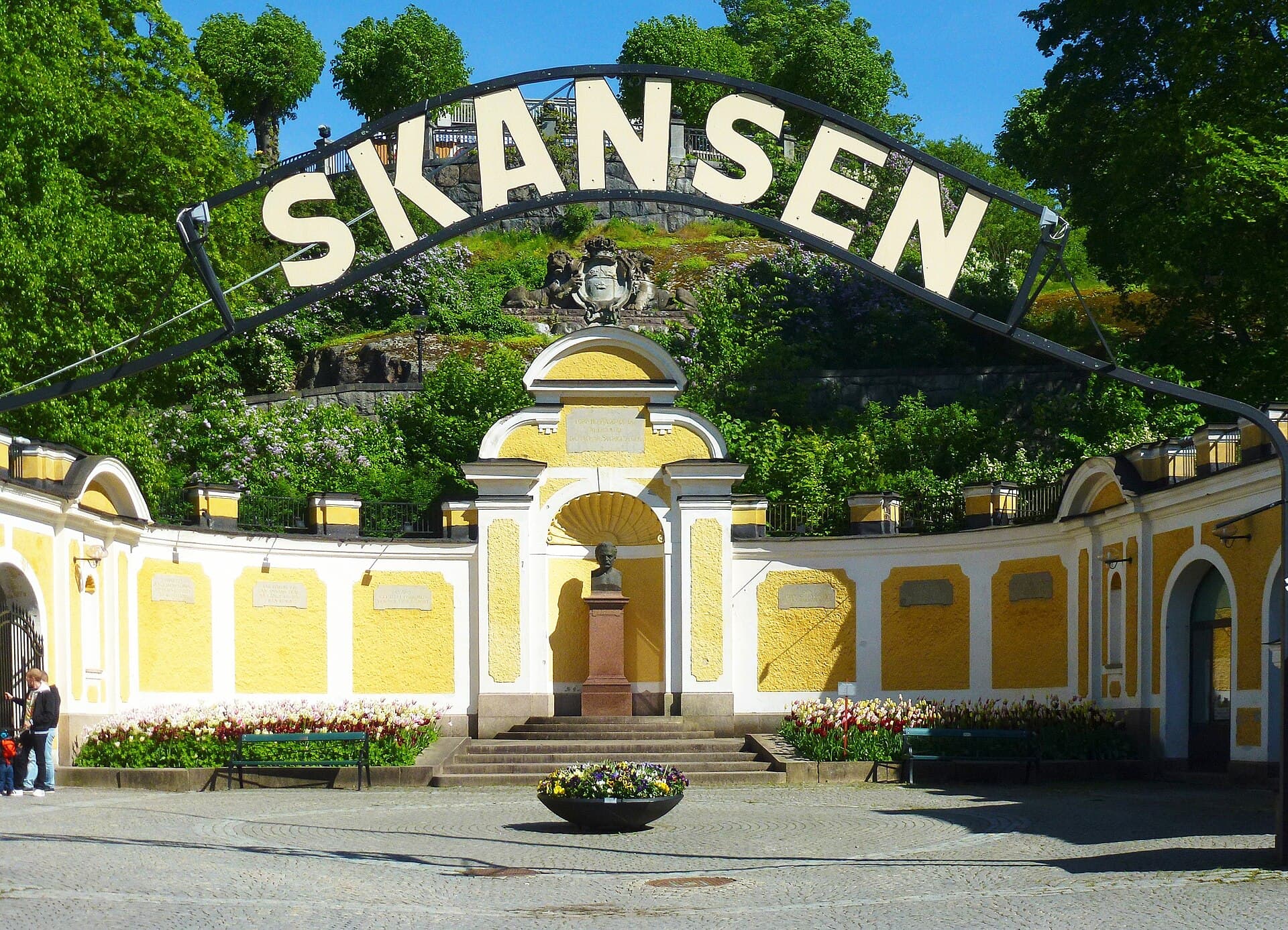 SkansenSkansen is the world's first open-air museum, opened in 1891 on an idea that was8 minutes walk4.4
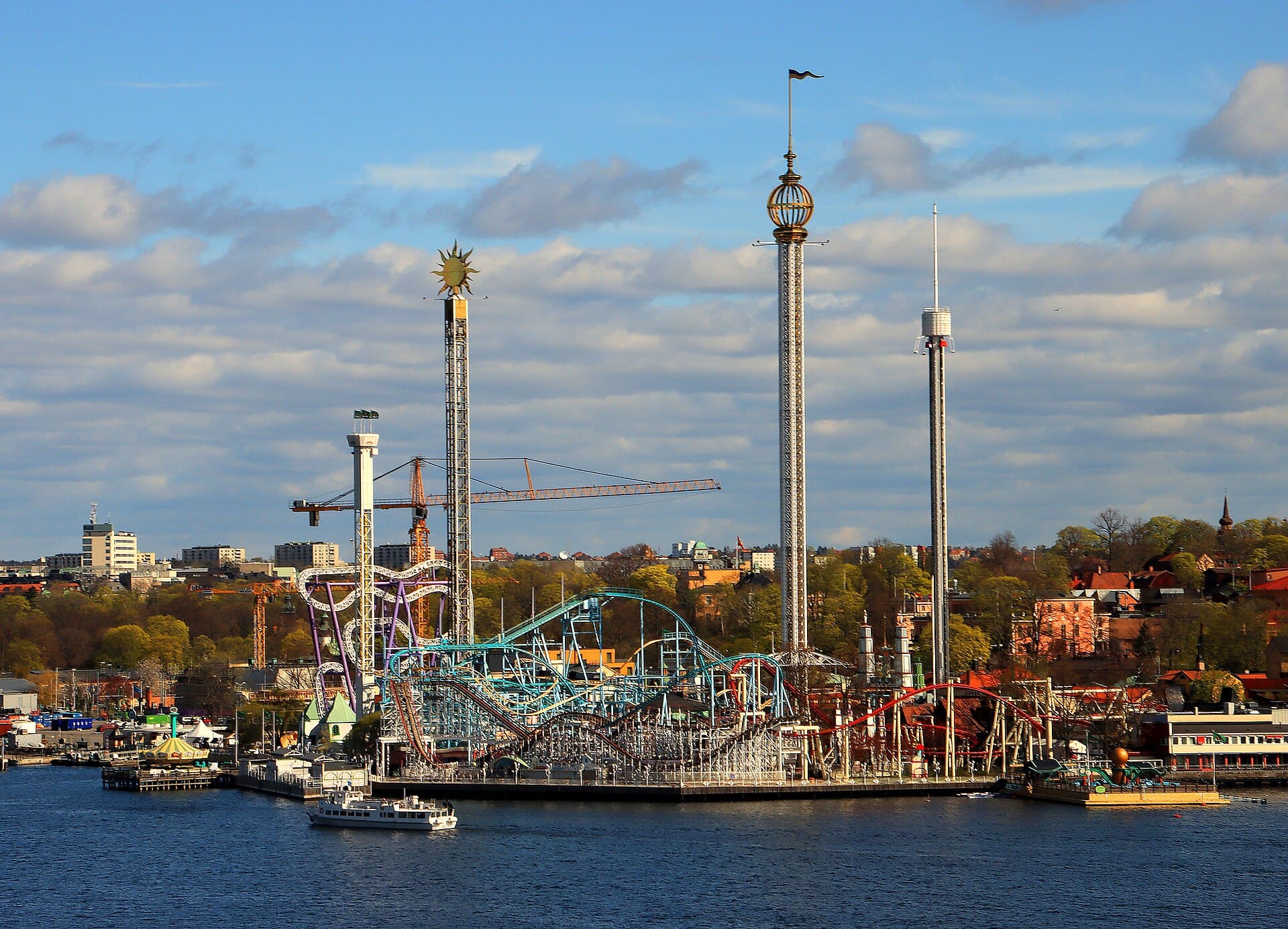 Grona LundGrona Lund is Sweden's oldest amusement park, running since 1883 on a very small8 minutes walk4.3
The indigenous people of northern Norway, Sweden, Finland and north-western Russia, who have lived in the region they call Sápmi for thousands of years — before any of the modern states. Their languages are not Scandinavian but Uralic, related to Finnish and Hungarian. Their traditional economy is reindeer herding and hunting. They were subjected to harsh assimilation policies into the mid-twentieth century — their language banned in schools, their land taken — and today have their own parliaments in all three countries and recognised rights, though disputes over land and mining continue. Their flags, dress and crafts are shown in this museum and in the museums of the north.