
The working workshops
Costumed craftspeople working in front of you.
Holger.Ellgaard — CC BY-SA 4.0 · ArildV — CC BY-SA 4.0 · Øyvind Holmstad — CC BY-SA 3.0 · Øyvind Holmstad — CC BY-SA 3.0
Skansen is the world's first open-air museum, opened in 1891 on an idea that was simple and radical at the time: instead of displaying tools behind glass, move the buildings themselves. Its founder Artur Hazelius gathered some hundred and fifty structures from across Sweden — farms, a wooden church, craft workshops, shops, town houses — dismantled them, transported them and rebuilt them on a hill on Djurgarden island. What keeps it alive rather than museum-like is the costumed staff who actually work: the baker bakes, the glassblower blows, the blacksmith hammers, and all of them explain in English. You move between centuries within half an hour's walk, and you understand how Swedes lived before and after industrialisation without reading a single line. The site also holds a genuinely Nordic zoo: brown bears, wolves, lynx, reindeer and moose — northern animals in generous enclosures on the hillside. A visit is realistically half a day with constant climbing and descending, and it is Stockholm's leading family destination by a wide margin.
Costumed craftspeople working in front of you.
Bears, wolves, lynx and moose.
Djurgardsslatten 49, 115 21 Stockholm
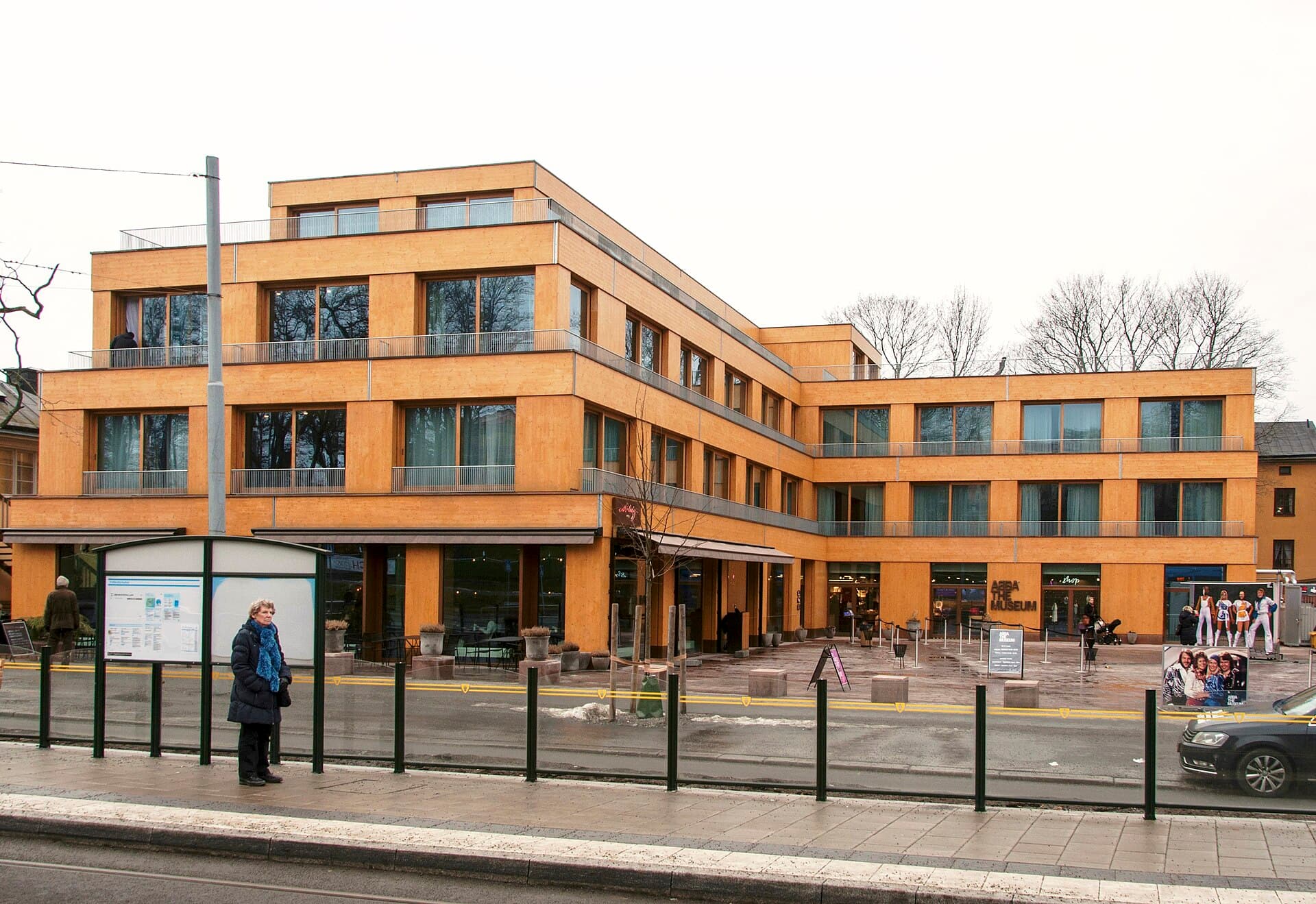 ABBA The MuseumABBA The Museum is devoted to the most successful band Sweden has ever produced,3 minutes walk4.6
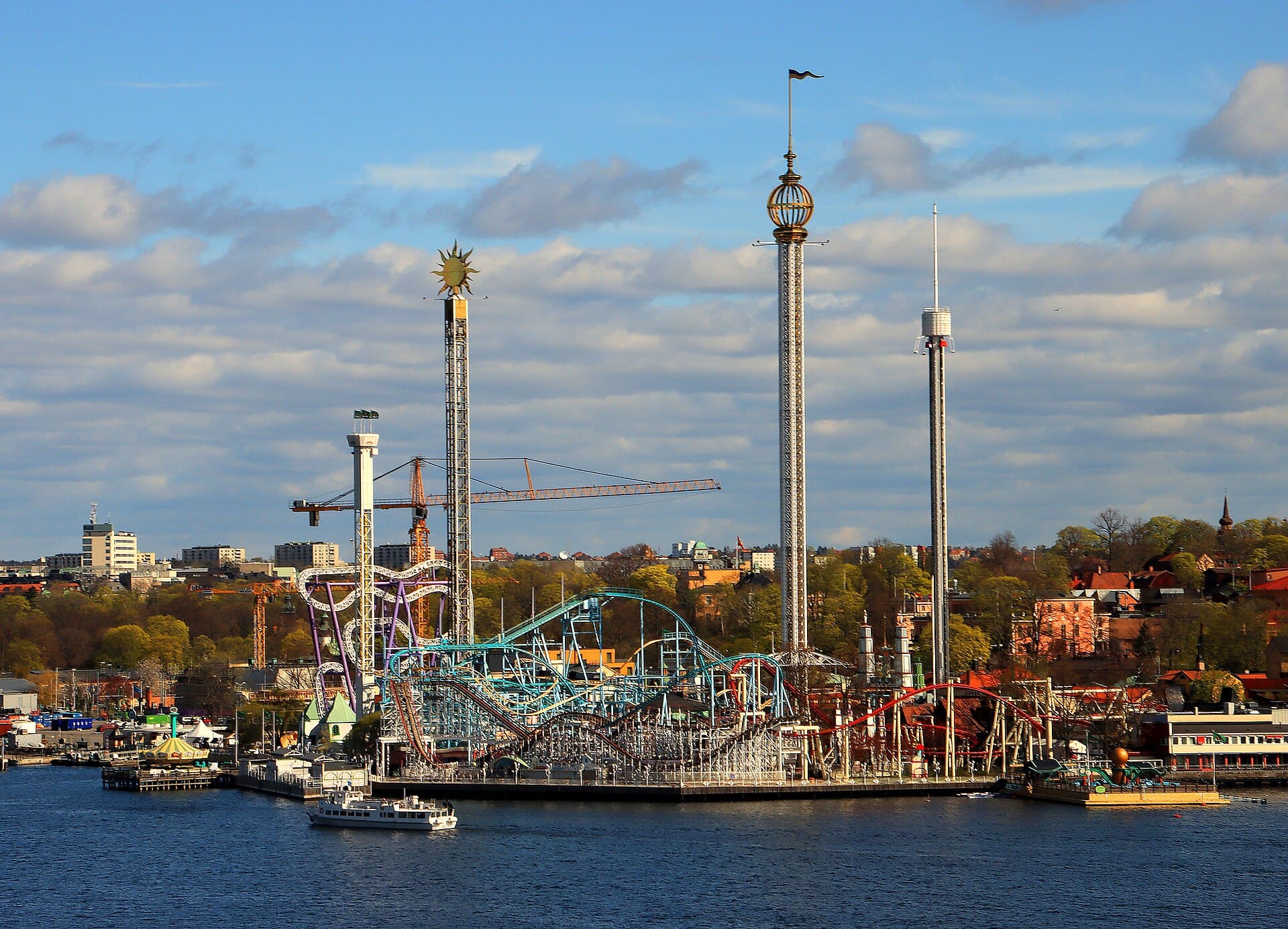 Grona LundGrona Lund is Sweden's oldest amusement park, running since 1883 on a very small4 minutes walk4.3
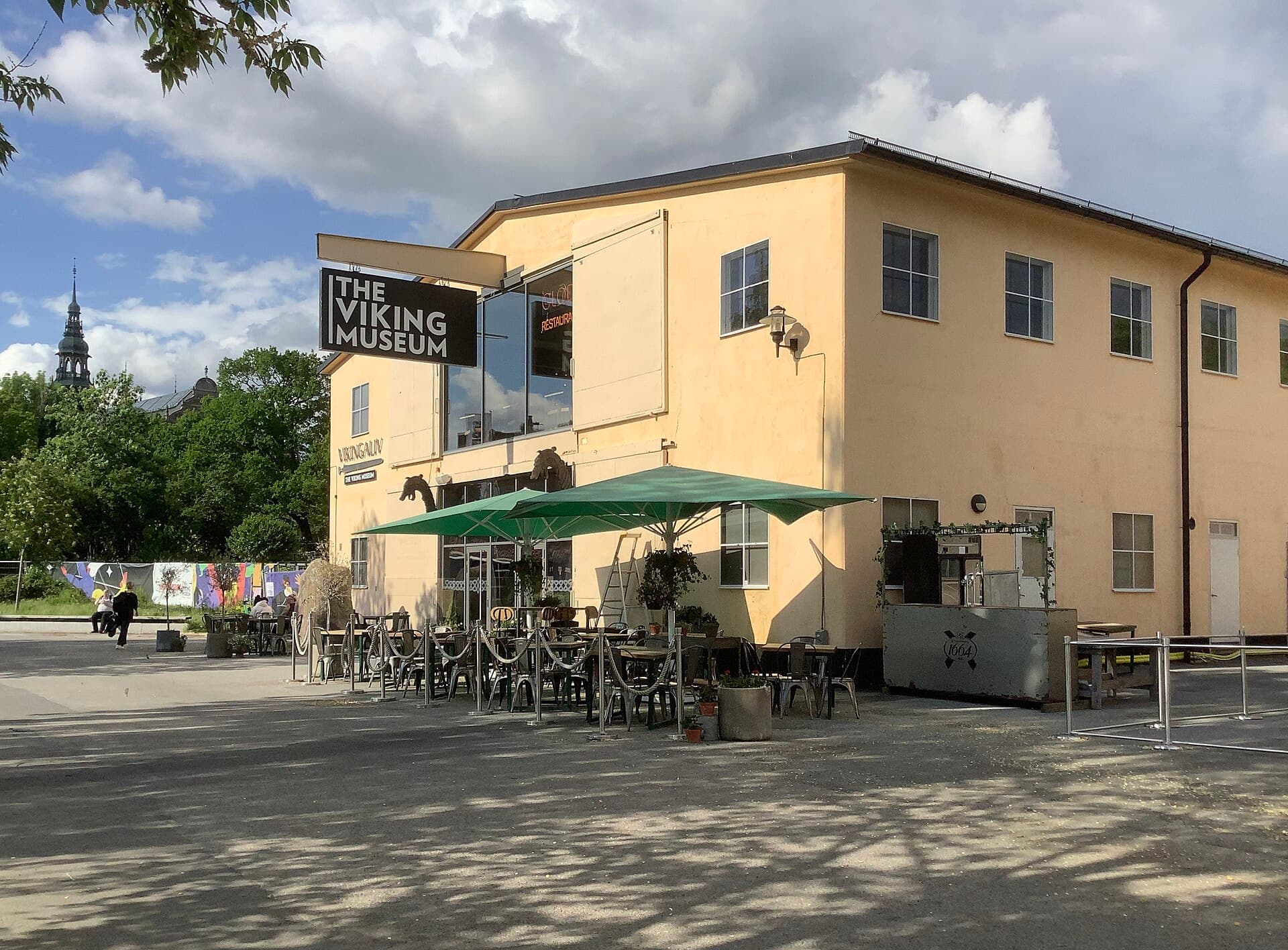 The Viking MuseumThe Viking Museum on Djurgarden is a modern narrative museum rather than a colle5 minutes walk4.4
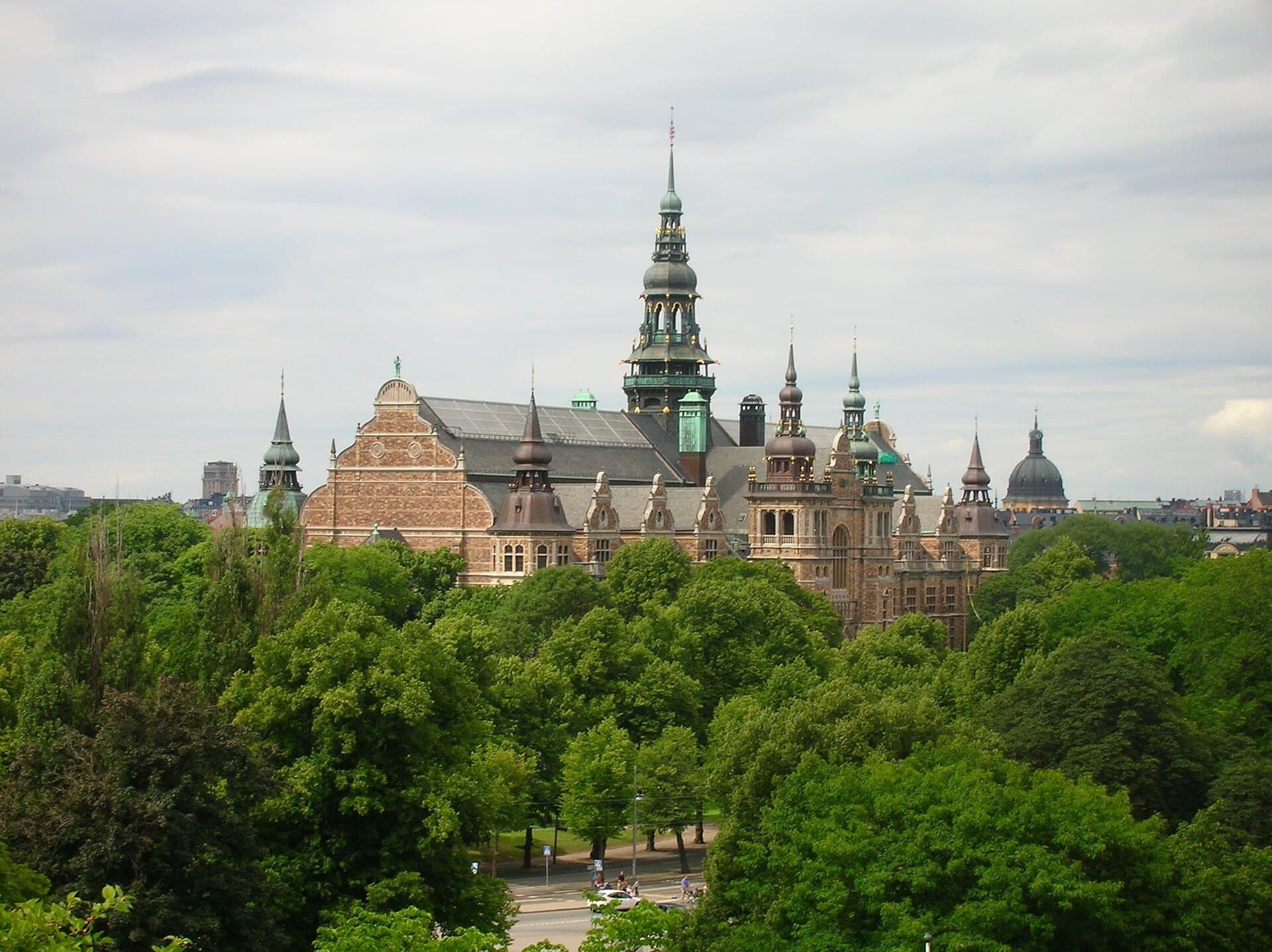 The Nordic MuseumThe Nordiska museet stands on the island of Djurgården, and the first surprise i8 minutes walk4.2
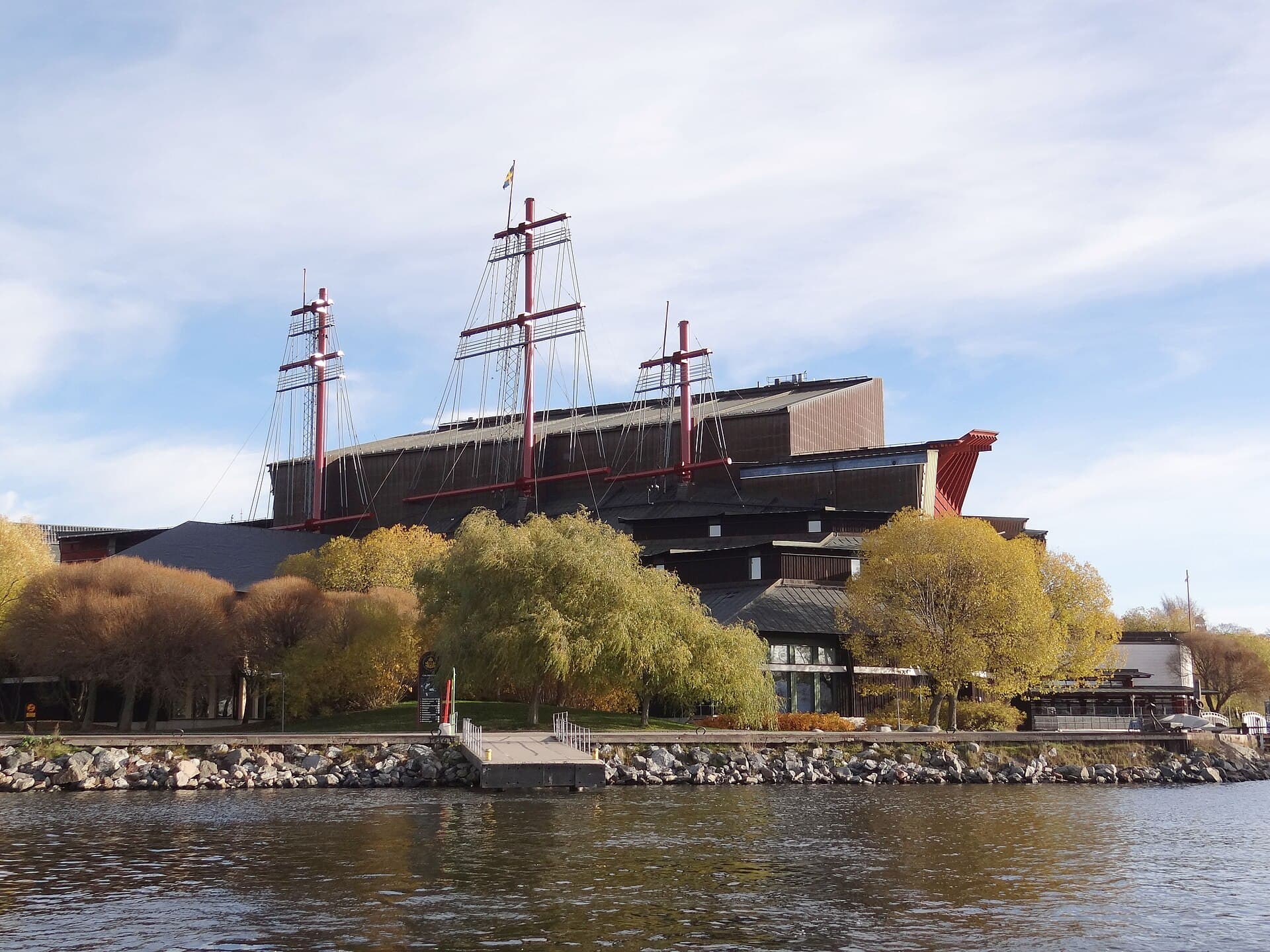 The Vasa MuseumThe Vasa Museum is built entirely around one object: a giant wooden warship that9 minutes walk4.7
Barely, and you will miss large sections — the site covers an entire hill, over a kilometre end to end with climbs, and the craft workshops and animals alone eat two hours. Allow three to five, or combine it with the whole of Djurgarden island as a single walking day.