
The carved stern
Hundreds of gilded figures served as the king's political message.
Hanay — CC BY-SA 3.0 · Peter Isotalo — CC BY-SA 3.0 · CEphoto, Uwe Aranas — CC BY-SA 3.0 · P e z i — CC BY-SA 3.0
The Vasa Museum is built entirely around one object: a giant wooden warship that sank on her maiden voyage in 1628 after sailing less than a mile and a half, in full view of half of Stockholm gathered to celebrate. Vasa was the pride of King Gustav Adolf's fleet, loaded with sixty-four guns across two gun decks her hull was never designed to carry — she heeled with the first strong gust, water poured through the open gunports, and it was over in minutes. What turned the disaster into a treasure was the Baltic itself: its low salinity cannot support the shipworm that devours sunken timber in warmer seas, so Vasa lay on the harbour floor for three and a half centuries almost intact. She was raised in 1961 in a delicate feat of engineering, and what you see today is roughly ninety-five per cent original — not a model, not a reconstruction. The real impact on entering is physical rather than intellectual: you stand before a hull as tall as a five-storey building, carved with hundreds of gilded wooden sculptures that served as political propaganda for the king, in a dim hall with humidity and temperature held to fine tolerances to protect the wood. Walk the museum's six levels to see the ship from keel height to masthead.
Hundreds of gilded figures served as the king's political message.
Each shows the ship from a different height.
Galarvarvsvagen 14, 115 21 Stockholm
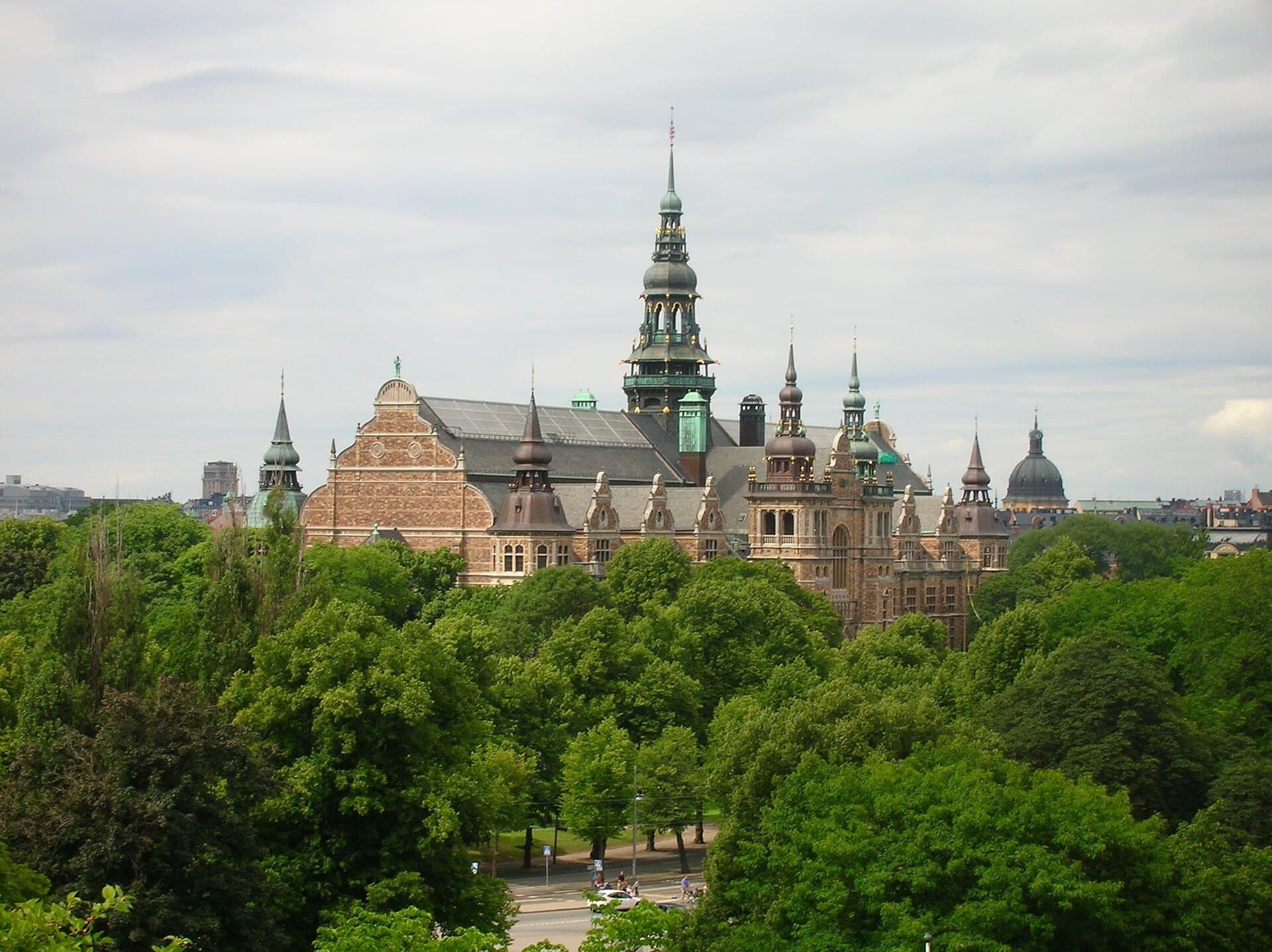 The Nordic MuseumThe Nordiska museet stands on the island of Djurgården, and the first surprise i2 minutes walk4.2
 The Viking MuseumThe Viking Museum on Djurgarden is a modern narrative museum rather than a colle3 minutes walk4.4
 ABBA The MuseumABBA The Museum is devoted to the most successful band Sweden has ever produced,6 minutes walk4.6
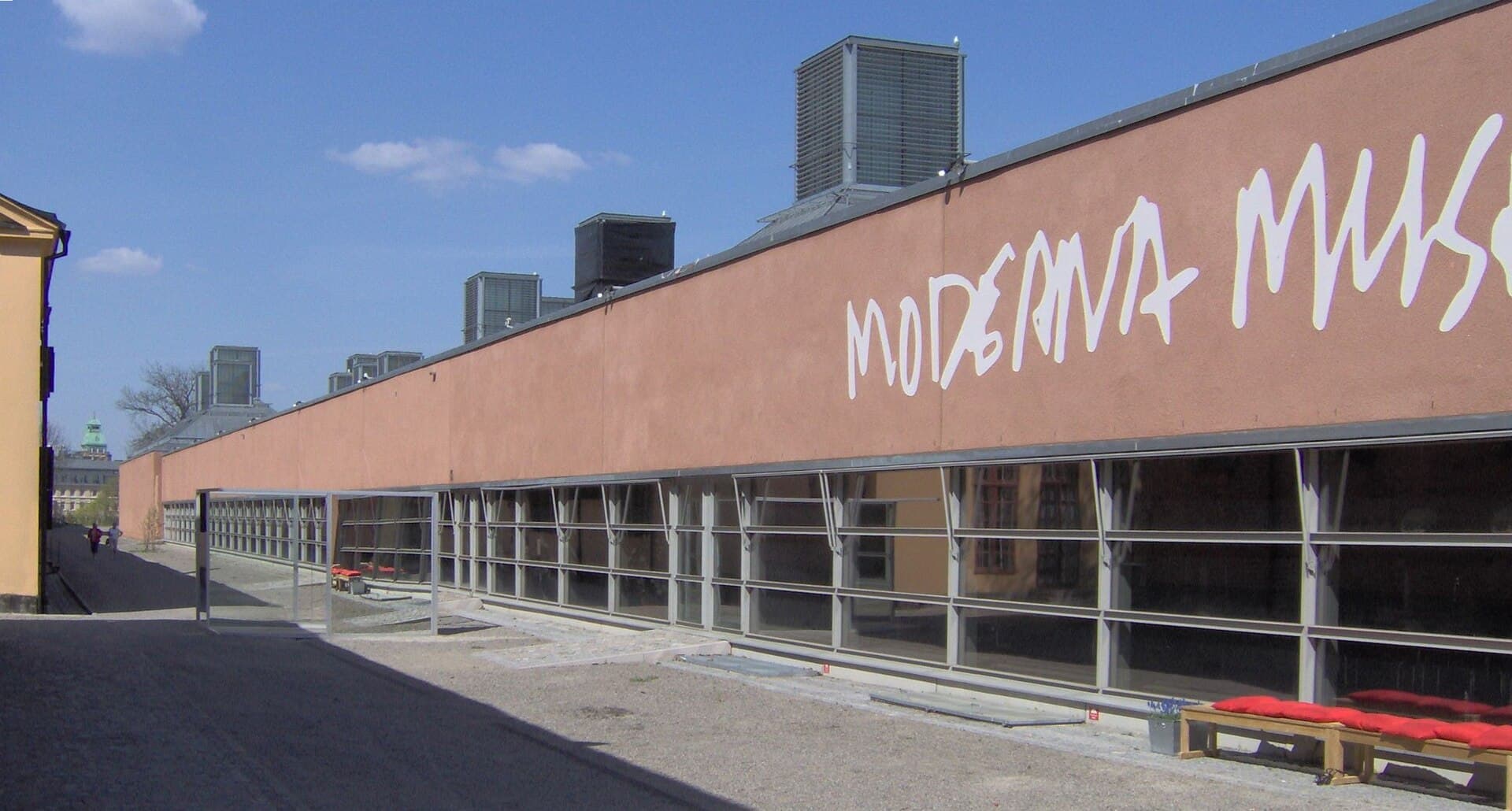 Moderna MuseetStockholm's Moderna Museet holds one of northern Europe's strongest modern art c6 minutes walk4.2
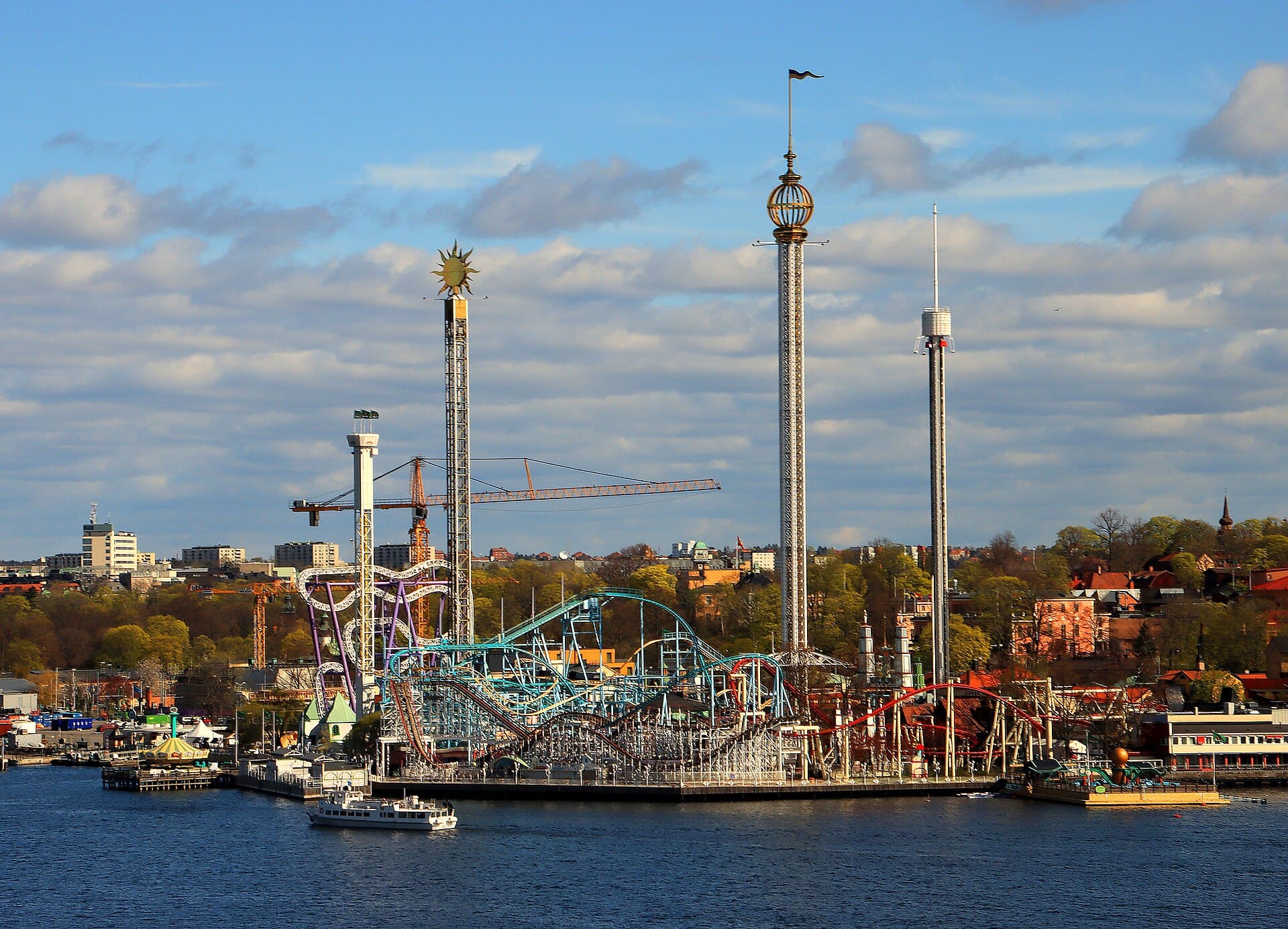 Grona LundGrona Lund is Sweden's oldest amusement park, running since 1883 on a very small8 minutes walk4.3
Her hull was too narrow and her ballast too light for two gun decks forced onto the design after construction had begun — a stability test before sailing actually failed when thirty men ran side to side and she began rolling dangerously, but nobody dared postpone a voyage the king had personally ordered while away at the Polish front.