
The circular hall
Walls of books floor to ceiling, designed in 1928.
ArildV — CC BY-SA 4.0 · Photograph by Mike Peel (www.mikepeel.net). — CC BY-SA 4.0 · Photograph by Mike Peel (www.mikepeel.net). — CC BY-SA 4.0 · Photograph by Mike Peel (www.mikepeel.net). — CC BY-SA 4.0
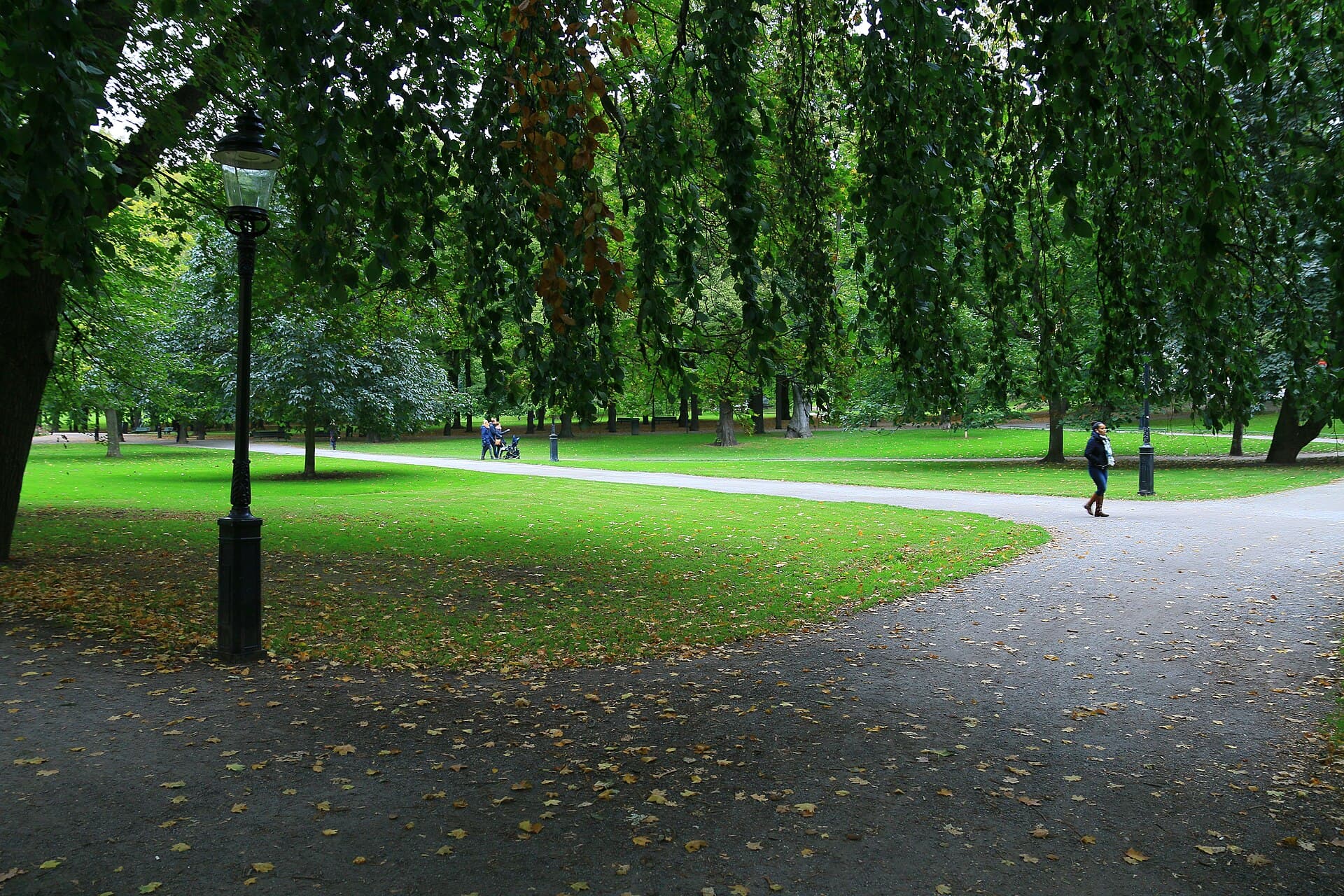
Observatorielunden is a small park on a rise in the Vasastan district, one of the few free viewpoints in central Stockholm — and among the least visited by foreigners. At its top stands the **old observatory** of 1753, built by the architect Carl Hårleman for the Swedish Academy of Sciences, the centre of Swedish astronomy for two centuries until the city's lights forced it to move. It is a small museum today with limited hours. At the foot of the hill is the **Stockholm Public Library** — and this is the architecturally important piece: **Gunnar Asplund** designed it in 1928, and its circular central hall with walls of books from floor to ceiling is among the most reproduced architectural images of the twentieth century. **Entry is free** and it is a working library. The park also has monuments, paths and a view over the city's roofs. **Free and always open**, with a metro station at its foot.
Walls of books floor to ceiling, designed in 1928.
Vasastan's roofs, free, in the middle of the city.
Observatorielunden, Vasastan, Stockholm
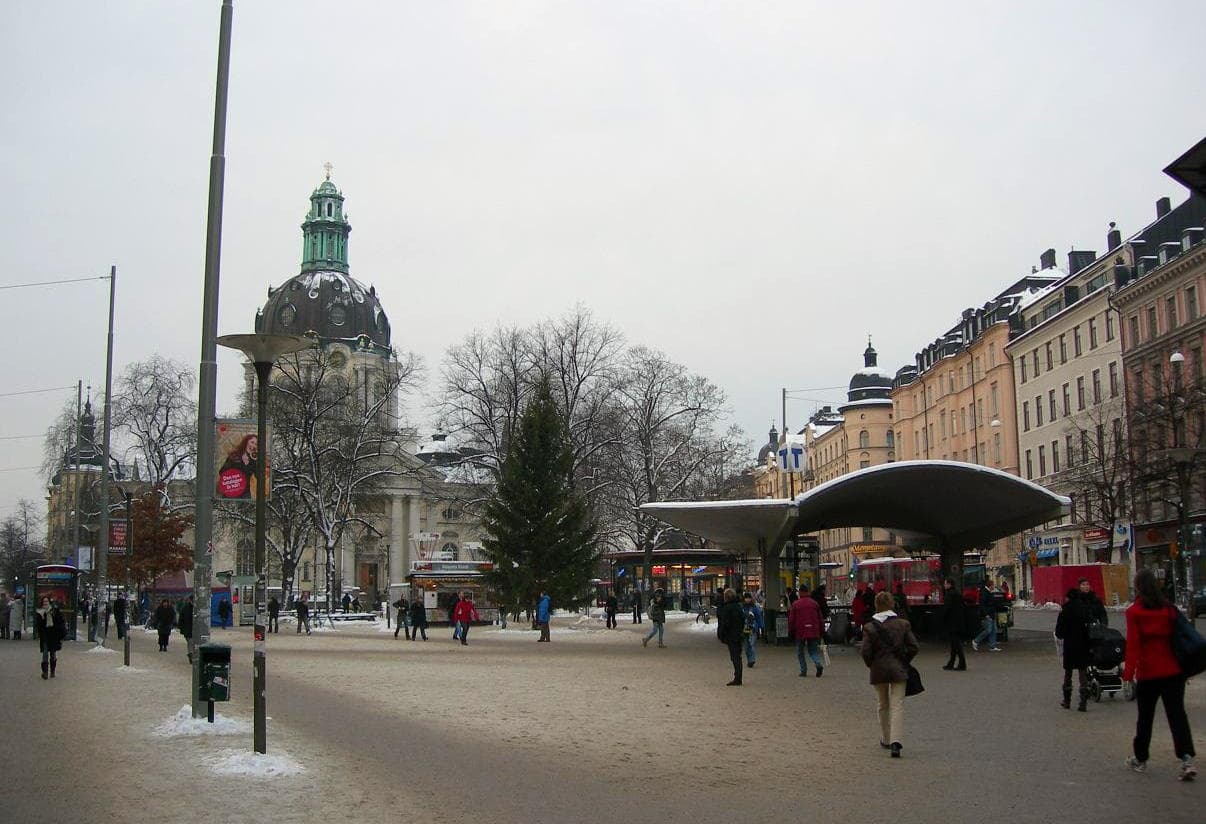 OdenplanOdenplan is a square and transport interchange at the heart of **Vasastan**, its4 minutes walk4.2
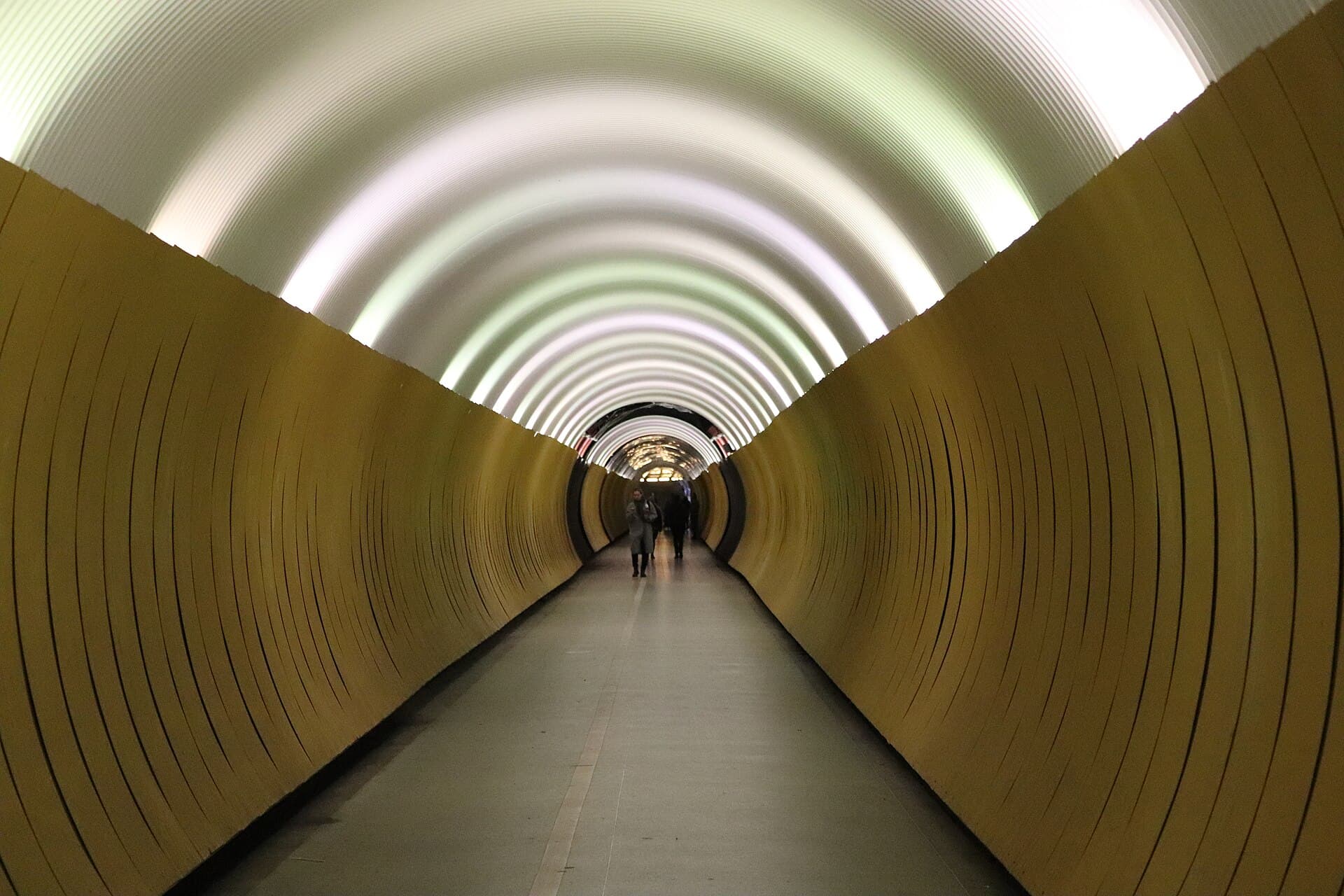 The Brunkeberg TunnelThe Brunkeberg Tunnel is a pedestrian passage cut beneath Brunkeberg ridge in ce10 minutes walk4.0
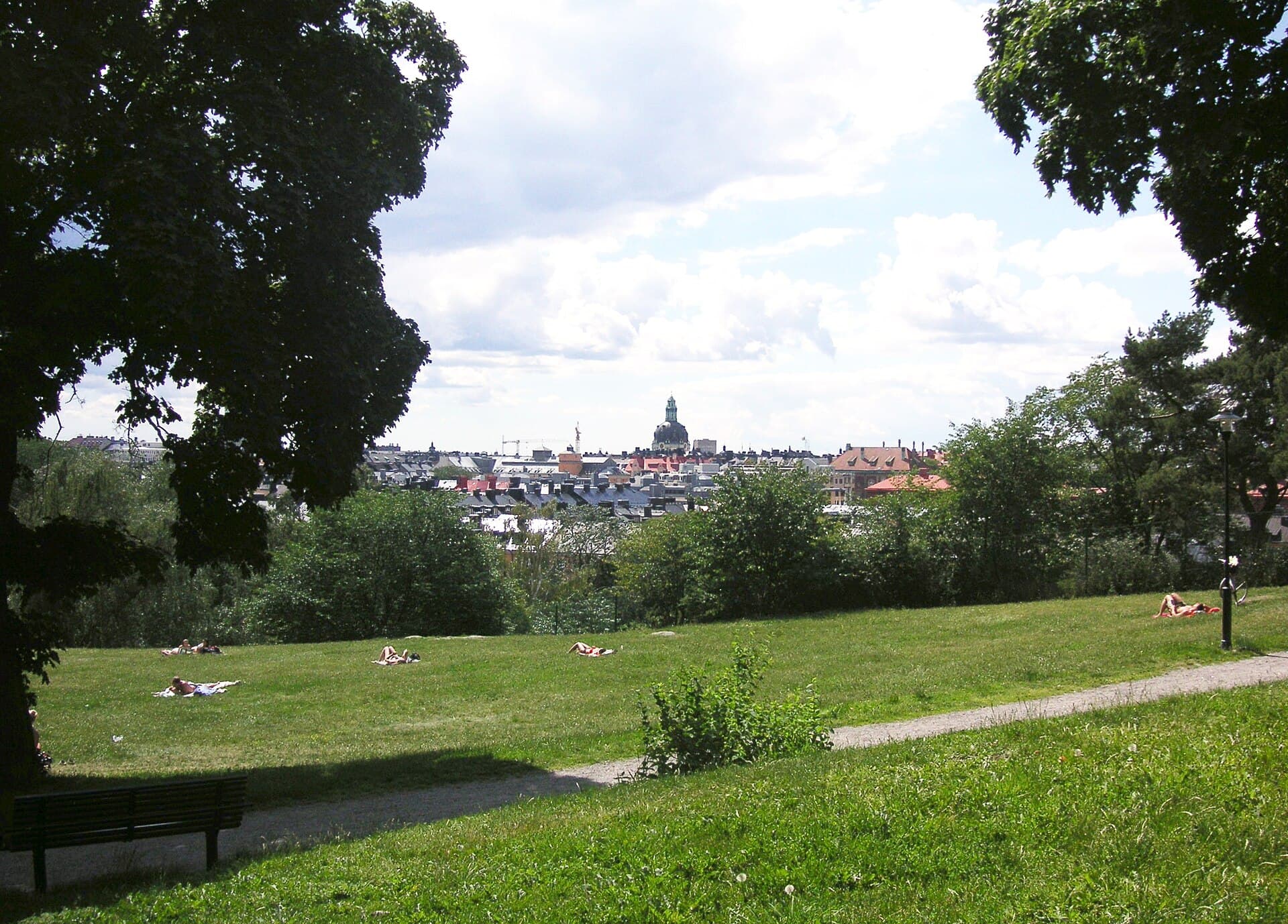 VanadislundenA hillside park in the Vasastan district north of central Stockholm, one of the 10 minutes walk4.3
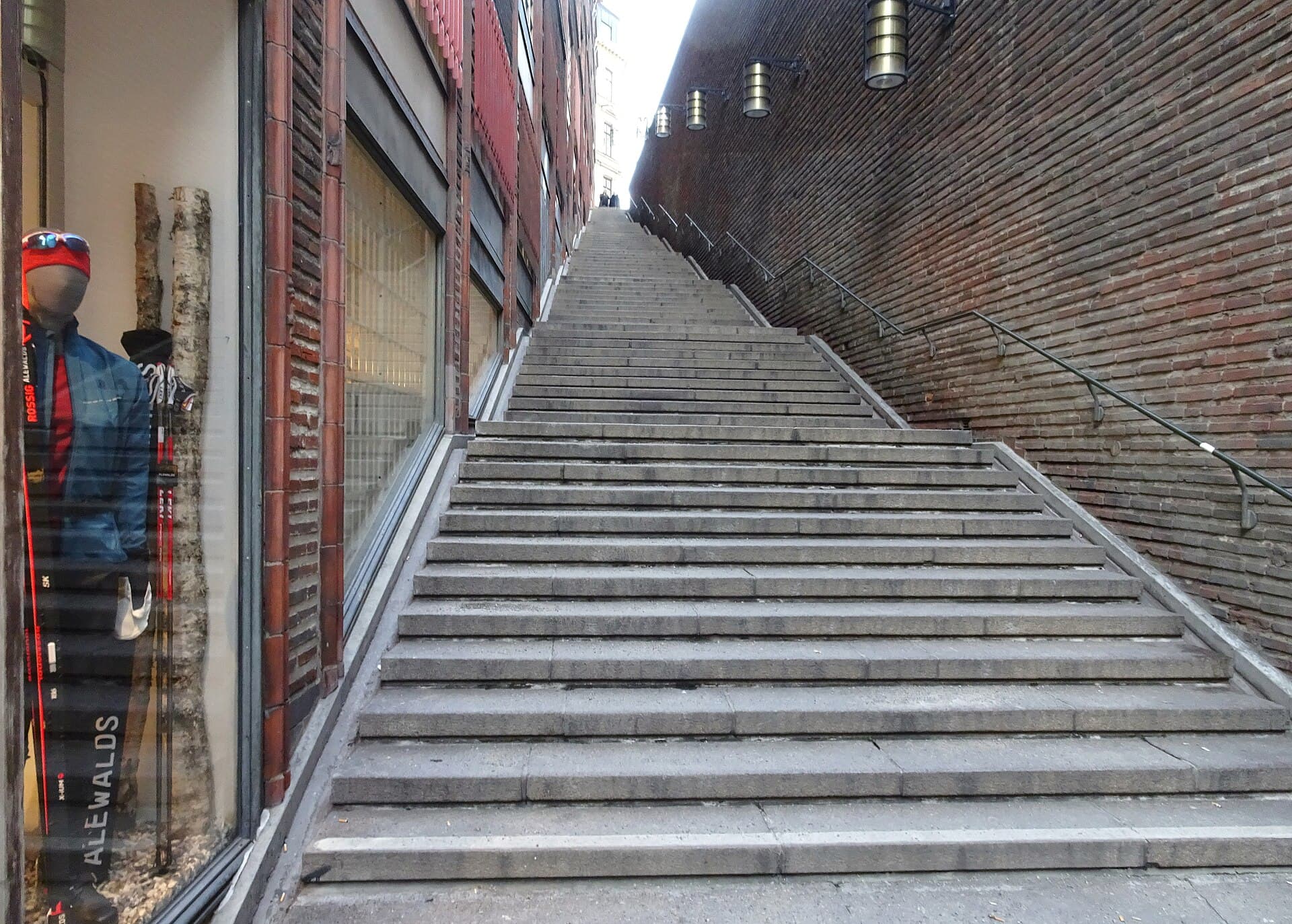 MalmskillnadstrappanA stone stairway in central Stockholm linking the elevated Malmskillnadsgatan wi11 minutes walk4.2
 HumlegardenHumlegarden is a large public park in the affluent Ostermalm district, begun in 13 minutes walk4.4
The most important Swedish architect of the twentieth century, with an influence far beyond Sweden. The Stockholm Public Library of 1928 is his best-known work and stands at the turn from Nordic classicism to modernism — a plain cylinder on a square base, without ornament and with a clear logic. His other great work is the **Woodland Cemetery, Skogskyrkogården**, south of Stockholm and on the World Heritage list: a cemetery he designed with Sigurd Lewerentz in which the landscape itself is the architecture. Both are free and can be seen in one day by metro.