
Vasastan
Cafés and bakeries used by residents rather than visitors.
Bronks at English Wikipedia — Public domain · Andrzej Otrębski — CC BY-SA 4.0 · Andrzej Otrębski — CC BY-SA 4.0 · Andrzej Otrębski — CC BY-SA 4.0
Odenplan is a square and transport interchange at the heart of **Vasastan**, its name from Odin, chief of the Norse gods — as the streets around it carry other gods' names: Tor, Freja, Balder. The square itself is not beautiful in a sightseeing sense: a busy junction of buses and trams. But it is **where you understand everyday Stockholm**: a dense residential district of early twentieth-century blocks, with cafés, bakeries and shops used by residents rather than visitors, and prices clearly below the centre. On it stands **Gustaf Vasa Church** of 1906, holding a vast Baroque altarpiece moved from another church, among the largest in Sweden. Beneath the square is **Odenplan station**, rebuilt in 2017 as a combined metro and commuter rail station with a large artwork — the Stockholm metro being known for stations that are art galleries. **The square is free**, and it is the best starting point for a walk through Vasastan.
Cafés and bakeries used by residents rather than visitors.
A large artwork in a station rebuilt in 2017.
Odenplan, Vasastan, Stockholm
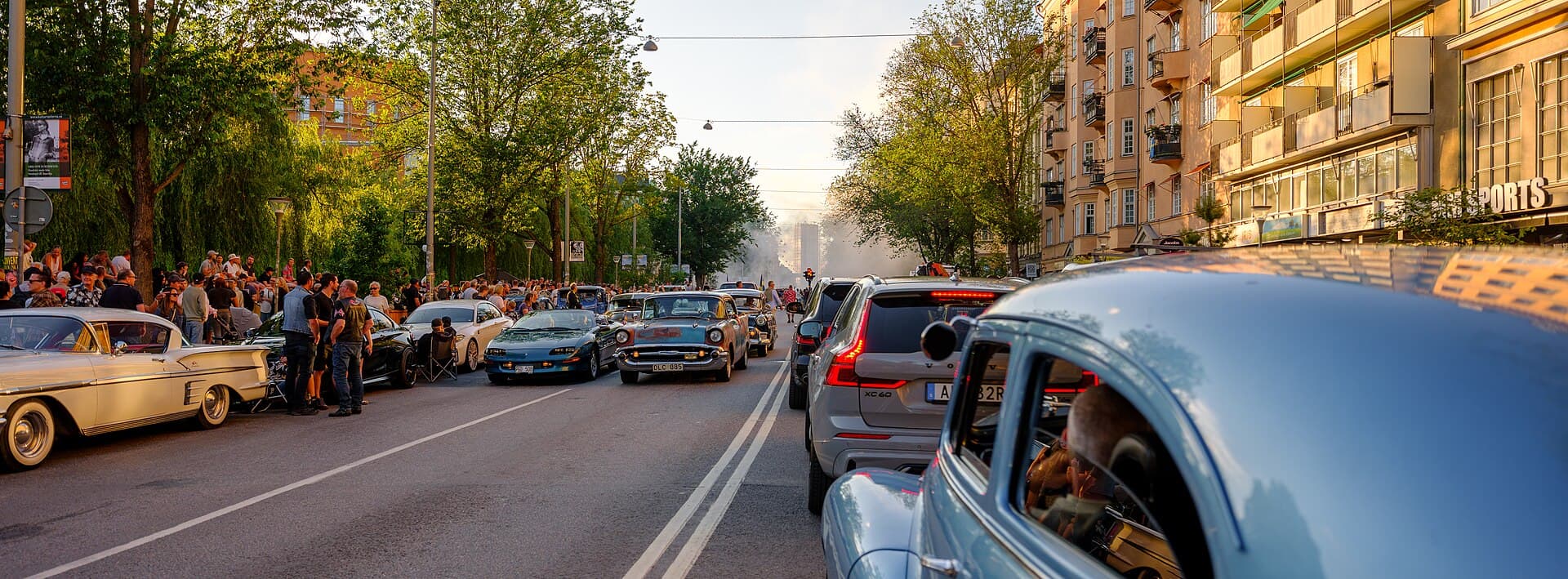 ObservatorielundenObservatorielunden is a small park on a rise in the Vasastan district, one of th4 minutes walk4.3
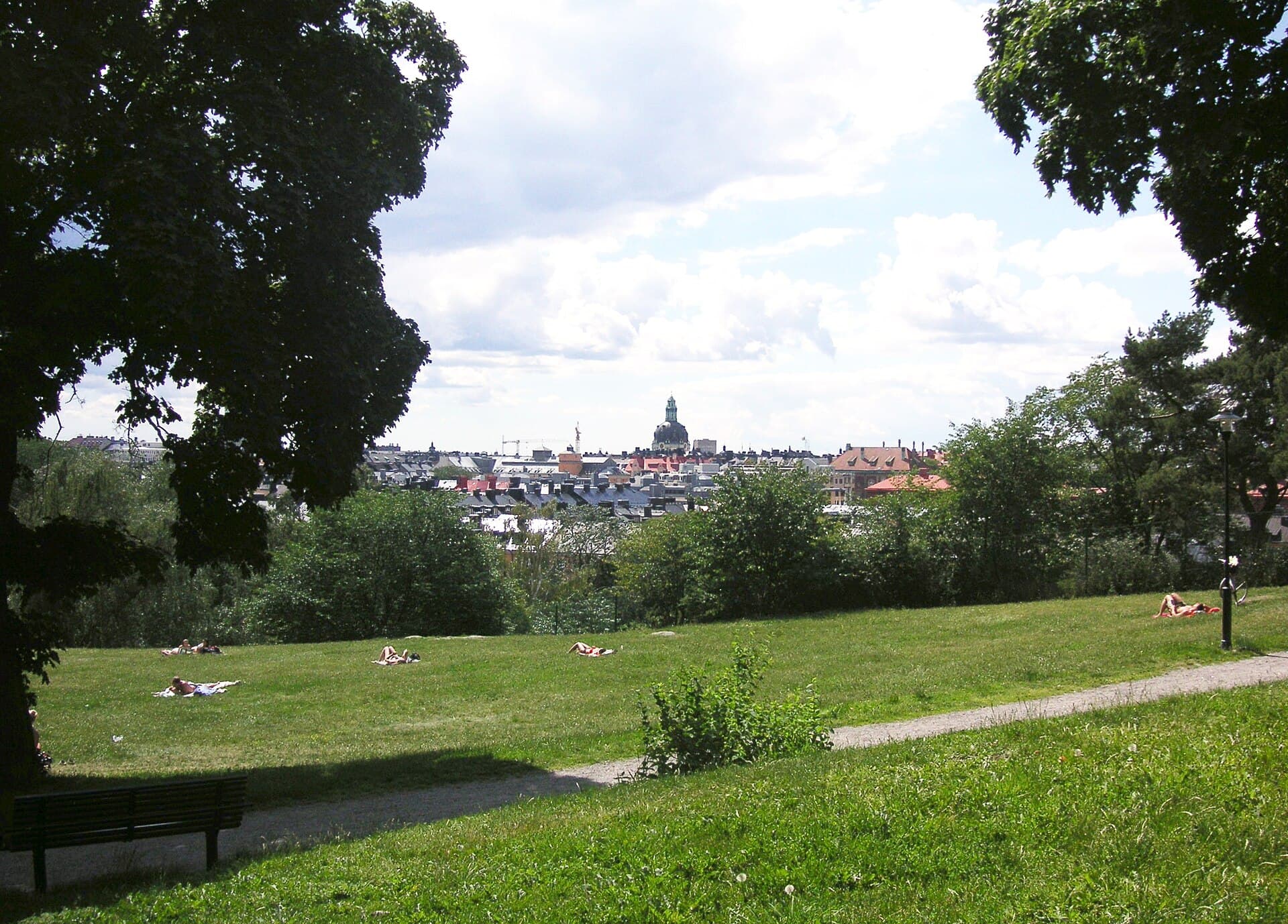 VanadislundenA hillside park in the Vasastan district north of central Stockholm, one of the 10 minutes walk4.3
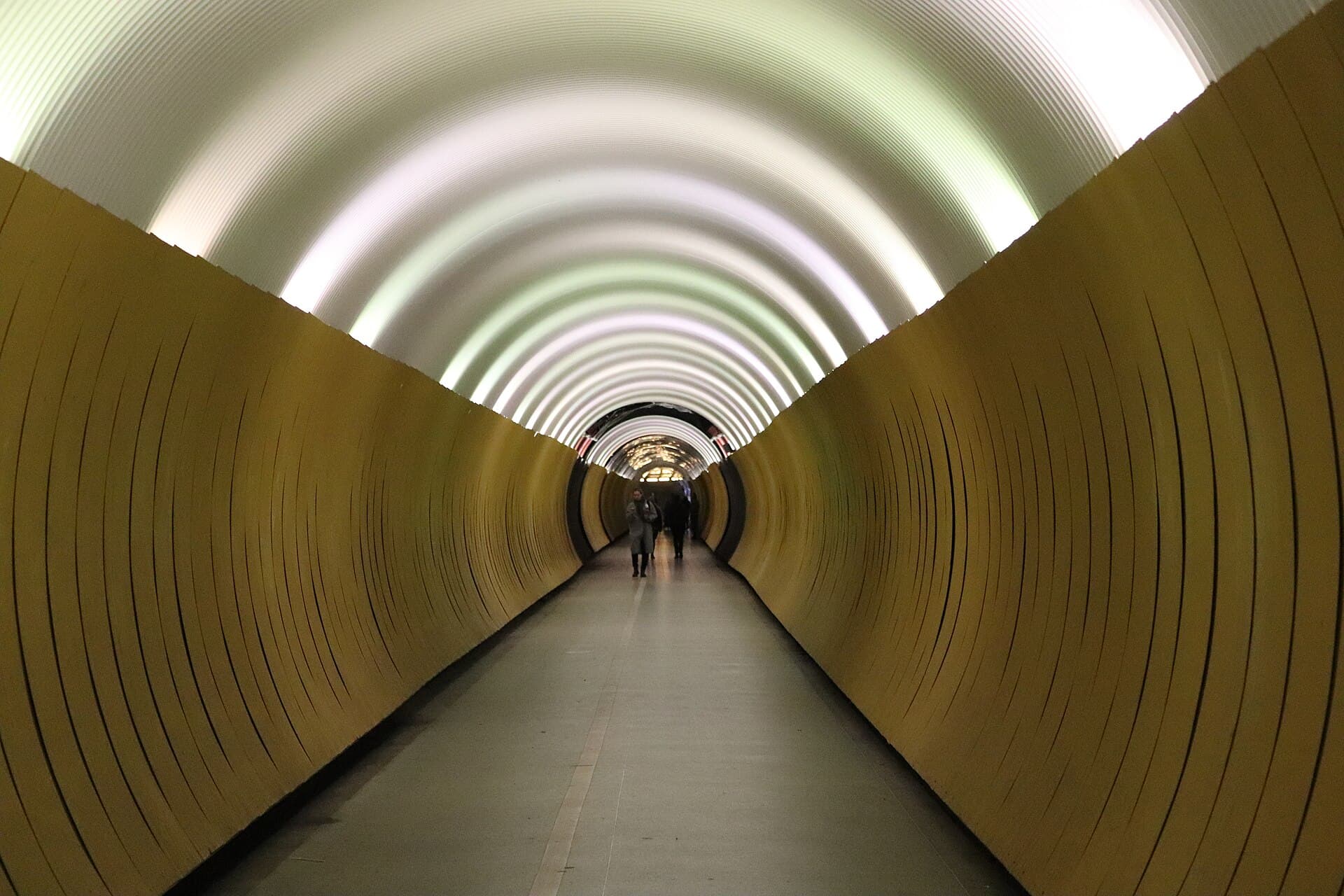 The Brunkeberg TunnelThe Brunkeberg Tunnel is a pedestrian passage cut beneath Brunkeberg ridge in ce13 minutes walk4.0
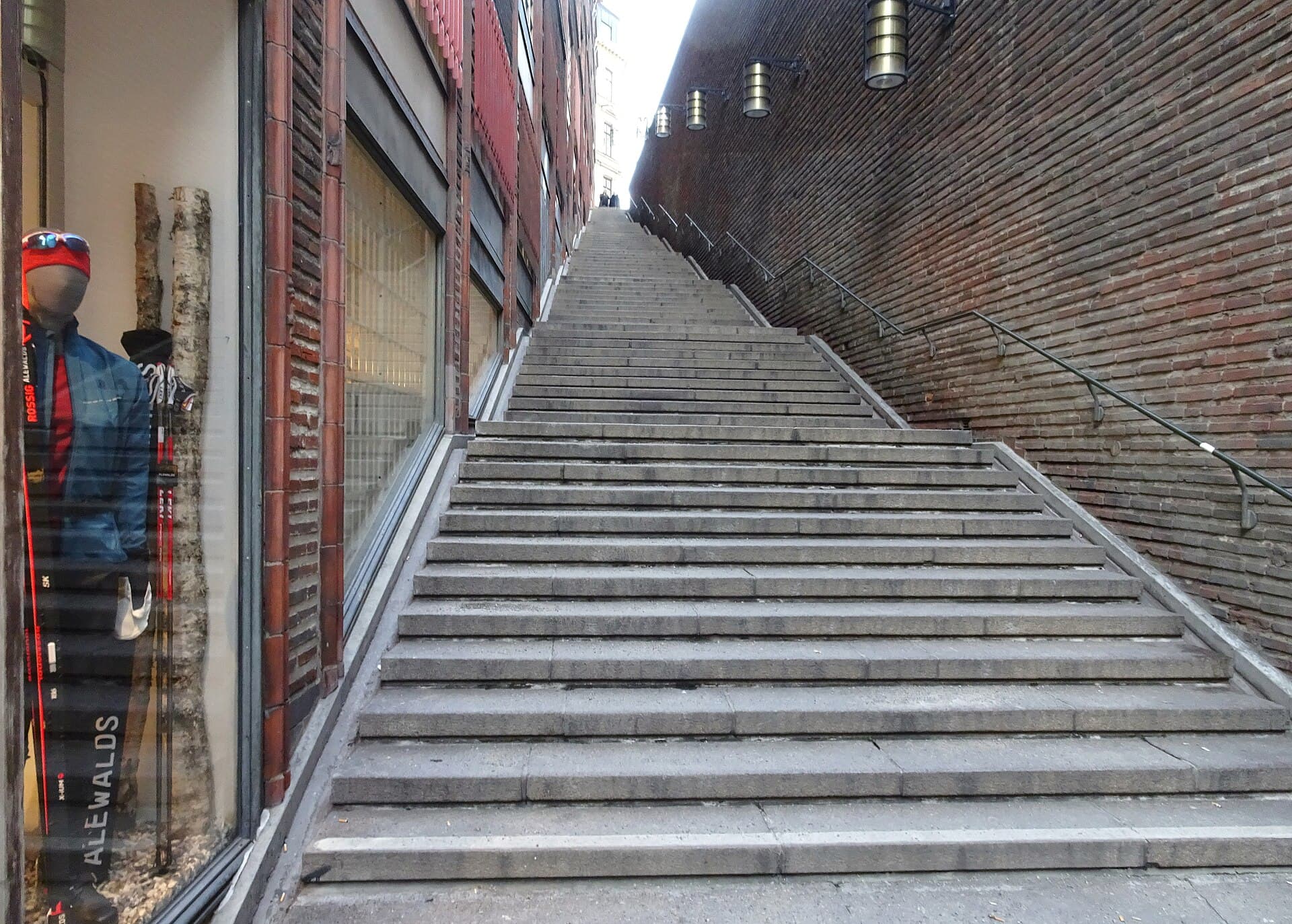 MalmskillnadstrappanA stone stairway in central Stockholm linking the elevated Malmskillnadsgatan wi15 minutes walk4.2
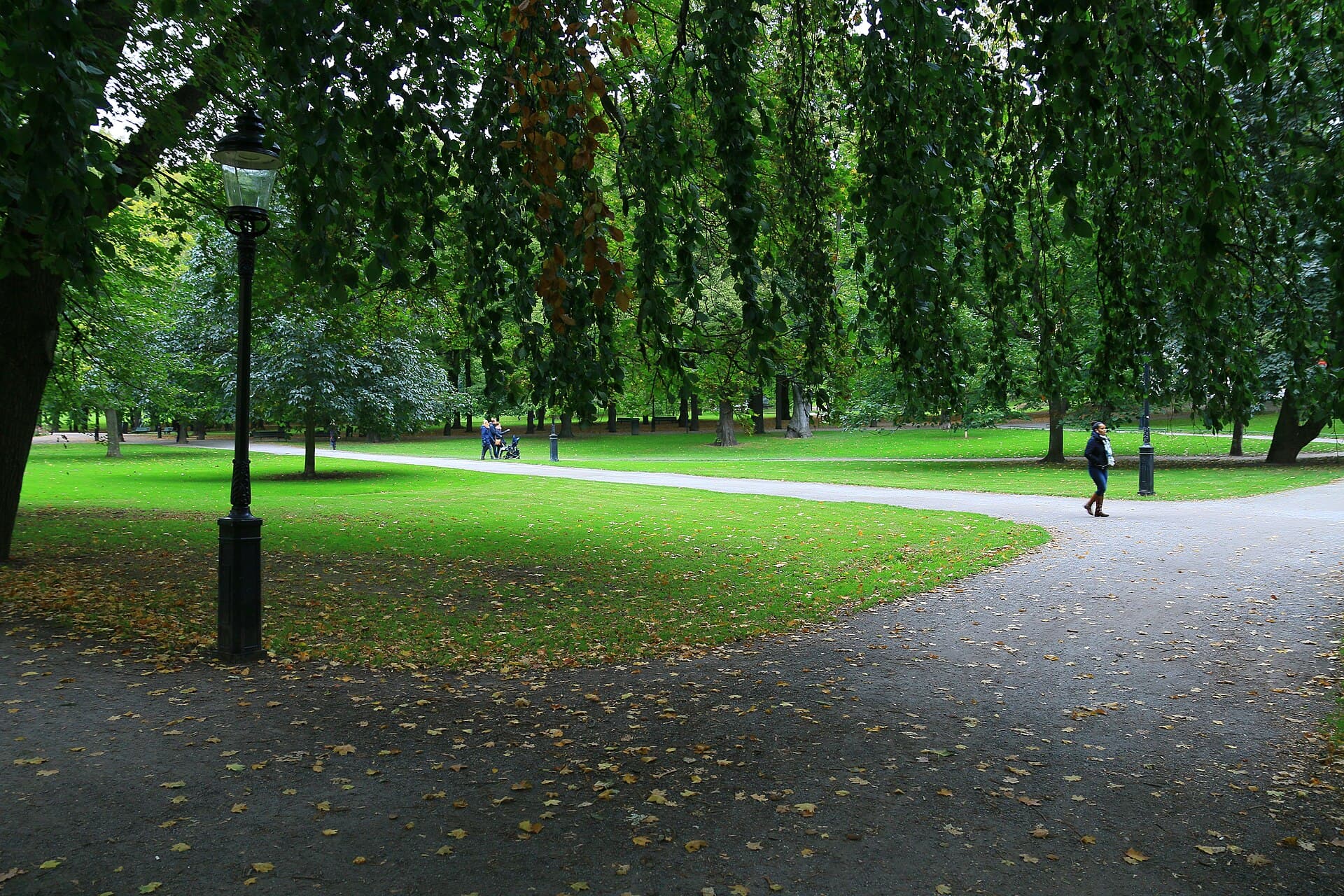 HumlegardenHumlegarden is a large public park in the affluent Ostermalm district, begun in 17 minutes walk4.4
More than ninety of the metro's hundred stations carry artworks — sculpture, painting, mosaic and installations — by over a hundred and fifty artists, a project begun in the 1950s on a decision that public transport should be a gallery. The best known are **T-Centralen** with its blue leaf patterns on raw rock, **Solna Centrum** with its fiery red ceiling, and **Kungsträdgården** with archaeological fragments displayed underground. All are seen on a single metro ticket, and most of the striking stations are on the blue line. A two-hour tour is enough, and it is among the best things to do in Stockholm on a wet day.