
The skull columns
Silent compositions in cave light — solemnity, not horror.
Kirk — CC BY-SA 3.0 · Totalrandomphotos — CC BY-SA 4.0 · Ben Skála, Benfoto — CC BY-SA 3.0 · Kirk — CC BY-SA 3.0
Directly beneath James Square sleep fifty thousand: Europe's second-largest ossuary after Paris — found by accident in 2001 during square works: the labyrinthine cellars of St James's church had been stacked for centuries with bones of its narrow recycled graveyard (the medieval custom: a burial term, then bones raised to the crypt for the next tenant) — plagues and wars condensing them metres deep. Restoration turned horror to solemnity: columns of skulls and bones arranged in silent compositions under dim cave lighting, music written specifically for the place drifting its galleries — the effect contemplative awe, not ghost-house fright: a twenty-minute descent you leave heavier than you entered, in the noble sense. Above you St James itself is a white Gothic jewel — with its famous sculptural prank, the 'shameless man' above the south window: find him outside and you'll understand.
Silent compositions in cave light — solemnity, not horror.
The St James sculptor's prank above the window — find it and understand.
Jakubské náměstí, 602 00 Brno
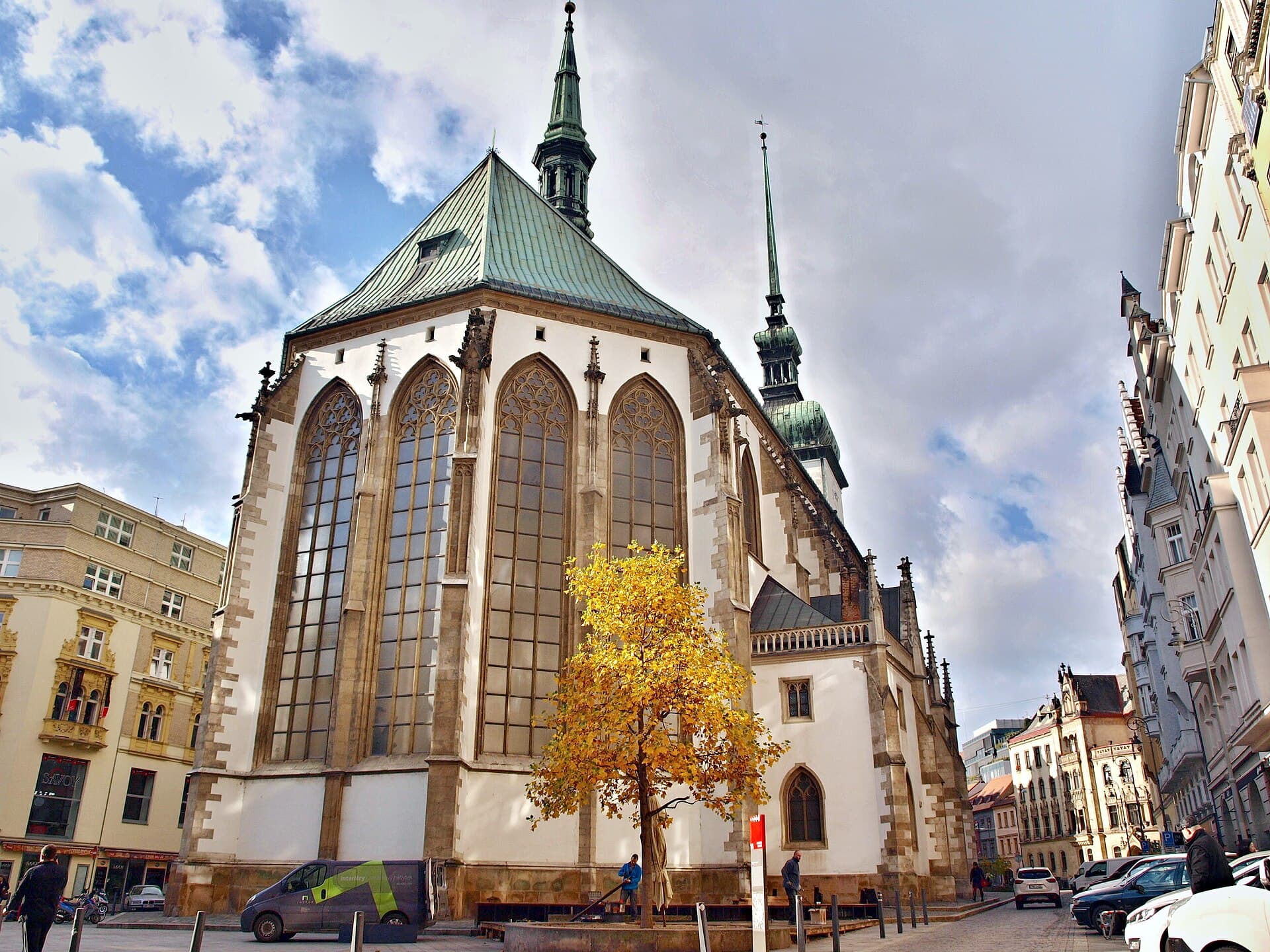 St James's SquareA square in the northern part of old central Brno around the Gothic church of St1 minute walk4.8
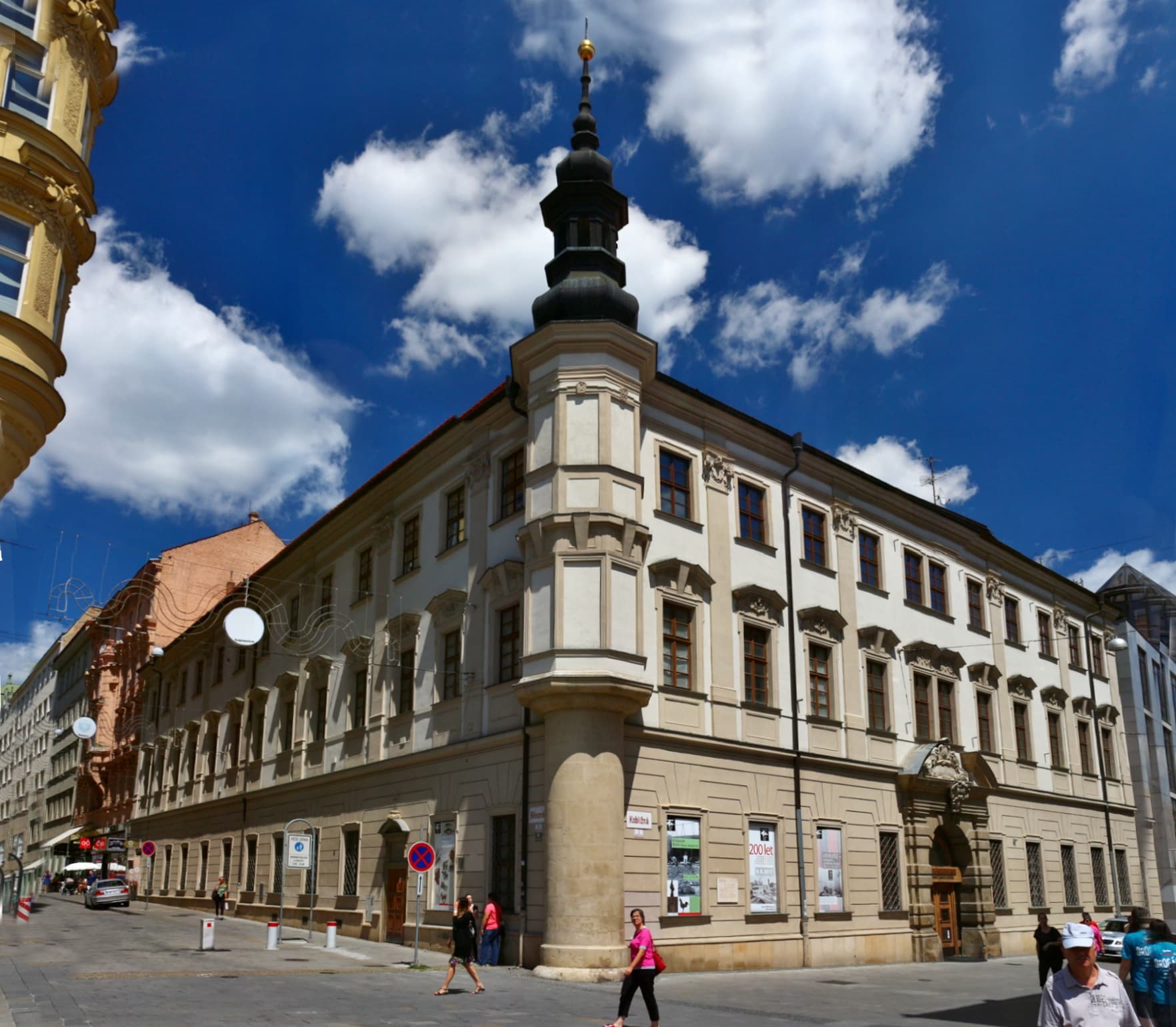 The Palace of the Noble LadiesA Baroque palace in central Brno, built in the seventeenth century to house the 2 minutes walk4.6
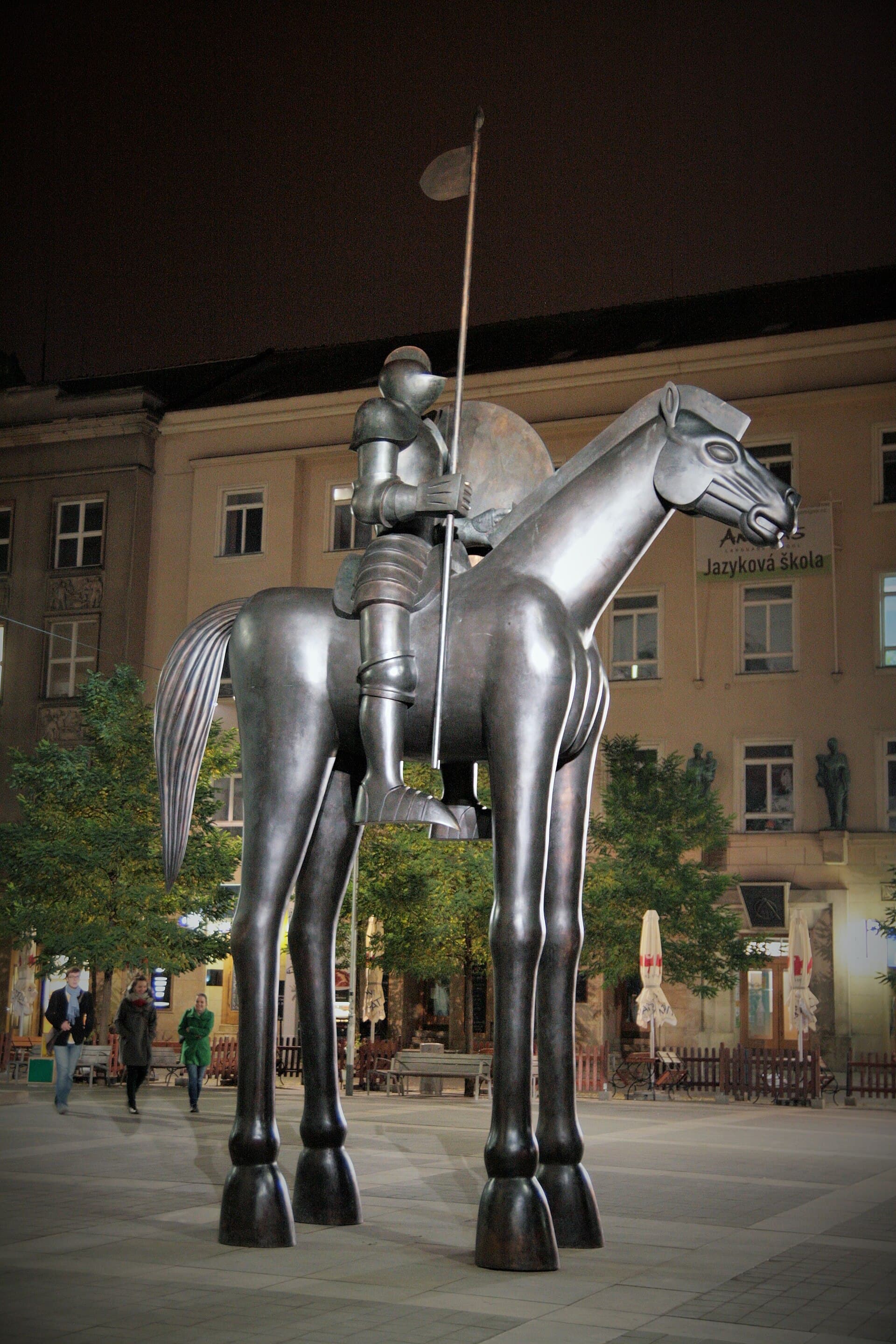 Courage — the Statue of Jobst of LuxembourgAn equestrian statue on Moravian Square in Brno, unveiled in 2015, depicting Job2 minutes walk4.6
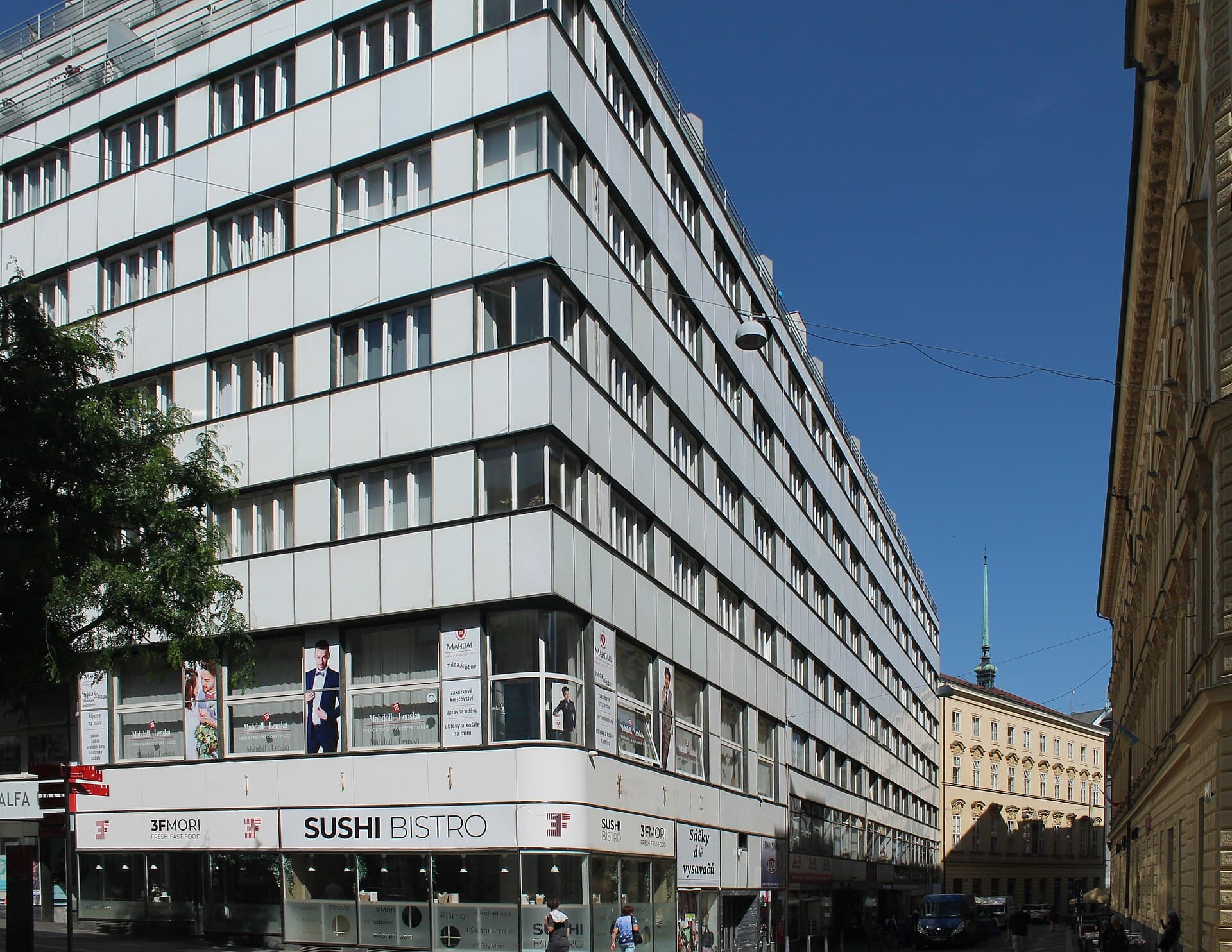 Alfa PalaceA functionalist building of the 1930s in central Brno, containing a covered shop3 minutes walk4.1
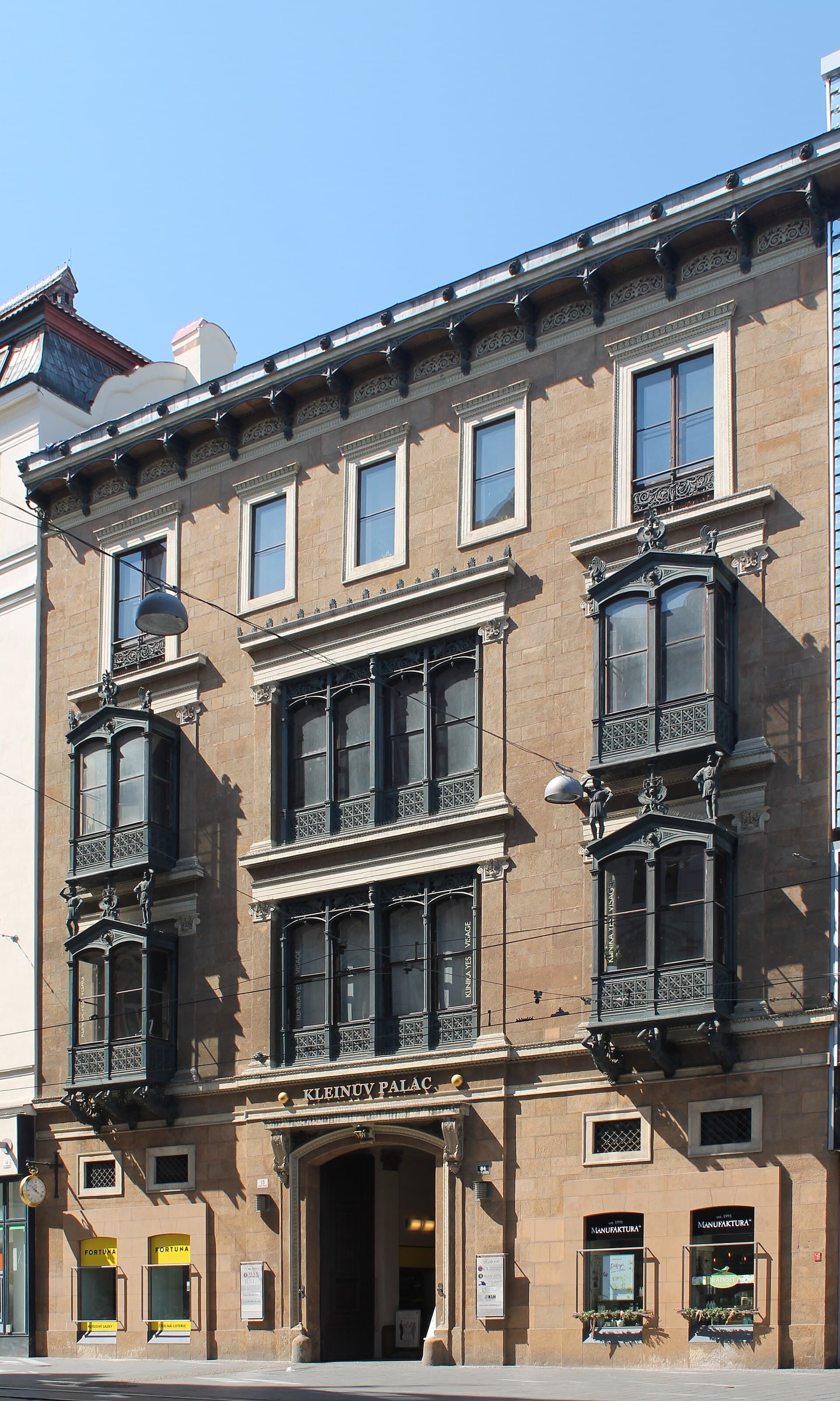 Klein PalaceA mid-nineteenth-century palace on Náměstí Svobody, Brno's main square, built by3 minutes walk4.8
The graveyard closed by Joseph II's 1784 sanitary decree and the crypt faded beneath the paved square — two and a quarter centuries of the city walking unknowing overhead until the 2001 digs. Documenting and restoring took a full decade before the 2012 opening — making it Europe's oldest ossuary and newest museum at once.
Two colours of experience: here the anonymous multitude, collective awe arranged as art — there mummies with names and clothes, the awe of individual faces. Time enough takes both (minutes apart afoot) — the pressed choose by temperament: grand contemplation here, the harder personal encounter there.