
Found in 2001
Nobody knew it existed until archaeological work uncovered it beneath the square.
VitVit — CC BY-SA 4.0 · VitVit — CC BY-SA 4.0 · Henta — CC BY-SA 3.0 · Henta — CC BY-SA 3.0
A square in the northern part of old central Brno around the Gothic church of St James, beneath which lies the second largest ossuary in Europe after Paris. The ossuary was found in 2001 during archaeological work: more than fifty thousand skeletons had been stacked in cellars beneath the square, bones moved there from the church cemetery over centuries as the ground filled, especially after outbreaks of plague and the Thirty Years' War. It opened to visitors in 2012 and is entered on a separate ticket. Above ground, the square itself is a modern open space with a fountain, ringed by cafés and offices, with the Gothic church and its tall tower in the middle. The square itself needs no time — you cross it walking through the old town. The value is in what lies beneath it and in the church, both short visits to add to a day in Brno.
Nobody knew it existed until archaeological work uncovered it beneath the square.
Gothic with a tall tower, the landmark of this end of the city.
The bones accumulated through epidemics and the Thirty Years' War as the cemetery filled.
Northern part of old central Brno
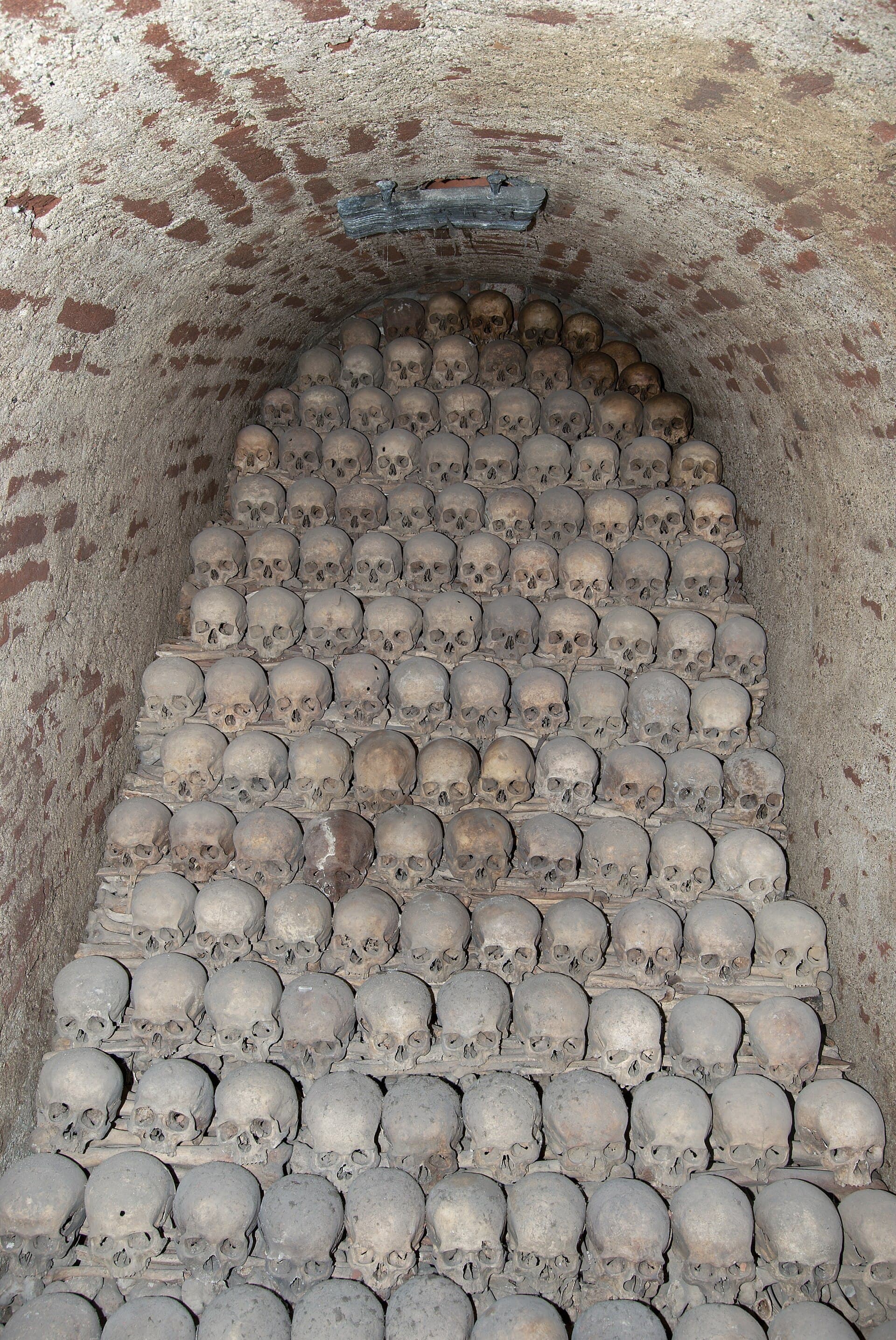 The Brno OssuaryDirectly beneath James Square sleep fifty thousand: Europe's second-largest ossu1 minute walk4.4
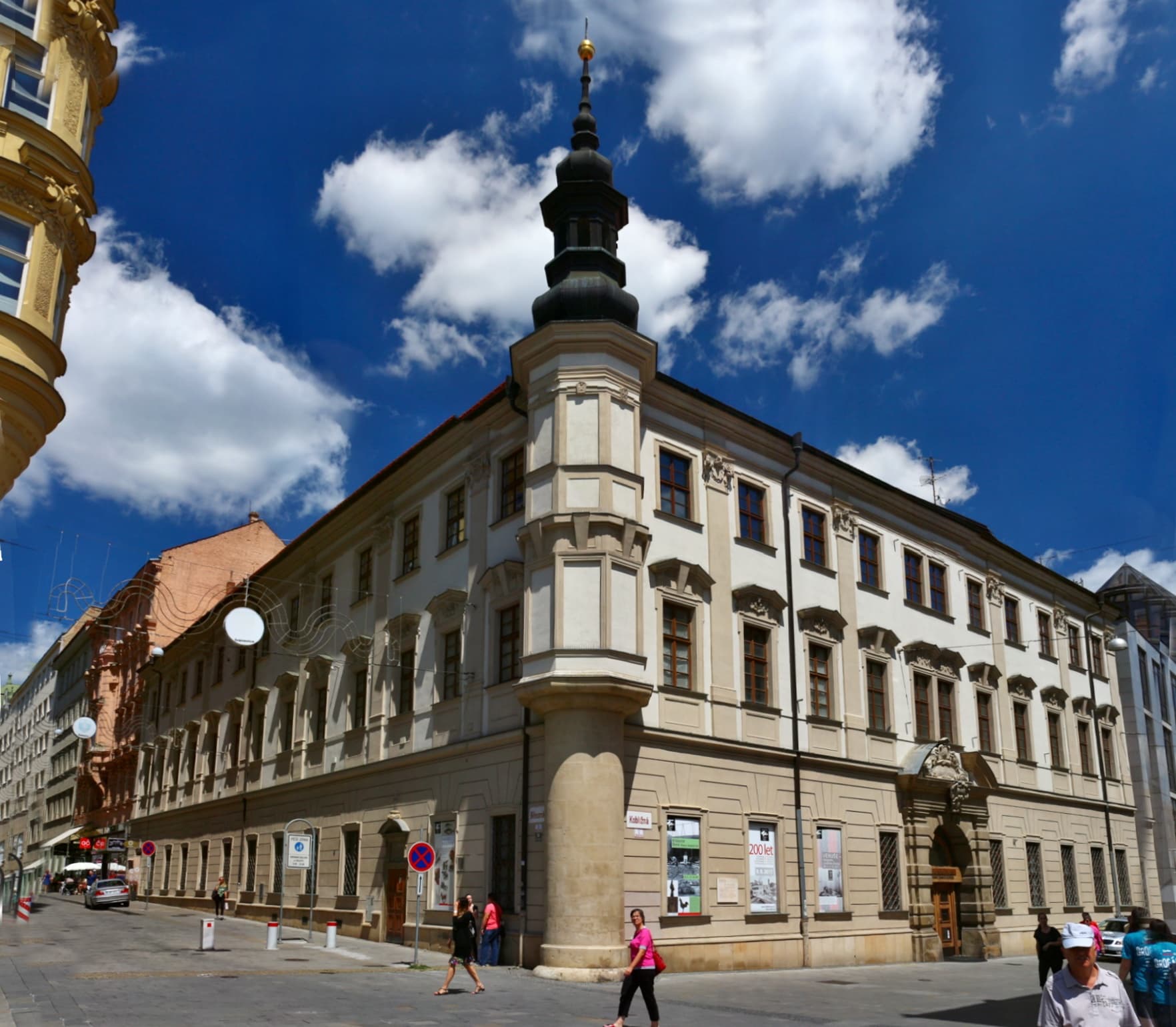 The Palace of the Noble LadiesA Baroque palace in central Brno, built in the seventeenth century to house the 2 minutes walk4.6
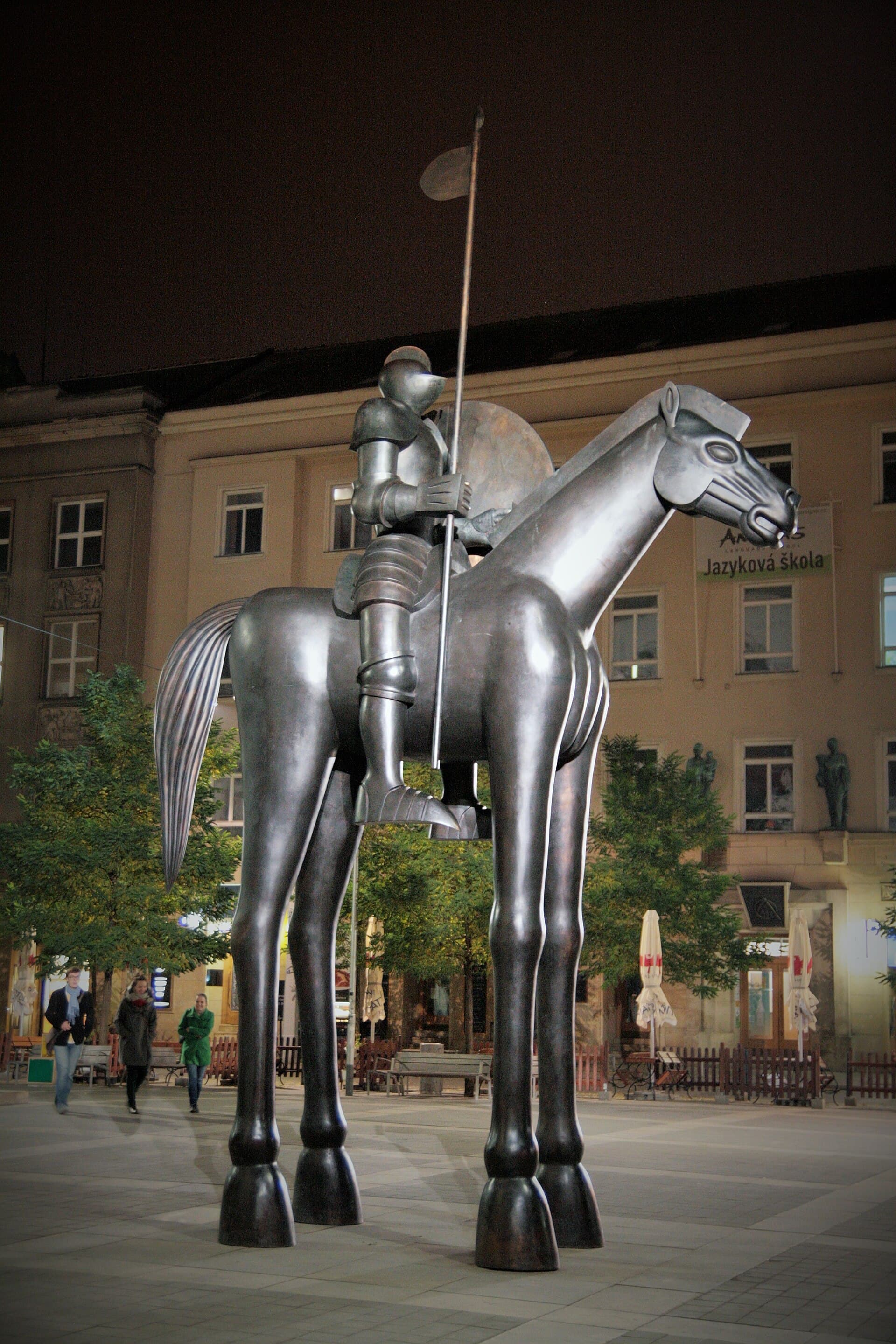 Courage — the Statue of Jobst of LuxembourgAn equestrian statue on Moravian Square in Brno, unveiled in 2015, depicting Job2 minutes walk4.6
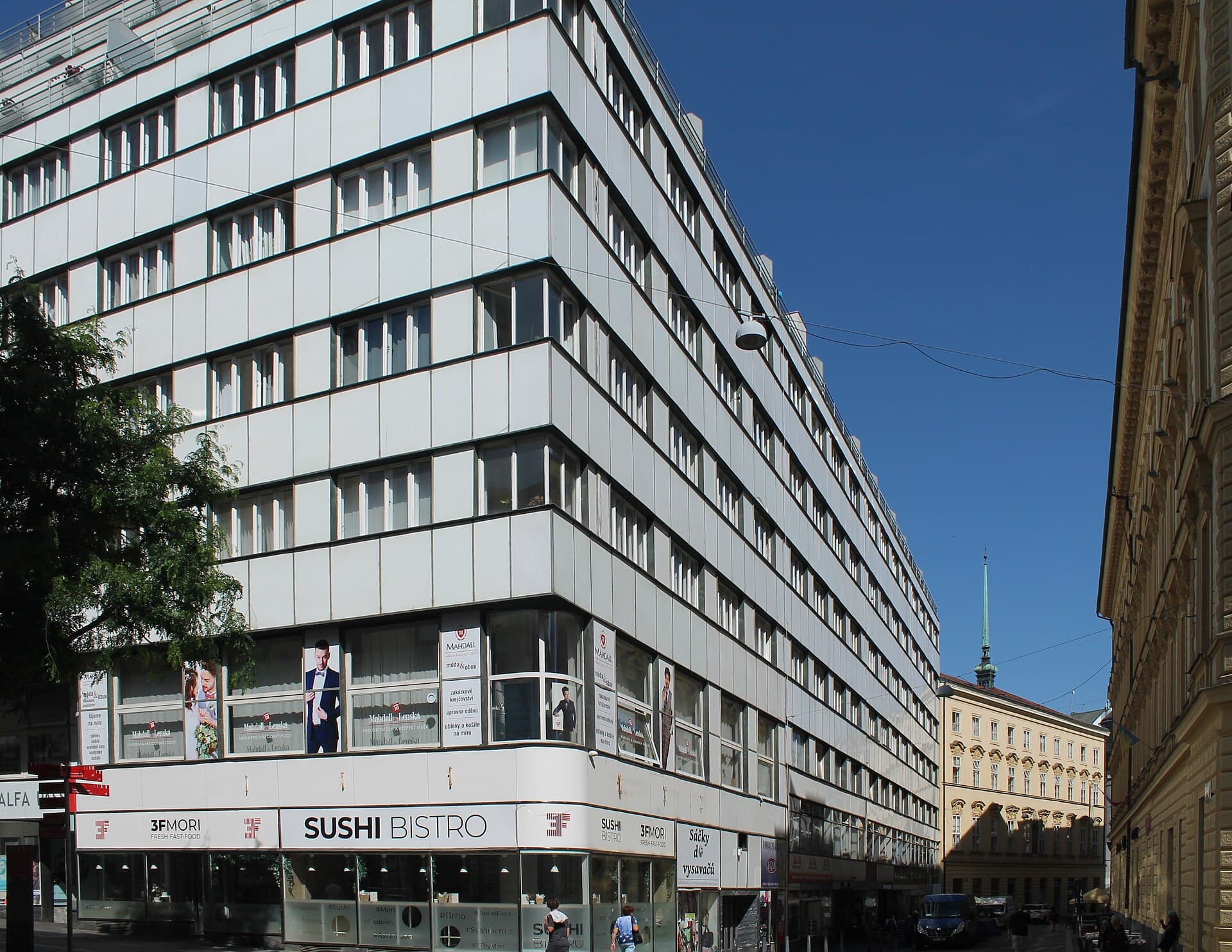 Alfa PalaceA functionalist building of the 1930s in central Brno, containing a covered shop3 minutes walk4.1
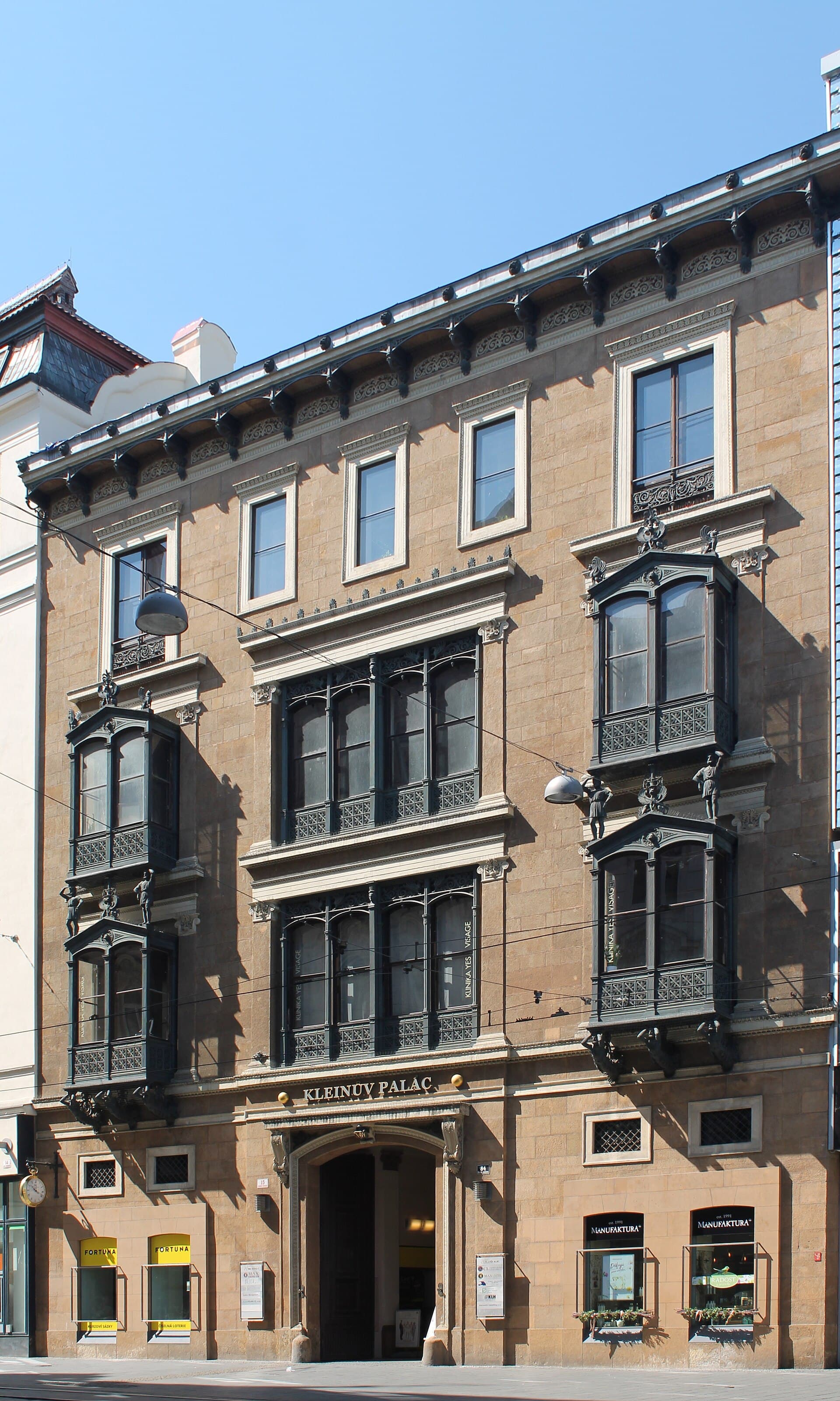 Klein PalaceA mid-nineteenth-century palace on Náměstí Svobody, Brno's main square, built by4 minutes walk4.8
On a separate ticket with its own entrance on the square, and the visit is short — about twenty to thirty minutes. The space is underground, narrow and cold, and may not suit anyone claustrophobic. Booking is advisable in season. These are the remains of real people, and quiet is asked.
Sedlec in Kutná Hora holds around forty thousand skeletons arranged decoratively in the nineteenth century — a chandelier, coats of arms, pyramids. Brno's is larger in number but was never arranged artistically: the bones are stacked as they were originally placed, and the modern display organised them without turning them into ornament. The effect is entirely different: Sedlec is visual, Brno closer to a mass grave.