
The triple windows
Dalmatian Gothic at its clearest.
Argo Navis — CC BY-SA 4.0 · Richard Mortel — CC BY 2.0 · Unknown artistUnknown artist — Public domain · Francesco Manno — Public domain
The Papalić Palace is the finest Gothic house in Split, built in the fifteenth century by a leading Dalmatian architect for a local noble family — and built inside Diocletian's Palace itself, using its Roman walls as the foundation for its own. That interlocking is the architectural lesson of the whole city: the people of Split did not build their town beside the ruin but within it, so a Roman wall became the wall of a medieval house, and an imperial arch the doorway of a merchant's home. Papalić's Gothic front with its triple windows and its open stair in the inner courtyard is the clearest surviving example. The palace today is the Split City Museum: the city's history from the medieval period to the twentieth century through documents, weapons, furniture, paintings and displays on its crafts. The museum itself is mid-sized, but the combination of building and contents makes it the best place to understand how Split lived inside an emperor's palace.
Dalmatian Gothic at its clearest.
An open medieval stair.
Papaliceva 1, 21000 Split
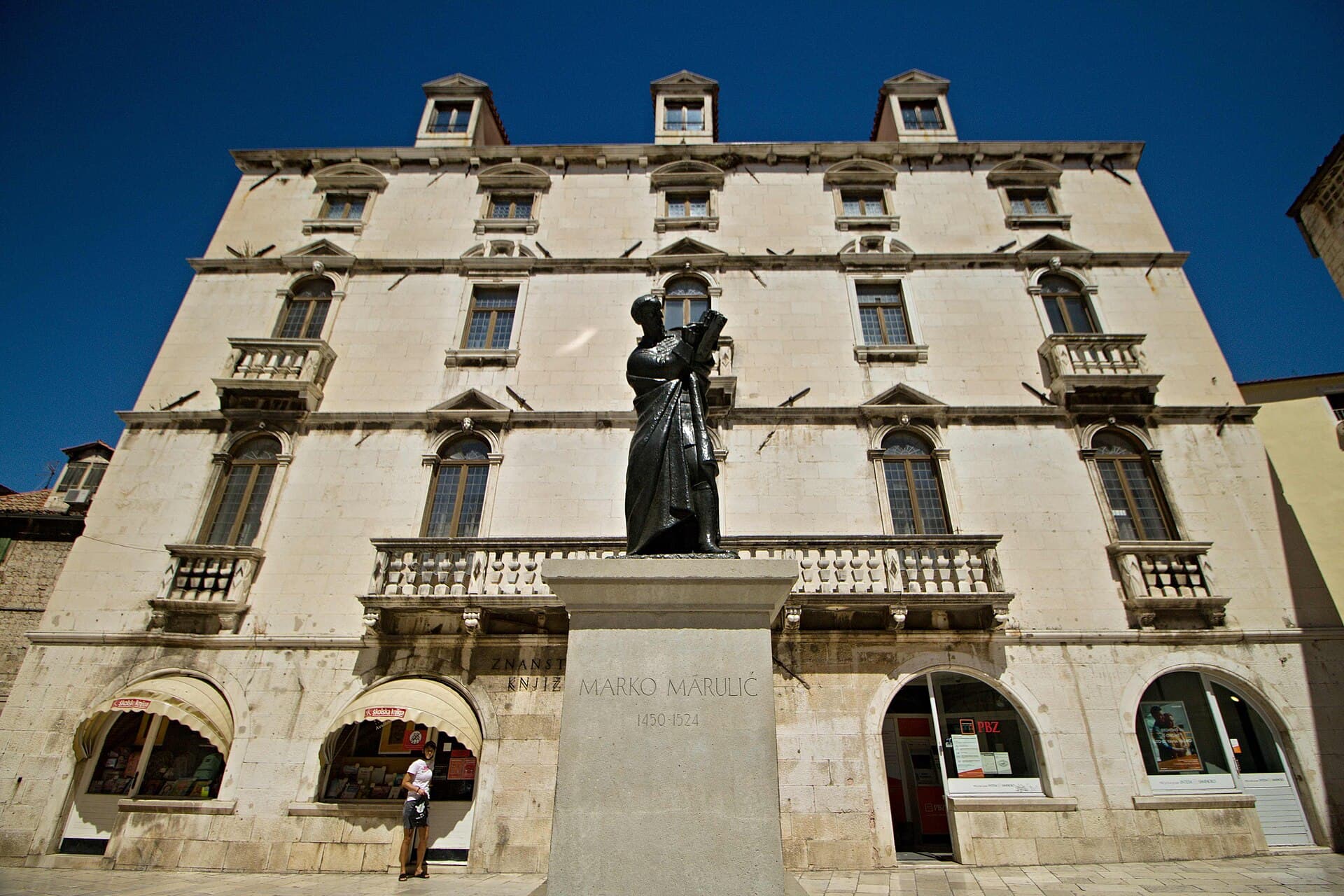 Milesi PalaceA Baroque palace on Fruit Square in Split, built in the seventeenth century for 1 minute walk4.6
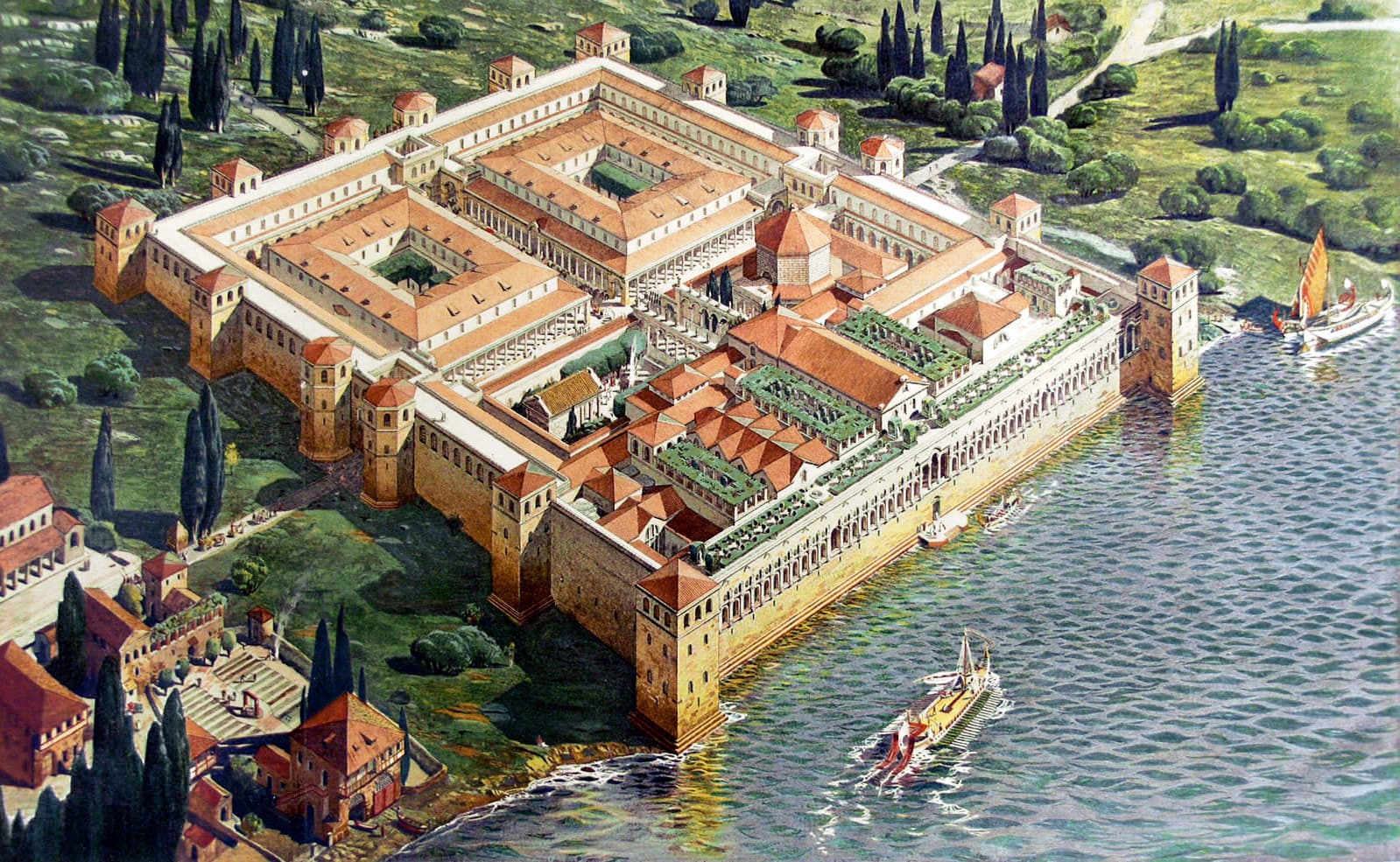 Diocletian's PalaceDiocletian's Palace is earth's strangest ruin in condition: the Roman emperor's 1 minute walk4.8
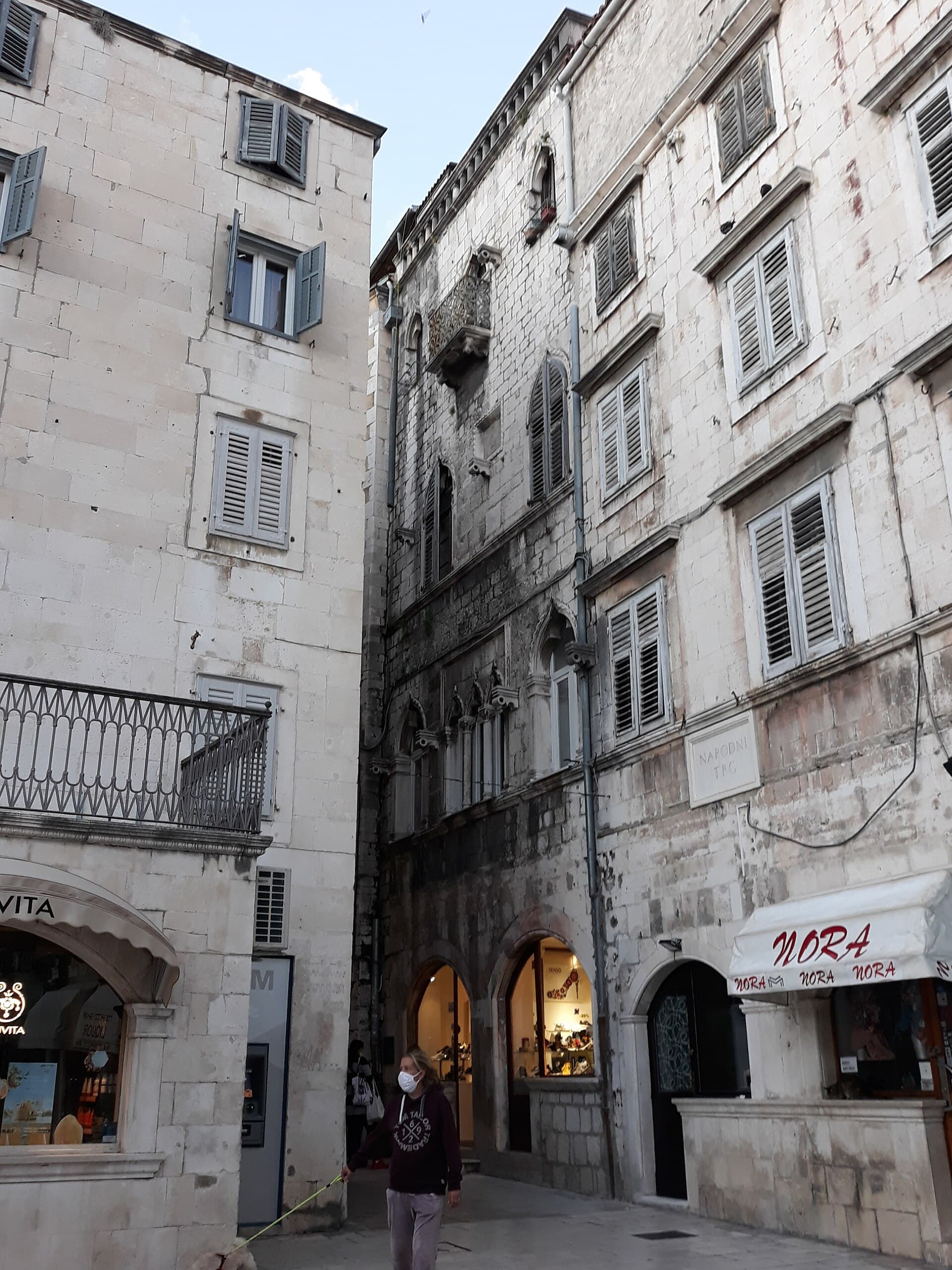 Cambi PalaceA Renaissance palace on Split's People's Square, built by the Cambi family — one1 minute walk3.5
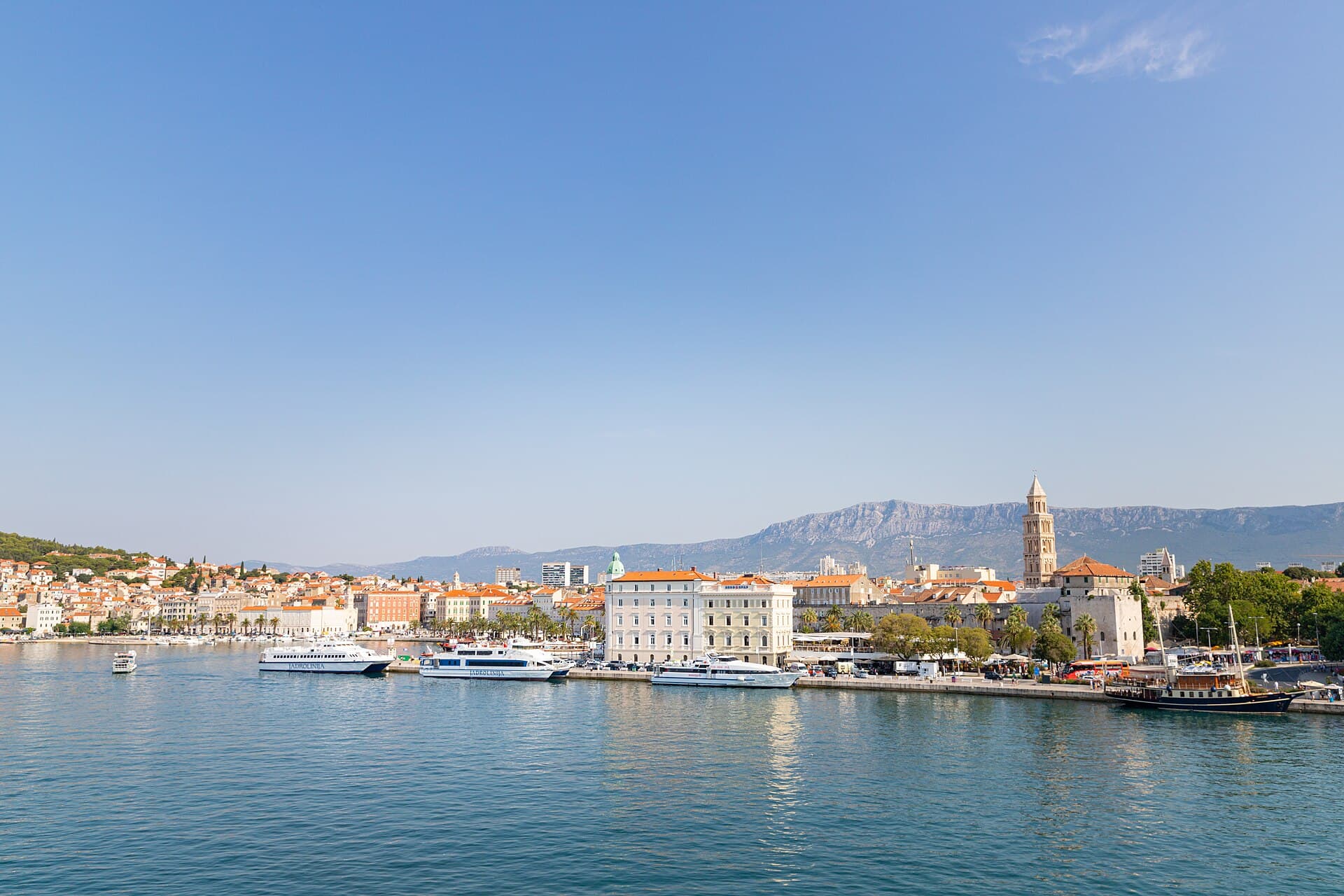 The Riva & Old Town SquaresThe Riva is Split's living room: the marble palm promenade along the palace's wh2 minutes walk4.6
 The PeristyleThe Peristyle is the central court of Diocletian's Palace: a rectangular space e2 minutes walk4.3
The palace is an open experience you walk through in streets and cellars without a structured narrative — enjoyable, but it leaves questions. The city museum answers them: who lived here after the Romans, how the imperial halls were divided into houses, when the layers were built on one another. The logical order is to walk the palace first and then enter the museum, so that what you saw becomes legible.