
Stone façade
Columns and dome.
User:Lipeprates — CC BY-SA 3.0 · Sandra Soster — CC BY-SA 4.0 · Catherine Gaspar — CC BY-SA 4.0 · Reteofilo — CC BY-SA 4.0 · Ramos de Azevedo — CC BY-SA 4.0 · Jesielt — CC BY-SA 3.0
The Palace of Justice is the seat of the São Paulo State Court of Justice, in the old centre between Praça da Sé, Praça João Mendes and Praça Clóvis Bevilácqua, near the cathedral, the Anchieta Palace (seat of the city council) and the Matarazzo Building (city hall). The need for it grew with the proclamation of the republic in 1889 and the transfer of judicial powers to the states in 1891, then with the economic and population boom of the early 20th century, when the old downtown houses could no longer hold the court. In 1911 the office of the famous architect Ramos de Azevedo was commissioned, and drawing on the Palace of Justice in Rome it produced a massive neoclassical building with stone façades, columns and a dome, one of the city's foremost symbols of authority. Nearby are the bar association, the public prosecutor's office and the University of São Paulo's law school. The building can be seen from the surrounding squares at any time, best from Praça Clóvis Bevilácqua, and the court sometimes opens its historic halls to public visits, so ask about the times.
Columns and dome.
Near Praça da Sé.
On set visits.
Praça Clóvis Bevilácqua, near Praça da Sé, central São Paulo
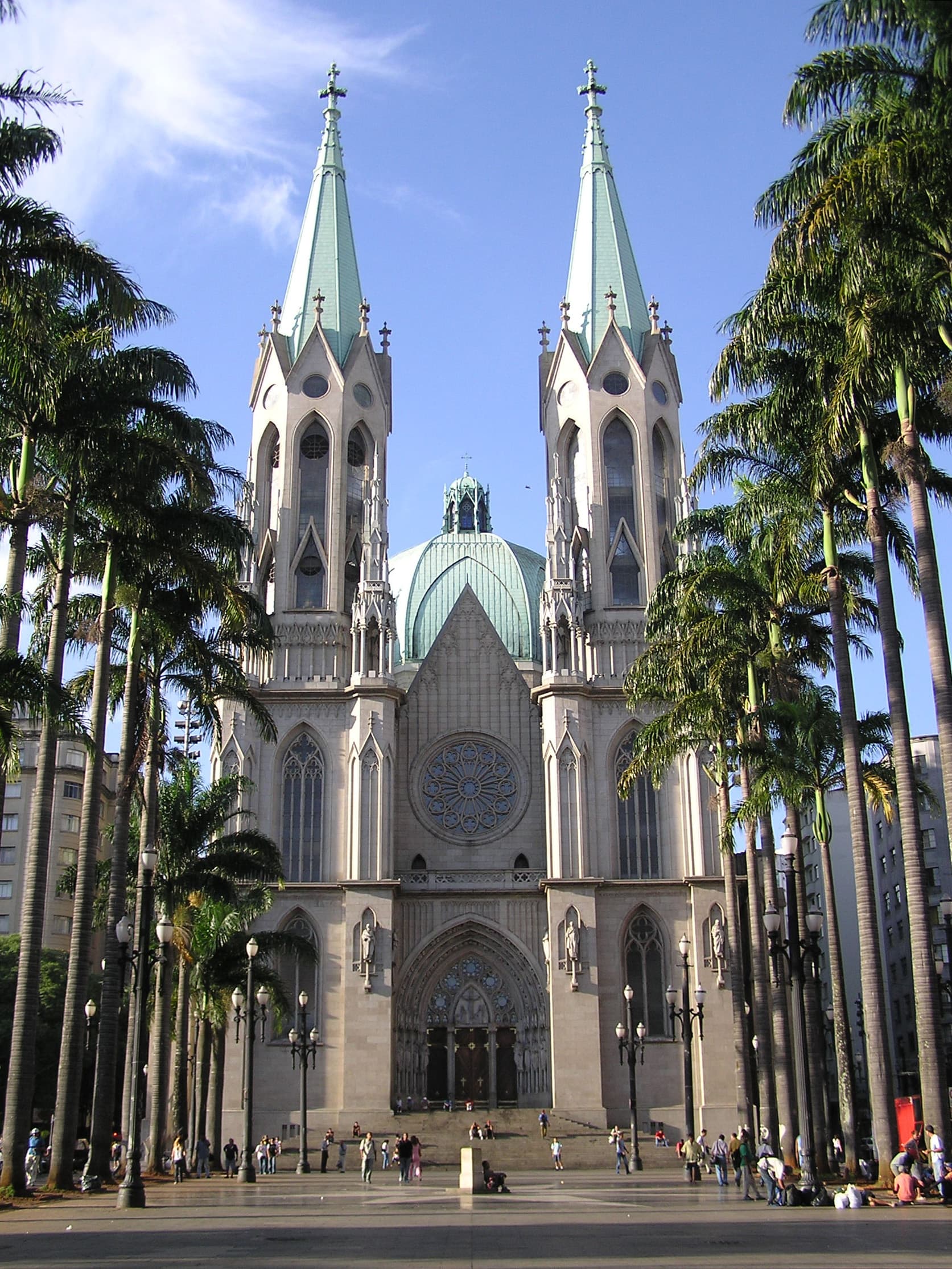 São Paulo Cathedral (Sé)The Sé Cathedral is São Paulo's largest Catholic church, overlooking Praça da Sé2 minutes walk4.8
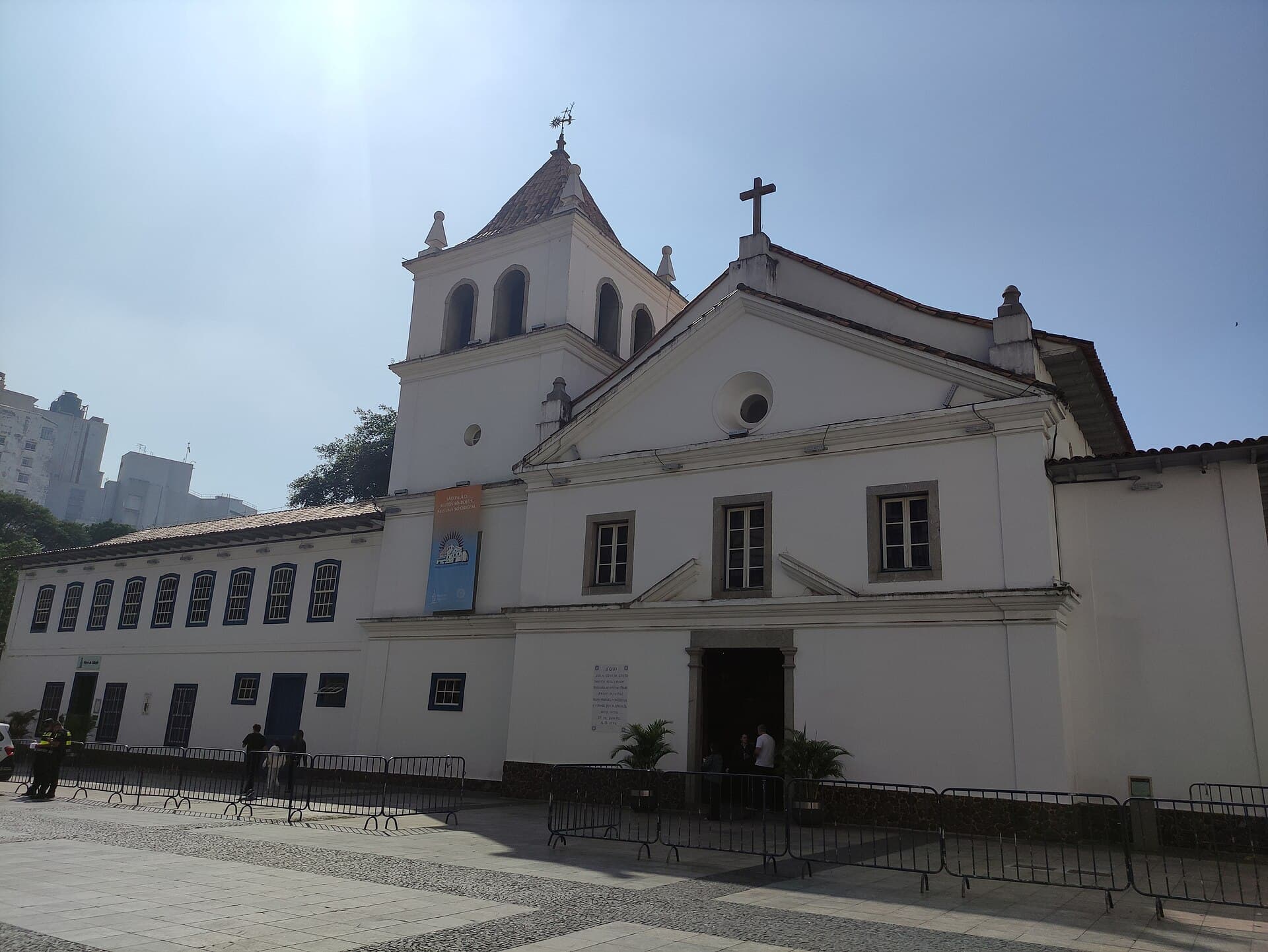 Pateo do CollegioThe Pateo do Collegio marks the spot where São Paulo was founded: here, on 25 Ja5 minutes walk4.4
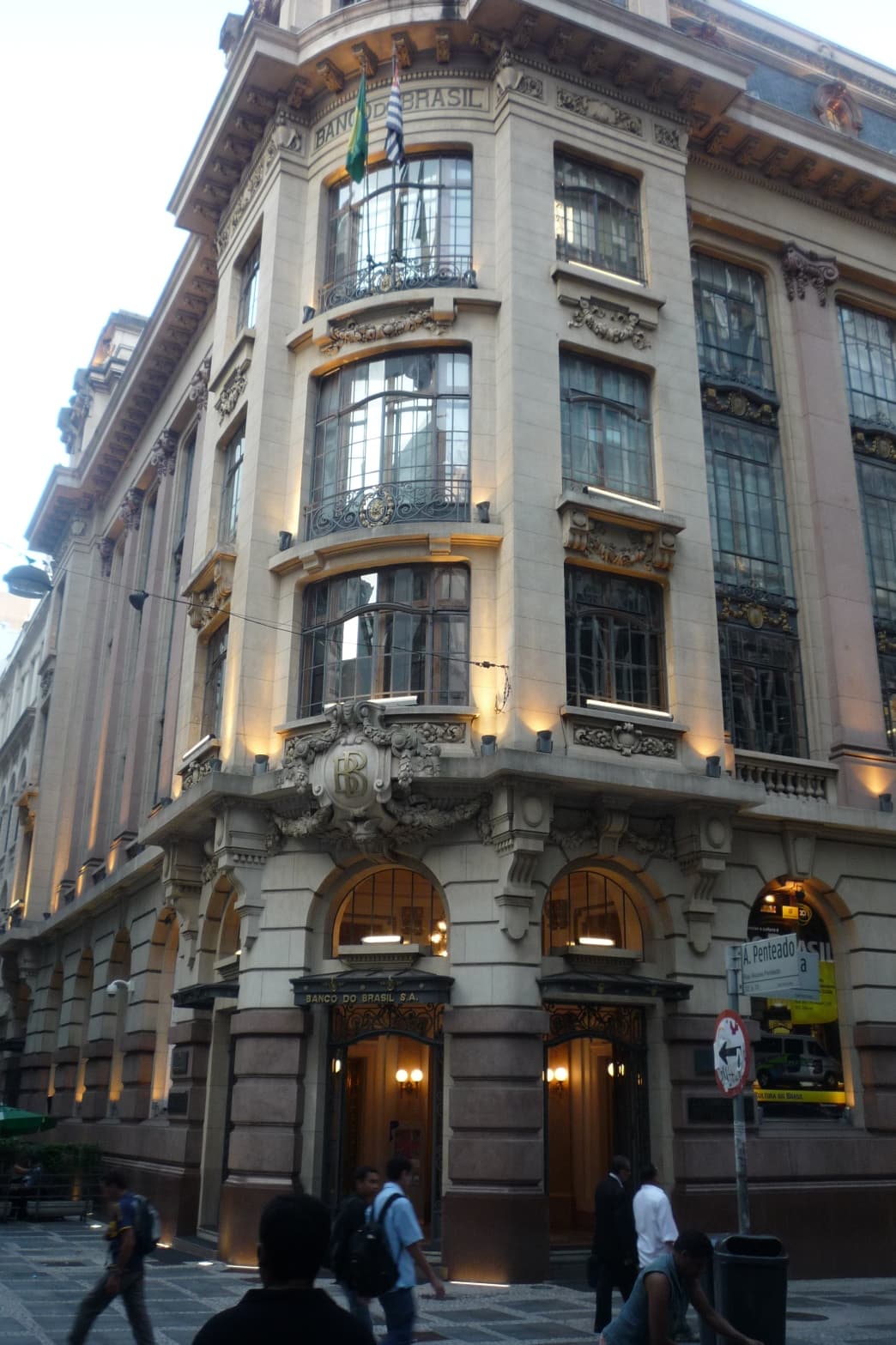 CCBB São Paulo (Banco do Brasil Cultural Centre)On a narrow pedestrian street in São Paulo's historic centre stands a building o6 minutes walk4.7
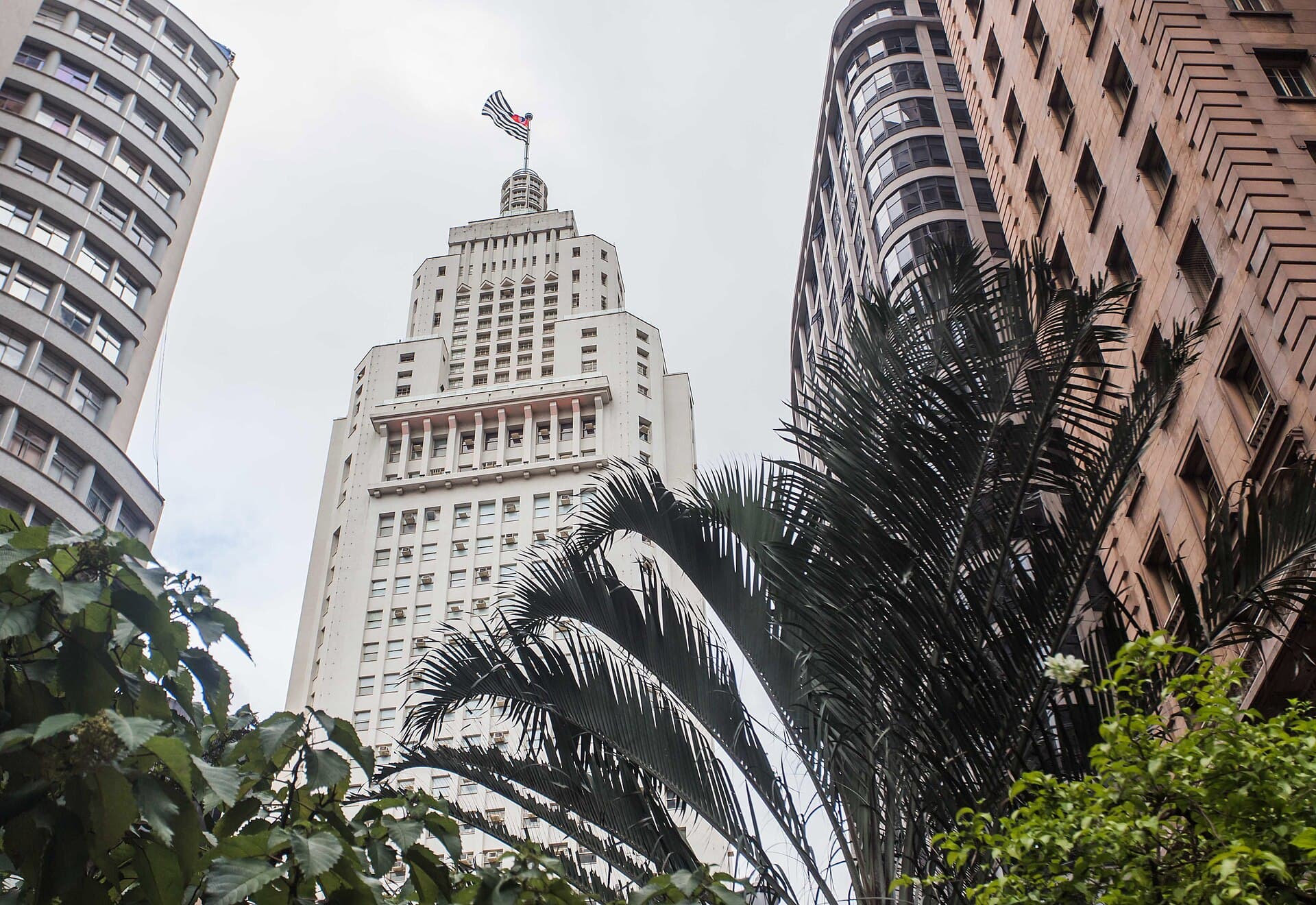 Farol Santander (Altino Arantes Building)Farol Santander is the present name of the Altino Arantes Building, the Art Deco9 minutes walk4.6
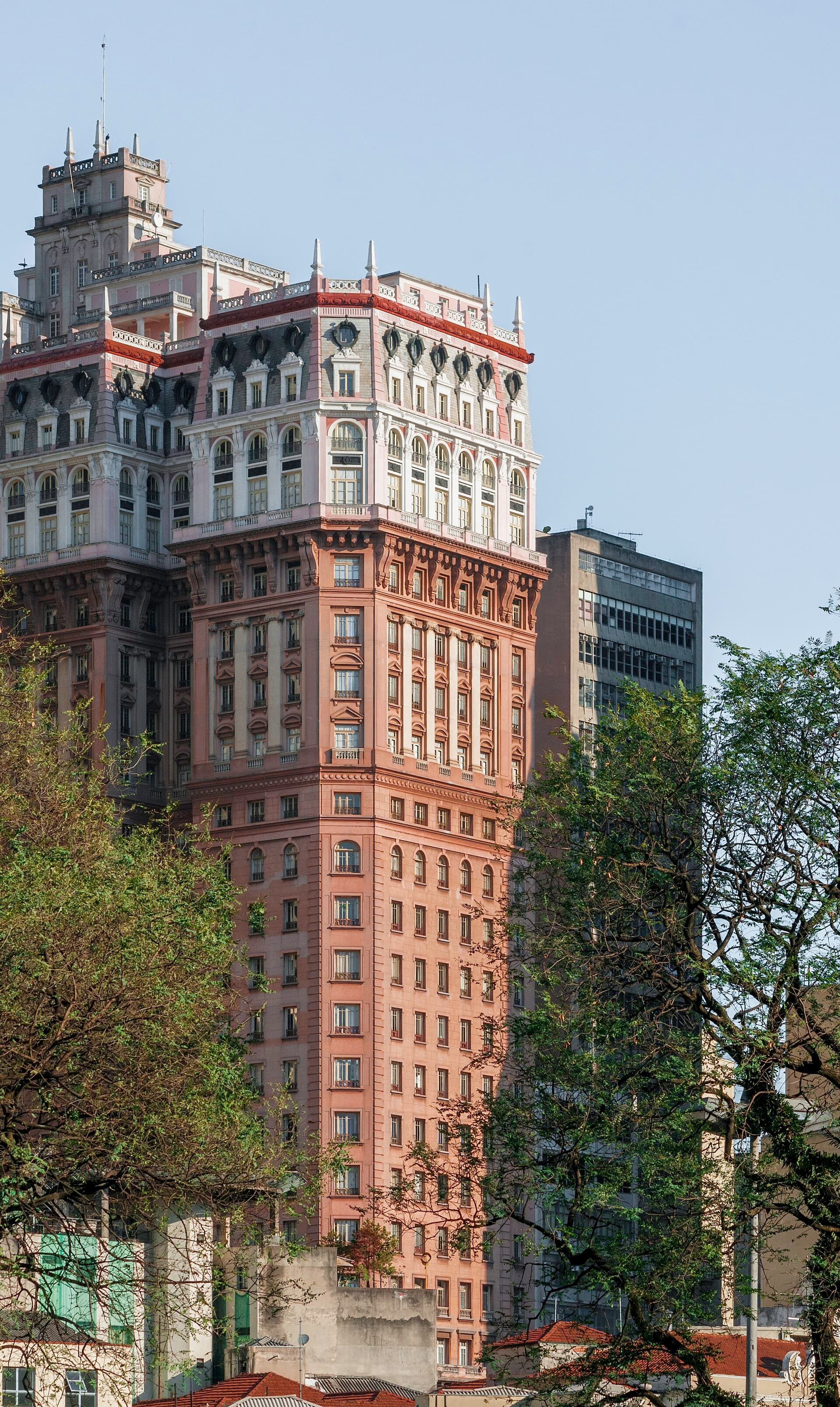 Edifício MartinelliThe Edifício Martinelli was Brazil's first skyscraper, built by the Italian busi9 minutes walk4.4
The office of Ramos de Azevedo, commissioned in 1911, drawing on the Palace of Justice in Rome.