
The covered market
Cheese, honey and pickles from Transylvanian villages.
Wikizoli — CC BY-SA 4.0 · Wikizoli — CC BY-SA 4.0 · FOTO:Fortepan — ID 95251: Adományozó/Donor: Magyar Földrajzi Múzeum / Kerekes J. Zoltán. archive copy at the Wayback Machine — Public domain · Leontin l — CC BY-SA 4.0
Piața Mihai Viteazul is Cluj's second great square, north of the historic centre and five minutes' walk from Union Square — and it is the square the city's own people use more than visitors do. It was originally Széchenyi Square, after István Széchenyi, and now carries the name of Michael the Brave — the prince who united the three Romanian principalities for a few months in 1600, and whose large equestrian statue stands at its centre. What earns it your time is the **covered market** along one side: a fresh-produce hall where farmers from the surrounding villages sell cheese, honey, vegetables, fruit and pickles at real rather than tourist prices, and the best place in Cluj to see ordinary life and taste Transylvanian cheese. Around the square are eclectic buildings of the early twentieth century, and cafés. **Free and always open.**
Cheese, honey and pickles from Transylvanian villages.
Michael the Brave at the centre of the square.
Piața Mihai Viteazul, Cluj-Napoca
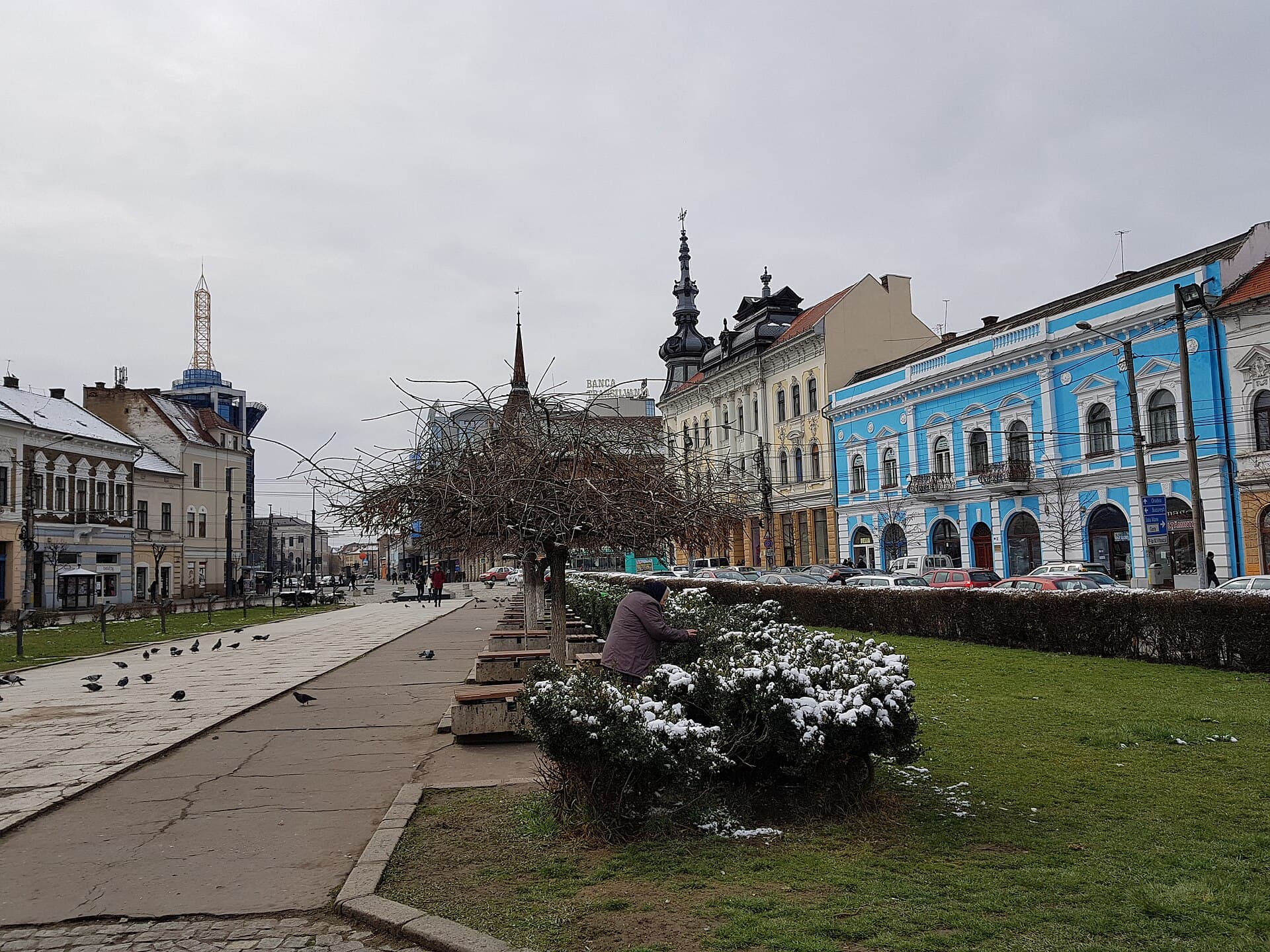 The Babos PalaceAn early twentieth-century residential and commercial building in Cluj-Napoca, b1 minute walk4.5
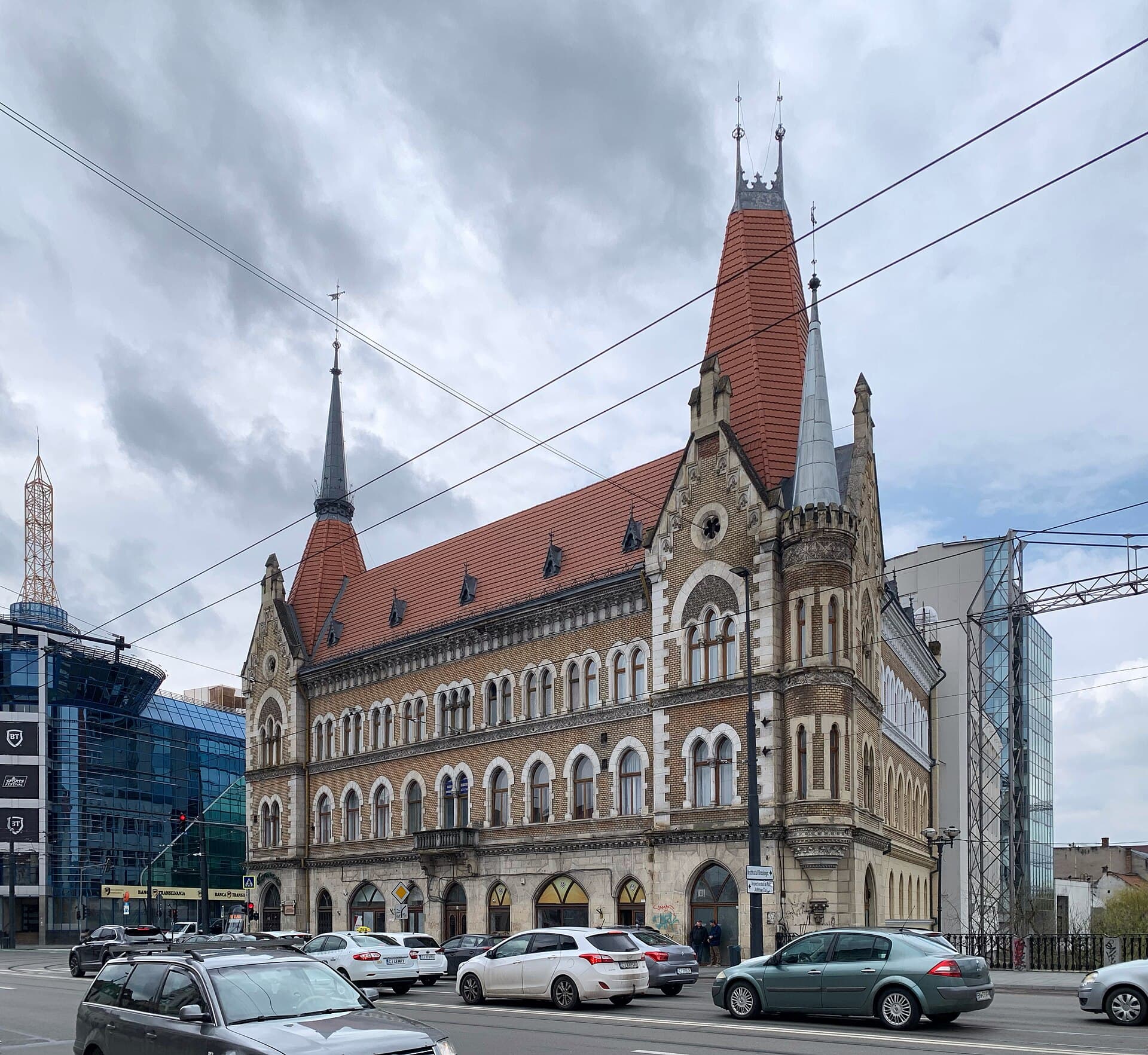 The Széki PalaceAn early twentieth-century town palace on Horea street in Cluj-Napoca, regarded 1 minute walk4.7
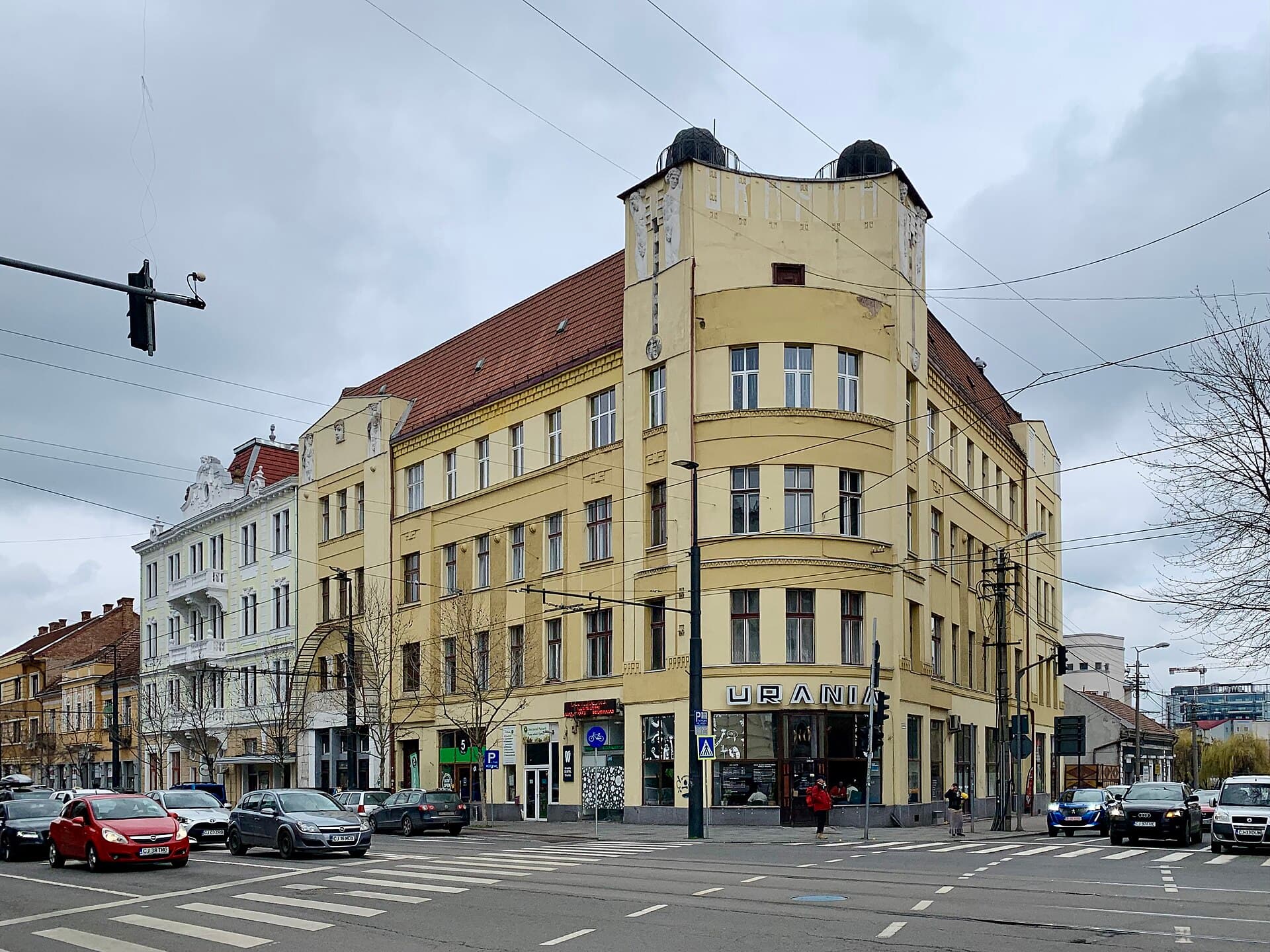 Urania PalaceAn early twentieth-century building in central Cluj-Napoca, raised to house one 2 minutes walk4.5
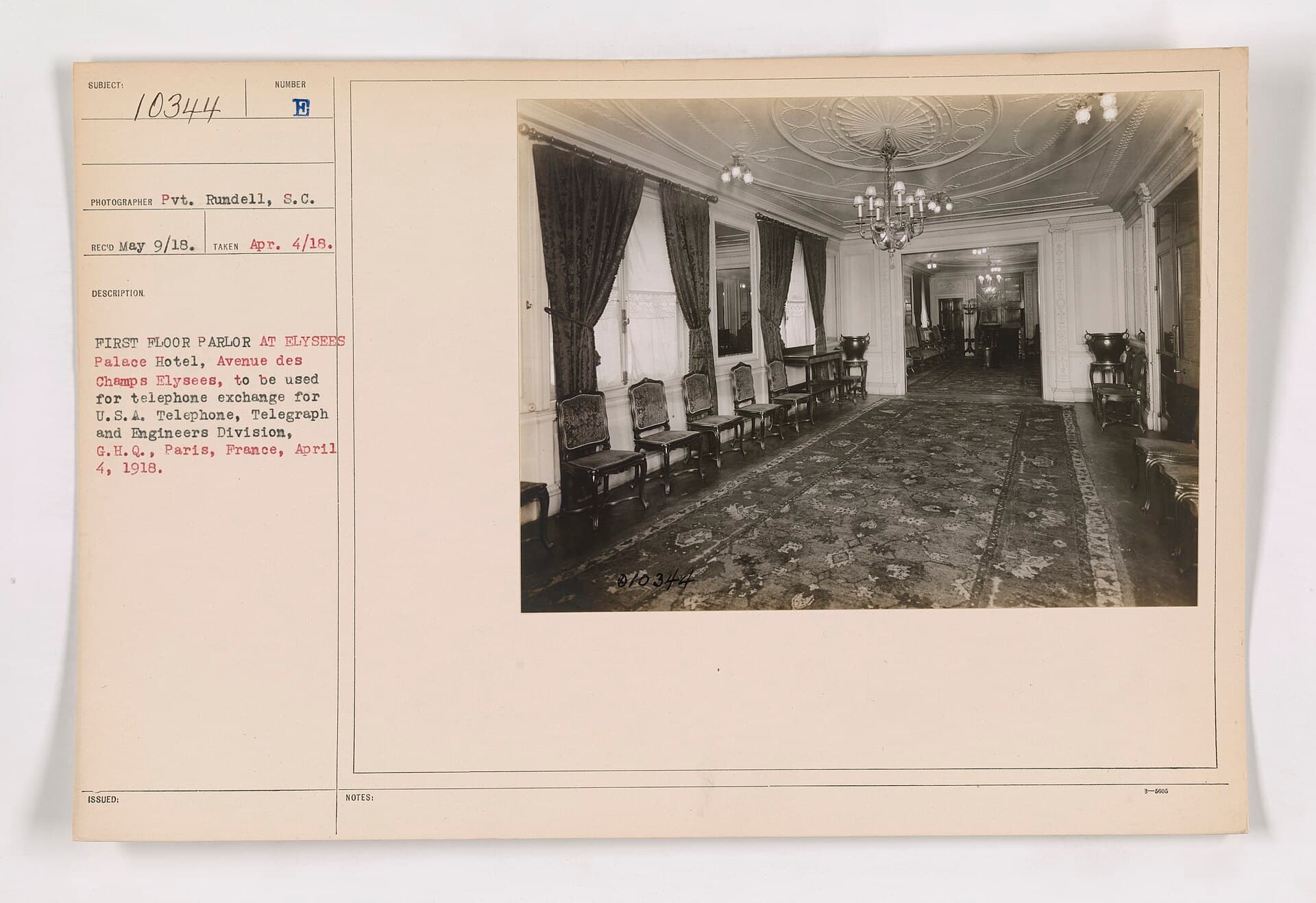 The Telephone PalaceA massive concrete building in central Cluj-Napoca, among the clearest examples 2 minutes walk4.9
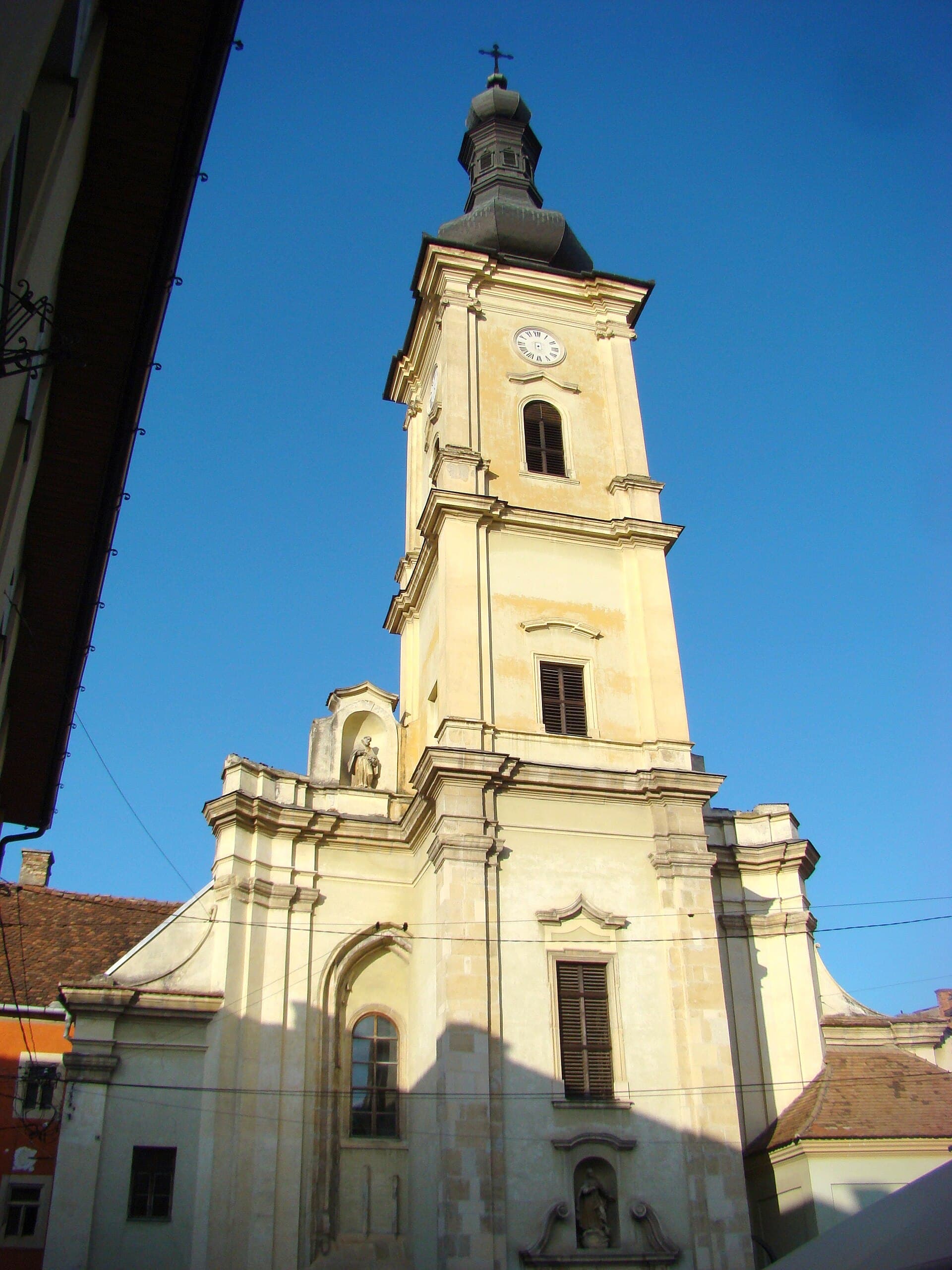 The Franciscan Church of ClujA church and monastery on Museum Square in the heart of Cluj's old town, the sit3 minutes walk4.9
**Sarmale**, cabbage rolls stuffed with rice and meat, served with mămăligă, the cornmeal porridge that takes the place of bread. **Mici**, seasoned grilled meat fingers, the basic Romanian street food. **Ciorbă**, a sour soup, best known in the tripe version. And for dessert papanași, fried cheese dough with soured cream and berry jam. **The important caution**: pork is in most traditional dishes including sarmale, soups and sausages, and many soups are made with pork stock even when they contain no visible pork. Always ask; in traditional restaurants the safest choices are the fish, chicken or vegetable dishes.