
The Russian icon schools
Novgorod, Moscow and Stroganov from the thirteenth century on.
sailko — CC BY-SA 3.0 · Michele Marieschi — CC BY-SA 4.0 · Hendrik Frans van Lint — CC BY-SA 4.0 · Canaletto — CC BY-SA 4.0
A late seventeenth-century baroque palace in Vicenza holding three art collections unexpected in a city of this size. The first: more than four hundred Russian icons, among the most important collections outside Russia. They run from the thirteenth to the nineteenth century and set out the development of the Russian icon schools — Novgorod, Moscow and Stroganov. The second: fourteen works by Pietro Longhi, the eighteenth-century Venetian painter who recorded the daily life of the aristocracy with a light irony — salons, dancing lessons, visits and coffee houses. The third: Venetian ceramics and other paintings. The palace itself is richly decorated: painted ceilings, carved stucco and complete baroque halls. It is run by an Italian bank within its Gallerie d'Italia cultural network, and entry is ticketed and sometimes free on certain days.
Novgorod, Moscow and Stroganov from the thirteenth century on.
Venetian aristocratic daily life with a light irony.
Painted ceilings and carved stucco in the palace itself.
Contra' Santa Corona, Vicenza
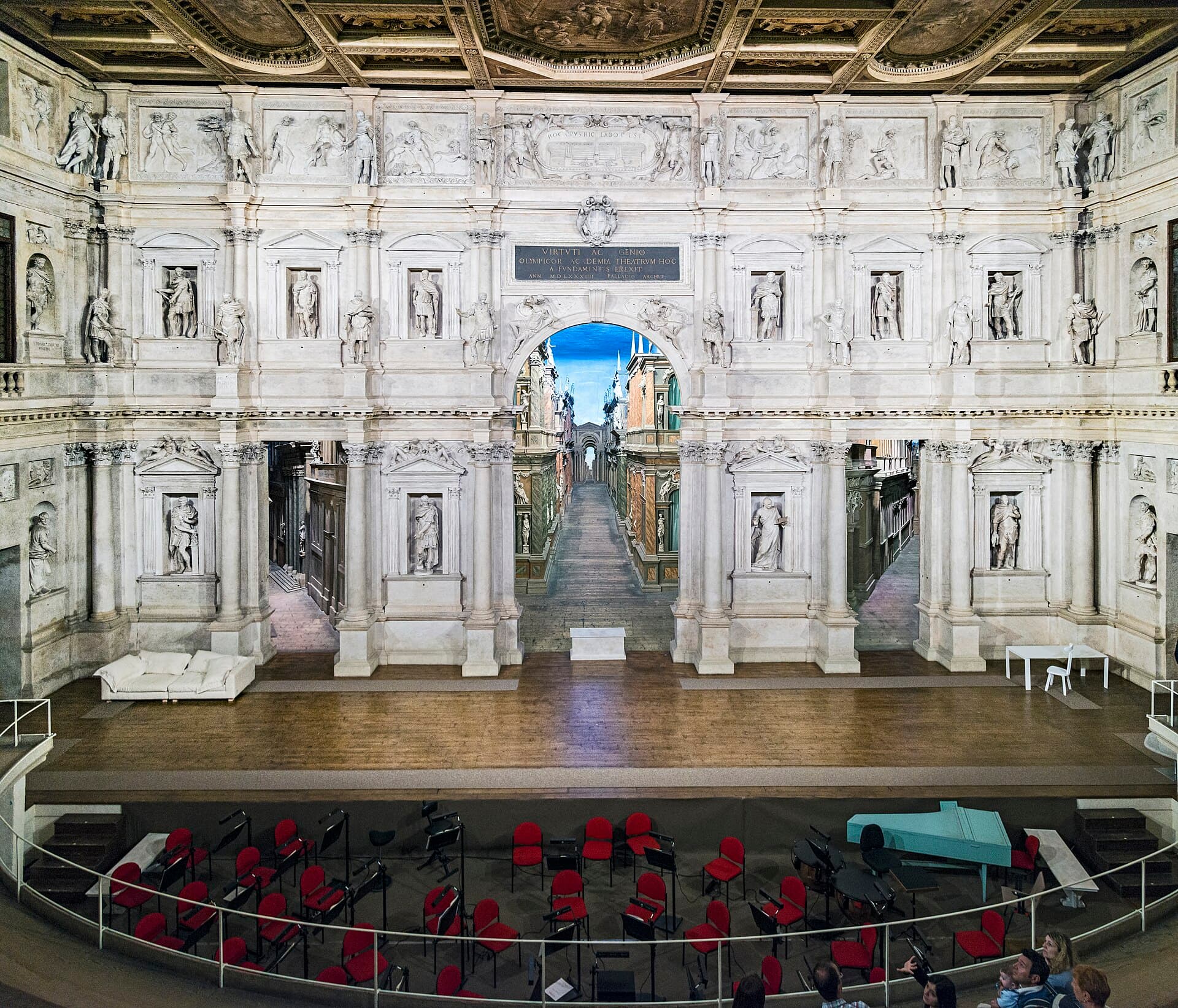 The Teatro Olimpico**The oldest surviving indoor theatre in the world — its wooden stage set a four2 minutes walk4.7
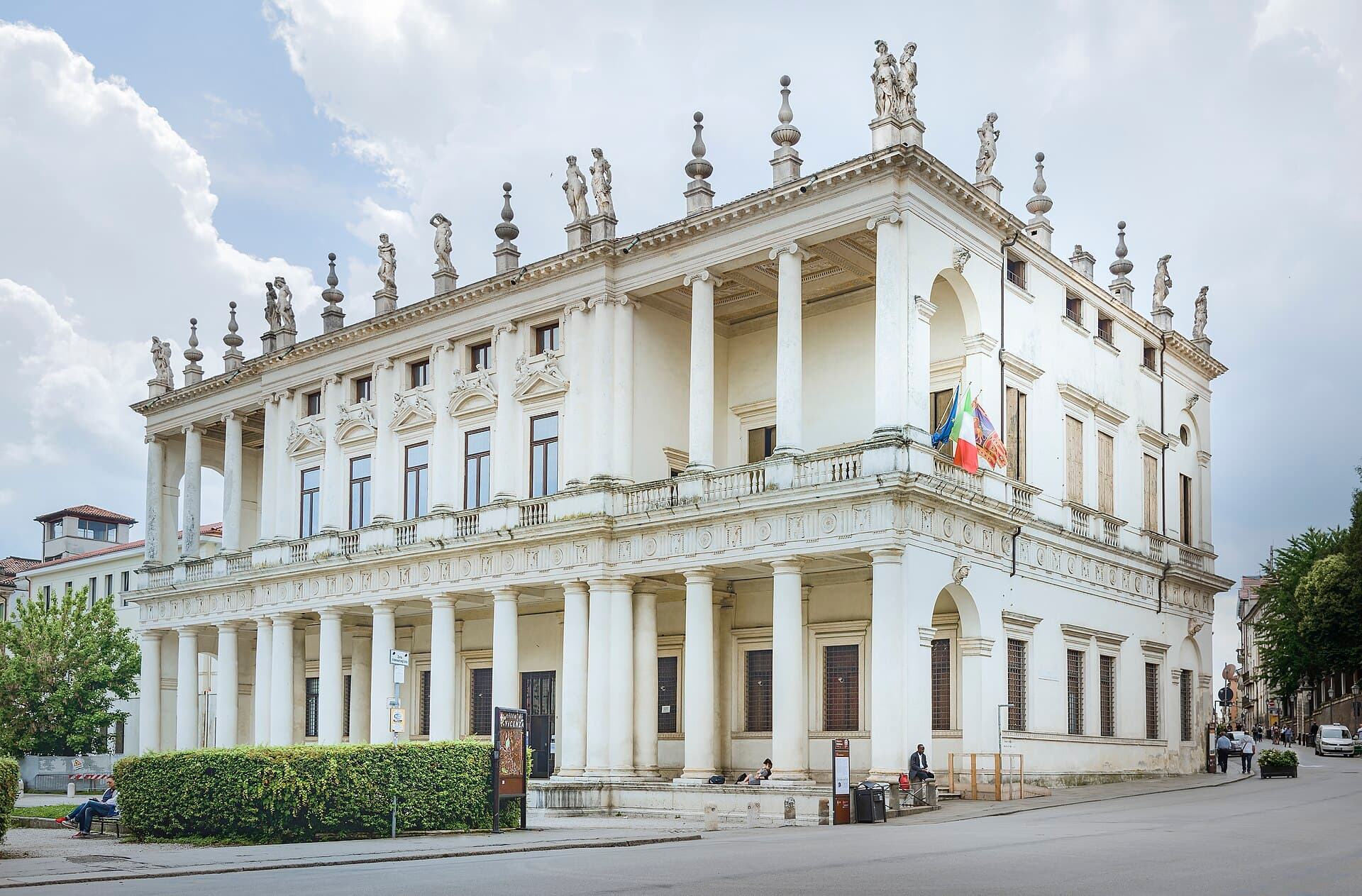 The Palazzo ChiericatiA palace designed by Andrea Palladio in 1550 in Vicenza, today holding the city'3 minutes walk4.6
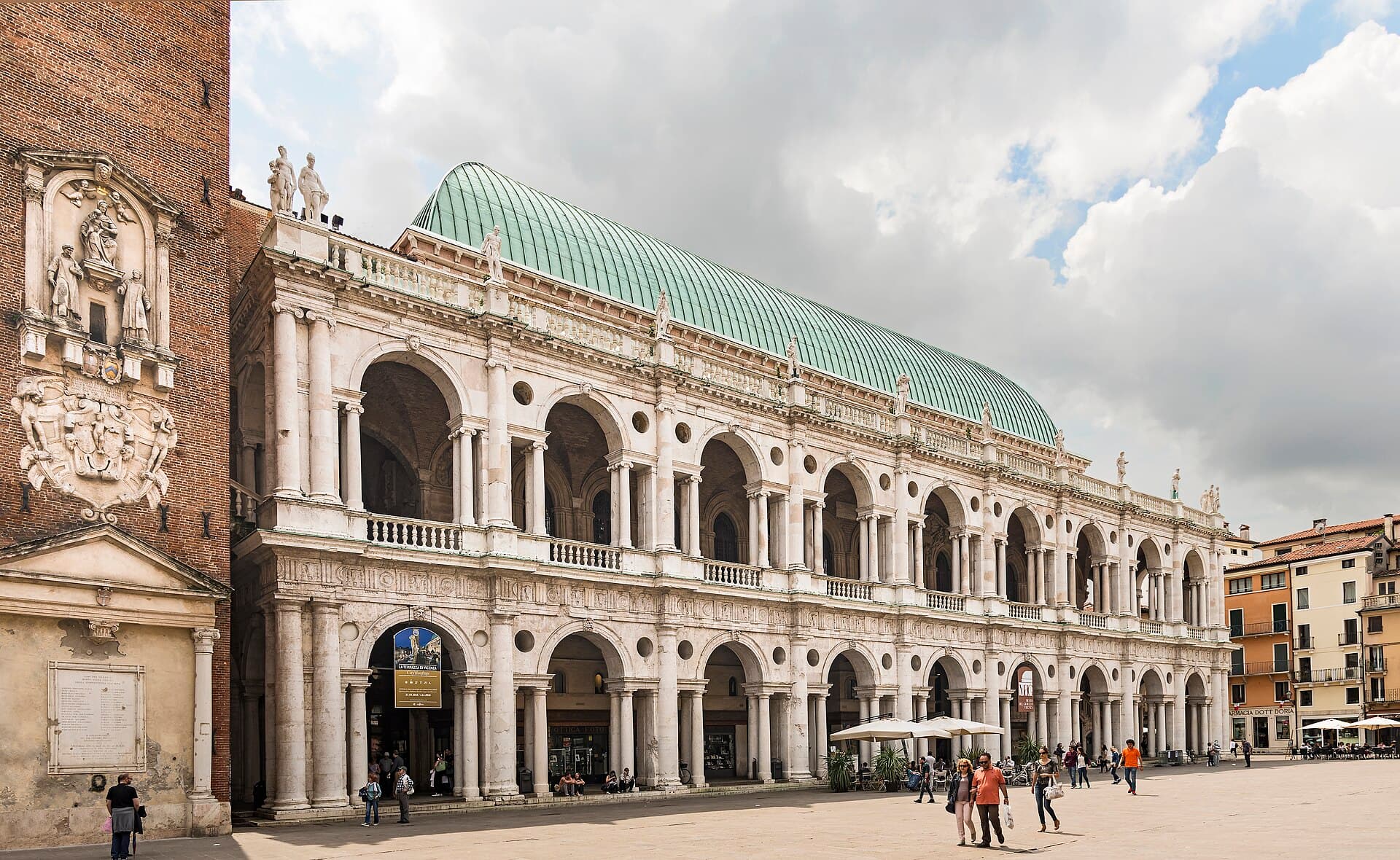 The Basilica Palladiana**A medieval town hall that was collapsing, which Palladio wrapped in a shell of5 minutes walk4.8
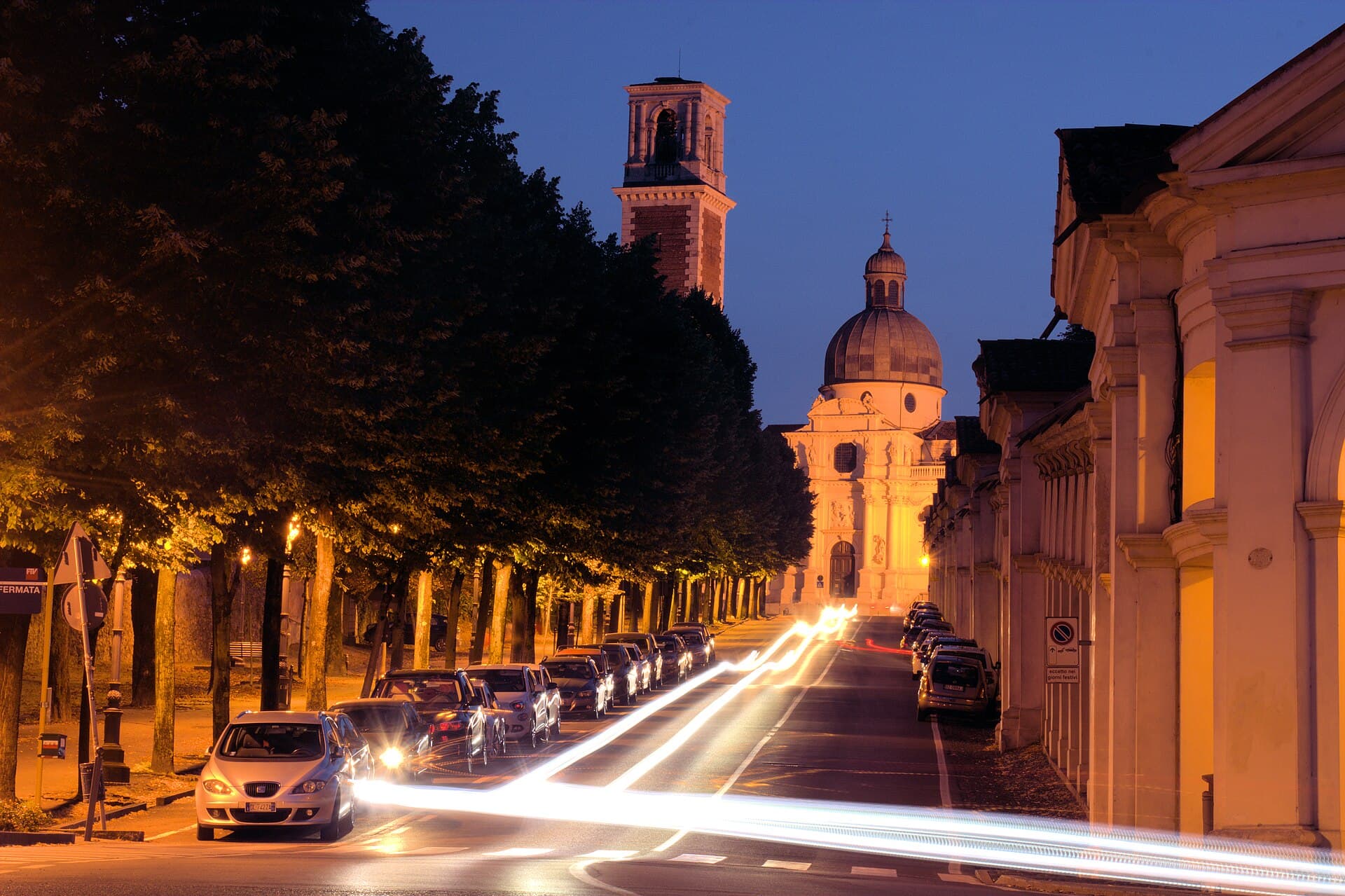 Sanctuary of Monte Berico**A pilgrimage church on a hilltop reached by a roofed arcade of a hundred and f21 minutes walk4.6
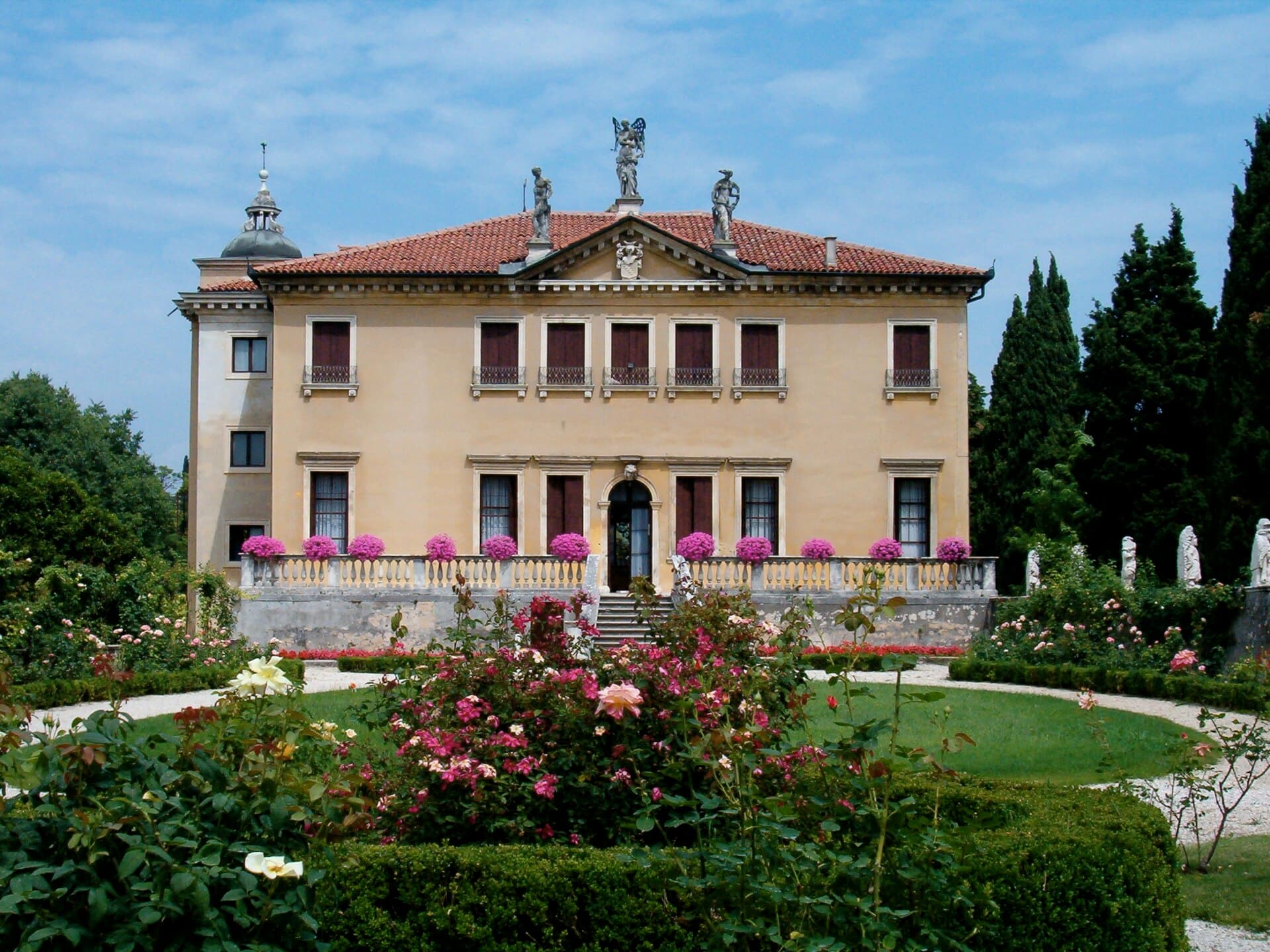 Villa Valmarana ai Nani**A villa frescoed throughout by Tiepolo father and son in a single summer — wit23 minutes walk4.4
Because an Italian bank bought the collection and placed it in its historic palace in the city. Russian icons reached the western market in quantity in the twentieth century — after the Bolshevik revolution many church and private holdings were sold abroad to raise hard currency, and important European and American collections formed as a result. The location therefore has nothing to do with the city's history and everything to do with a modern institutional decision.
A religious image painted on a wooden panel according to strict inherited rules rather than the painter's imagination. Poses, colours and symbols are theologically fixed, and the painter is sometimes called a writer of icons rather than a painter, because he transmits a tradition rather than inventing. The gold ground represents divine light rather than a place, and the perspective is deliberately reversed — the lines converge towards the viewer rather than away. This is what makes icons look unrealistic to an eye trained on western art.