
Steel canopy
Paulo Mendes da Rocha.
Eli Kazuyuki Hayasaka from São Paulo, Brazil — CC BY-SA 2.0 · LiaC — CC BY-SA 3.0 · Dornicke — CC BY-SA 4.0 · Zé Carlos Barretta from São Paulo, Brasil — CC BY 2.0 · Gustavo antonio iervolino penteado siciliano — CC BY-SA 4.0
Praça do Patriarca is a square in São Paulo's historic centre, opened without a name in the 1910s; in 1922, the centenary of independence, it was named after the «Patriarch» José Bonifácio, the father of Brazilian independence, and the name was shortened in the 1950s. The square grew out of the expansion of the city centre across the Anhangabaú Valley from the «Historic Triangle», when the early-20th-century elite set out to modernise the city on the model of European capitals, with new buildings and roads such as the Santa Ifigênia Viaduct and the Theatro Municipal, and a rebuilt Viaduto do Chá. Today it links the Viaduto do Chá, the Anhangabaú Valley and Rua Líbero Badaró, Direita, São Bento and 15 de Novembro. It is flanked by historic buildings such as the Barão de Iguape and Sampaio Moreira buildings, and a modern steel canopy by the architect Paulo Mendes da Rocha shelters the entrance to the underpass. It makes a stop on a walk between Praça da Sé, the Viaduto do Chá and the Theatro Municipal; cross it by day.
Paulo Mendes da Rocha.
A few steps away.
Around the square.
Sé district, historic centre, São Paulo
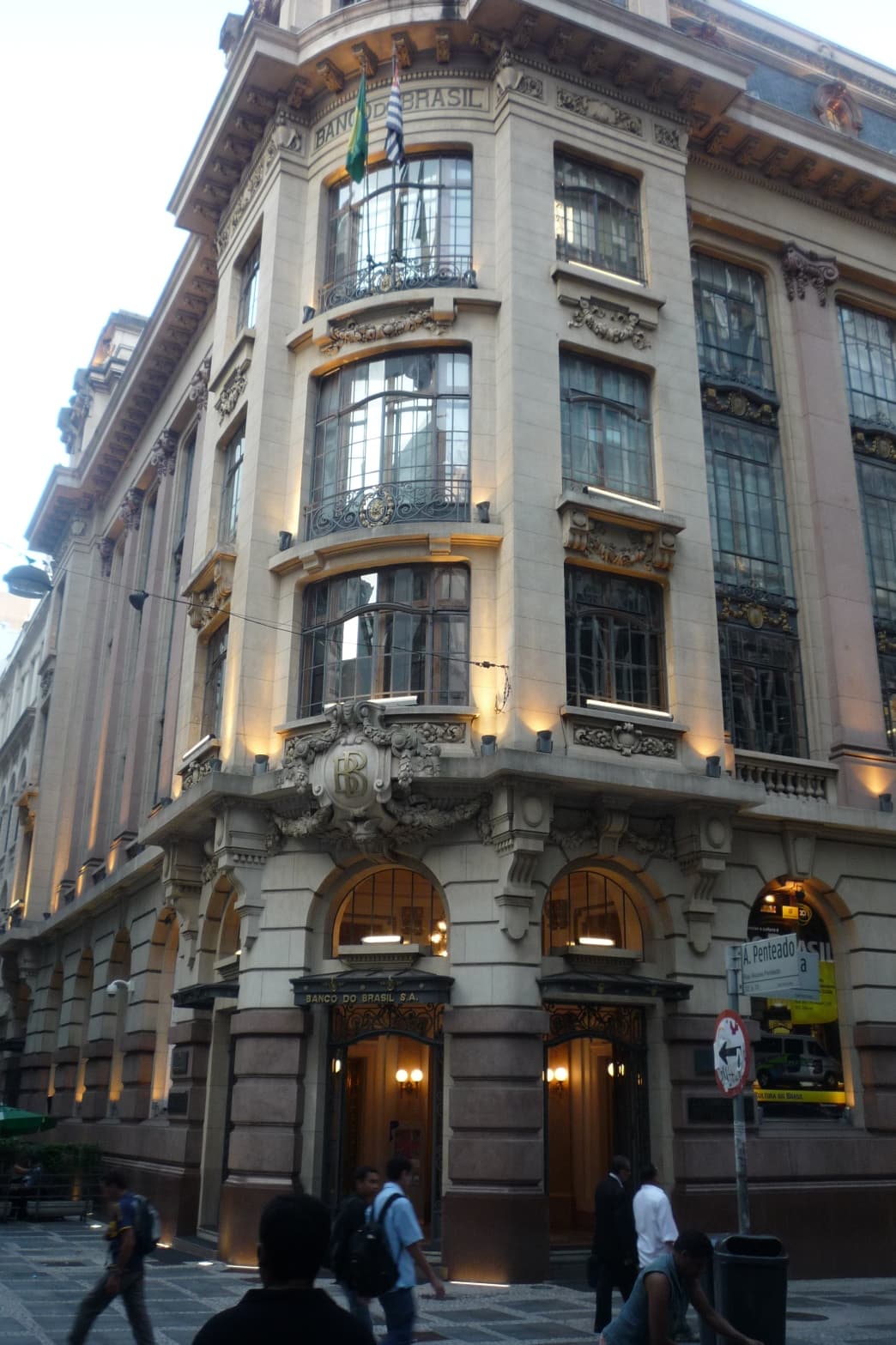 CCBB São Paulo (Banco do Brasil Cultural Centre)On a narrow pedestrian street in São Paulo's historic centre stands a building o2 minutes walk4.7
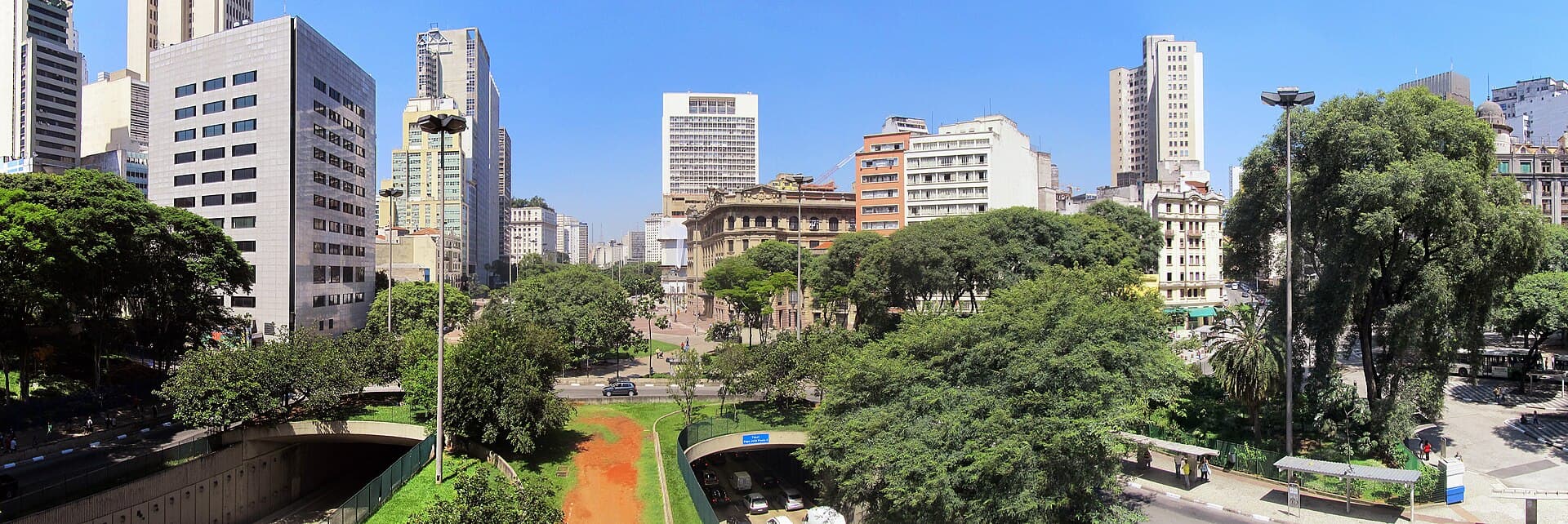 Vale do AnhangabaúThe Anhangabaú Valley is a wide open space at the heart of historic São Paulo, c4 minutes walk4.5
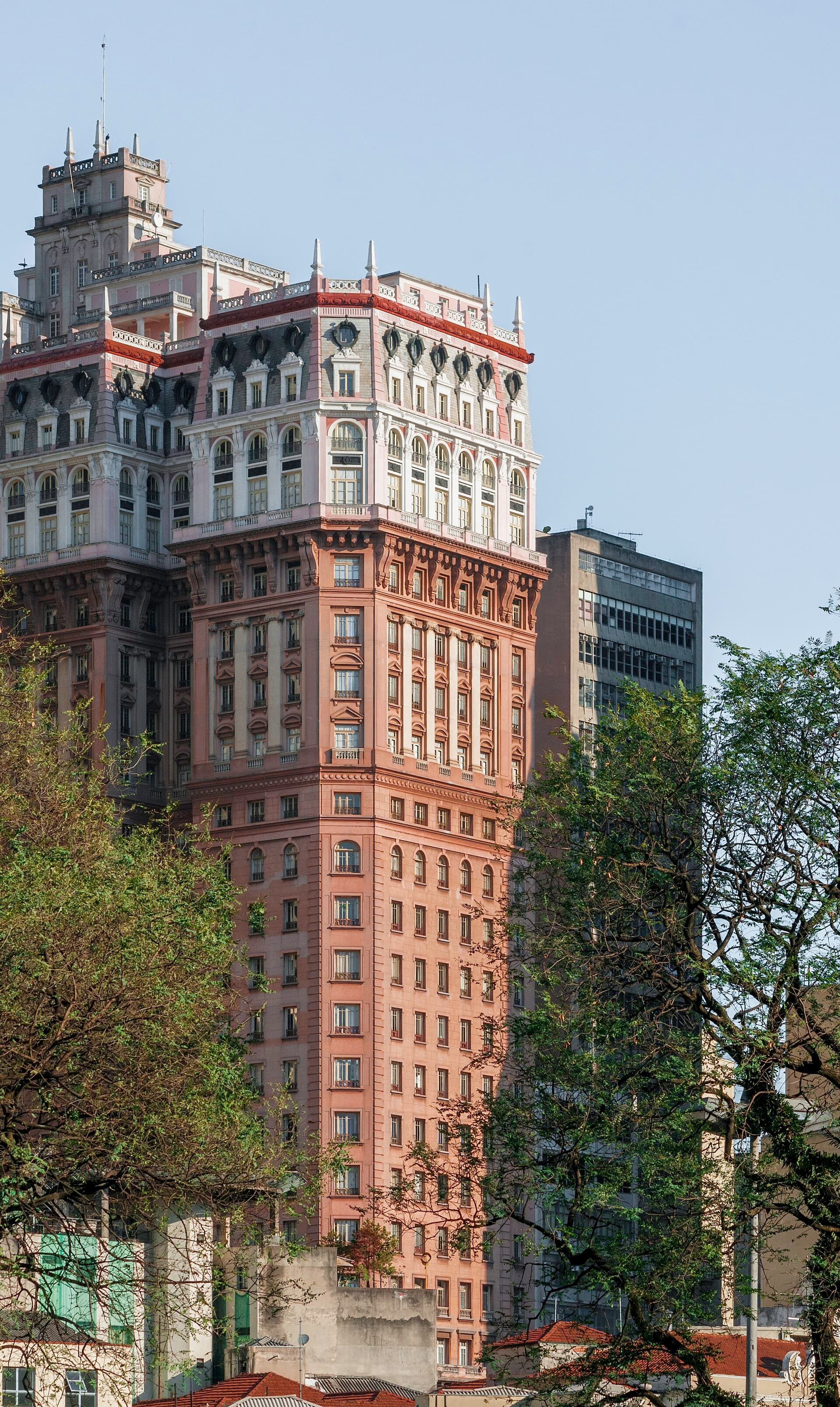 Edifício MartinelliThe Edifício Martinelli was Brazil's first skyscraper, built by the Italian busi4 minutes walk4.4
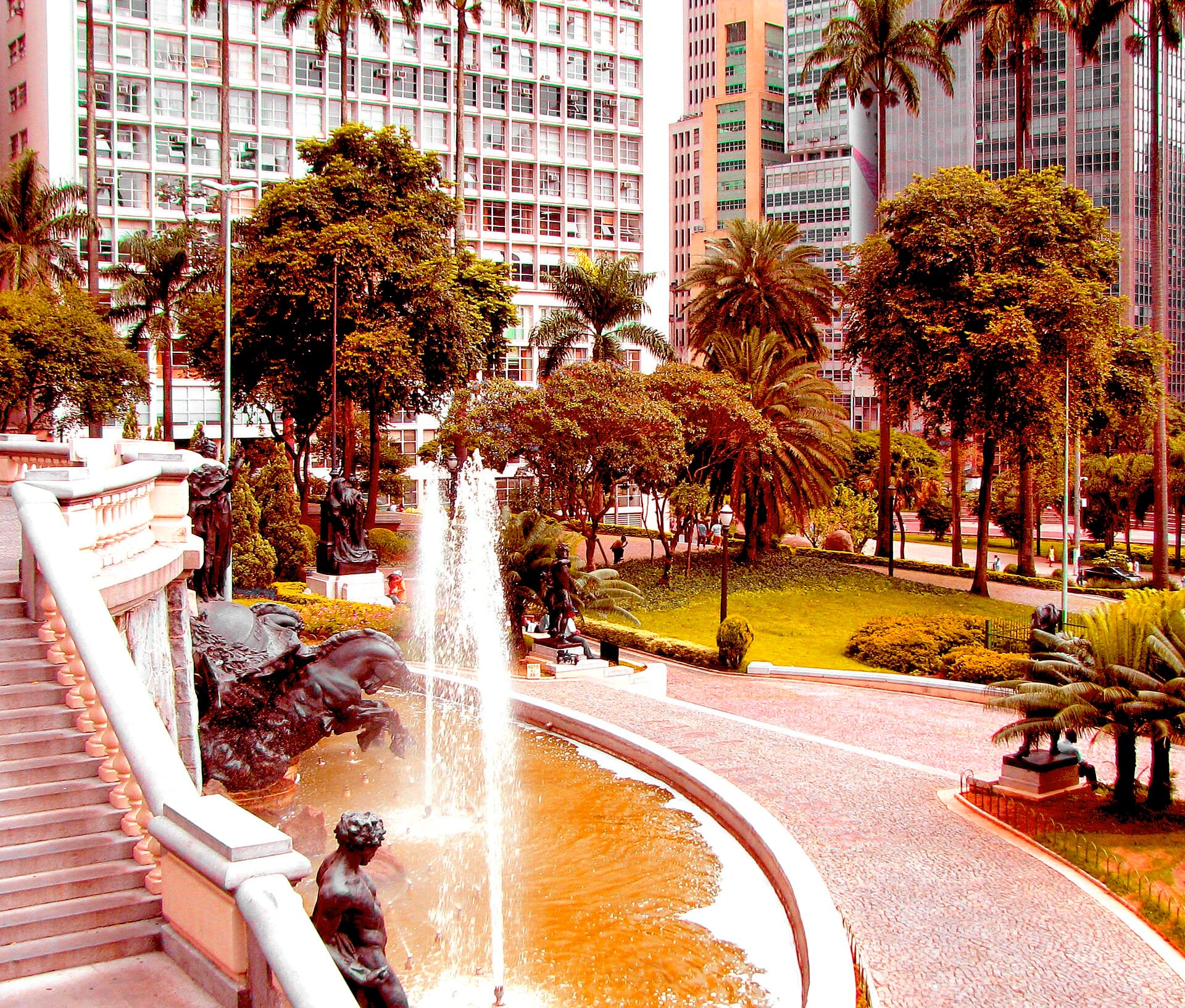 Praça Ramos de AzevedoPraça Ramos de Azevedo is a square in the República district of central São Paul4 minutes walk
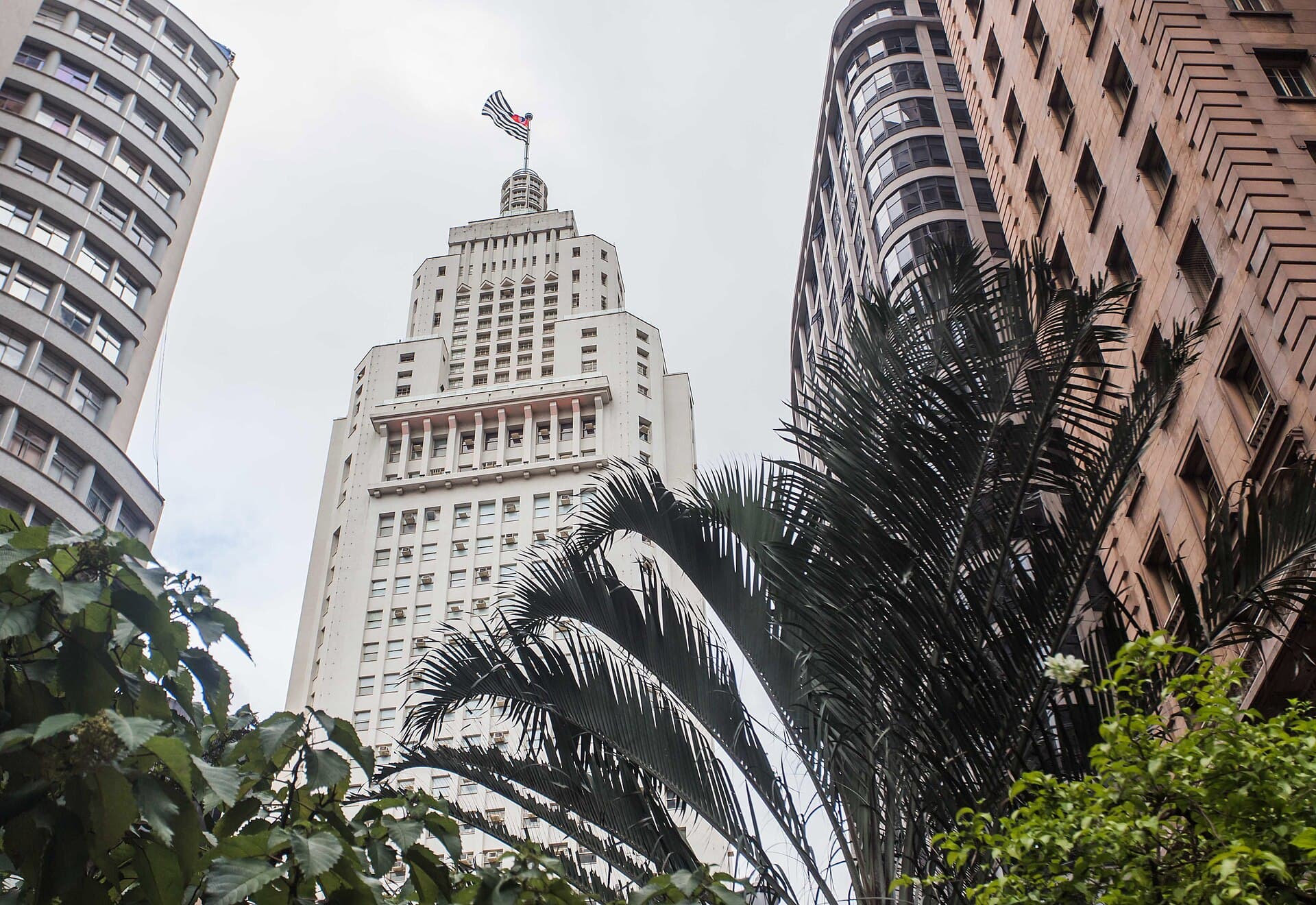 Farol Santander (Altino Arantes Building)Farol Santander is the present name of the Altino Arantes Building, the Art Deco4 minutes walk4.6
José Bonifácio, the father of Brazilian independence; it took his name in 1922.