
A plot without sun
Narrow and hemmed in — the entire facade is the answer.
A house in central Utrecht whose entire front is thick glass, designed by the architect Mart van Schijndel for himself and completed in 1992. The problem it solves is what makes it interesting. The plot is narrow, hemmed in by buildings on both sides and reached by almost no direct sun, a common situation in old Dutch cities. The usual answer is bigger windows; Van Schijndel's was to make the whole facade of thick glass blocks that carry light without being transparent, lighting the interior and screening it from view at the same time. Glass block is a material normally used in factories and bathrooms — places that need light rather than a view. Using it for the entire front of a house was an unusual decision, and the building became a reference taught in schools of architecture. It is a model of a wider Dutch tradition: architecture as the solution to a problem of space, light or water rather than as decoration. Land here has been scarce and valuable for centuries, and that shapes architectural thinking to this day. A plain practical point: the house is private and not visitable inside. The visit is minutes in front of the facade, and it is finest after dark when the interior lights the glass from behind.
Narrow and hemmed in — the entire facade is the answer.
Glass block is normally used where light is wanted and a view is not.
A Dutch tradition: solve space, light and water rather than decorate.
Central Utrecht, near Domplein
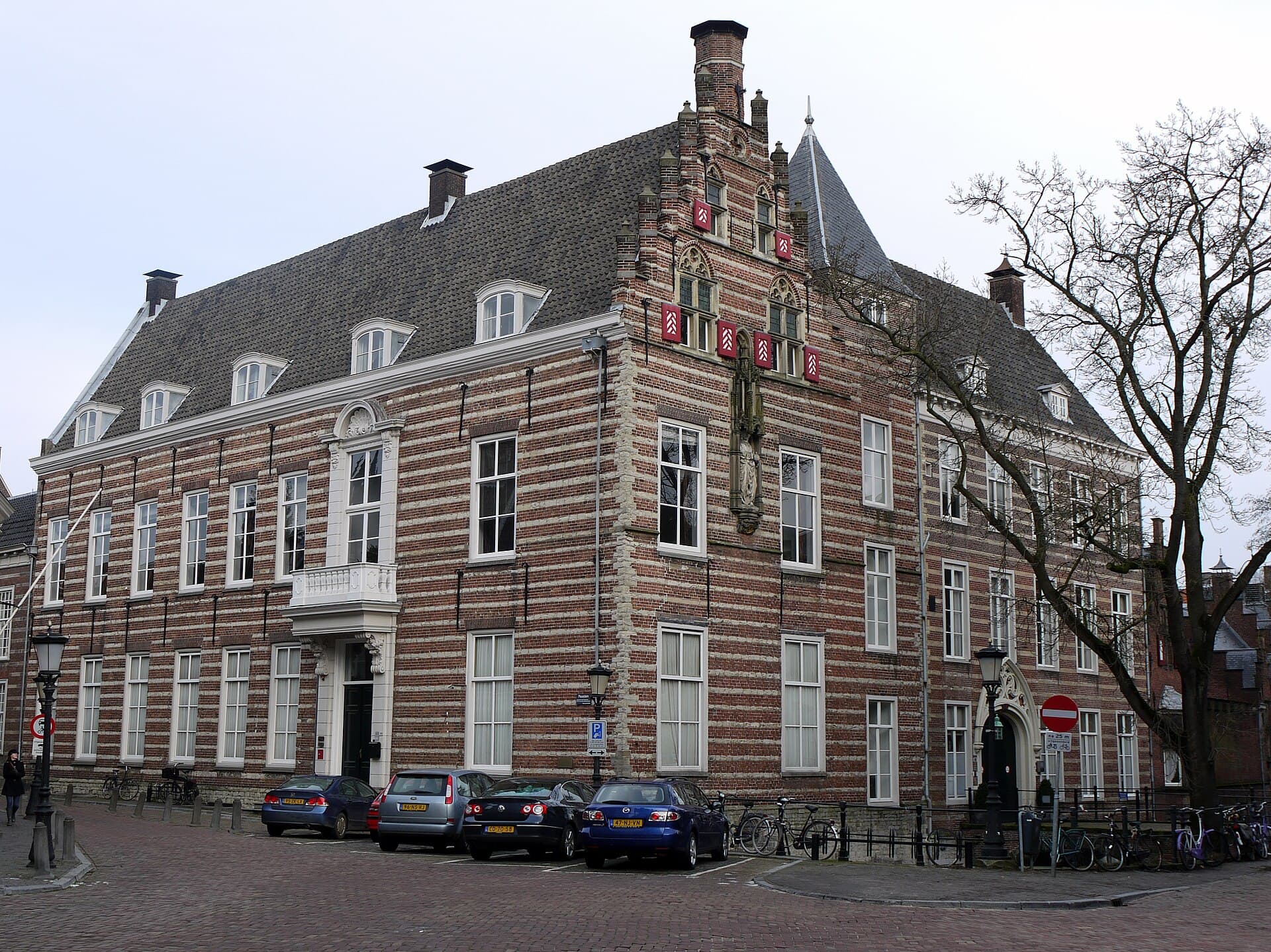 The Pope's HouseThe Paushuize, the Pope's House, is a town palace of 1517 in central Utrecht, bu2 minutes walk4.3
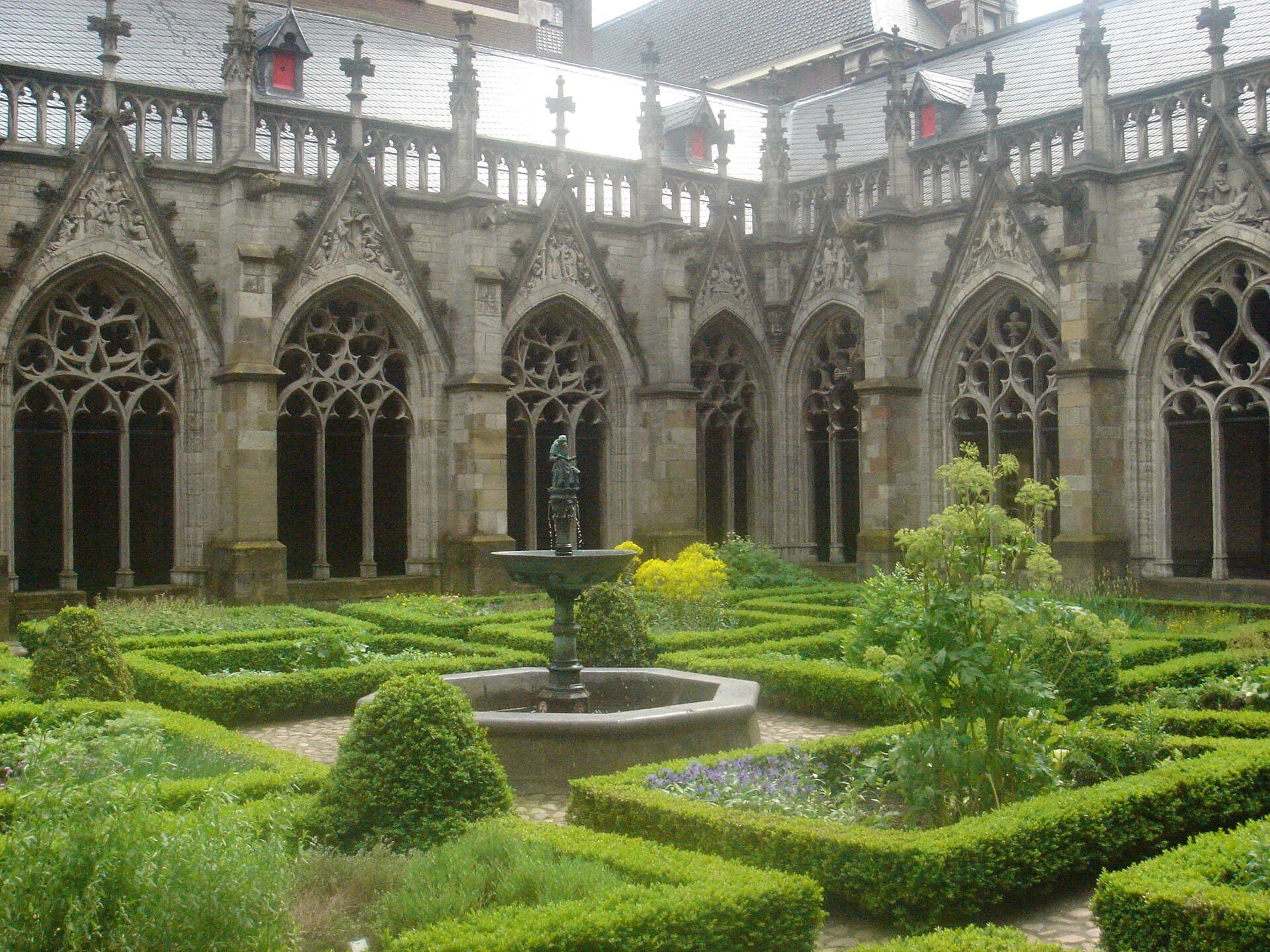 Pandhof GardenThe Pandhof is the Gothic cloister garden adjoining the Dom church — the lovelie2 minutes walk4.8
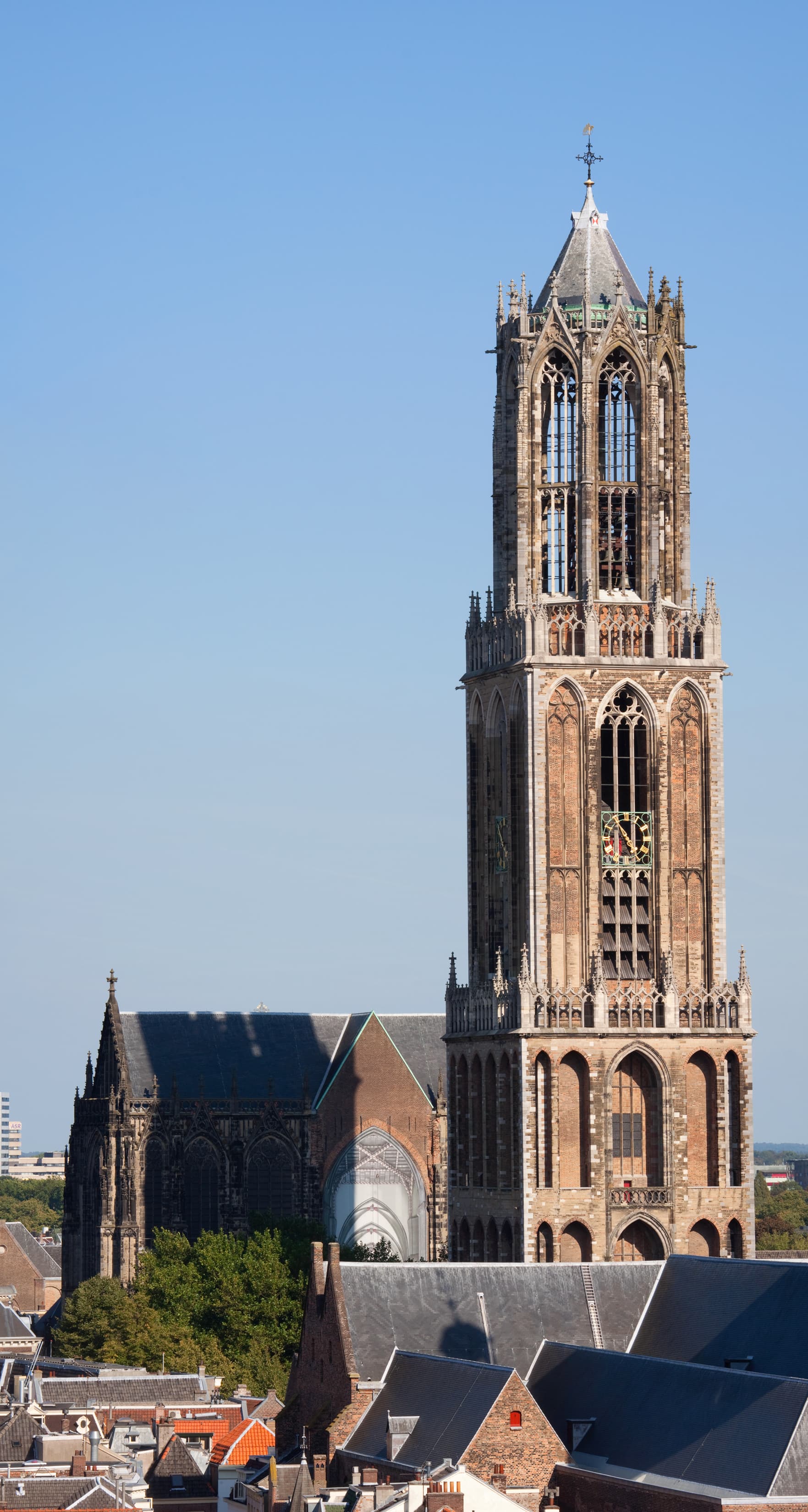 Dom TowerThe Dom Tower is the tallest church tower in the Netherlands (112 metres) and Ut2 minutes walk4.4
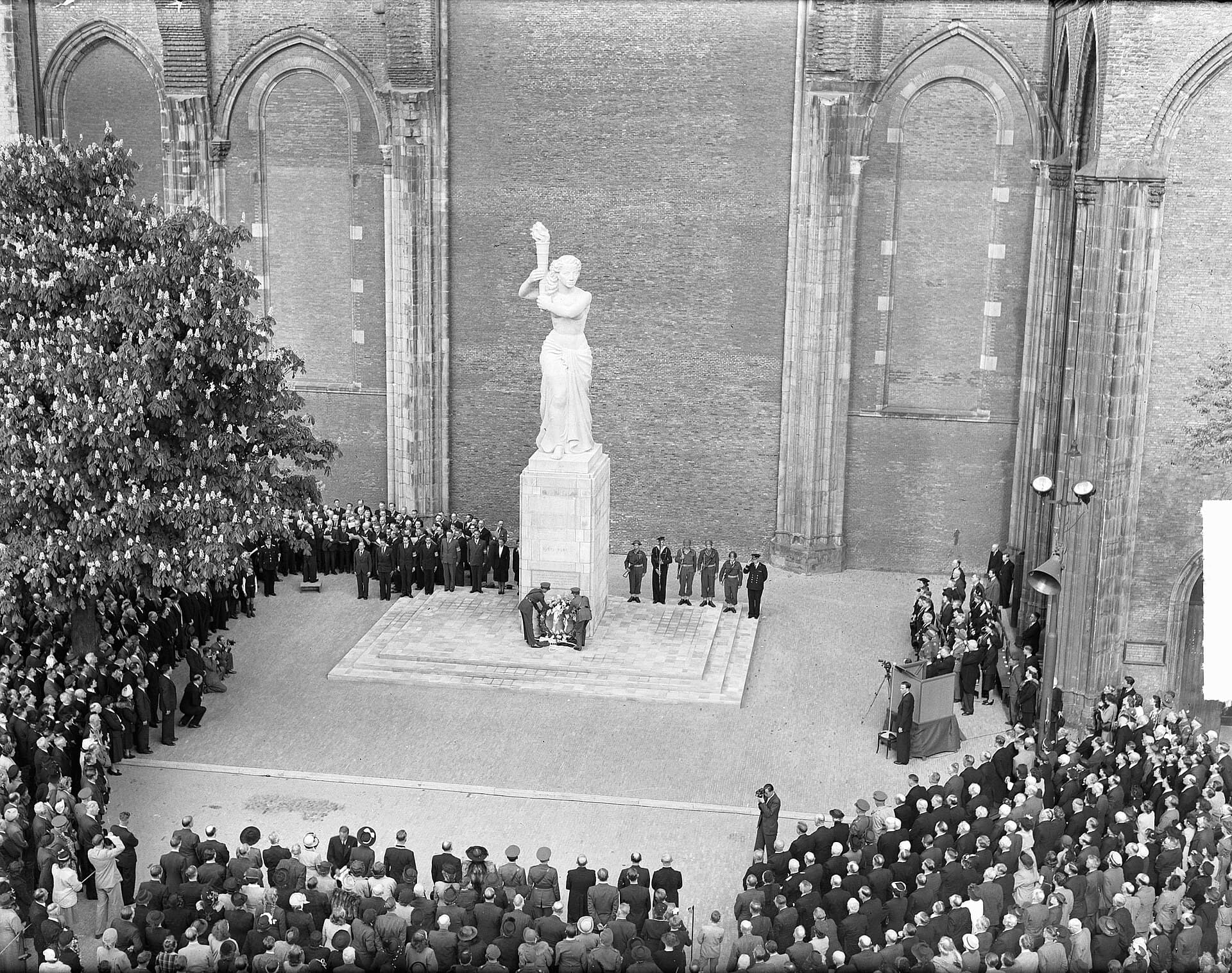 Resistance MonumentA monument to the resistance against Nazi occupation in Utrecht, standing near t3 minutes walk4.6
 DOMunderDOMunder is an archaeological experience beneath Domplein itself: you descend un3 minutes walk4.2
The Rietveld Schröder House is a short distance away, a UNESCO site and among the most important buildings of the twentieth century: sliding internal walls turn the upper floor into one space or several rooms as needed. The same logic applies there — a solution to a small-space problem. Visiting needs advance booking and is by guided tour.
For minutes, while you are in central Utrecht anyway. Do not make a trip of it, but if architecture interests you it is a short stop that explains something about how Dutch cities are built. Pass it in the evening if you can.