
Rock pillar
In the sea.
Rodrigo Soldon from Rio de Janeiro, Brazil — CC BY 2.0 · Rodrigo Soldon from Rio de Janeiro, Brazil — CC BY 2.0 · Rodrigo Soldon from Rio de Janeiro, Brazil — CC BY 2.0 · Mircezar — CC BY-SA 3.0 · Núcleo de digitalização / IMS — Public domain · Núcleo de digitalização / IMS — Public domain
Pedra de Itapuca is a rock formation in the sea between Icaraí beach, in the Icaraí district, and Praia das Flechas, in Ingá, in the city of Niterói. It is one of the city's symbols and appears on its coat of arms, and the state heritage institute listed it in 1985. Its Tupi name means «cleft stone», from itá, stone, and puka, cleft, referring to its old shape: it formed a natural arch joined to the shore until it was blasted in 1840 to lay out the area's streets, breaking the arch and leaving only a rocky pillar in the sea a few metres from land. The water around it is a traditional surf spot in the city, and it makes a photo stop on a walk along the Icaraí seafront, with Guanabara Bay and Rio on the horizon, close to the Pedra do Índio.
In the sea.
Around the rock.
In Niterói.
Between Icaraí and Flechas beaches, Niterói
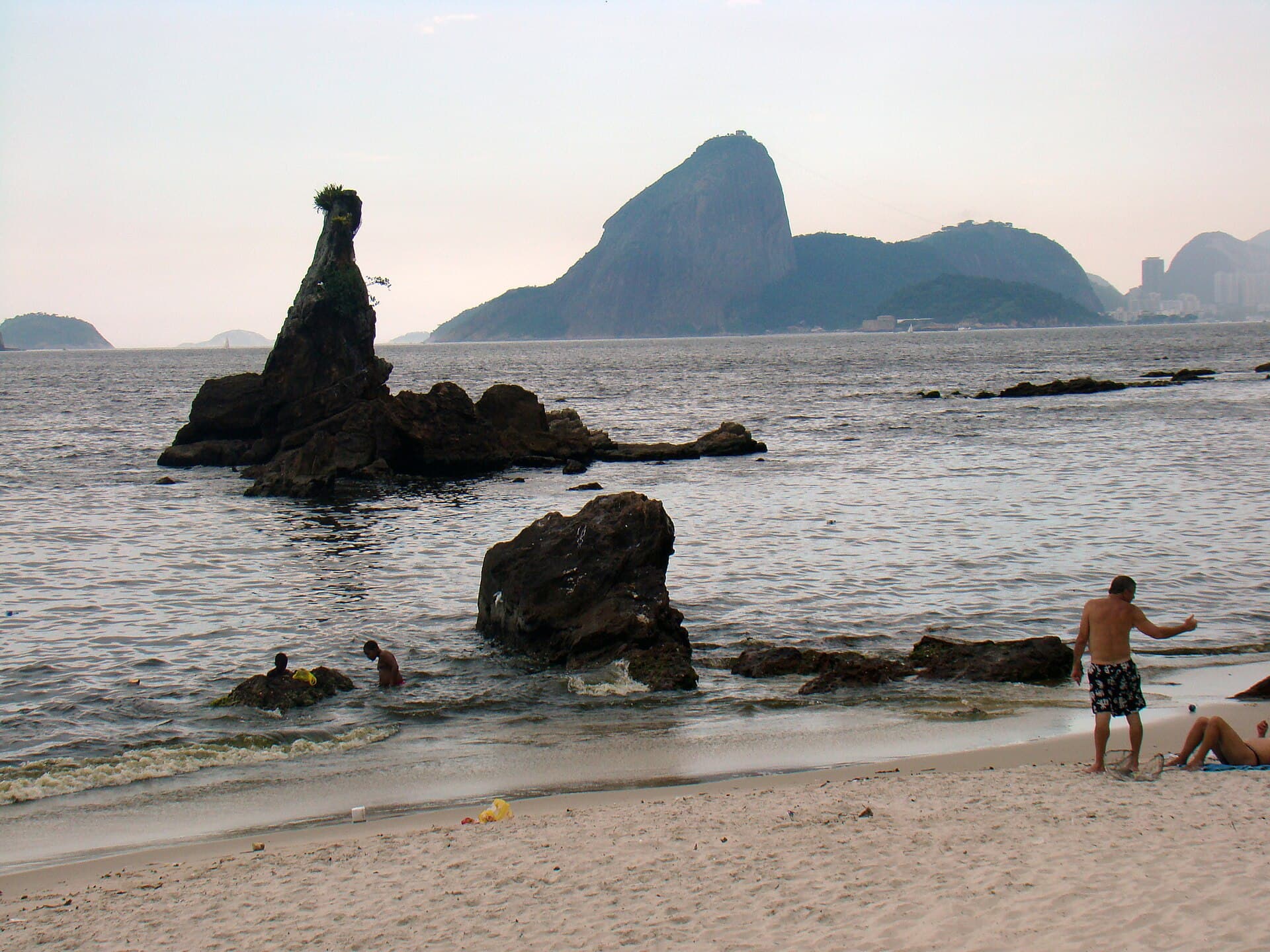 Pedra do ÍndioThe Pedra do Índio, the Indian's Rock, is a rock formation on Icaraí beach in Ni2 minutes walk4.7
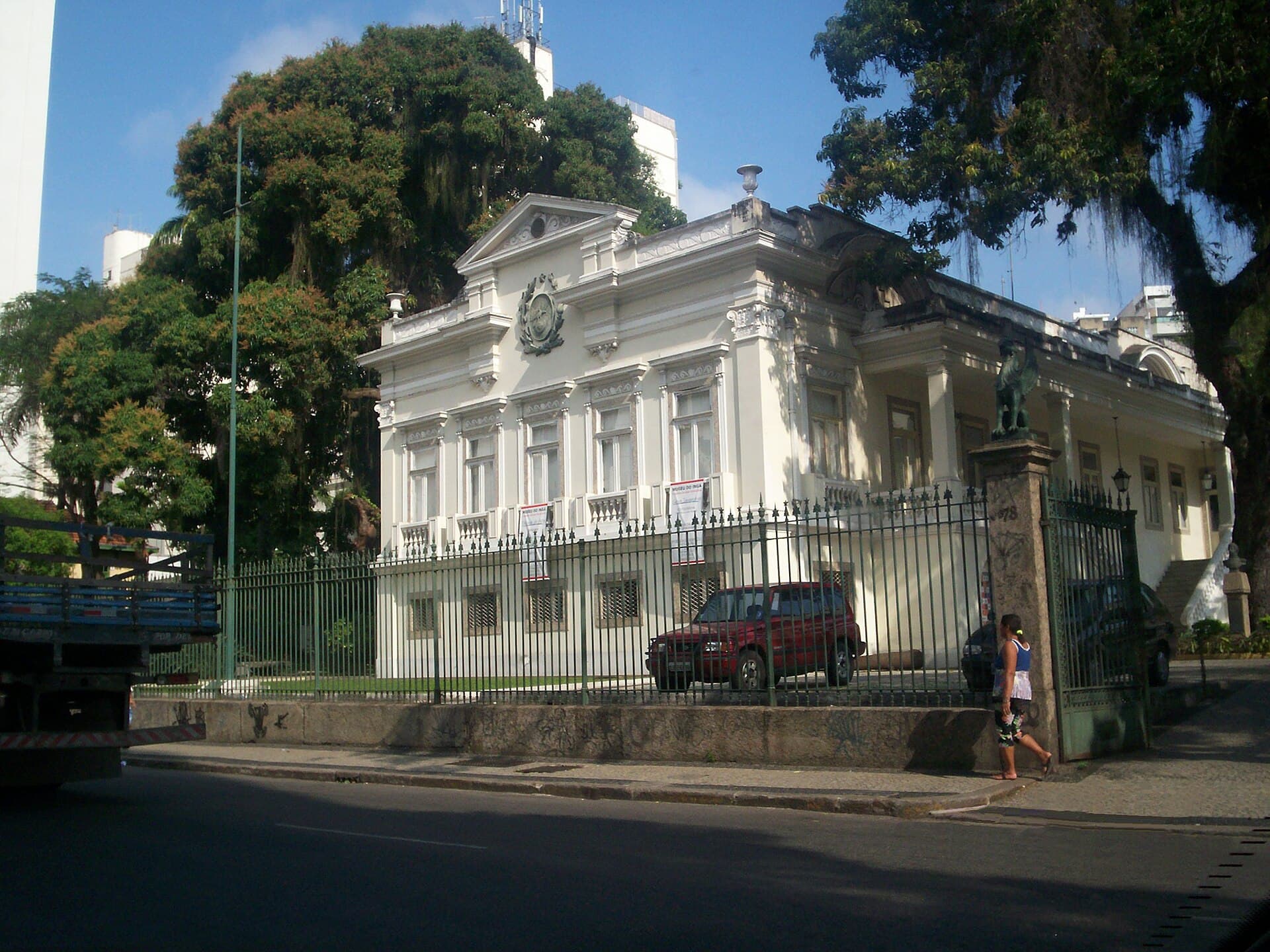 Museu do IngáThe Museum of History and Arts of the State of Rio de Janeiro, known as the Muse8 minutes walk4.7
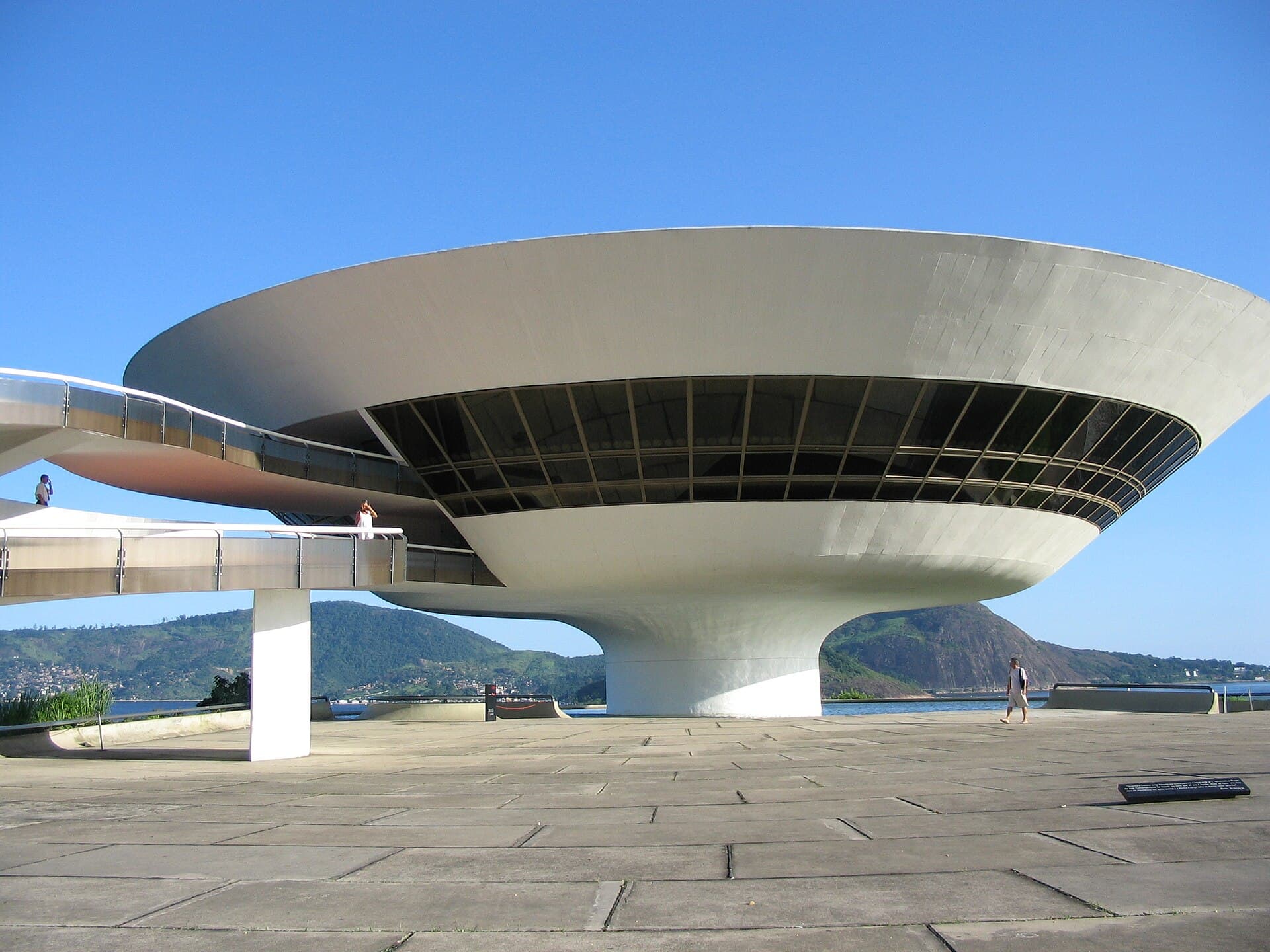 Niterói Contemporary Art Museum (MAC)The Niterói Contemporary Art Museum, MAC, is Oscar Niemeyer's flying saucer: a w8 minutes walk4.5
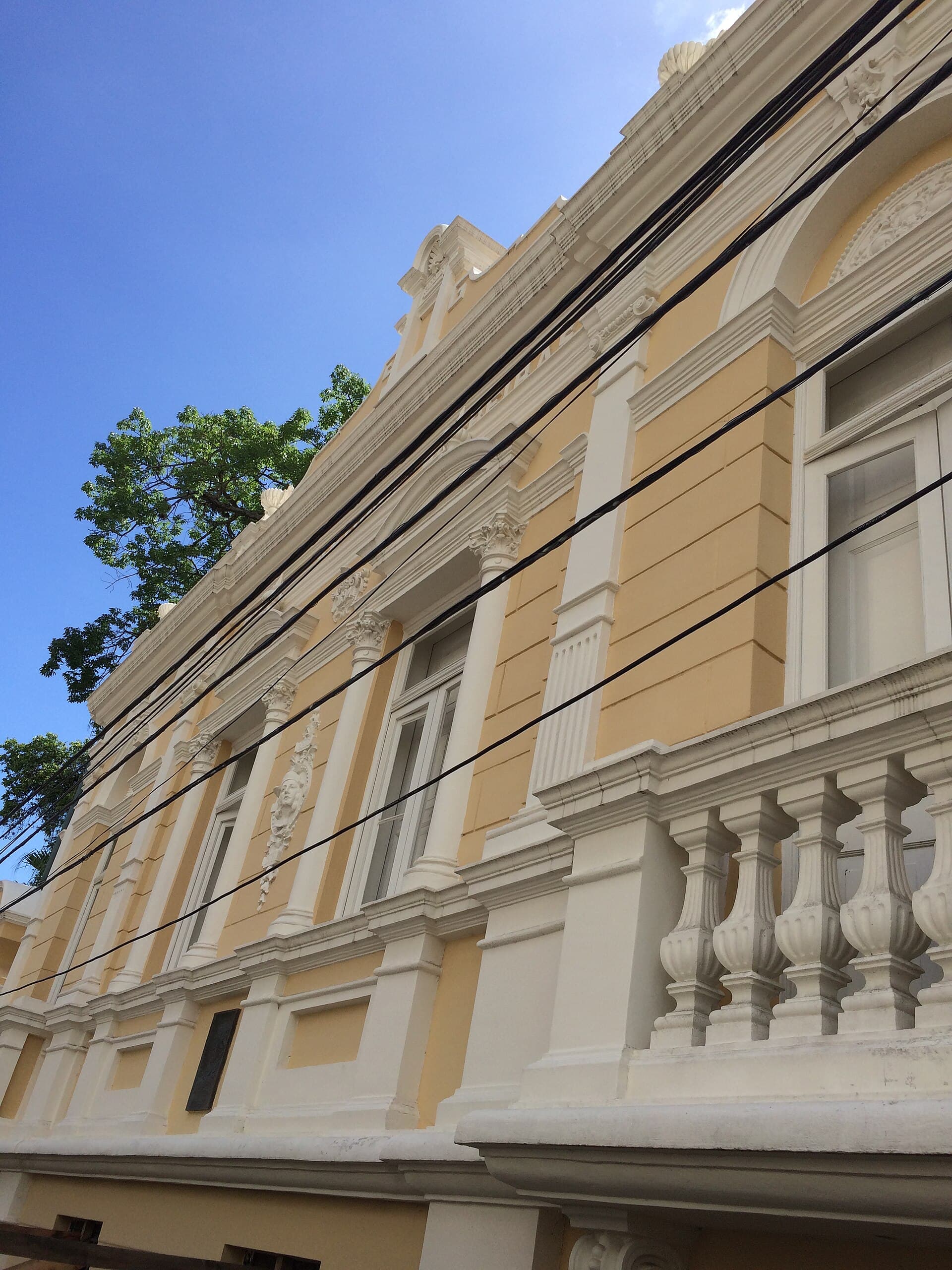 Museu Antônio ParreirasThe Antônio Parreiras Museum is dedicated to one of Brazil's great painters (18610 minutes walk4.2
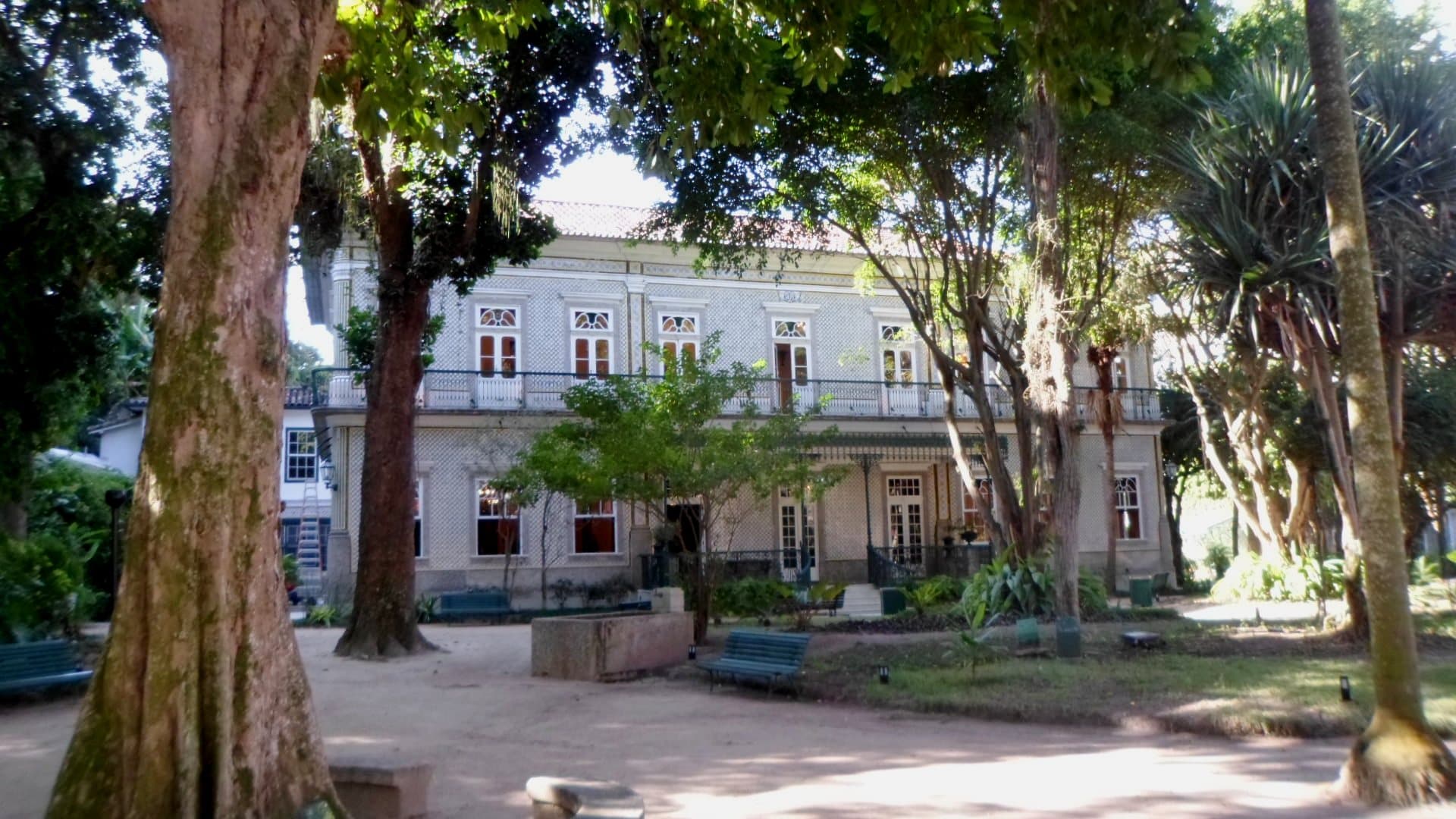 Solar do JambeiroThe Solar do Jambeiro, also known as the Palacete Bartholdy, is a historic house11 minutes walk4.8
«Cleft stone» in Tupi; it was a natural arch until blasted in 1840.