
Sunset
Behind Rio.
Rodrigo Soldon from Rio de Janeiro, Brazil — CC BY 2.0 · Rodrigo Soldon from Rio de Janeiro, Brazil — CC BY 2.0 · Donatas Dabravolskas — CC BY-SA 4.0 · Thaismay — CC BY-SA 4.0 · Rodrigo Soldon from Rio de Janeiro, Brazil — CC BY 2.0 · Núcleo de digitalização / IMS — Public domain · Núcleo de digitalização / IMS — Public domain
The Pedra do Índio, the Indian's Rock, is a rock formation on Icaraí beach in Niterói in which people see the shape of a human face. It is a favourite spot for local fishermen and for anyone who enjoys the beach and the view over Guanabara Bay. The story goes that when Estácio de Sá let Arariboia, the Tupi chief who fought the French alongside the Portuguese, choose any part of the bay as his reward, he picked the «hidden waters», the meaning of Niterói in Tupi. Entering the small bay of the Boa Viagem–Jurujuba shore, he saw the rock and likened it to his own face, and it became a mark of the city's identity. Sunset from the rock is one of Niterói's finest sights, the sun setting behind Rio de Janeiro on the opposite shore. It lies a few steps from the Pedra de Itapuca, so the two make one sunset walk.
Behind Rio.
On the rock.
Next door.
Icaraí seafront, Niterói
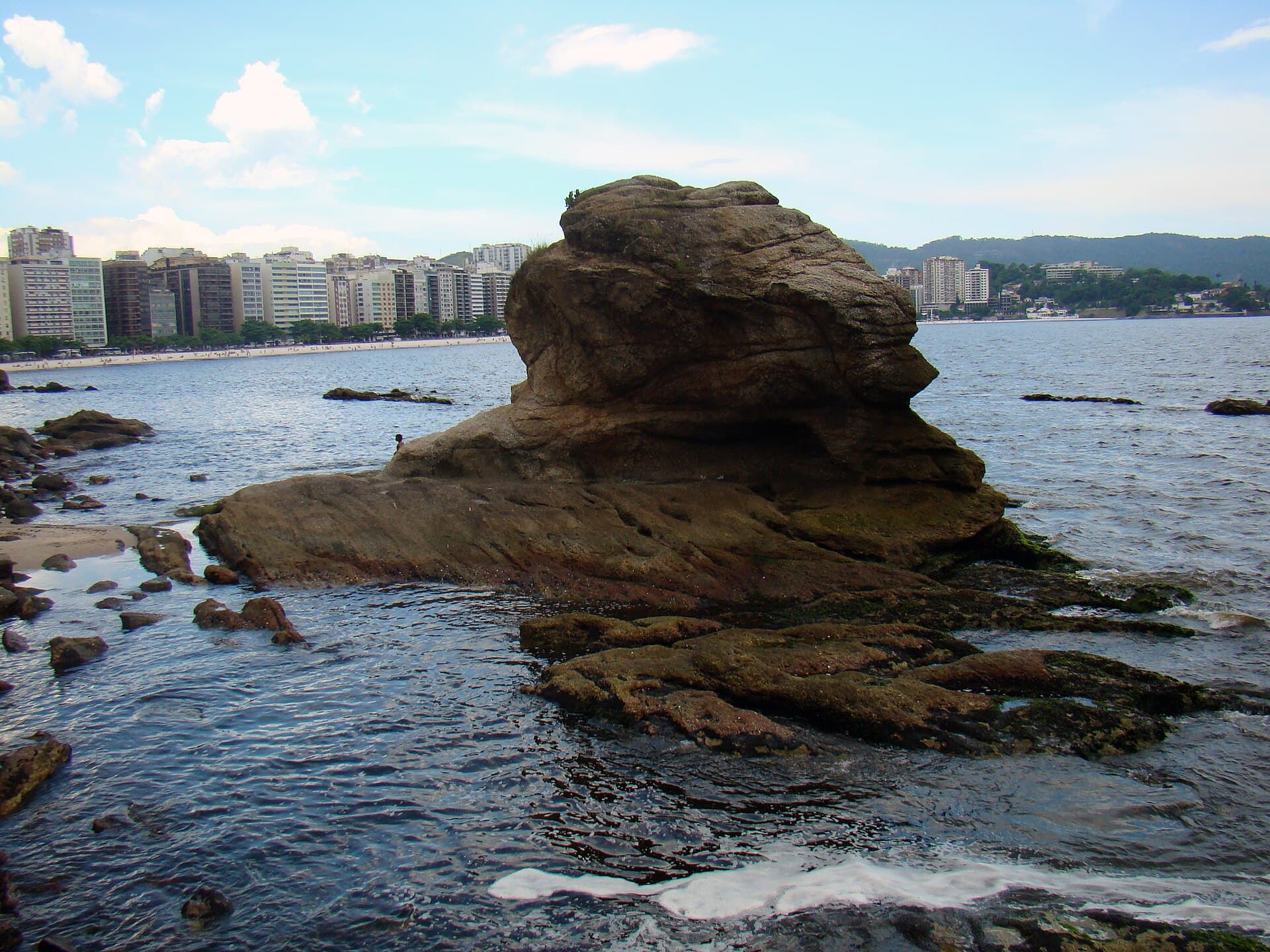 Pedra de ItapucaPedra de Itapuca is a rock formation in the sea between Icaraí beach, in the Ica2 minutes walk4.5
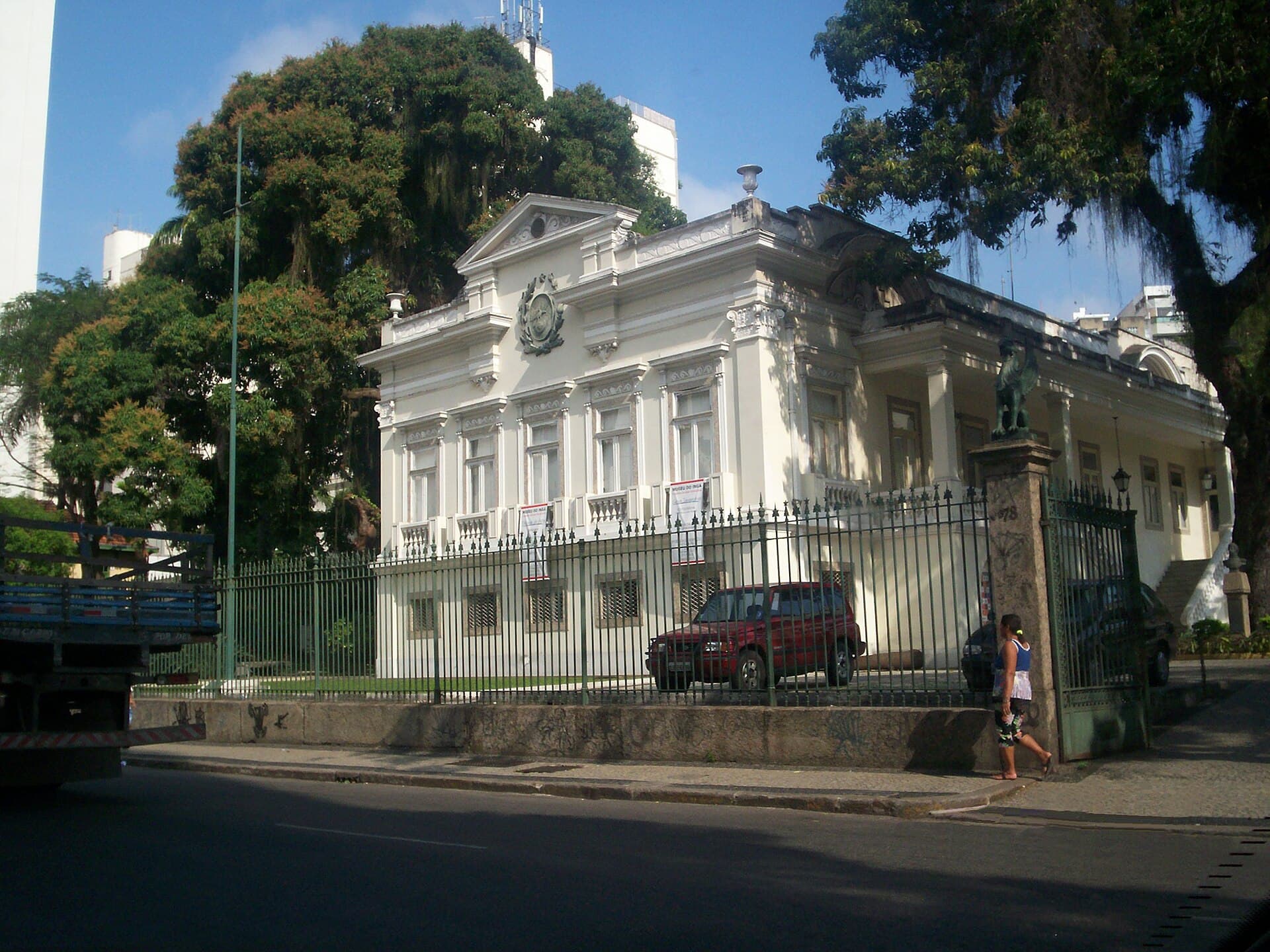 Museu do IngáThe Museum of History and Arts of the State of Rio de Janeiro, known as the Muse9 minutes walk4.7
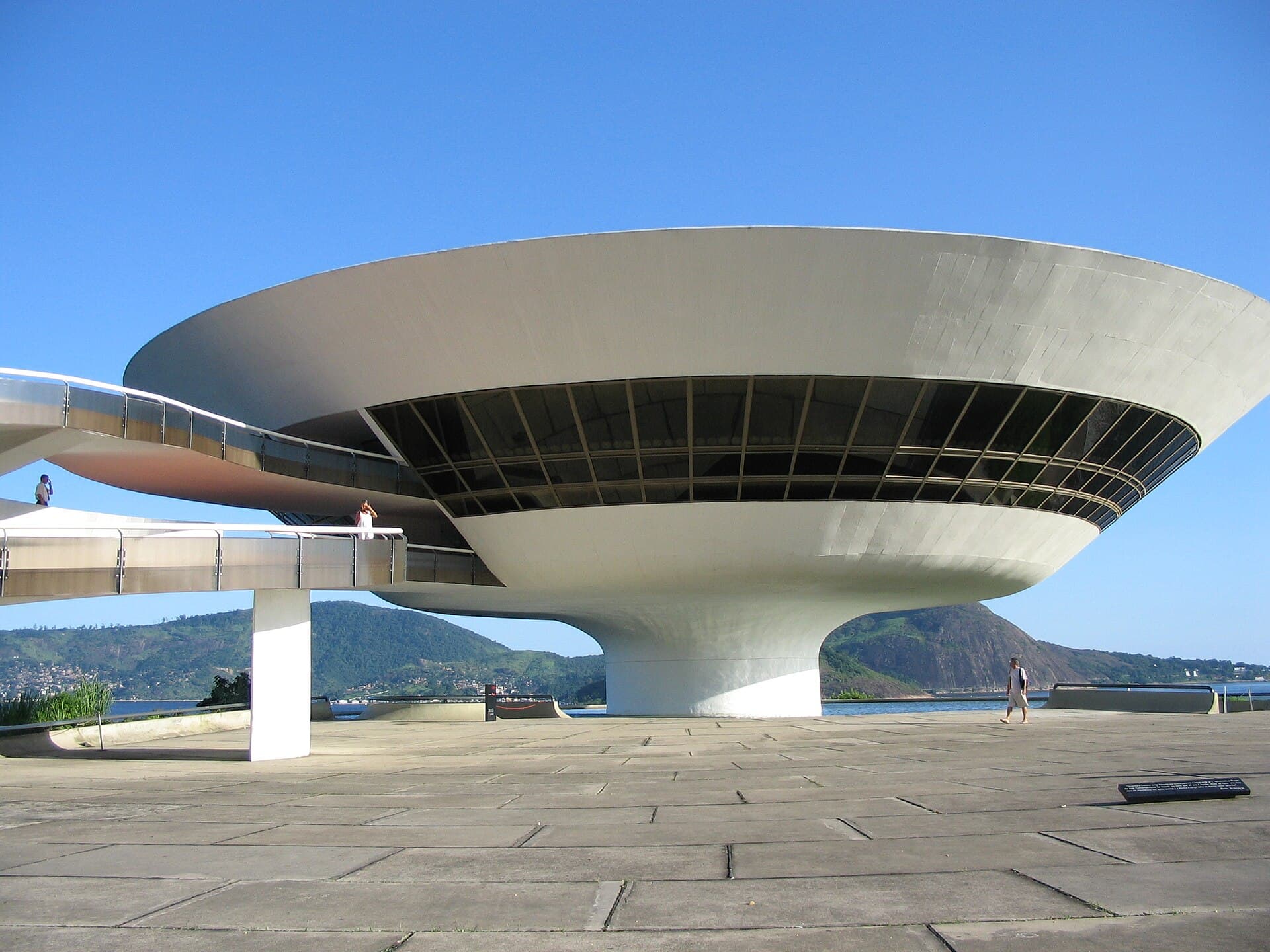 Niterói Contemporary Art Museum (MAC)The Niterói Contemporary Art Museum, MAC, is Oscar Niemeyer's flying saucer: a w10 minutes walk4.5
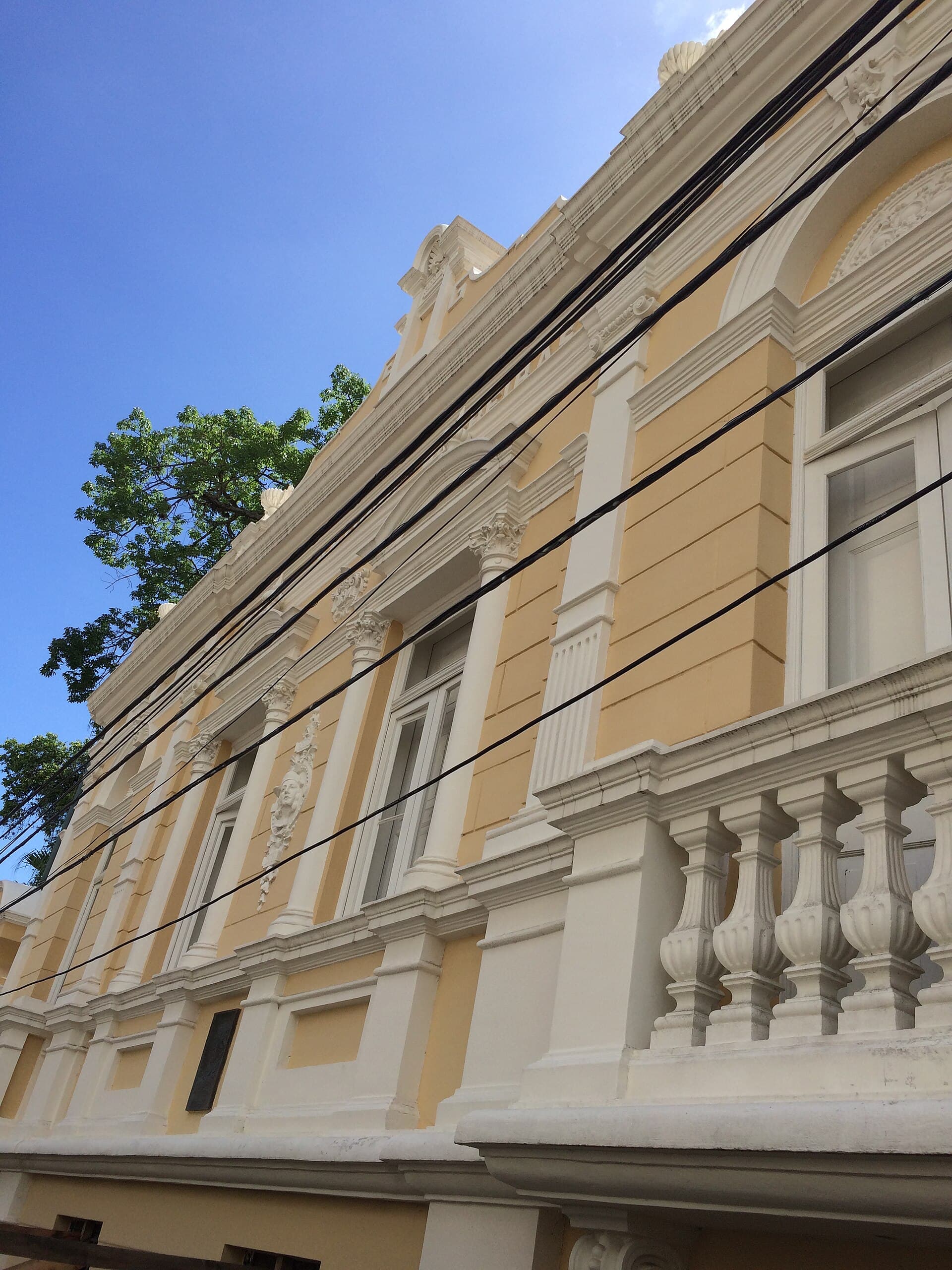 Museu Antônio ParreirasThe Antônio Parreiras Museum is dedicated to one of Brazil's great painters (18611 minutes walk4.2
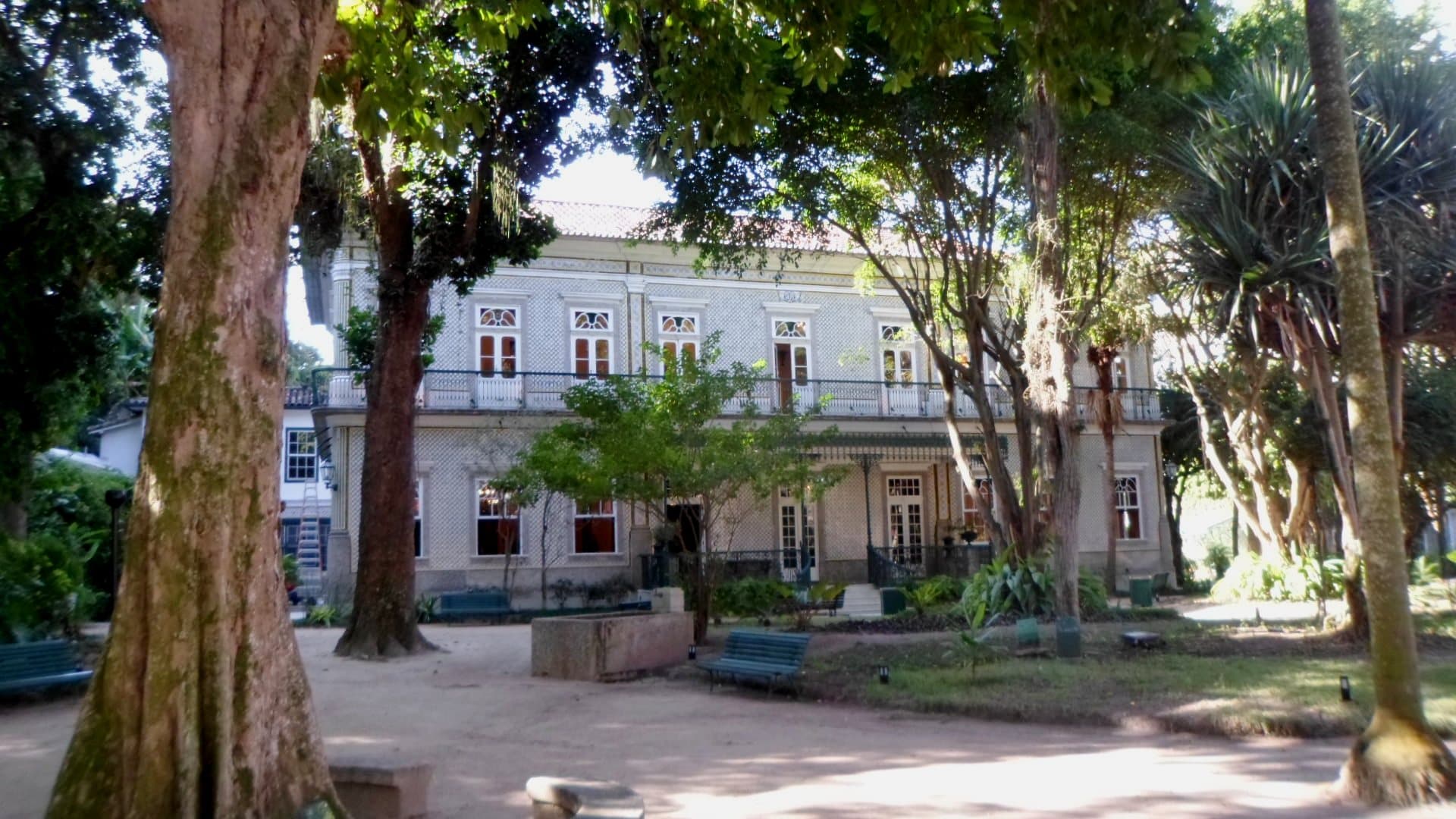 Solar do JambeiroThe Solar do Jambeiro, also known as the Palacete Bartholdy, is a historic house13 minutes walk4.8
People see a human face in it, and legend links it to the chief Arariboia.