
The Secession style
The Austro-Hungarian art nouveau, with curved lines and plant ornament.
Chainwit. — CC BY 4.0 · Leontin l — CC BY-SA 3.0 ro · Chainwit. — CC BY 4.0 · Țetcu Mircea Rareș — CC BY-SA 3.0 ro
An early twentieth-century building in central Cluj-Napoca, raised to house one of the city's first cinemas. The name Urania was given at the time to halls of scientific and cinematic display across central Europe, taken from the muse of astronomy in Greek myth. The building belongs to the moment cinema entered European cities as a new mass entertainment. The façade combines elements of the Secession — the Austro-Hungarian version of art nouveau — with curved lines, plant ornament and plasterwork detail, and is among the surviving examples of that period in Cluj. Cluj-Napoca was part of the Austro-Hungarian empire until 1918, and its architecture carries that layer plainly; buildings like this explain that history better than any plaque. The building today is in other use and is not visited inside. What you do is look at the façade as you walk through the centre.
The Austro-Hungarian art nouveau, with curved lines and plant ornament.
Built at the moment cinema entered European cities.
Cluj was in the empire until 1918, and its architecture carries it.
Central Cluj-Napoca
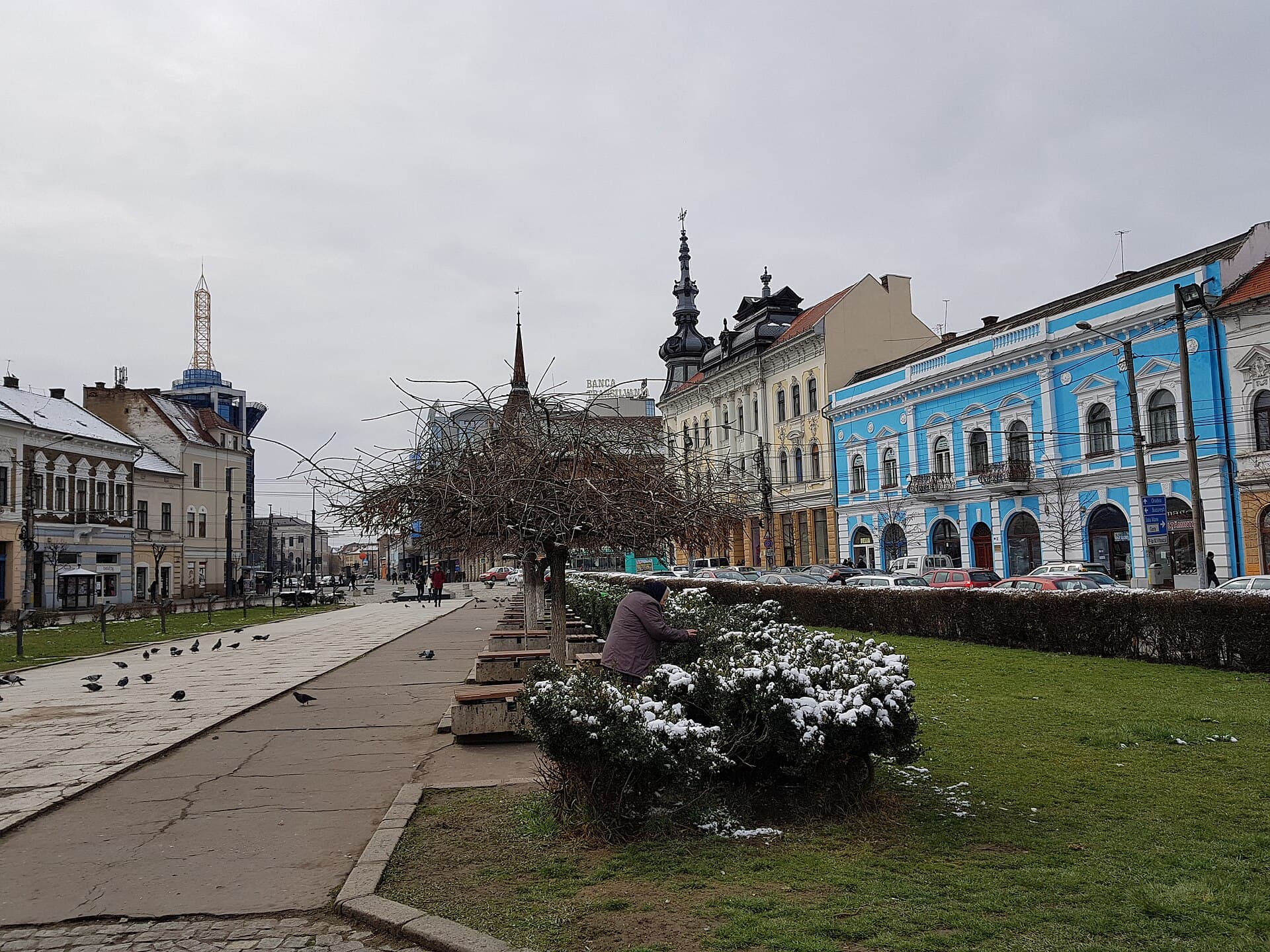 The Babos PalaceAn early twentieth-century residential and commercial building in Cluj-Napoca, b2 minutes walk4.5
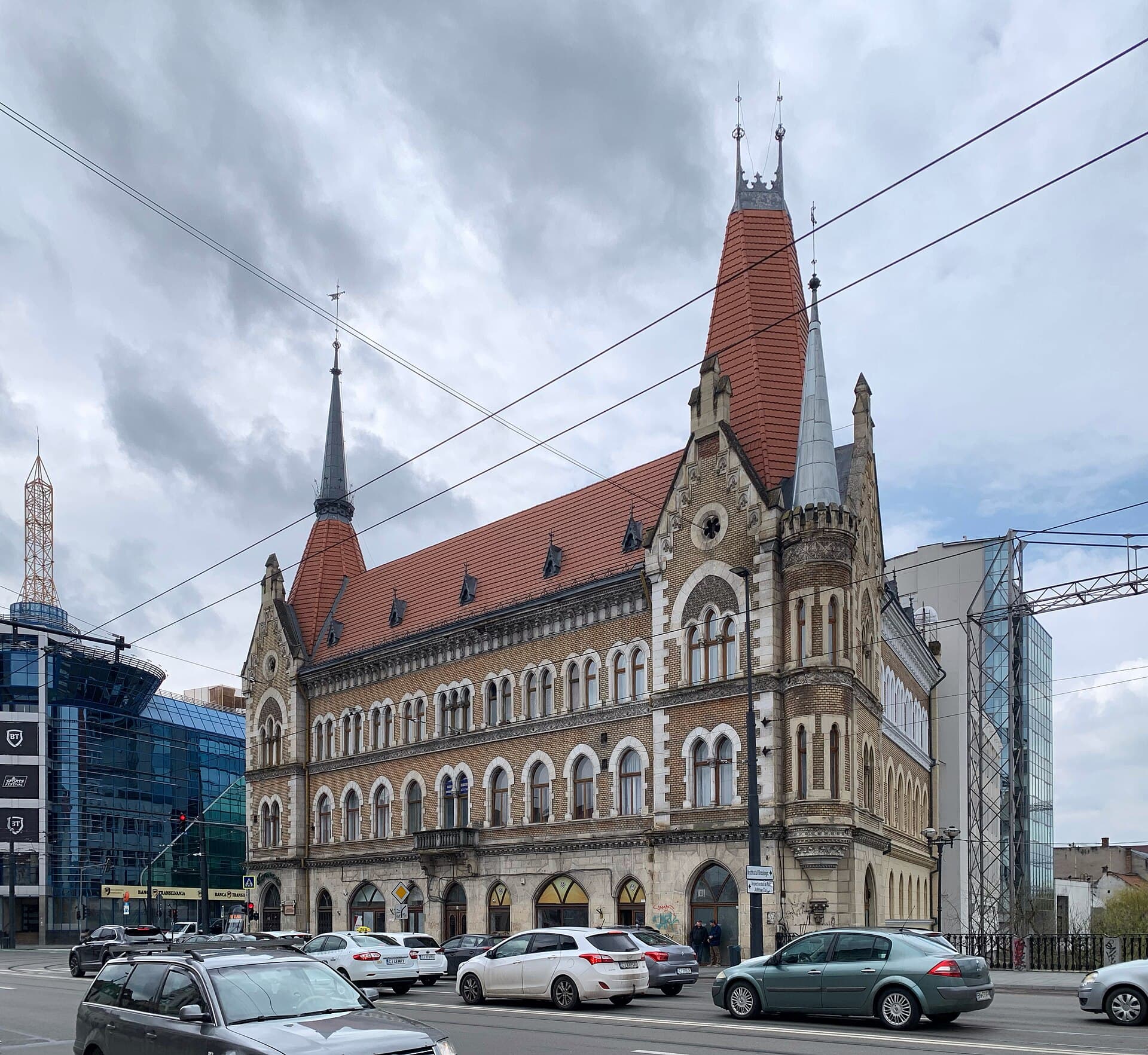 The Széki PalaceAn early twentieth-century town palace on Horea street in Cluj-Napoca, regarded 2 minutes walk4.7
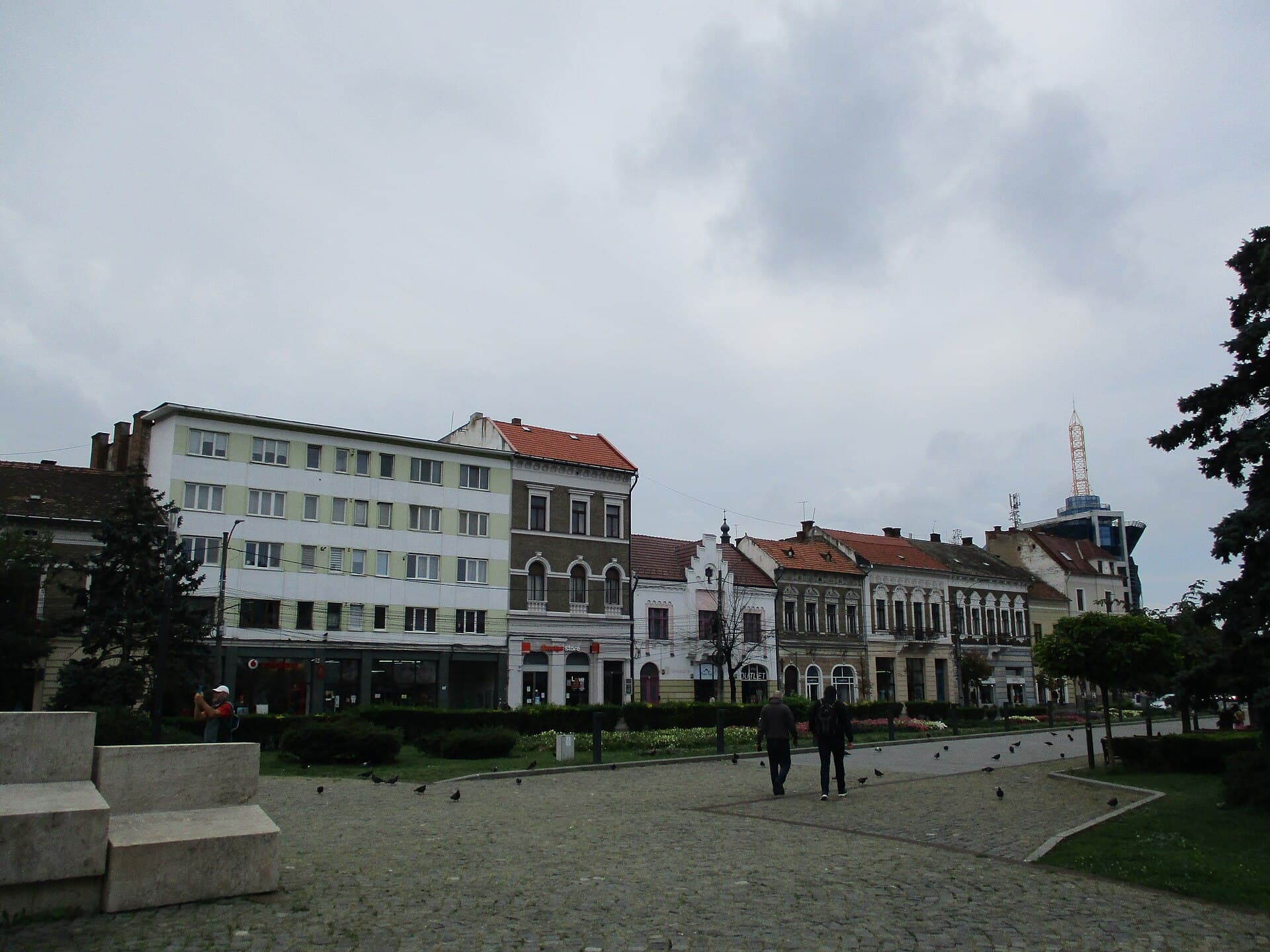 Piața Mihai ViteazulPiața Mihai Viteazul is Cluj's second great square, north of the historic centre2 minutes walk4.6
 The Telephone PalaceA massive concrete building in central Cluj-Napoca, among the clearest examples 3 minutes walk4.9
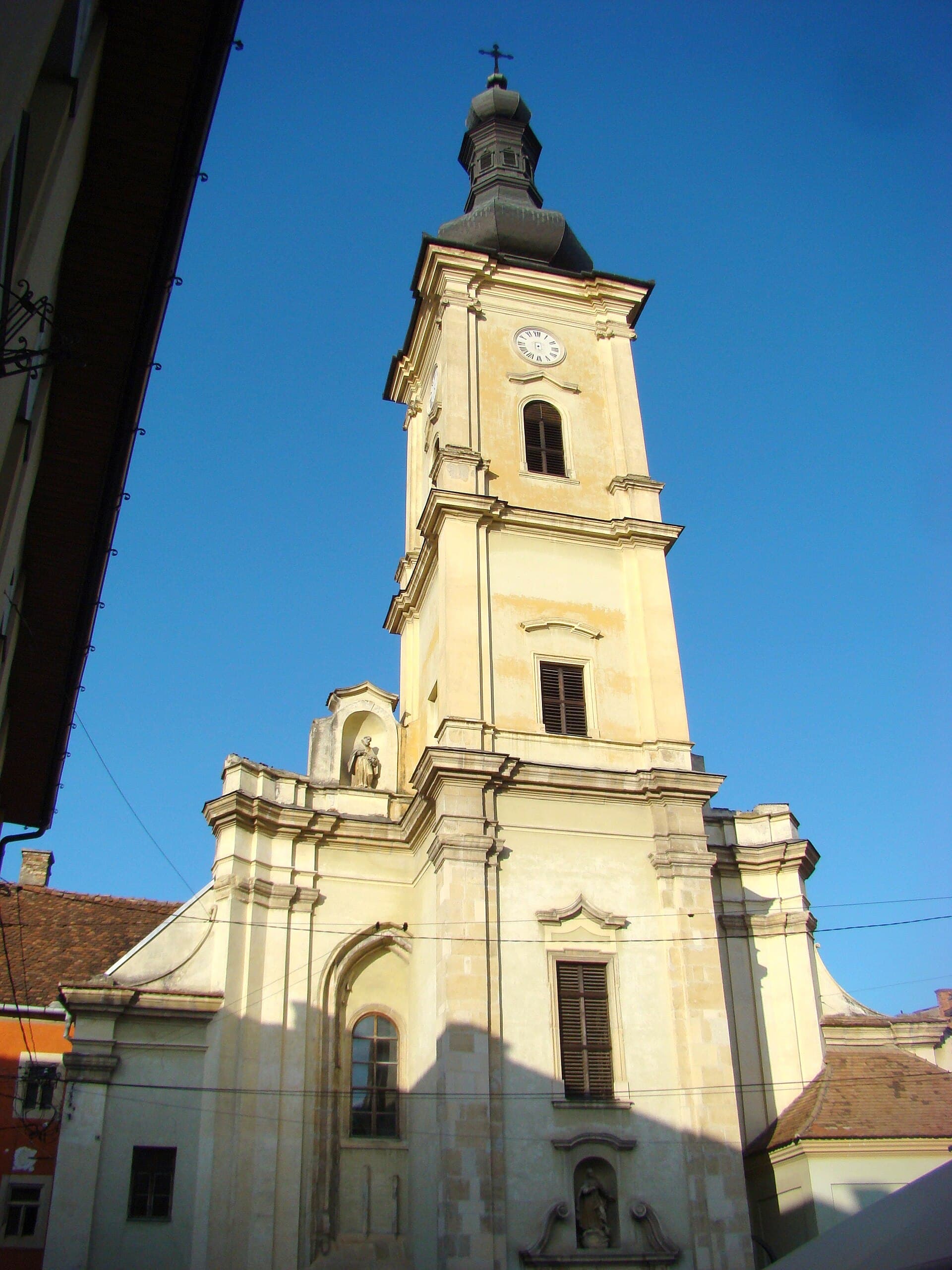 The Franciscan Church of ClujA church and monastery on Museum Square in the heart of Cluj's old town, the sit4 minutes walk4.9
Unirii Square with the Gothic church of St Michael at its centre and the Matthias Corvinus statue in front, the pedestrian streets around it, and the botanical garden to the south — among the best in eastern Europe. The city is small and entirely walkable.
Yes for anyone who wants Romania off the usual route. It is Transylvania's great university city, young and lively with many cafés, and far cheaper than western Europe. It also makes a good base for Transylvania's castles and fortified villages.