
The Adolphe Bridge view
The city's best angle on the bridge and valley.
Cayambe — CC BY-SA 3.0 · Cayambe — CC BY 4.0 · Cayambe — CC BY 4.0 · Cayambe — CC BY 4.0
The Place de la Constitution is an open terrace on the edge of the Pétrusse valley, and at its centre stands the war memorial Luxembourgers know as the Gëlle Fra, the Golden Lady: a stone obelisk twenty-one metres high crowned by a gilded figure of a woman holding out a laurel wreath. The monument's history is the country's twentieth century in miniature. It was raised in 1923 in honour of Luxembourgers who volunteered in the Allied armies in the First World War despite their country's neutrality and occupation. The Nazi occupation destroyed it in 1940 because it was a symbol of resistance, and its pieces disappeared. The gilded figure was found in 1980 buried beneath the stand of a sports stadium, and the monument was returned to its place in 1985. The square itself gives the best view in the city of the Adolphe Bridge and the green valley beneath, and the entrance to the Pétrusse casemates is below it. Free and always open.
The city's best angle on the bridge and valley.
A 21-metre obelisk carrying a resistance symbol.
Place de la Constitution, 1468 Luxembourg
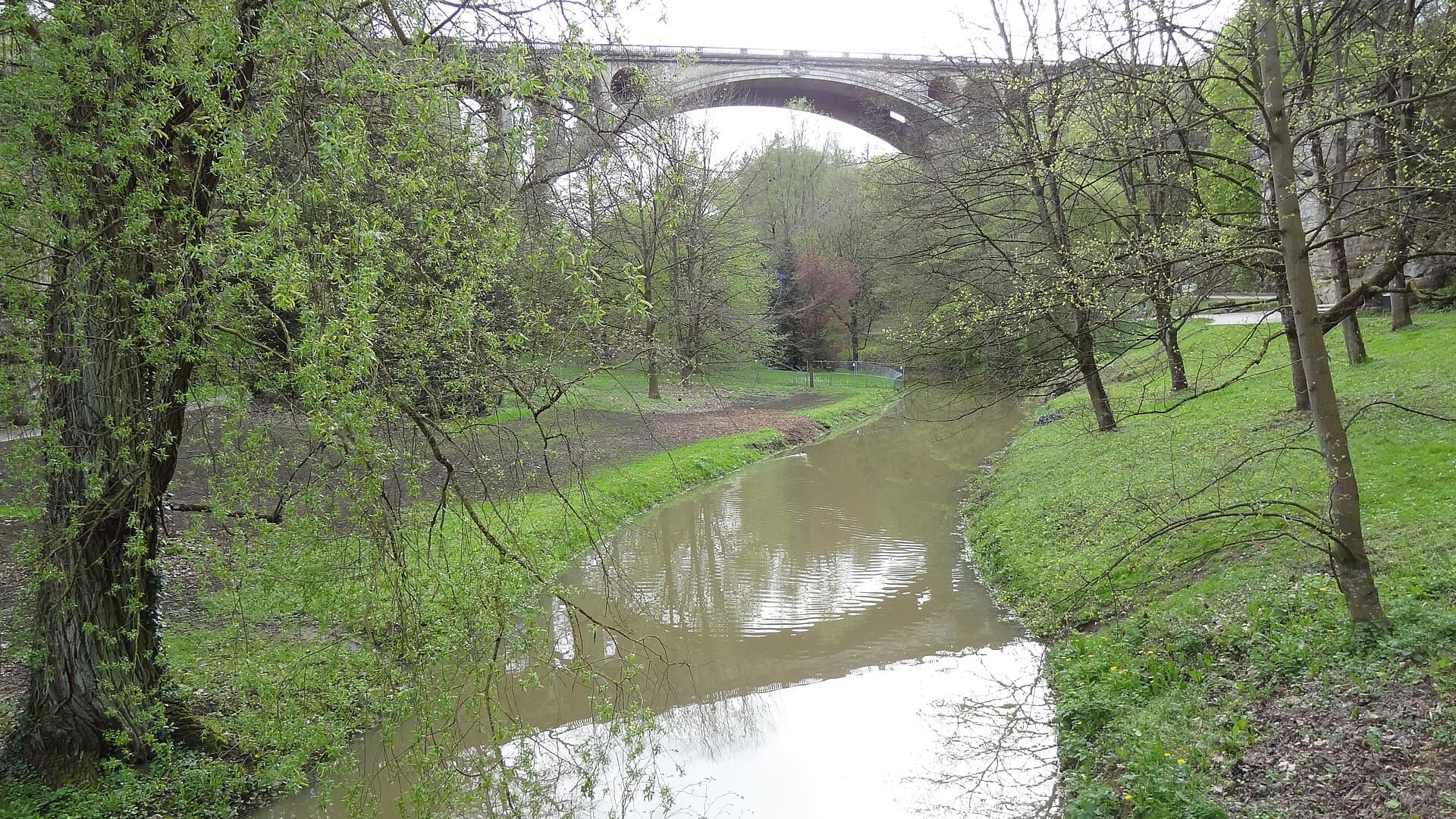 The Pétrusse ValleyThe Pétrusse valley is a deep green cut running beneath central Luxembourg, carv2 minutes walk4.6
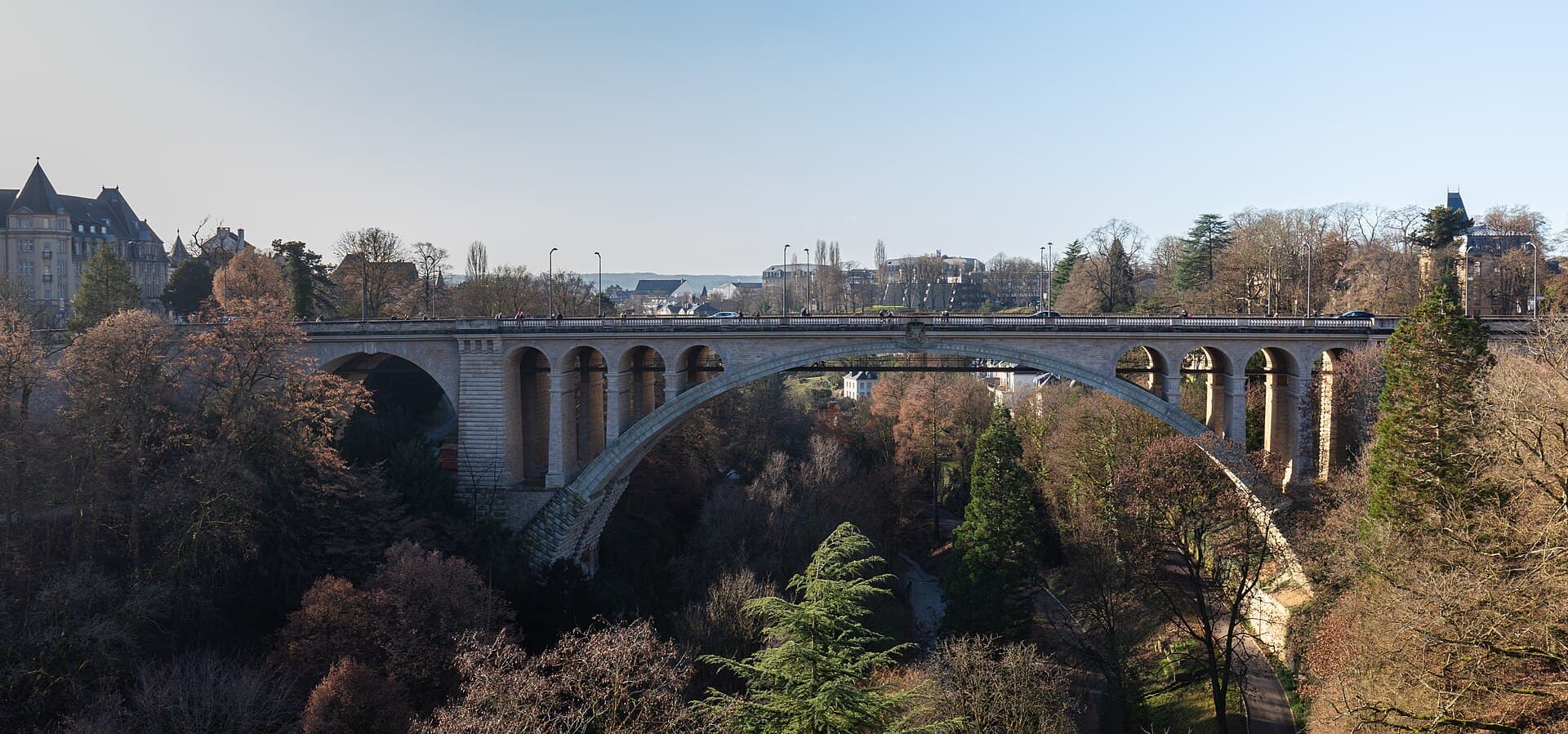 The Adolphe BridgeThe Adolphe Bridge crosses the Pétrusse valley on one enormous stone arch, and i2 minutes walk4.8
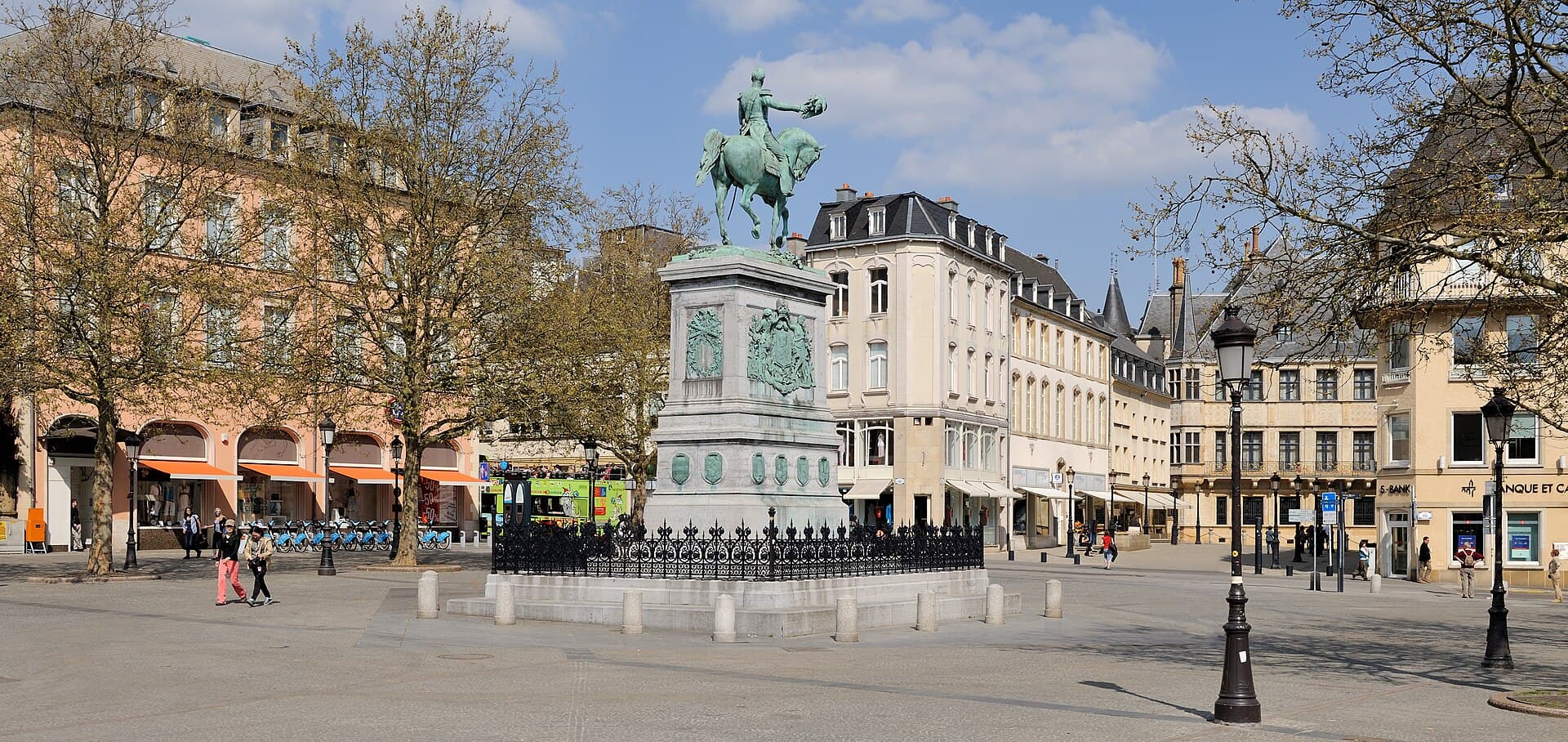 Place Guillaume IIPlace Guillaume II is the central square of the old town, and Luxembourgers call2 minutes walk4.5
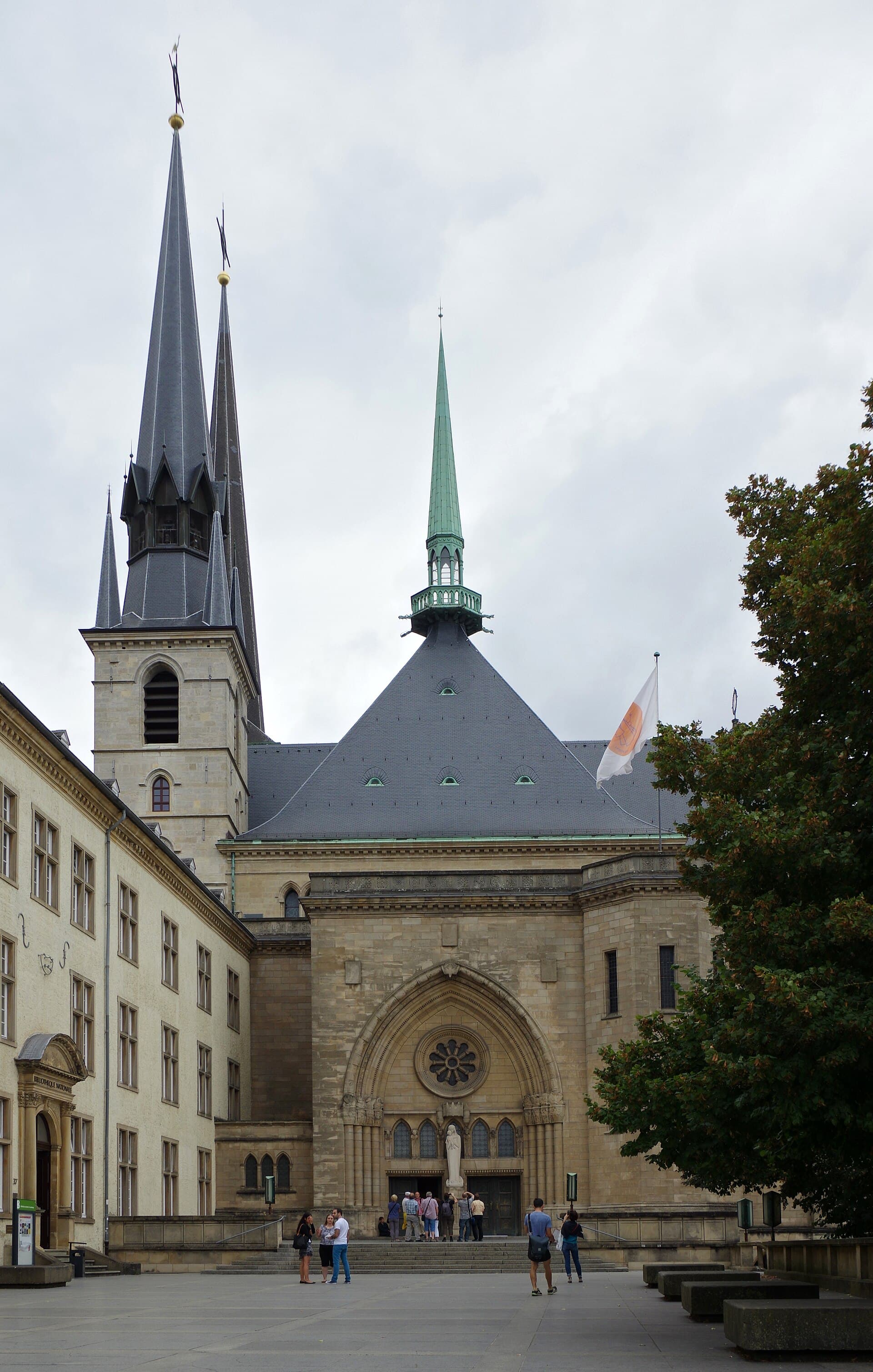 Notre-Dame CathedralNotre-Dame is Luxembourg's principal church, built originally in 1613 as the chu2 minutes walk4.5
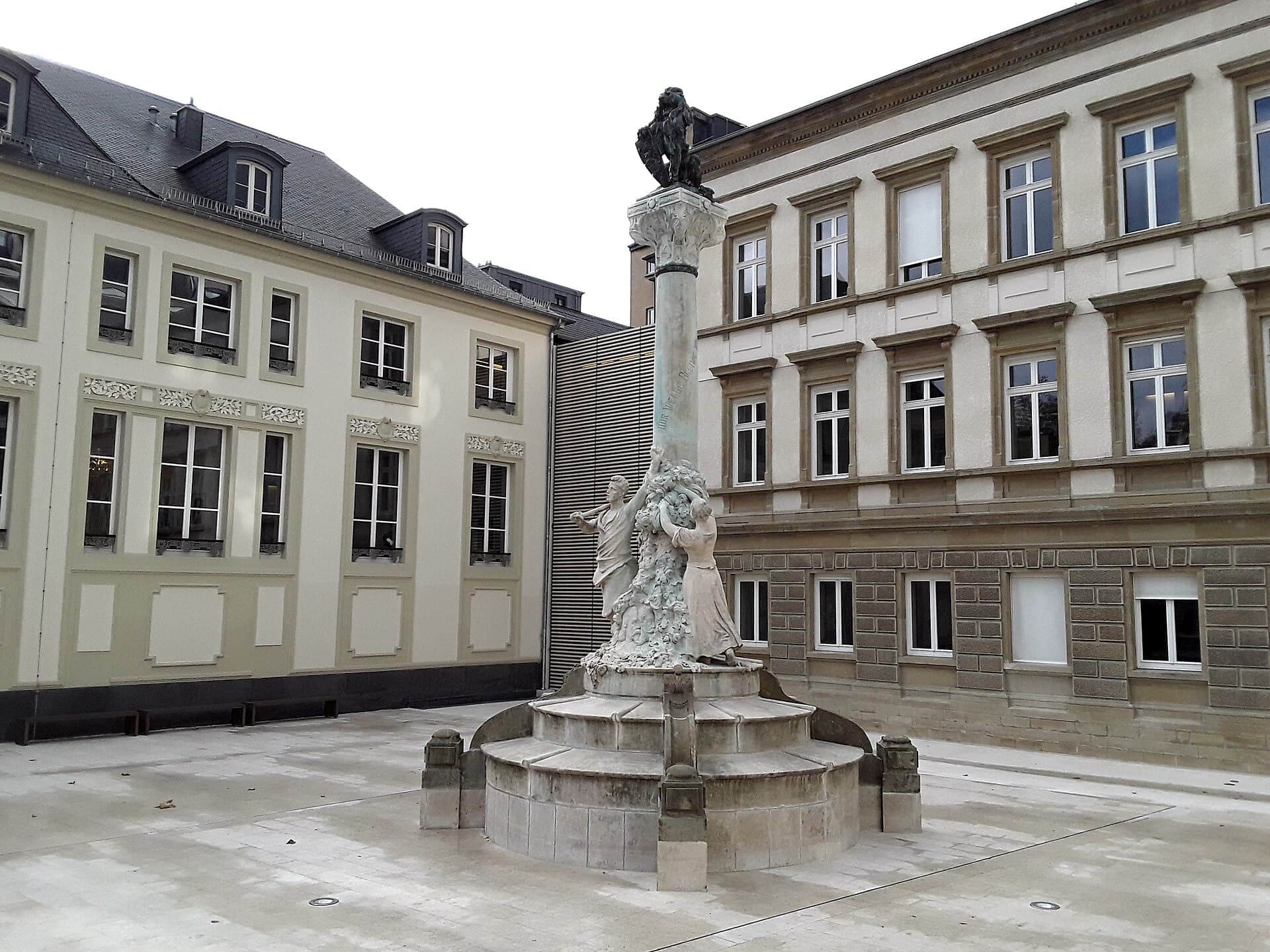 The Dicks-Lentz MonumentA memorial on the Place d'Armes in the city centre, dedicated to two nineteenth-3 minutes walk4.6
Neutrality failed to protect it twice. In 1914 the German army marched through on its way to France and occupied it for four years. In May 1940 it was occupied again, but this time effectively annexed into the Reich, with German imposed, the Luxembourgish language banned and conscription into the German army enforced — which triggered a general strike in 1942 that was put down with executions. That explains why destroying the Gëlle Fra was a priority for the occupier.