
A monument to a language
Writing in Luxembourgish was a political choice, not only a literary one.
GilPe — CC BY-SA 3.0 · Cayambe — CC BY-SA 3.0 · Cayambe — CC BY-SA 3.0 · GilPe — CC BY-SA 3.0
A memorial on the Place d'Armes in the city centre, dedicated to two nineteenth-century Luxembourgish poets: Edmond de la Fontaine, known as Dicks, and Michel Lentz. What makes them matter is language. Luxembourg is a small country between France and Germany, and its local speech — Luxembourgish — was regarded as a German dialect rather than a literary language. French was the language of administration and high culture, German the language of the press and schooling. Writing seriously in Luxembourgish was a political choice as much as a literary one. Dicks wrote plays and poems in it, and Lentz wrote the song that later became the national anthem. Out of that work grew the idea that Luxembourgish is a language in its own right, and it is today an official language alongside French and German. That is the context that makes a monument to two local poets more important than it looks: it is a monument to the language itself. Practical points: always open and free, with a visit of minutes. The Place d'Armes is the city centre's café square, so stopping here is natural.
Writing in Luxembourgish was a political choice, not only a literary one.
Luxembourgish is today official alongside French and German.
These two poets' work founded the recognition of Luxembourgish as a language.
Place d'Armes, Luxembourg City
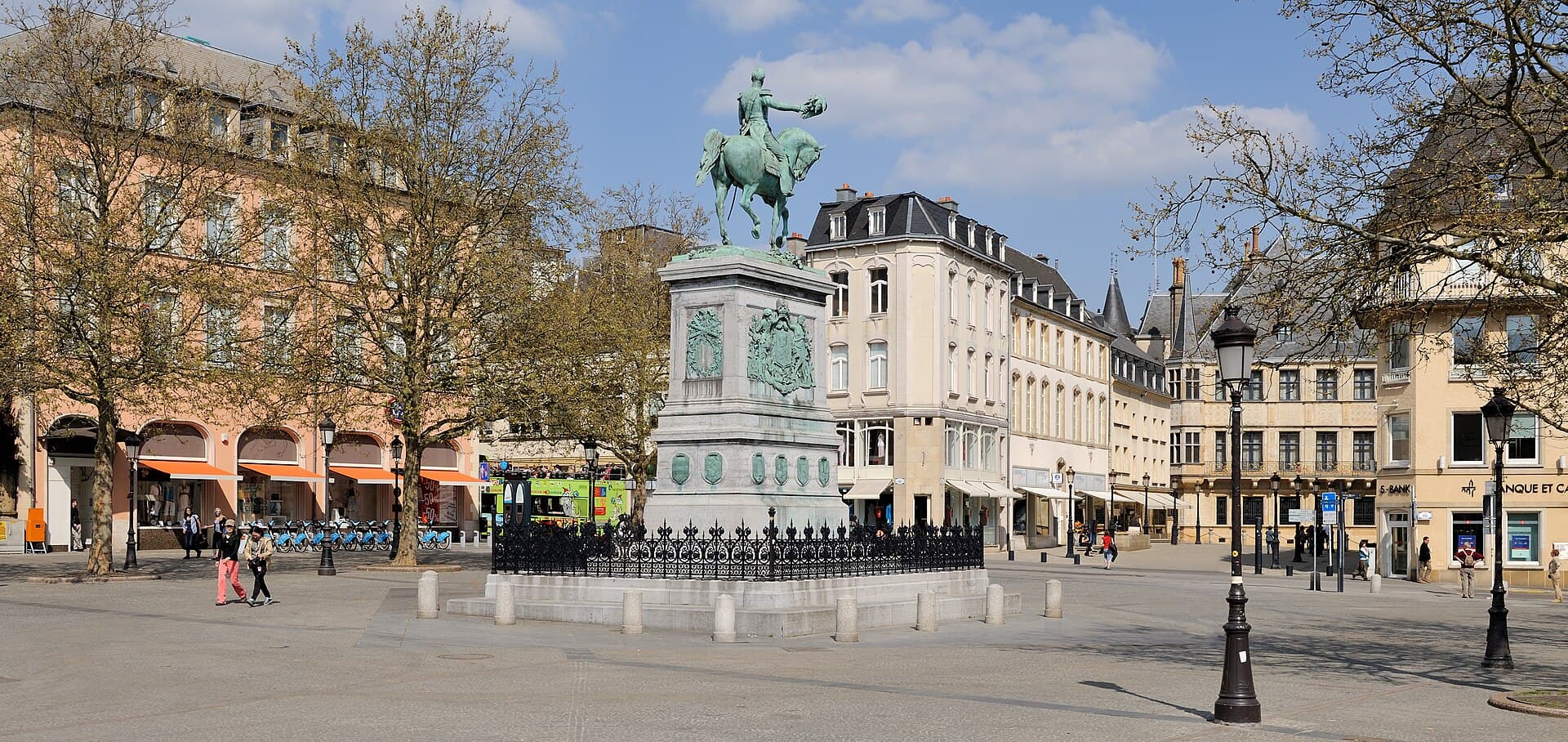 Place Guillaume IIPlace Guillaume II is the central square of the old town, and Luxembourgers call2 minutes walk4.5
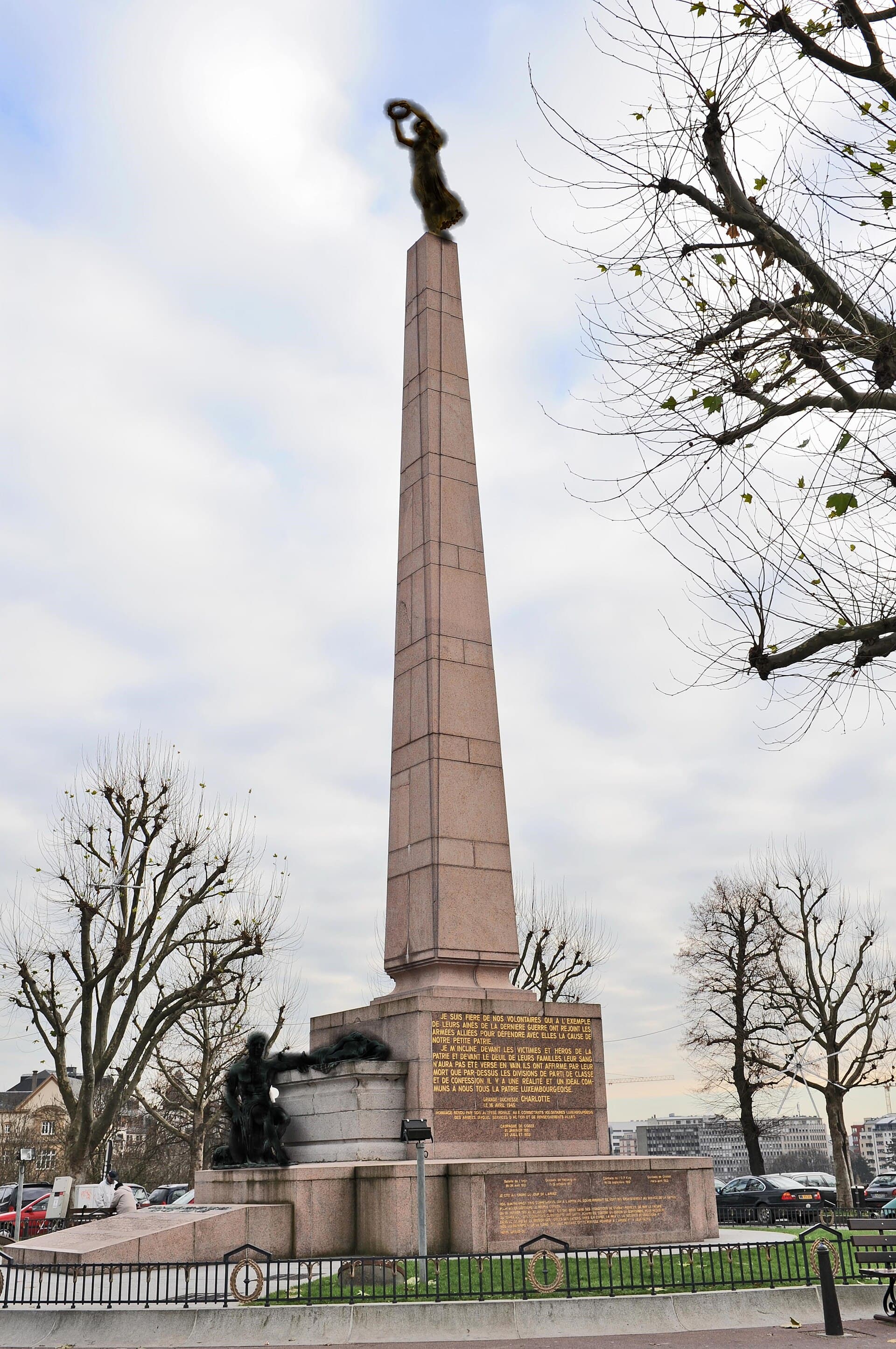 Place de la Constitution and the Gëlle FraThe Place de la Constitution is an open terrace on the edge of the Pétrusse vall3 minutes walk4.5
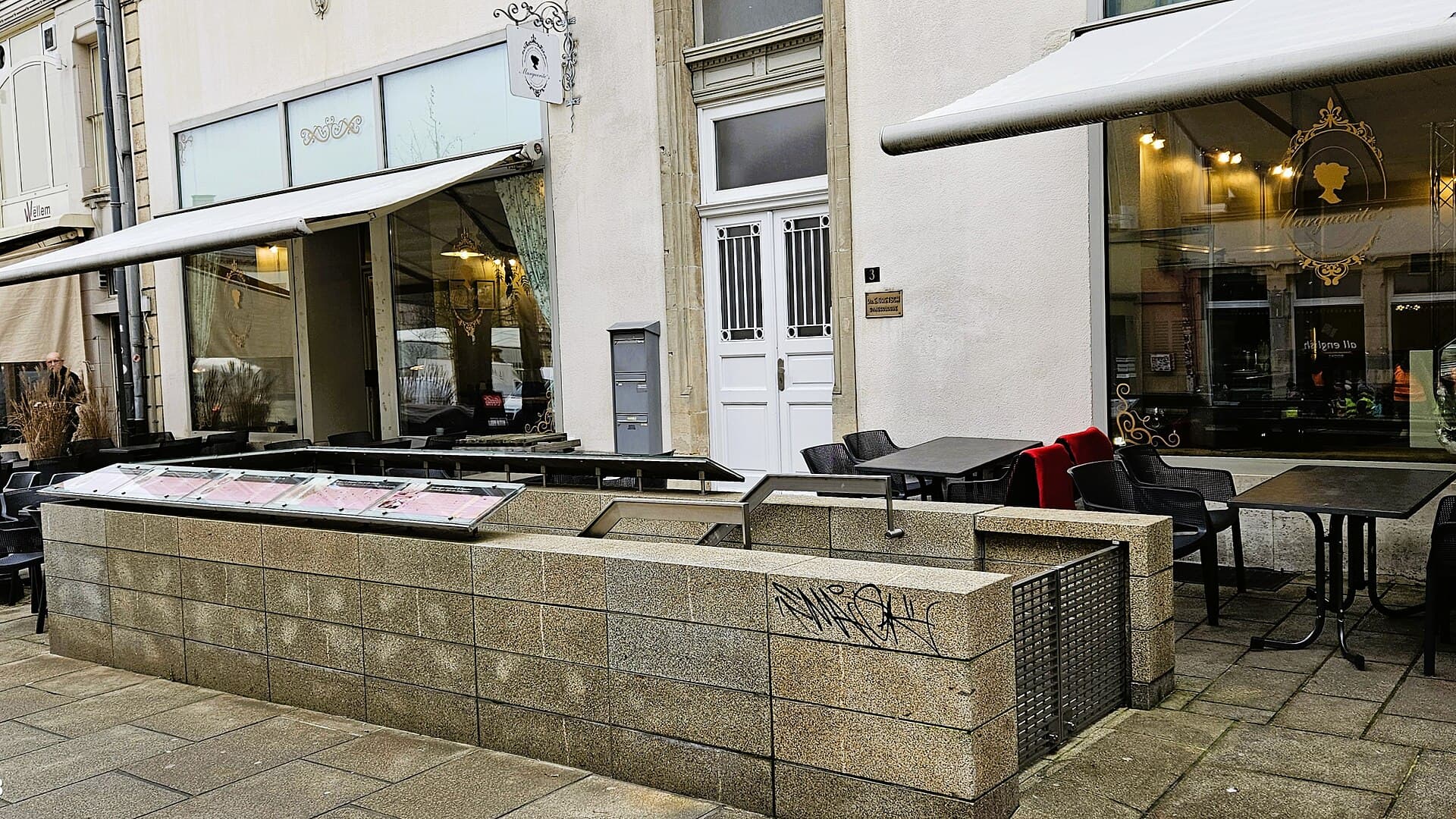 The Archaeological CryptAn underground archaeological chamber at the Bock promontory, showing the remain3 minutes walk4.4
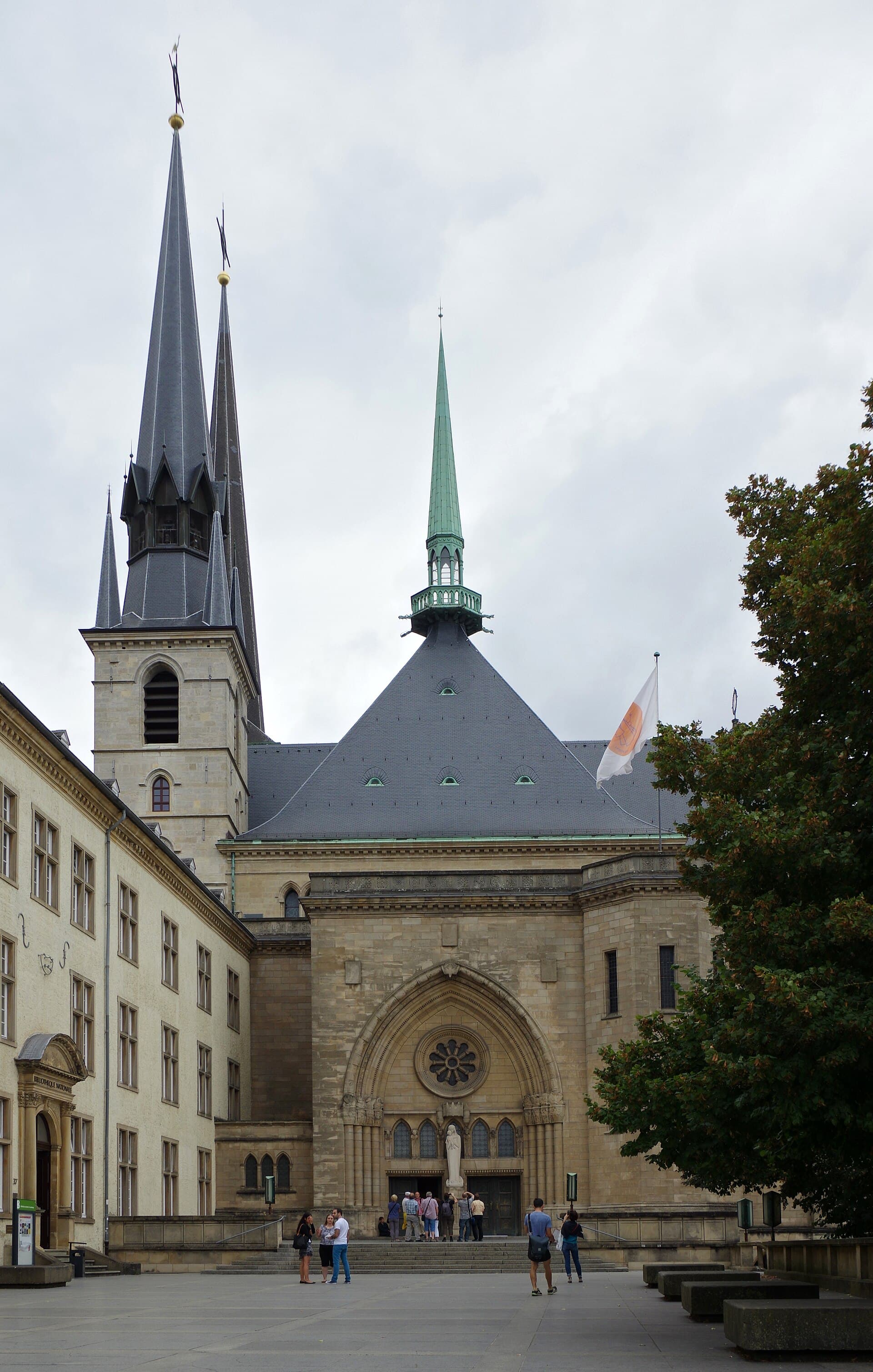 Notre-Dame CathedralNotre-Dame is Luxembourg's principal church, built originally in 1613 as the chu4 minutes walk4.5
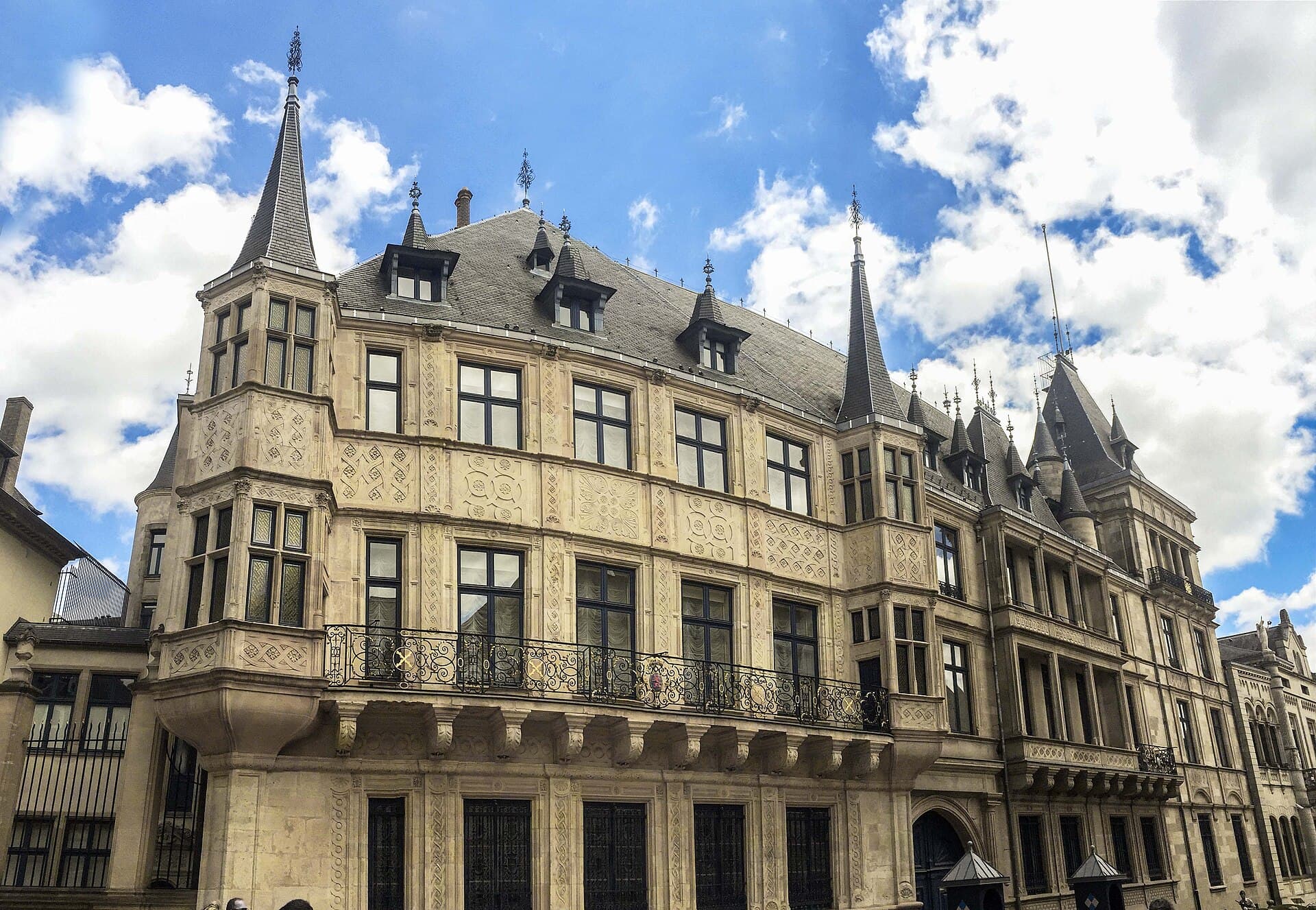 The Grand Ducal PalaceThe Grand Ducal Palace is the working residence of the Grand Duke, Luxembourg's 4 minutes walk4.5
A West Germanic language close to German but distinct from it, with a great deal of French vocabulary from proximity and history. About half a million people speak it, and it is the language of daily life and of parliament, while French remains the language of law and German that of much of the press. That multilingualism is not an exception in Luxembourg but the norm.
The square itself is the centre of daily life in the upper town: cafés, trees, events and a Christmas market in winter. From here it is minutes on foot to the Grand Ducal Palace, Notre-Dame Cathedral and the Place Guillaume II. The upper town is small and entirely walkable.