
The produce market
Two days a week, local and French produce.
Cayambe — CC BY-SA 3.0 · Cayambe — CC BY-SA 3.0 · Cayambe — CC BY-SA 3.0 · Cayambe — CC BY-SA 3.0
Place Guillaume II is the central square of the old town, and Luxembourgers call it the Knuedler. It is enclosed by the city hall with its neoclassical front and rows of cafes, with an equestrian statue of King-Grand Duke William II at its centre. Until the early nineteenth century the square was a large Franciscan friary. The friary was suppressed after the French Revolution and its buildings demolished, leaving the space empty, so it became the market square and then the city's civic heart — a pattern repeated in many European cities after church property was secularised. Today it is a practical space more than a historic one: a produce market two days a week, a Christmas market in December, and concerts and events in summer. Two bronze lions in front of the city hall have become a known meeting point. The square is free and open, two minutes from the Grand Ducal Palace and the cathedral.
Two days a week, local and French produce.
Two bronzes that became the meeting point.
Place Guillaume II, 1648 Luxembourg
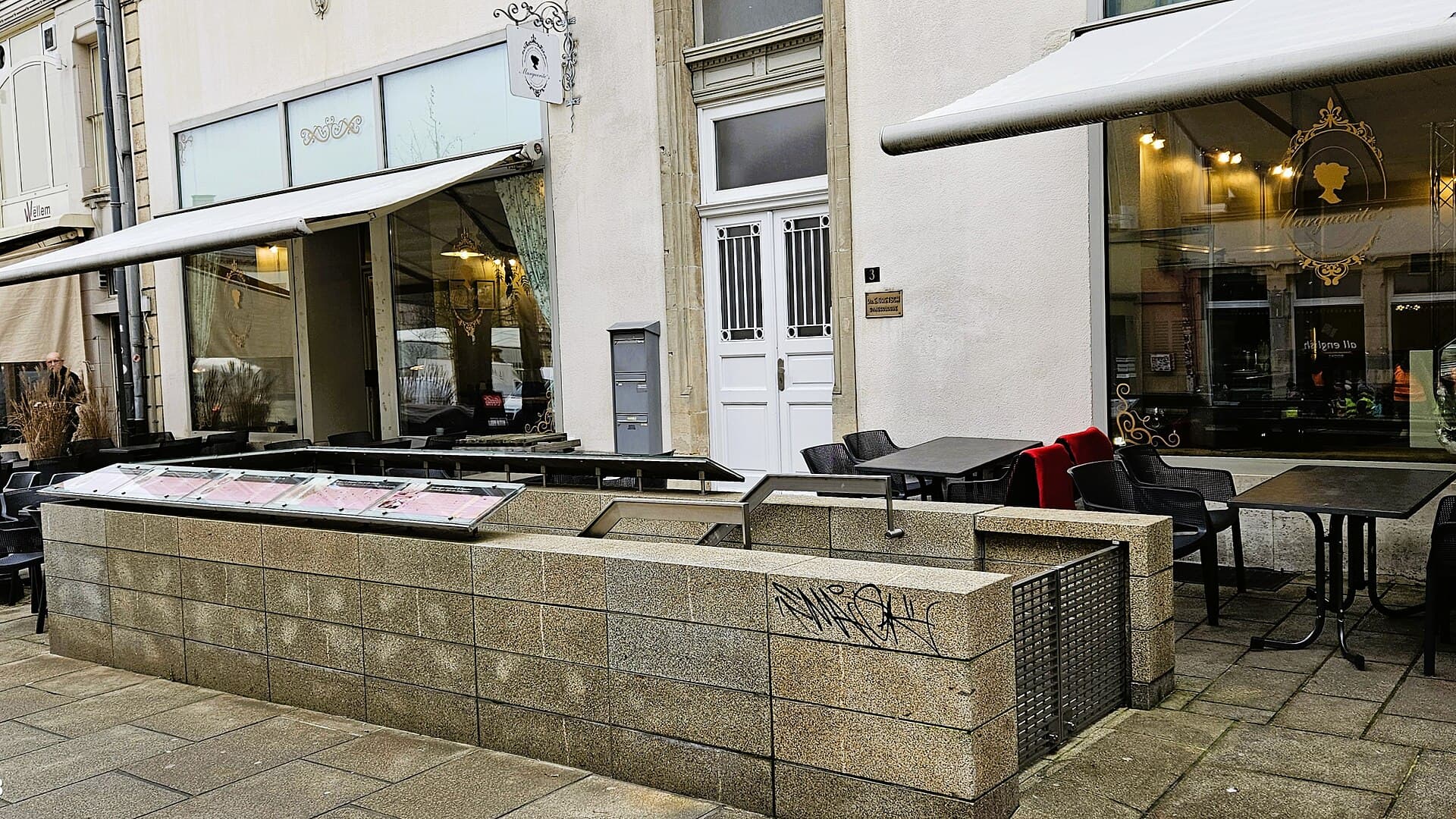 The Archaeological CryptAn underground archaeological chamber at the Bock promontory, showing the remain2 minutes walk4.4
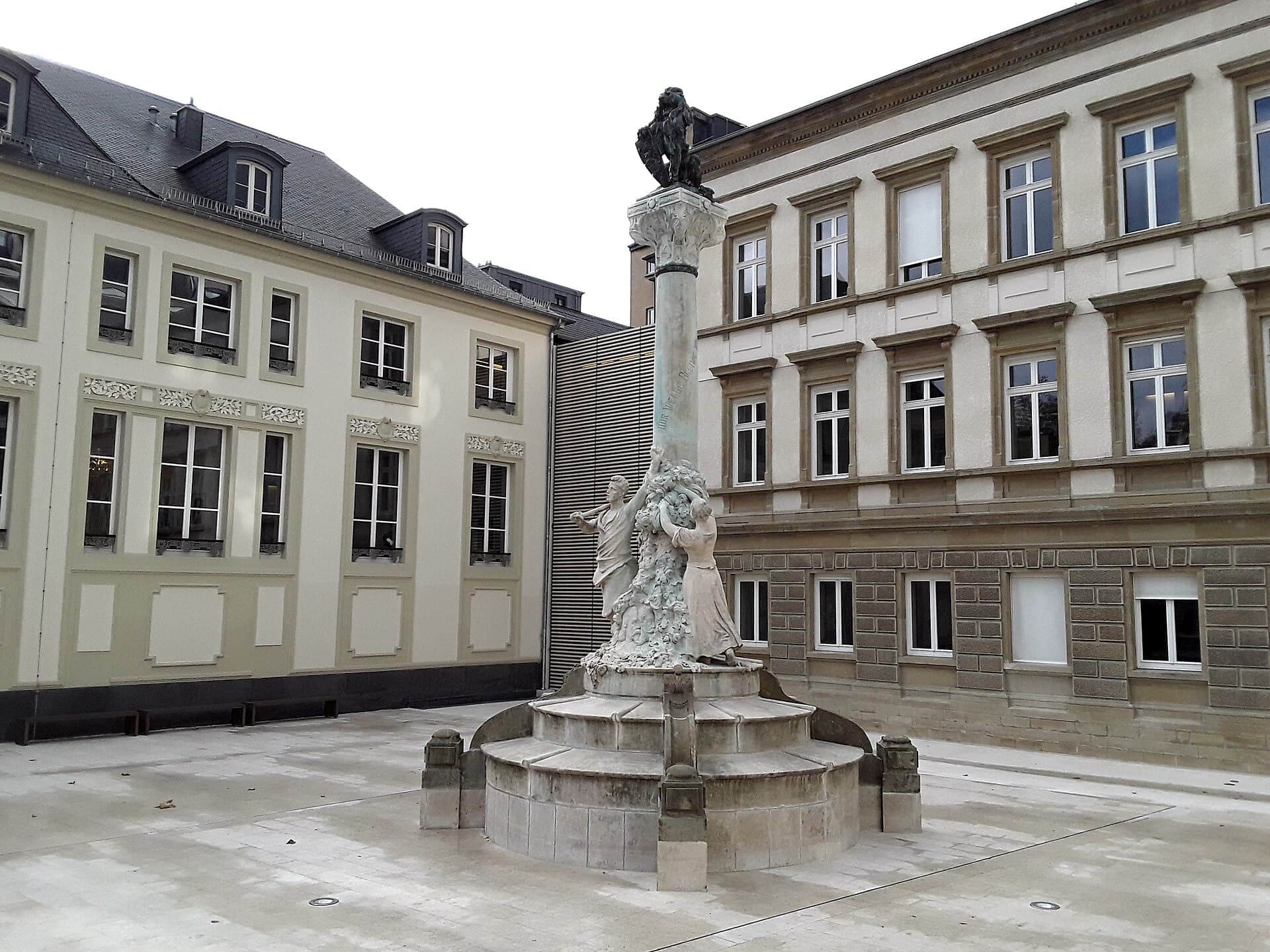 The Dicks-Lentz MonumentA memorial on the Place d'Armes in the city centre, dedicated to two nineteenth-2 minutes walk4.6
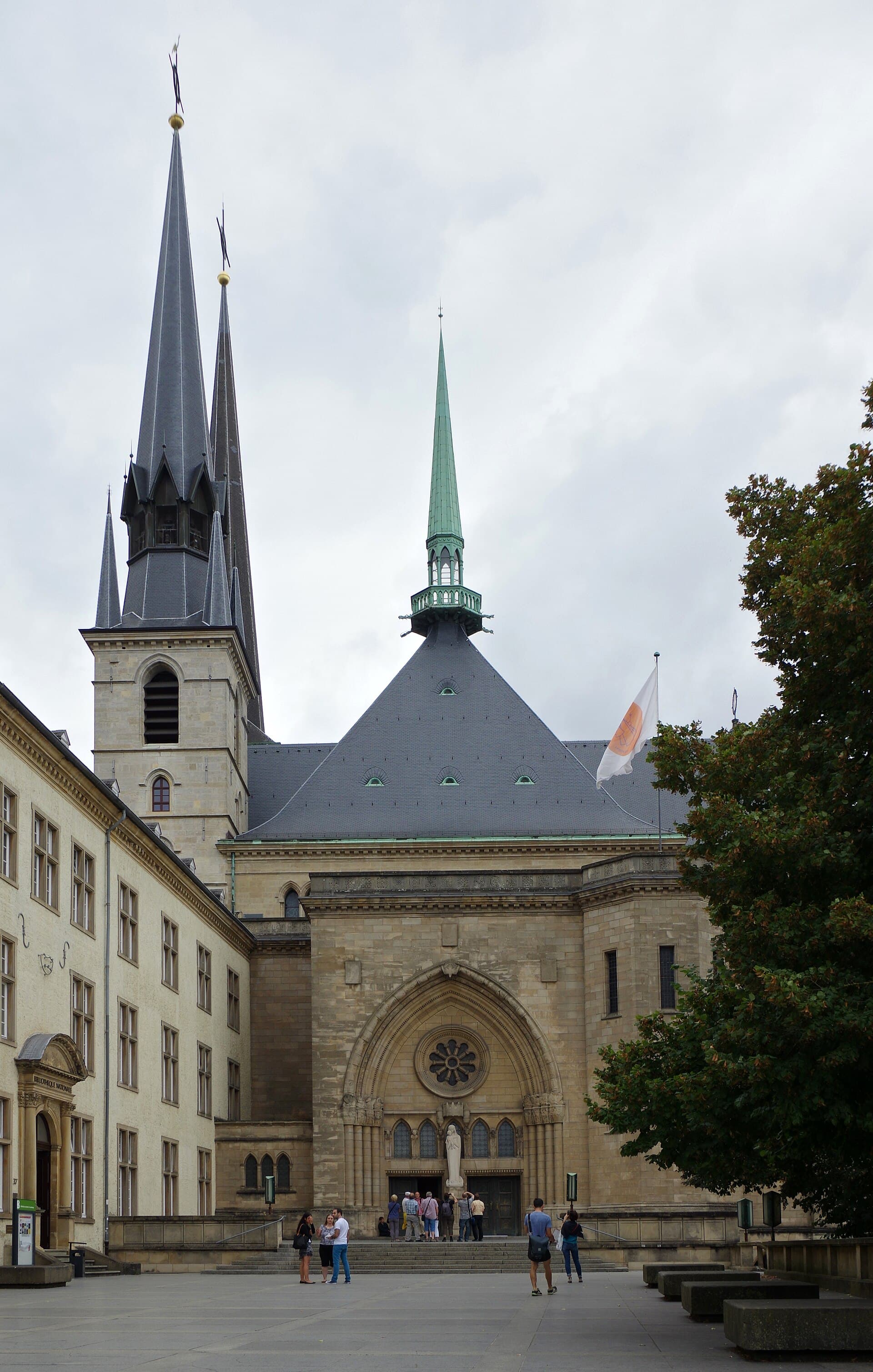 Notre-Dame CathedralNotre-Dame is Luxembourg's principal church, built originally in 1613 as the chu2 minutes walk4.5
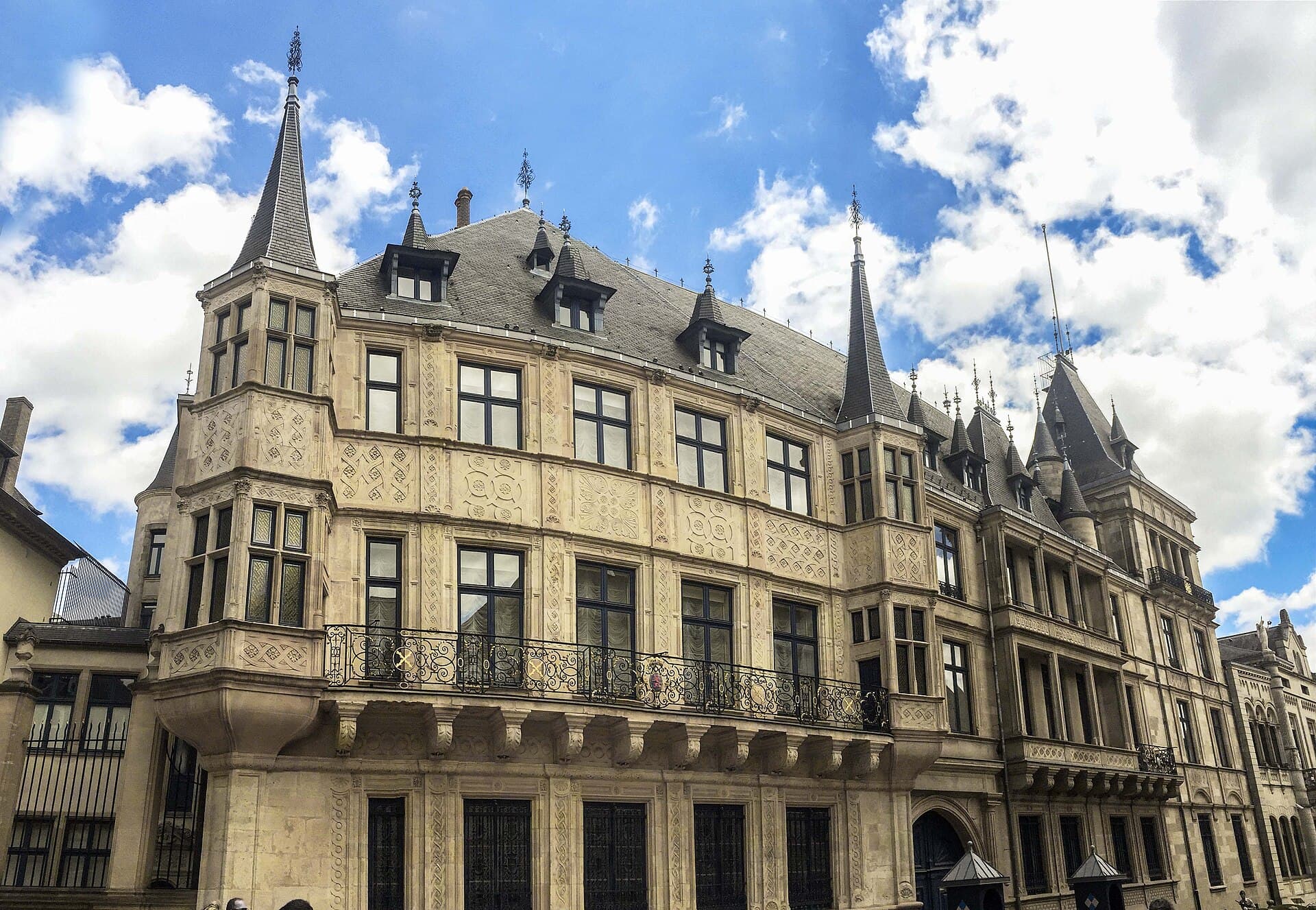 The Grand Ducal PalaceThe Grand Ducal Palace is the working residence of the Grand Duke, Luxembourg's 2 minutes walk4.5
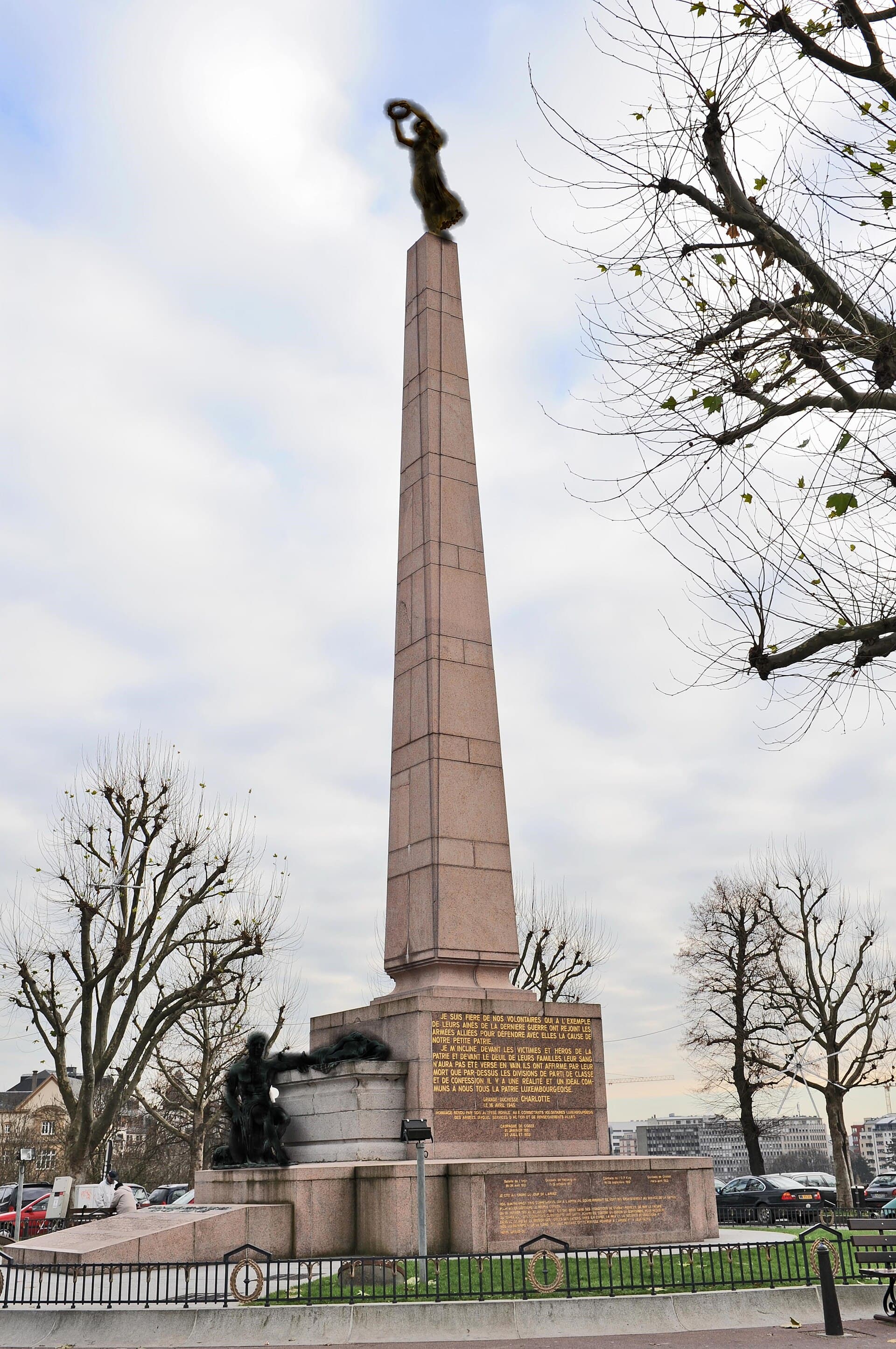 Place de la Constitution and the Gëlle FraThe Place de la Constitution is an open terrace on the edge of the Pétrusse vall2 minutes walk4.5
Three official languages working together: Luxembourgish for everyday speech and identity, French for law, administration and most restaurants and shops, and German for most newspapers and early schooling. Add that around half the population is foreign and English is very widely used at work. In practice: you will be understood in English almost anywhere in the capital.