
The north portal
Twisted columns with Renaissance and Baroque detail.
Berthold Werner — CC BY-SA 4.0 · Michał Jaroszczyk — CC BY 3.0 · GilPe — CC BY-SA 4.0 · GilPe — CC BY-SA 4.0
Notre-Dame is Luxembourg's principal church, built originally in 1613 as the church of a Jesuit college, then raised to cathedral rank in 1870 when the diocese of Luxembourg became independent. Its style is an unusual mixture: the structure is late Gothic with ribbed vaults, but the ornament and doorways carry Renaissance and Baroque detail, reflecting a long building history and twentieth-century extensions that added three new towers. The northern portal with its twisted columns is among its clearest features. In the crypt lies the tomb of the grand ducal family, alongside that of John the Blind, King of Bohemia and Count of Luxembourg, killed at the battle of Crécy in 1346 while completely blind, having asked his knights to tie his horse's bridle to theirs so they could lead him into the fighting. The cathedral is the focus of an annual May pilgrimage to the icon of the Consoler of the Afflicted, the country's patroness.
Twisted columns with Renaissance and Baroque detail.
The reigning family's tomb, and John the Blind.
Rue Notre-Dame, 2240 Luxembourg
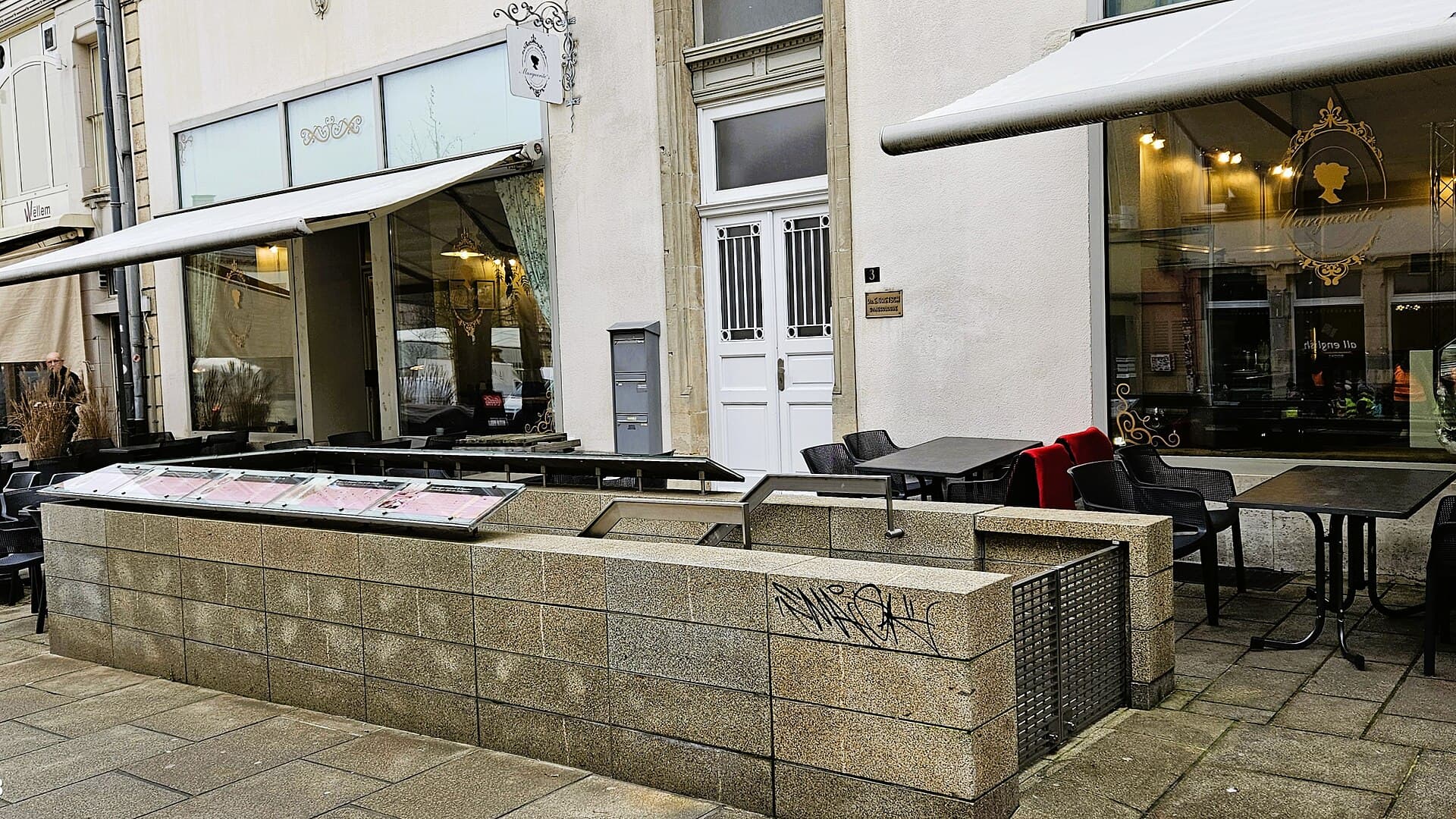 The Archaeological CryptAn underground archaeological chamber at the Bock promontory, showing the remain2 minutes walk4.4
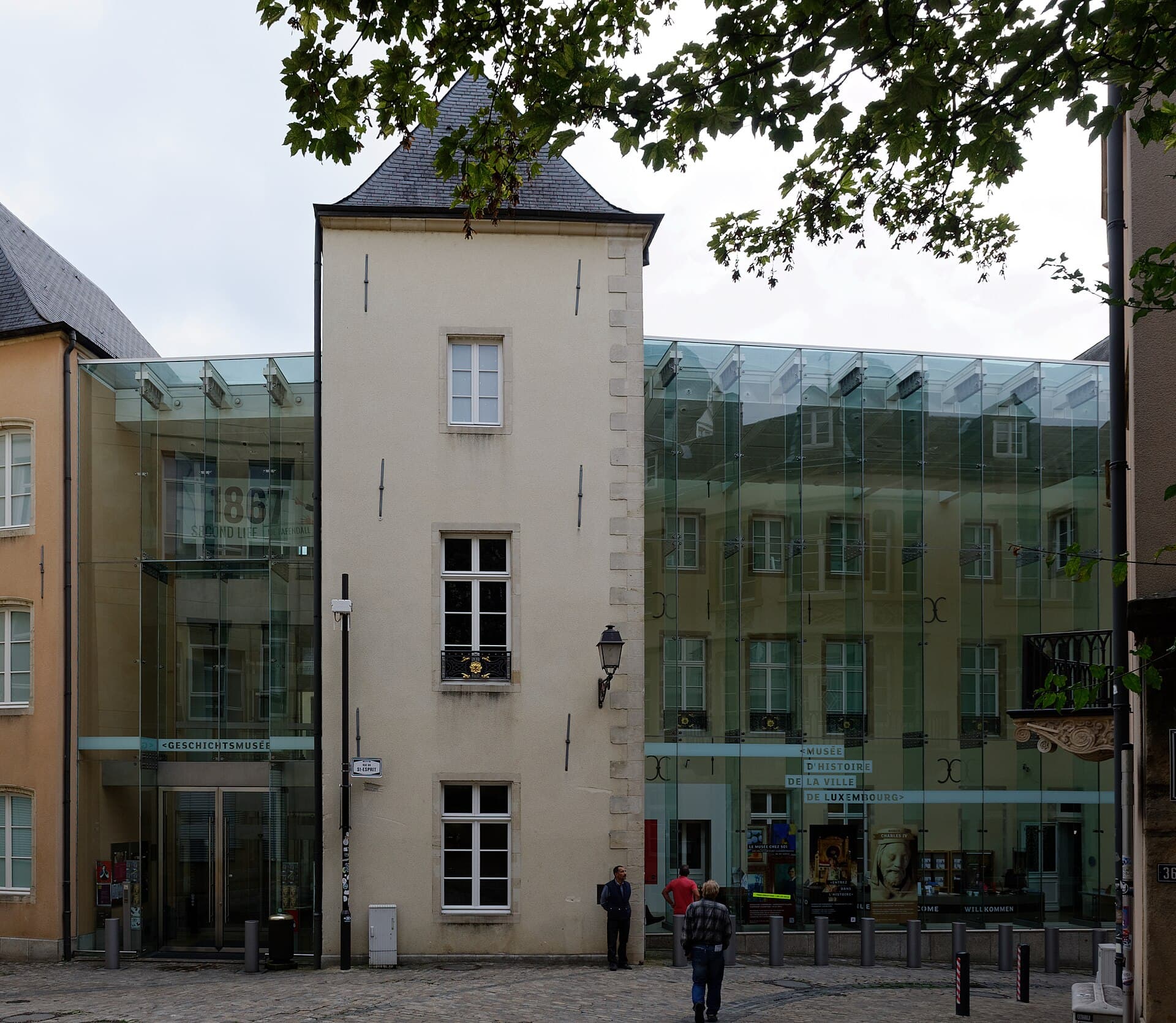 The Luxembourg City History MuseumThe City History Museum occupies four adjoining historic houses in the upper tow2 minutes walk4.7
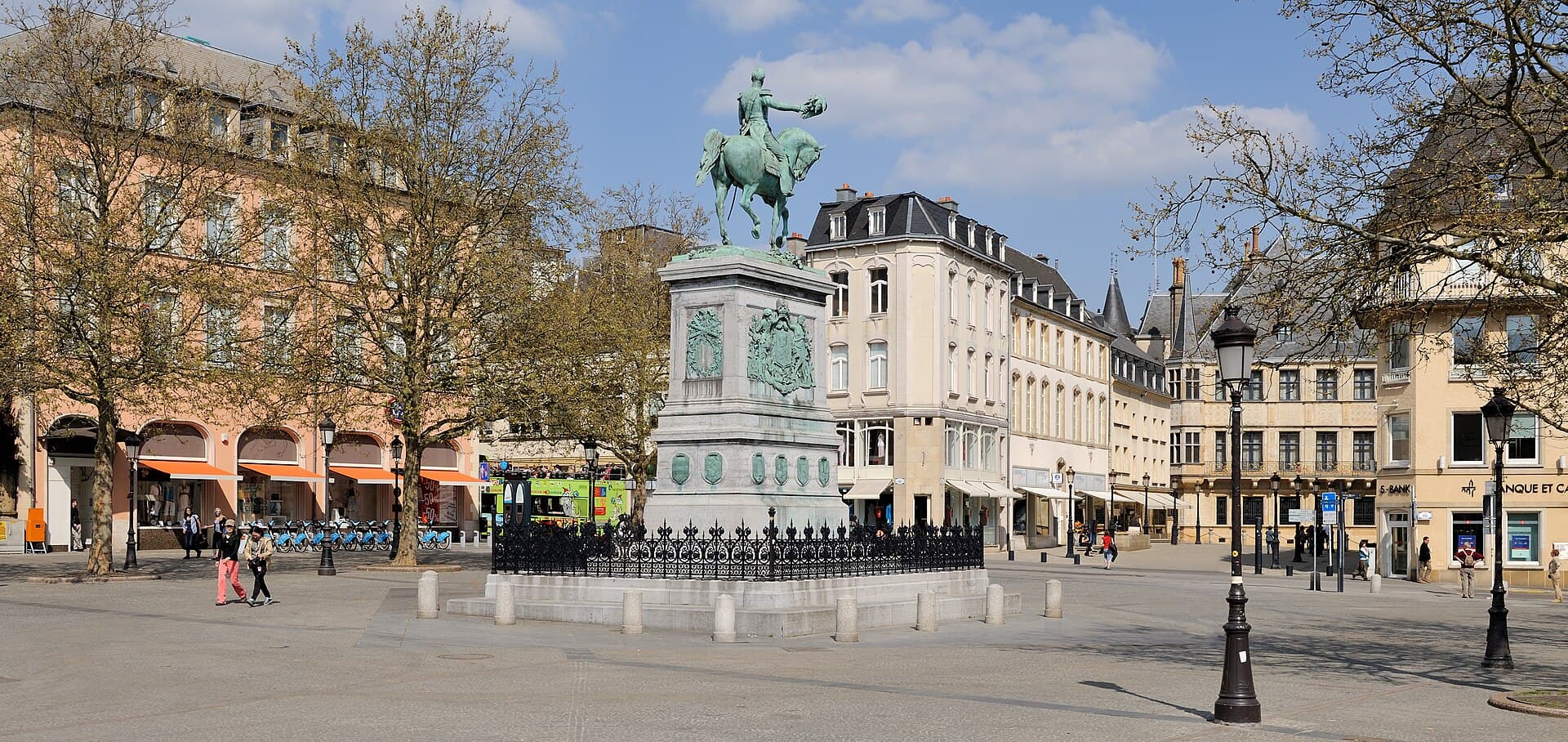 Place Guillaume IIPlace Guillaume II is the central square of the old town, and Luxembourgers call2 minutes walk4.5
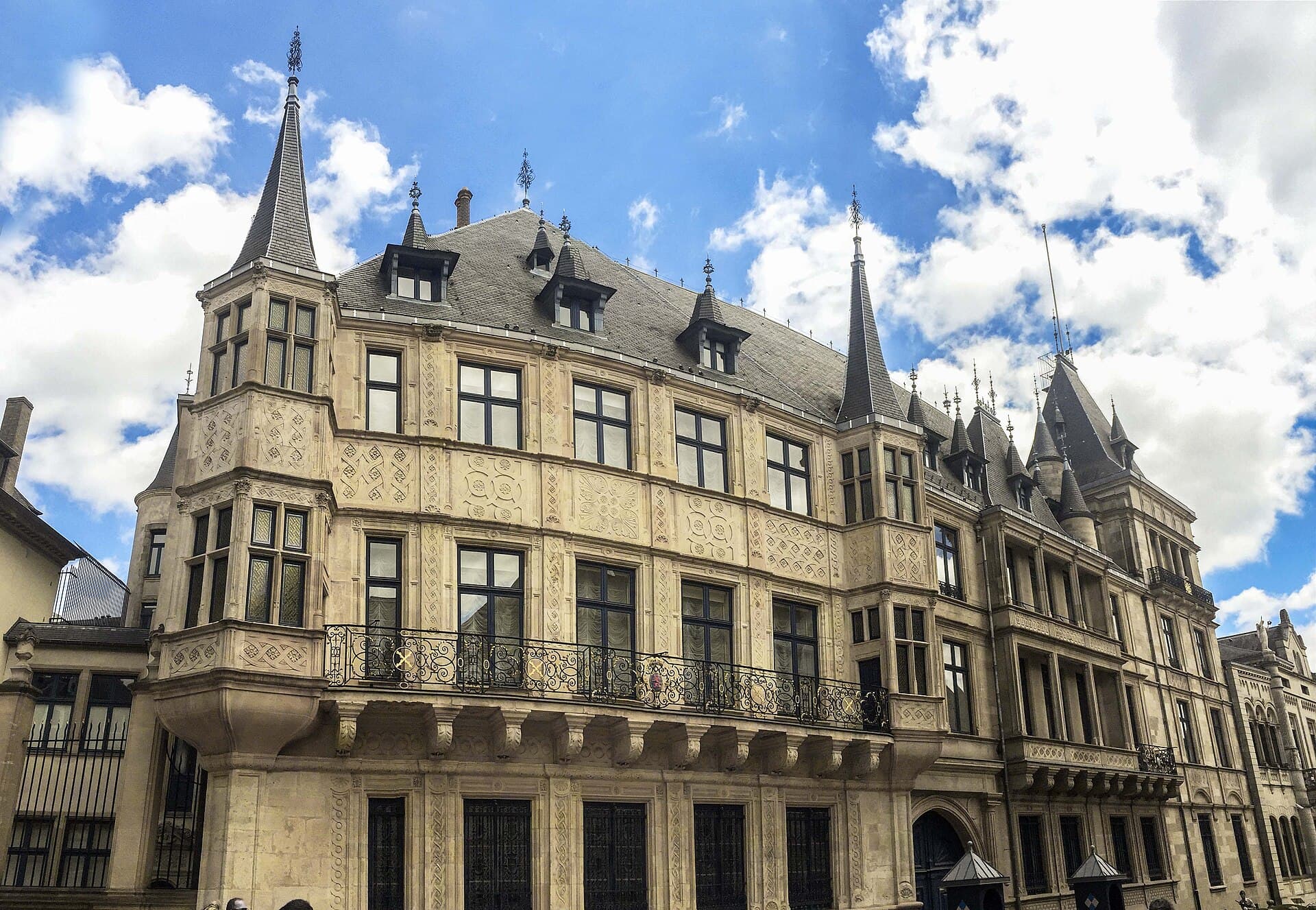 The Grand Ducal PalaceThe Grand Ducal Palace is the working residence of the Grand Duke, Luxembourg's 2 minutes walk4.5
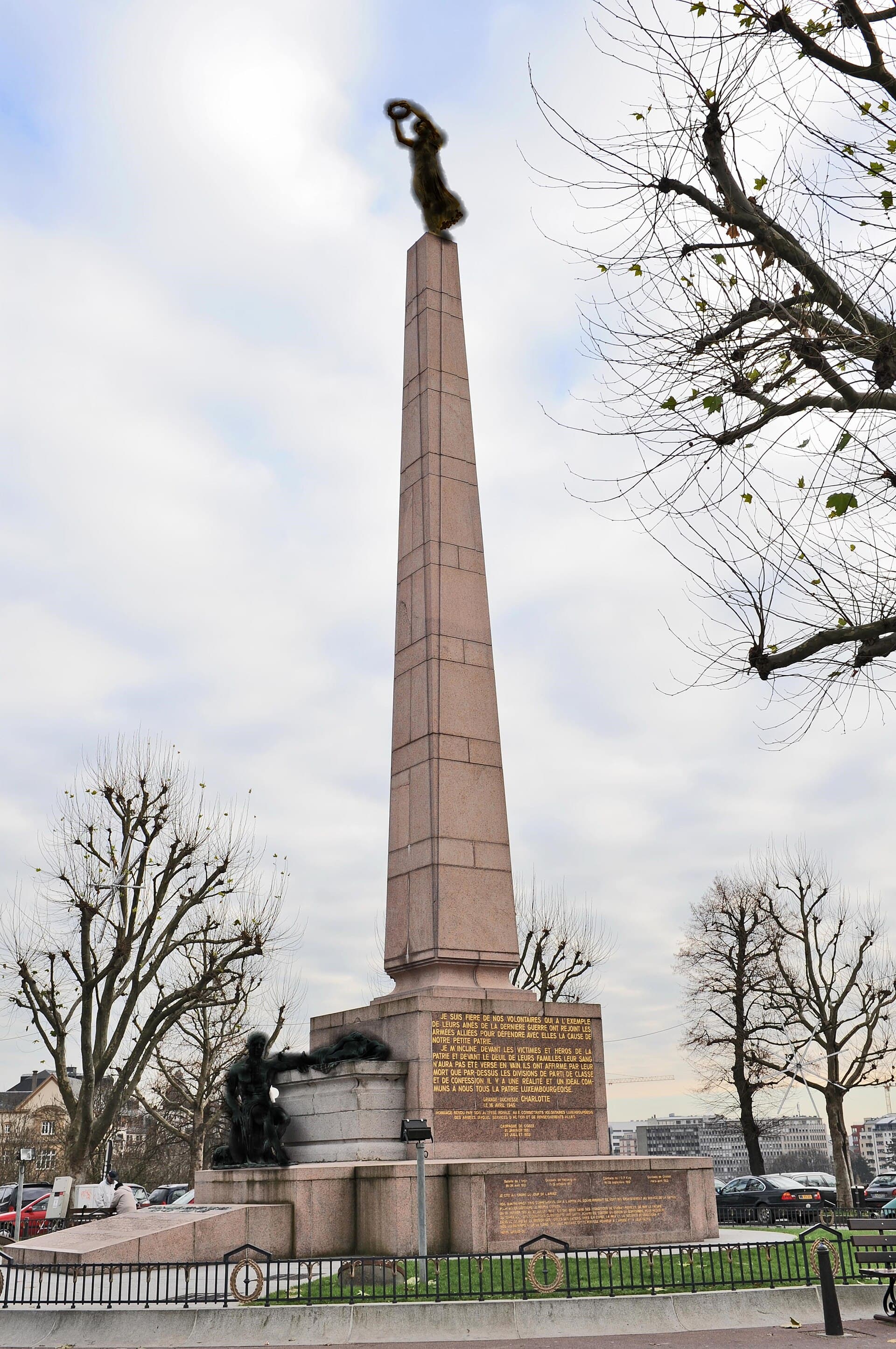 Place de la Constitution and the Gëlle FraThe Place de la Constitution is an open terrace on the edge of the Pétrusse vall2 minutes walk4.5
Luxembourg's most important annual religious occasion: two weeks in spring when pilgrims come to the cathedral to honour the icon of the Virgin as Consoler of the Afflicted, patroness of the city and the country since the seventeenth century. Markets are held on the adjoining square and it ends with a large procession through the streets. If you visit in May, expect a crowded centre and a festive rather than touristic atmosphere.